Top 7 Best Cleaner For Stainless Steel Grill Grates
Best cleaner for stainless steel grill grates matters more than many grill owners realize. Stainless steel resists corrosion, but heat, smoke residue, and baked-on grease can still leave stubborn buildup that dulls performance and appearance. The right formula balances cleaning power with material safety, helping preserve the brushed finish while breaking down carbon deposits and food residue.
In this guide, we compare the best cleaner for stainless steel grill grates, along with stainless steel grill grate cleaner and grill grate degreaser options designed for modern outdoor cooking. We also look at surface compatibility, residue control, and ease of use so you can judge what truly separates one product from another.
The details behind those differences may surprise you, especially once the grill gets hot and the mess gets serious.
Detailed Overview of the Best Cleaner for Stainless Steel Grill Grates
1. Weber® Outdoor Grill Spray Cleaner & Degreaser, 16 oz, Grill
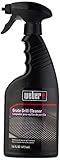
- This 16 oz spray bottle of Weber Grill Grate Cleaner was engineered for use on cooking grate surfaces, including stainless steel...
- Gentle on Your Grates: Grill cleaner spray is non-flammable, non-corrosive, and free of phosphates, so you don't have to worry...
- Doesn't Irritate Skin: Cleaner and degreaser also features a formula specifically designed to be safe for your skin; Won't cause...

Best for: Low-residue spray for grate cleaning.
A 16 oz spray bottle keeps Weber’s grill cleaner easy to apply directly on stainless steel and porcelain-enameled grates. The spray format lets you coat cooking surfaces evenly, so grease and baked-on residue can be loosened before wiping or scrubbing. For buyers focused on the best cleaner for stainless steel grill grates, that means simple coverage without a messy pour or separate mixing step.
The formula is non-flammable and non-corrosive, which matters when you’re cleaning hot-zone equipment that still needs surface protection. It is also phosphate-free, so it’s aimed at routine maintenance rather than harsh stripping. The cleaner is labeled safe for skin, a practical plus when you’re handling a spray and wiping down multiple grate sections. Because it’s made for grill surfaces and described as unscented, it works well for quick post-cook cleanup without adding strong odor to the area. The 16 oz size is a straightforward fit for regular grill owners who want one bottle for repeated grate cleaning.
Pros
- 16 oz spray bottle covers grate surfaces evenly
- Non-flammable formula suits grill-side cleaning
- Non-corrosive composition helps protect stainless steel grates
- Phosphate-free, unscented spray keeps cleanup simple
Cons
- It is a spray cleaner rather than a scrubbing tool, so heavy carbon buildup still needs separate agitation.
Weber’s spray cleaner makes the most sense for owners who want a simple chemical cleaner for stainless steel grill grates and similar cooking surfaces. It fits routine maintenance especially well when you want a safer-feeling formula and straightforward application.
| Specification | Details |
|---|---|
| Brand | Weber |
| Item Form | Spray |
| Scent | Unscented |
| Specific Uses For Product | Grill |
| Material Feature | 32OZ RTU Out Cleaner |
| Capacity | 16 oz |
I’d pick this for someone who wants a direct spray cleaner instead of a heavy-duty paste or scrubber. It suits stainless steel grates especially well because the formula is non-corrosive and made for grill surfaces. If your main goal is regular degreasing after cookouts, this is the easiest style to keep on hand and use often.
2. Goo Gone Grill and Grate Cleaner Spray (2 Pack) Cleans
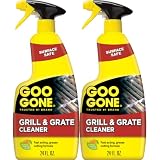
- GRILL & SMOKER CLEANER : Super-strength gel cleans your grill and is safe on food-prep surfaces. Works great for cleaning pellet...
- GREASE REMOVER: Quickly cleans and removes grease from your grill and grates
- BIODEGRADABLE: Super-strength gel is biodegradable and reduces smoke/flare-ups
Best for: Heavy-duty gel for baked-on grease.
Two spray bottles give Goo Gone Grill and Grate Cleaner a clear edge for bigger cleanup jobs across grills and grates. The gel format clings to metal surfaces longer than a thin liquid, which helps it stay in contact with caked-on food and baked-on deposits. For stainless steel grill grate buyers, that means more dwell time on stubborn grease before you start wiping or rinsing.
This cleaner is described as super-strength gel, and that thicker texture is the main advantage when residue has bonded to the grate. It is biodegradable, which gives it a more maintenance-friendly profile for regular outdoor use. The label says it works on caked-on food, baked-on deposits, carbon, and grease, so it fits the messiest post-cook jobs. It’s also safe for food-prep surfaces and intended for metals, cooking grates, racks, and drip pans, though it should not be used on aluminum or faux stainless steel. The 2-pack format means you have backup on hand for repeated cleanings or multiple grills.
Pros
- Gel formula clings to stainless steel grates
- Cleans caked-on food and baked-on deposits
- Biodegradable profile suits routine outdoor cleanup
- Two-pack format supports repeated grill maintenance
Cons
- It should not be used on aluminum or faux stainless steel, so material compatibility needs checking before use.
Goo Gone makes sense if your stainless steel grill grates collect thick grease or carbon and need a cleaner that stays put. The two-bottle format is practical for frequent grillers who want a stronger gel treatment for bigger cleanup sessions.
| Specification | Details |
|---|---|
| Package Dimensions | 10.87 x 10.59 x 4.25 inches |
| Weight | 1.5 pounds |
| Material Feature | Biodegradable Warning |
| Manufacturer | Weiman Products, LLC. |
| Pack Count | 2 |
I’d recommend this for someone dealing with stubborn residue more than light wipe-downs. The gel consistency is the key advantage because it gives the cleaner time to work on carbon and baked-on grease. If your grates need a more aggressive cleaner but you still want something appropriate for metal cooking surfaces, this is a practical pick.
3. GRILLART BBQ Grill Brush and Scraper, 18″ Stainless Steel Bristle-Free

- 【The Safest Bristle Free Grill Cleaner】:No wire bristles at all, no melting like nylon grill brushes; With this safe grill...
- 【The Cleaning Helper - with a Wide Scraper】: You'll be surprised by the efficiency of a grill scraper. You may Strong scrape...
- 【Upgraded for All Grill Types】: 125% more flexible upgraded helix can easily reach and clean the Hard-to-Clean sides of...
Best for: Bristle-free scrubbing for safe cleaning.
An 18-inch stainless steel brush and scraper gives GRILLART a mechanical cleaning advantage for stainless steel grill grates. The bristle-free head removes the wire-bristle risk entirely, while the wide scraper helps lift residue across a broader section of grate at once. For anyone comparing the best cleaner for stainless steel grill grates, that means a physical cleaning tool that focuses on safe, direct removal of stuck-on debris.
The bristle-free construction is the defining feature here, because it avoids loose wire pieces and also skips the melting issue associated with nylon brushes. The scraper is described as wide, so it can cover more area with each pass and reduce repeated strokes on heavily used grates. Its 18-inch length gives you more reach over a hot grill surface, while the 6-inch width and 3.7-inch height reflect a substantial handheld tool rather than a compact brush. Stainless and metal handle materials add rigidity for repeated pressure against stubborn residue, and the grill-specific use keeps it focused on grate cleaning rather than general household scrubbing.
Pros
- Bristle-free head avoids wire-bristle debris
- 18-inch length gives useful reach over grates
- Wide scraper covers more residue per pass
- Stainless steel and metal handle materials suit repeated pressure
Cons
- It is a scraper-and-brush tool, so it does not dissolve grease the way a liquid cleaner does.
GRILLART fits buyers who want a safer manual tool for stainless steel grill grates instead of a chemical spray alone. It works best when residue needs scraping first and you want bristle-free cleaning around the grate surface.
| Specification | Details |
|---|---|
| Brand | Weetiee |
| Color | Limited Time Offer |
| Handle Material | Stainless,Metal |
| Specific Uses For Product | Grill |
| Product Dimensions | 18″L x 6″W x 3.7″H |
I’d choose this for someone who prefers scrubbing over spraying and wants to avoid wire bristles altogether. The long handle and wide scraper make it useful for fast passes across stainless steel grates after cooking. If safety and manual control matter more than chemical cleaning, this is the one that feels most purpose-built for the job.
4. Goo Gone Grill and Grate Cleaner Spray – Cleans &

- Grill Cleaner - Super-strength gel cleans your grill and is safe on food-prep surfaces
- Grease Remover - Quickly cleans and removes grease from your grill and grates
- Biodegradable - Super-strength gel is biodegradable and reduces smoke/flare-ups
Best for: Heavy grease and flare-up control.
A 26 oz spray bottle gives CLR Clean & Ready Grill enough cleaner for repeated grate scrubs without stopping to mix or refill a separate container. The foaming spray format lets you coat stainless steel grates evenly, so the cleaner can stay in place on burnt-on food, grease, and splatter stains instead of running straight off.
CLR’s spray formula is made for stainless steel, steel, and porcelain enamel, so it fits the surfaces most grill owners actually clean. The 26 oz bottle size gives you a practical amount for regular post-cook cleanup, while the foaming trigger helps the product cling to grates and interior surfaces during dwell time. Its bbq grill scent is a straightforward match for outdoor use, and the spray form makes it easy to target baked-on grease on bars, corners, and lids without dragging out extra tools. For buyers comparing the best cleaner for stainless steel grill grates, that surface range and foaming delivery make this one especially useful for routine maintenance.
Pros
- 26 oz bottle supports repeated grill cleanups
- Foaming trigger helps cleaner cling to grate surfaces
- Safe for stainless steel, steel, and porcelain enamel
- Spray format makes spot-treating burnt-on food easy
Cons
- No abrasive scrubbing tool is included, so heavily carbonized spots still need a separate brush or pad.
This is a practical pick for stainless steel grill grates when you want a spray that cuts grease without fuss. It makes the most sense for routine cleanup on grills that also have porcelain enamel or steel parts.
| Specification | Details |
|---|---|
| Brand | CLR |
| Item Form | Spray |
| Item Volume | 26 fluid ounces |
| Scent | Bbq Grill |
| Specific Uses For Product | Grill |
| Material Feature | Safe to use on stainless steel and porcelain enamel |
| Surface Compatibility | Stainless steel, steel, porcelain enamel |
| Application Type | Foaming trigger spray |
I’d point stainless steel grill owners to this one if they want a cleaner that is easy to apply and broad enough for mixed grill surfaces. The foaming trigger is the main advantage because it helps the spray stay where you put it, which matters on vertical lids and greasy grate bars. It feels most useful for regular maintenance rather than a full restoration job.
5. CLR Brands Grill Cleaner and Degreaser Spray, 26 oz. Bottle

- Multi-Purpose: CLR Clean and Ready Grill breaks down built-up grease, splatter stains, and burnt-on food, leaving your grill...
Best for: Thick foam for stubborn buildup.
A 19 oz foaming bottle gives Zep Heavy-Duty Oven and Grill Cleaner a concentrated format that clings to grill surfaces instead of sliding away. That thick foam matters on stainless steel grates because it keeps the cleaner in contact with grease, stains, and baked-on residue long enough to work on the mess rather than just wetting it.
Zep lists stainless steel, porcelain, and ceramic compatibility, so this cleaner fits more than just the grate itself. The thick foaming formula is the key feature for users who need something that stays put on grates, burner drip pans, and other awkward grill parts. At 19 oz, the bottle is compact enough to store with outdoor gear, yet substantial enough for focused cleanups. Its advanced grease-cutting formula is aimed at tough buildup on grills, ovens, pots, pans, and rotisseries, which gives it a broader utility than a single-purpose spray. For shoppers seeking the best cleaner for stainless steel grill grates, that cling and cut combination is the main reason to consider it.
Pros
- Thick foam clings to grate surfaces
- 19 oz bottle is easy to store with grill gear
- Works on stainless steel, porcelain, and ceramic
- Advanced grease-cutting formula targets tough buildup
Cons
- The formula is intended for heavy-duty cleanup, so it is less convenient for quick light wipe-downs between short cooks.
Zep makes sense when your stainless steel grates have stubborn grease that needs more dwell time. It is a strong fit for owners who prefer a heavy-duty foam over a lighter spray.
| Specification | Details |
|---|---|
| Brand | Zep |
| Product Dimensions | 10.04 x 7.01 x 3.39 inches |
| Item Weight | 2.5 pounds |
| Item Volume | 19 oz |
| Surface Compatibility | Stainless steel, porcelain, ceramic |
| Use Cases | Ovens, grills, pots, pans, rotisseries, burner drip pans |
| Formula Type | Thick foaming formula |
| Manufacturer | Zep Inc |
I’d choose this for grills that collect stubborn, baked-on residue and need a cleaner that stays in place. The foam is the deciding factor because it gives you more contact time on stainless steel grates and other grill parts. If your cleanup job usually involves heavier deposits rather than simple oil film, this is the more serious option.
6. Zep Heavy-Duty Oven and Grill Cleaner – 19 oz (Case

- POWERFUL RESTAURANT GRADE FORMULA: The cleaner is suitable for use on stainless steel, porcelain and ceramic, making it ideal for...
- DISSOLVES GREASE ON CONTACT: Thick foaming formula clings to surfaces while an advanced grease-cutting formula penetrates deep to...
- FOR USE ON: Suitable for use on stainless steel, porcelain, ceramic, ovens, grills, pots, pans, rotisseries and burner drip pans
Best for: Simple citrus spray for routine cleanup.
Citrusafe’s 23 fl oz liquid format gives you a straightforward sprayable cleaner for stainless steel grill grates without extra mixing or measuring. The citrus scent signals a lighter-feeling cleanup experience, while the liquid form makes it easy to coat grates, rails, and other grill surfaces quickly after cooking.
Citrusafe is labeled for grill use, and the 23 fluid ounce bottle offers a middle-ground size that suits regular maintenance. The liquid item form is useful for buyers who want a cleaner that spreads quickly across grate bars and can be applied evenly over residue before wiping. Its citrus scent stands apart from harsher-smelling degreasers, which can make post-cook cleanup more comfortable around patios and backyards. Because the product data centers on grill use and volume, it is best read as a practical everyday cleaner rather than a specialty heavy-restoration formula. That makes it a sensible contender for anyone narrowing down the best cleaner for stainless steel grill grates for routine upkeep.
Pros
- 23 fl oz bottle is practical for regular grill upkeep
- Liquid form spreads easily over grate bars
- Citrus scent offers a fresher cleaning experience
- Specific grill use keeps the focus on barbecue cleanup
Cons
- The data does not list stainless steel compatibility explicitly, so buyers wanting confirmed multi-surface labeling may want to verify fit before using it on mixed grill parts.
Citrusafe is the easygoing choice for people who want routine grate cleaning with a lighter scent and simple application. It suits stainless steel grill owners who care more about everyday upkeep than aggressive stripping power.
| Specification | Details |
|---|---|
| Brand | Citrusafe |
| Item Form | Liquid |
| Scent | Citrus |
| Specific Uses For Product | Grill |
| Item Volume | 23 fluid ounces |
My take is that this will please buyers who want a cleaner that feels simple and uncomplicated to use. The liquid form and citrus scent make it appealing for frequent touch-ups after grilling, especially if you dislike strong chemical odors. It looks best suited to maintenance cleaning rather than removing the heaviest carbon buildup.
7. Citrusafe BBQ Grill Grate Cleaner, 23 FL OZ

- Citrusafe BBQ Grill Grate Cleaner, 23 FL OZ
Best for: Biodegradable gel for messy grates.
Goo Gone Grill and Grate Cleaner uses a super-strength gel that is biodegradable, so it combines clingy cleaning power with a more responsible formula choice. The gel format helps it stay on stainless steel grates, caked-on food, and baked-on deposits long enough to loosen the mess before wiping or brushing.
Goo Gone’s formula is safe for use on metals, cooking grates and racks, drip pans, and grill interiors and exteriors, which makes it useful beyond the grate itself. The product is specifically listed as effective on caked-on food, baked-on deposits, carbon, and grease, so it targets the kinds of residue that build up after repeated grilling sessions. Its 9.9 x 4.5 x 2.8-inch dimensions and 2-pound weight make the bottle substantial without being awkward to stash near the patio or shed. The biodegradable material feature is a practical plus for buyers who want the best cleaner for stainless steel grill grates with a cleaner formula profile and less smoke and flare-up risk during use.
Pros
- Super-strength gel clings to grate surfaces
- Biodegradable formula supports cleaner outdoor use
- Safe for metals, drip pans, and grill interiors/exteriors
- Targets caked-on food, carbon, grease, and baked-on deposits
Cons
- It should not be used on aluminum or faux stainless steel, which limits compatibility on some mixed-material grills.
Goo Gone is a smart option when your stainless steel grates need a clingy gel that stays on the mess. It fits buyers who also want one cleaner for multiple metal grill surfaces and heavier residue.
| Specification | Details |
|---|---|
| Product Dimensions | 9.9 x 4.5 x 2.8 inches |
| Item Weight | 2 pounds |
| Material Feature | Biodegradable Warning |
| Safe Surfaces | Metals, cooking grates/racks, drip pans, grill interiors/exteriors |
| Effective On | Caked-on food, baked-on deposits, carbon, grease |
| Not for Use On | Aluminum or faux stainless steel |
| Manufacturer | Goo Gone |
I’d recommend this to someone dealing with thick residue on stainless steel grates and surrounding grill parts. The gel consistency is the main reason it stands out, because it stays where you spray it and gives you more control on vertical or greasy surfaces. If your grill gets heavy buildup and you want broader metal-surface coverage, this is the most versatile choice of the group.
Quick Comparison Table of Top Cleaners for Stainless Steel Grill Grates
| Product Name | Form | Size | Surface Fit | Best For | Check Price |
|---|---|---|---|---|---|
| Weber® Outdoor Grill Spray Cleaner | Spray | 16 oz | Stainless steel | Easy spray cleaning | Check Price |
| Goo Gone Grill and Grate Cleaner | Gel spray | 2 pack | Food-prep surfaces | Grease removal | Check Price |
| GRILLART BBQ Grill Brush and Scraper | Brush | 18 inch | Grill grates | Bristle-free scraping | Check Price |
| Goo Gone Grill and Grate Cleaner | Spray | 2 lb | Faux stainless | Heavy-duty grime | Check Price |
| CLR Brands Grill Cleaner and Degreaser | Spray | 26 oz | Stainless steel | Multi-surface grilling | Check Price |
| Zep Heavy-Duty Oven and Grill Cleaner | Foaming spray | 19 oz | Stainless steel | Restaurant-grade cleaning | Check Price |
| Citrusafe BBQ Grill Grate Cleaner, 23 | Liquid | 23 fl oz | Grill grates | Citrus cleaning | Check Price |
How to Choose the Best Cleaner for Stainless Steel Grill Grates
Cleaning strength and residue removal
Choose the strongest cleaner that matches the level of buildup on your grates. For baked-on grease and black carbon, look for a formula that lists grease-cutting surfactants, carbon removal, or heavy-duty grill use, and check for visible cling time on the label. Thin sprays handle light film, but they fall short on thick crust.
Good cleaners lift residue after one pass with a nonmetal brush; weak ones leave sticky patches in the corners. Pick a heavy-duty gel or foaming cleaner for heavily fouled grates and a lighter spray for routine wipe-downs.
| Type | Best for |
|---|---|
| Heavy-duty gel | Thick carbon, trapped grease, tight grate gaps |
| Foam spray | Vertical surfaces and smoky buildup |
| Light spray | Weekly cleaning and fresh residue |
Stainless steel safety and finish protection
Stainless steel needs a noncorrosive formula that protects the finish while removing grime. Choose cleaners that state safe use on stainless steel and avoid harsh acid-heavy or abrasive products that dull polished bars or leave pitting on brushed grates. Good products clean without etching, streaking, or leaving cloudy patches after drying.
For mirror or polished finishes, pick a pH-balanced stainless-steel cleaner or a grill-specific formula with rust-safe language and no gritty scrub particles. For brushed finishes, choose the same noncorrosive standard with a microfiber-friendly wipe-off.
Pick pH-balanced, stainless-safe cleaner for polished grates and a gentle grill formula for brushed surfaces.
| Finish | Best cleaner type |
|---|---|
| Mirror/polished | pH-balanced spray or wipe-on formula |
| Brushed | Noncorrosive gel or foam with soft wiping |
| Mixed grate surfaces | Stainless-safe all-purpose grill cleaner |
Application method and ease of use
Pick the format that matches how often you clean and how much scrubbing you want to do. Spray works fast for open grates and quick touch-ups, gel clings longer on vertical bars and deep grooves, foam spreads evenly across wide surfaces, and wipe-on cleaners suit light residue and fast finishing. Good products list a short dwell time, simple agitation, and clear rinse-off steps.
Poor ones require repeated scrubbing or leave smear marks after wiping. For easy upkeep, choose a spray or wipe-on formula; for stubborn spots and grate corners, choose gel or foam with a dwell time that stays workable before rinsing.
| Format | Best for |
|---|---|
| Spray | Fast coverage and routine cleaning |
| Gel | Stubborn buildup and tight spaces |
| Foam | Broad coverage with better cling |
| Wipe-on | Light residue and quick finishing |
Odor, fume, and foodsafety considerations
For backyard grilling, choose a cleaner with low odor, controlled fumes, and a rinse profile that leaves no film behind. Strong chemical smell inside a patio area makes cleanup unpleasant and signals a harsher formula than most grill owners need. Good options state low-odor use and rinse clean with water, leaving no oily coating that transfers to food or wipes.
Avoid products that require excessive reapplication to clear residue. Also check for clear food-contact guidance and a finish that dries cleanly.
Pick a low-odor, rinse-clean formula for frequent outdoor use and a residue-free cleaner for grates that go straight back to cooking.
| Need | Best choice |
|---|---|
| Low-fume patio cleanup | Low-odor spray or foam |
| No film after rinsing | Water-rinsed cleaner with clear drying |
| Food-contact caution | Formula with explicit rinse-before-cooking guidance |
Value, coverage, and maintenance routine
Choose the size and concentration that match your grill routine, not just one deep clean. Concentrated formulas give the most coverage for frequent maintenance because a small amount stretches across multiple sessions, while ready-to-use bottles suit owners who clean quickly after each cookout. Good value means a label that states coverage in square feet or number of cleanings, plus a bottle size that fits weekly use without waste.
Poor value means oversized packaging with no clear yield. For weekly grill care, pick a concentrated cleaner in a medium-size bottle; for occasional touch-ups, choose a ready-to-use spray with clear coverage and simple storage.
Which Should You Choose?
- If you want a gentle spray for routine cleaning on stainless steel grates, choose a non-abrasive 16 oz cleaner made for cooking grate surfaces.
- If your grates have heavy grease buildup or greasy smoker residue, choose a super-strength gel or degreaser that targets burnt-on grime on food-prep surfaces.
- If safety is your top concern and you want to avoid loose bristles, choose an 18-inch bristle-free brush and scraper with a stainless steel design.
- If you clean multiple grill surfaces, including stainless steel and porcelain, choose a heavy-duty cleaner labeled for several surface types and built to cut splatter stains.
Quick Best Cleaner For Stainless Steel Grill Grates Buying Checklist
- Look for stainless steel compatibility to avoid dulling, spotting, or surface damage on grate finishes.
- Choose a formula that cuts grease fast so baked-on carbon and sticky residue lift with less scrubbing.
- Check the application style whether spray, gel, foam, or wipe, based on how quickly you want to clean.
- Prioritize easy rinse-off performance so the cleaner leaves no slippery film or lingering residue.
- Consider odor and fume levels if you clean grills in enclosed patios or near food prep areas.
- Match the cleaner to your routine by selecting a product that fits weekly maintenance or deep-clean needs.
How Stainless Steel Grill Grate Cleaners Actually Remove Buildup
The best cleaner for stainless steel grill grates works by loosening carbonized grease, smoke residue, and food proteins so they can be brushed or wiped away with less effort. Many formulas rely on surfactants to lift oily films, while others use mild alkaline ingredients to break down baked-on residue. Stainless steel is durable, but it still benefits from cleaners that target grime without leaving harsh etching or a sticky film behind.
The most effective products give the residue time to soften before scrubbing, which reduces the need for aggressive scouring. That matters because repeated heavy abrasion can dull the grate surface and make future cleanup harder.
A good cleaner should remove buildup while preserving the metal’s finish and heat performance.
Sprays, Foams, and Wipes: Cleaner Formats Compared
Cleaner format affects how well the product clings to vertical bars, how quickly it penetrates grime, and how easy it is to control during cleanup. Sprays are versatile and cover large surfaces fast, while foams can stay in place longer on stubborn spots. Wipes are useful for lighter cleanup or quick touch-ups after cooking.
Some products are designed for cold grates, while others work best when the metal is slightly warm, which helps loosen residue more quickly. Choosing the right format can save time and reduce scrubbing pressure.
| Type | Best for |
|---|---|
| Spray | Even coverage on full grate surfaces |
| Foam | Staying on stubborn, baked-on buildup |
| Wipe | Light cleaning and quick maintenance |
| Gel | Targeting thick residue on specific spots |
Safe Cleaning Practices for Food-Contact Grill Surfaces
Because grill grates come into direct contact with food, safety should guide every cleaning step. Use only products intended for cooking surfaces, and always follow the label for dwell time and rinsing. After cleaning, remove all loosened residue with a damp cloth or rinse the grates thoroughly if the cleaner requires it.
Avoid combining different chemicals, since mixtures can create irritating fumes or unwanted reactions. It is also wise to clean in open air or with strong ventilation, especially when using stronger degreasers.
Gloves can help protect skin from dryness and irritation. For stainless steel grates, a careful rinse and full drying step help prevent streaking and keep the surface ready for the next cook.
Common Cleaning Mistakes That Can Damage Stainless Steel Grates
One of the most common mistakes is using an overly abrasive pad that scratches the stainless steel finish. Harsh metal scrapers can also gouge the surface if used with too much force. Another frequent error is applying cleaner and immediately wiping it off before it has time to loosen residue, which leads to repeated scrubbing and more wear.
Leaving cleaner on too long can be a problem as well, especially if the product is not meant for extended contact. Some people also forget to rinse or wipe away chemical residue, which can affect flavor on the next cook.
Letting the grates dry before reassembly helps prevent spotting and keeps cleanup from becoming a bigger job later.
Routine Care That Helps Stainless Steel Grates Stay Cleaner Longer
Regular maintenance is the easiest way to reduce the amount of heavy-duty cleaner you need. After cooking, while the grates are still warm, a stiff nylon brush or a nonmetal brush can remove loose debris before it hardens. Periodic deep cleaning then becomes faster because less carbon buildup has time to bond to the metal.
Dry the grates thoroughly after washing to limit water spots, and store them in a dry place when possible. A light coat of food-safe oil may help reduce sticking on some grills, but it should be used sparingly so it does not turn into sticky residue.
Consistent upkeep protects the finish, improves grilling performance, and makes stainless steel easier to keep looking clean.
Frequently Asked Questions (FAQs)
What Makes A Cleaner Safe For Stainless Steel Grill Grates?
A safe stainless steel grill grate cleaner uses a non-corrosive formula that removes grease without scratching or dulling the metal. It should work on brushed or polished grates and rinse away cleanly, so the surface keeps its finish and does not develop pitting or streaks.
How Strong Should The Best Cleaner For Stainless Steel Grill Grates Be?
The best cleaner for stainless steel grill grates should be strong enough to lift baked-on grease, carbon, and smoke residue without aggressive scraping. A good formula loosens buildup after a short dwell time, which reduces scrubbing while still protecting the grate surface from damage.
Should I Choose A Spray, Foam, Or Gel Cleaner?
A spray, foam, or gel cleaner can all work well for stainless steel grill grates, but the best choice depends on how long you want the formula to cling. Foam and gel usually stay on vertical surfaces longer, while spray is faster for light maintenance.
Can I Use The Same Cleaner On Hot Grill Grates?
No, the best cleaner for stainless steel grill grates is usually safest on cool or only slightly warm grates. Heat can cause fast evaporation, stronger fumes, or uneven cleaning, so letting the grill cool first helps the formula work evenly and safely.
How Do I Know If A Cleaner Leaves No Residue?
A cleaner that leaves no residue should rinse away completely and not create a sticky or greasy film after wiping. On stainless steel grill grates, a residue-free finish matters because leftover cleaner can affect food contact, shine, and the next round of grilling.
What Features Help A Cleaner Work With Less Scrubbing?
The best cleaner for stainless steel grill grates uses degreasing agents that break down carbon before you scrub. Look for a formula with cling, dwell time, and clear instructions, because those features help loosen grime in the grate grooves and around welded edges.
How Often Should I Clean Stainless Steel Grill Grates?
The best cleaner for stainless steel grill grates should fit a regular cleaning routine after each cooking session or after heavy use. Frequent cleaning prevents thick carbon buildup, protects the finish, and makes future cleanups faster because fresh grease is much easier to remove.
Final Suggestions
Choosing the best cleaner for stainless steel grill grates helps remove grease, carbon, and smoke stains while protecting the metal finish. The right formula makes routine maintenance faster, safer, and more effective, whether you grill occasionally or often. With the right cleaner in your toolkit, your grates can stay brighter, cleaner, and ready for the next cookout.