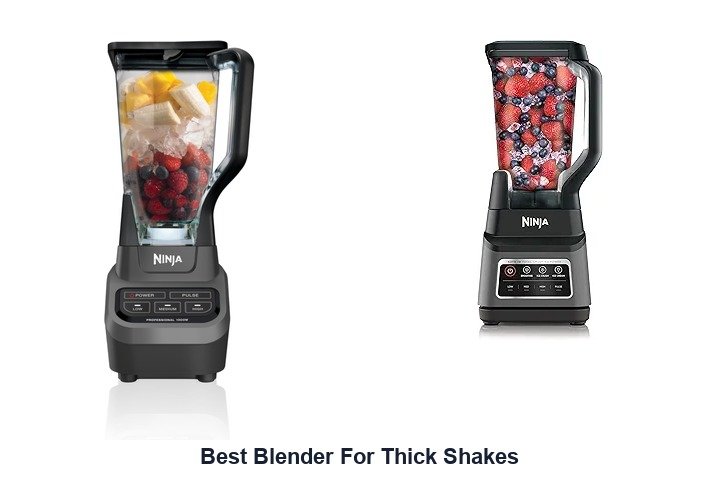
Top 3 Best Fireplace Heat Exchanger Picks Now
Best fireplace heat exchanger designs can transform how a wood-burning setup performs, turning lost warmth into usable indoor heat. As fireplace heat recovery technology improves, homeowners are paying closer attention to airflow patterns, steel construction, and exchanger design that can influence efficiency, safety, and comfort. The best fireplace heat exchanger options also vary in how they handle heat transfer, installation, and compatibility with different hearth systems.
Beyond basic warmth, a well-built unit can help reduce heat loss, improve circulation, and support more consistent room temperatures. With so many materials, tube layouts, and convection features to compare, the differences are more important than they first appear.
Understanding what separates a basic accessory from a high-performing model is where the real value begins, and the details ahead make that comparison far more revealing.
Detailed Reviews of the Best Fireplace Heat Exchanger
1. US Stove MH6-6 in Miracle Heat Reclaimer – Wood/Coal Stove

- Made to be quiet and dependable, our wood stove heat reclaimer is designed with a 100 CFM fan that manages and circulates heat to...
- Equipped with a heat recovery output, this wood burning stove connector functions to recover lost heat, providing more balance...
- Designed to minimize creosote and soot formation, our heat reclaimer ensures a cleaner and safer operation of conduction for the...
Best for: Quiet 6-inch stove connector.
A 100 CFM fan gives the US Stove MH6-6 a practical edge for moving recovered heat instead of letting it drift away. That airflow helps a connected wood or coal stove push warmer air through the room while the vented design keeps operation focused on heat circulation. For buyers who want a straightforward heat reclaimer for a smaller stove setup, the black plastic body keeps the unit simple and easy to place.
The 13 x 13 x 13-inch footprint keeps this reclaimer compact enough for tighter stove areas while still housing the fan and heat-recovery components. Its vented ventilation type supports air movement through the unit, which is what lets the 100 CFM fan actively circulate reclaimed heat rather than passively absorbing it. The black plastic construction keeps the housing light and uncomplicated, making it easier to position near the stove connection. Because it is made for wood and coal stove use, it suits buyers who need heat recovery in a basic, no-frills format that focuses on returning lost warmth to the living space instead of adding complexity.
Pros
- 100 CFM fan moves reclaimed heat through the room
- Vented design supports active heat circulation
- 13 x 13 x 13-inch size fits compact stove setups
- Works with both wood and coal stoves
Cons
- Plastic construction is less substantial than metal heat exchanger housings
For a simple fireplace heat exchanger style setup, this model focuses on moving warm air back into the room efficiently. It makes the most sense for buyers who want compact size and active airflow without extra complexity.
| Specification | Details |
|---|---|
| Brand | US Stove |
| Model | MH6-6 |
| Material | Plastic |
| Color | Black |
| Product Dimensions | 13″D x 13″W x 13″H |
| Ventilation Type | Vented |
| Fan Airflow | 100 CFM |
| Fuel Compatibility | Wood/Coal Stove |
I’d point people to this one if they want a compact heat reclaimer that keeps the focus on moving air, not on extra features. The 100 CFM fan and vented layout make it a sensible fit for a smaller stove install where the goal is to recover more usable heat from the chimney run.
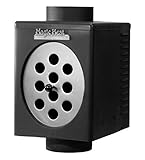
2. HY-C MH-6R Magic Heat Bottom Crimp Heat Reclaimer for Use
- Only UL listed heat reclaimer on the market. Reclaims up to 30% of otherwise lost heat going up your chimney and distributes it...
- Crimp down configuration is designed for use with wood burning heating applications with inside flue temperatures exceeding...
- Easy to install. Fits 6" flue diameter. Built in soot scraper cleans tubes internally allowing for maximum heat transfer.
Best for: High-output 6-inch flue pick.
Up to 30% of otherwise lost chimney heat is what the HY-C MH-6R is built to recover, and that number makes its purpose very clear. The crimp-down configuration fits a 6-inch flue diameter, so it targets wood-burning systems with the right pipe size. For homeowners who want a heat reclaimer that emphasizes measurable heat recovery and easy installation, the cylindrical forced-air layout keeps the design focused on performance.
This unit’s 14.25 x 10.63 x 18.25-inch dimensions and 26-pound weight give it a substantial physical presence that suits a fixed chimney install rather than a temporary add-on. The built-in soot scraper is an important practical feature because it cleans the tubes internally, helping maintain heat transfer as ash and soot build up over time. It is intended for inside flue temperatures above 350 degrees and single-wall pipe surface temperatures below 280 degrees, which helps buyers match it to the right stove conditions. The forced-air heating method supports active heat distribution into the home instead of simply capturing heat in place.
Pros
- Up to 30% heat recovery addresses chimney loss directly
- Fits 6-inch flue diameter for common wood stove piping
- Built-in soot scraper helps keep heat-transfer tubes cleaner
- Forced-air method distributes reclaimed heat into the home
Cons
- Requires specific temperature conditions, including flue heat above 350 degrees and pipe surface below 280 degrees
This is a strong choice when the buyer wants a heat exchanger with defined performance and the right 6-inch flue fit. It suits wood-burning setups where heat recovery and tube cleaning both matter.
| Specification | Details |
|---|---|
| Manufacturer | HY-C |
| Model | MH-6R |
| Product Dimensions | 14.25 x 10.63 x 18.25 inches |
| Item Weight | 26 pounds |
| Form Factor | Cylindrical |
| Heating Method | Forced Air |
| Flue Diameter | 6 inches |
| Configuration | Crimp down |
| Certification | UL listed |
I think this is the most specification-driven pick in the group, especially if you care about matching flue size and operating temperatures. The soot scraper and forced-air layout make it attractive for anyone who wants steadier heat transfer with less manual upkeep inside the tubes.
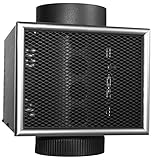
3. US Stove MH8 Miracle 8″ Heat Reclaimer , Black
- Designed to reclaim a portion of heat lost through the chimney and flue
- Ultra quiet blower and fully automatic operation
- Easy installation
Best for: Quiet 8-inch stove-pipe choice.
An integrated thermo disk gives the US Stove MH8 automatic control over when the fan starts working, which is a real convenience for fireplace heat recovery. Installed in a 12-inch section of 8-inch stove pipe, it is meant to sit 15 to 24 inches away from the stove for proper operation. Buyers who want a heat exchanger that responds on its own and keeps the fan quiet will appreciate that setup.
The 15 x 15 x 15-inch dimensions and 13.87-pound weight make this unit large enough for an 8-inch stove-pipe installation while still staying manageable during setup. Its fully sealed construction keeps flue gases isolated, which is a key safety-minded feature when a reclaimer sits in the exhaust path. The ultra quiet blower matters for everyday living spaces because it moves air without adding much noise. Once the thermo disk senses heat in the chimney, the fan activates automatically and helps reclaim an extra 10 percent of heat, giving the stove more usable output without constant manual adjustment. The included heat reclaimer component keeps the package straightforward.
Pros
- Integrated thermo disk automates fan operation
- Fully sealed from flue gases for safer separation
- Ultra quiet blower suits living spaces
- Fits a 12-inch section of 8-inch stove pipe
Cons
- Requires an 8-inch stove-pipe installation and a 15 to 24 inch placement range from the stove
For larger stove-pipe systems, this model keeps operation simple and low-noise. It is a practical fit for buyers who want automatic heat recovery in an 8-inch pipe setup.
| Specification | Details |
|---|---|
| Manufacturer | United States Stove Company |
| Model | MH8 |
| Product Dimensions | 15 x 15 x 15 inches |
| Item Weight | 13.87 pounds |
| Finish | Black |
| Included Components | Heat Reclaimer |
| Installation Distance | 15″ to 24″ away from stove |
| Stove Pipe Size | 8 inches |
I’d recommend this to someone who wants the least fuss in day-to-day use. The automatic start, quiet blower, and sealed design make it appealing for a room where noise and manual switching are both undesirable, as long as the 8-inch pipe setup matches the stove.
Quick Comparison Table of Top Fireplace Heat Exchangers
| Product Name | Material | Power | Size | Best For | Check Price |
|---|---|---|---|---|---|
| US Stove MH6-6 in Miracle Heat | Plastic | 100 CFM | 13 x 13 x 13 | Quiet heat recovery | Check Price |
| HY-C MH-6R Magic Heat Bottom Crimp | Cylindrical | Forced Air | 14.25 x 10.63 x 18.25 | UL-listed chimney use | Check Price |
| US Stove MH8 Miracle 8″ Heat | Black finish | Automatic | 15 x 15 x 15 | Easy stove installation | Check Price |
How to Choose the Best Fireplace Heat Exchanger
Heat transfer and efficiency
Choose the heat exchanger that matches your fire size and the room you actually need to warm. For a small room, a compact tube unit with a tight coil pattern and a broad contact area works best because it pulls more heat from the smoke path without overwhelming the space. For larger rooms, pick a chamber-style or multi-tube unit with longer airflow travel, more fins, and a higher visible surface area, since that moves more warmth into the room.
Weak picks have short contact paths and sparse tubing; strong picks pair dense heat-absorbing metal with open airflow. For most homeowners, the best choice is a multi-tube exchanger sized to the firebox output and the room square footage.
| Type | Best for |
|---|---|
| Compact tube exchanger | Small rooms and modest fireplaces |
| Multi-tube finned exchanger | Medium rooms and steady heat demand |
| Chamber-style exchanger | Large rooms and higher-output fireplaces |
Material quality and durability
Pick heavygauge steel or cast iron when durability matters, and check the finish as closely as the base metal. Heavy steel handles repeated heating cycles with less flex, while cast iron holds heat longer and suits users who want steady output. Good corrosion resistance shows up as a quality high-temp coating, clean welds, and protected edges; poor quality shows rust-prone bare spots, thin metal, and rough seams.
Look for thick tubing, uniform weld beads, and a rigid frame that does not twist when handled. For long service life, choose a heavygauge steel unit with a high-temperature coating, or cast iron for the most heat retention.
| Material | Best for |
|---|---|
| Heavygauge steel | Strong durability and faster heat response |
| Cast iron | Long heat retention and stable performance |
| Coated steel | Corrosion resistance in hot, humid conditions |
Fit, size, and installation
Measure the fireplace opening, the firebox depth, and the flue path before you choose a unit. The right exchanger fits within the opening without crowding the firebox, leaves safe clearance around hot surfaces, and matches the venting route without forcing sharp bends or awkward placement. Good options list exact width, height, and depth, plus clear installation requirements; poor options are vague about dimensions and depend on trimming or improvisation.
Choose a mounting style that matches your skill level: simple drop-in or bracket mounting for easier installs, and fixed or integrated mounting for a cleaner, more permanent setup. For most buyers, the best pick is the unit that fits the opening cleanly with standard clearances and straightforward mounting.
| Mounting style | Best for |
|---|---|
| Drop-in / bracket mount | Simple installation and easy removal |
| Fixed mount | Stable, long-term placement |
| Integrated flue connection | Compatible venting and cleaner airflow |
Safety and heat management
Choose a model that keeps temperatures controlled and stays firmly in place under repeated firing. Good safety features include clear operating-temperature limits, heat-resistant handles or contact points, and attachment hardware that locks the exchanger down without wobble. Avoid loose frames, thin hooks, and vague safety guidance, since those create shifting and uneven heat.
Compatibility matters just as much: the exchanger must match your fireplace type, venting layout, and any existing inserts or screens. For the safest setup, pick a securely mounted exchanger with defined temperature limits and hardware that fits your exact fireplace and venting configuration.
| Safety feature | Best for |
|---|---|
| Positive locking mounts | Stable placement during long burns |
| Heat-rated contact parts | Safer handling and lower wear |
| Clear compatibility specs | Proper fit with fireplace and venting |
Maintenance and everyday use
Choose a heat exchanger that you can clean quickly and inspect without disassembly headaches. Wide internal channels, removable panels, and smooth interior surfaces make ash removal easier and keep airflow steady over time. Good units give you access to soot-prone areas and have enough spacing between tubes or fins for a brush or vacuum nozzle; poor units trap debris in tight corners and choke airflow as they load up.
For everyday use, pick a design with accessible cleaning points, visible wear areas, and a direct airflow path that stays open after routine maintenance. The best choice for most users is a model with removable access sections and broad, easy-to-clean passages.
| Cleaning feature | Best for |
|---|---|
| Removable access panels | Fast inspection and upkeep |
| Wide interior passages | Easy ash removal and steady airflow |
| Smooth interior surfaces | Reduced soot buildup |
Which Should You Choose?
- If you want the quietest, hands-off option for a wood-burning stove, choose a fully automatic heat reclaimer with an ultra-quiet blower and a sealed design.
- If your chimney setup is a crimp-down wood stove pipe, choose a bottom-crimp heat reclaimer made specifically for that pipe connection.
- If your main goal is to capture more usable room heat from waste flue energy, choose a heat reclaimer rated to recover up to 30% of lost chimney heat.
- If you need stronger circulation to move heat farther into the home, choose a model with about a 100 CFM fan for more active heat distribution.
Quick Best Fireplace Heat Exchanger Buying Checklist
- Measure the fireplace opening carefully to confirm the heat exchanger will fit without blocking airflow or access.
- Choose durable metal construction such as heavy-gauge steel for better heat handling and longer service life.
- Check heat transfer design for features like tubes, fins, or chambers that improve warmth output.
- Review safety clearances to make sure surrounding materials stay within recommended temperature limits.
- Look for easy-clean access so soot, ash, and buildup can be removed without hassle.
- Match the unit to your heating needs by considering room size, fireplace output, and expected daily use.
How a Fireplace Heat Exchanger Captures and Moves Heat
A fireplace heat exchanger works by increasing the surface area that touches hot exhaust or firebox air, then transferring that heat into the room more efficiently. Instead of letting all the warmth rise straight up the flue, the exchanger forces hot gases or heated air to travel through tubes, fins, or chambers where more heat can be released. Some designs rely on natural convection, while others use a fan to push room air across hot surfaces.
This process can improve comfort without changing the fireplace itself. Performance depends on airflow, fire intensity, and how well the unit matches the fireplace opening and vent path.
A well-designed exchanger should move heat without restricting draft or creating excessive noise.
Common Fireplace Heat Exchanger Designs Compared
Fireplace heat exchangers are built in several forms, and each one handles heat transfer a little differently. Tube-style units are common because they provide a large hot surface area and fit many fireboxes. Blower-assisted models spread warmed air more quickly through a room, while passive units depend on rising heat and room circulation.
Some systems sit inside the firebox, and others mount around the opening or within the insert body. Material also matters: steel heats up quickly and is durable, while cast iron holds heat longer but can be heavier.
The right design depends on the fireplace layout, available clearance, and how much active airflow the room can support.
| Type | Best for | Key trait |
|---|---|---|
| Tube-style | General use | Large heat-transfer surface |
| Blower-assisted | Faster room warming | Moves air actively |
| Passive | Quiet operation | Uses natural convection |
| Insert-mounted | Retrofit installations | Integrated with the appliance |
Installation Factors That Affect Heat Output and Draft
Proper installation is critical because even a good exchanger can underperform if it blocks airflow or interferes with the chimney draft. The unit should fit the firebox dimensions with enough clearance from combustible materials and enough space for heat to circulate. A poor seal or a tight fit can create hot spots, reduce efficiency, or make the fireplace harder to light and maintain.
If the design includes a blower, the power cord, switch placement, and air intake path should all be planned before setup. In masonry fireplaces, compatibility with the flue opening and damper area is especially important.
For best results, installation should preserve safe venting while still capturing usable heat from the fire.
Maintenance Tasks That Keep the Exchanger Working Efficiently
Regular maintenance helps a fireplace heat exchanger keep moving heat efficiently and reduces wear over time. Soot and ash can coat surfaces, lowering heat transfer and restricting airflow, so periodic cleaning is important. Inspect tubes, joints, and welds for cracks, warping, or loose fasteners, especially after heavy winter use.
If the unit has a blower, clean the fan housing and check for dust buildup on intake vents. Also verify that movable parts still operate smoothly and that no debris is trapped around the exchanger.
A simple maintenance routine can extend service life and preserve consistent performance. Always let the fireplace cool fully before cleaning, and use tools that will not damage protective finishes or internal surfaces.
- Brush off soot and ash buildup
- Check for cracked or warped metal
- Clear blower vents and fan blades
- Confirm fasteners and brackets stay tight
- Inspect for airflow blockage around the unit
Safety Considerations for Everyday Use
Safety should stay central whenever a fireplace heat exchanger is operating. Because the device absorbs and redistributes high temperatures, exterior surfaces can become very hot and should not be touched during use or soon after shutdown. Keep furniture, rugs, and decor outside the manufacturer’s clearance zone, and never place items on or against the exchanger.
It is also important to watch the fire’s behavior after installation; if smoke backs up, the draft may be too restricted. Carbon monoxide alarms should be present in any home with a fuel-burning fireplace, and the chimney should be inspected regularly for creosote buildup.
A safe setup balances strong heat capture with unrestricted venting and stable combustion.
Frequently Asked Questions (FAQs)
What Does A Fireplace Heat Exchanger Do?
A fireplace heat exchanger captures wasted heat from the fire and moves it into the room, making the fireplace more efficient. It works by using metal surfaces, tubes, or chambers to absorb heat and transfer it through airflow before it escapes up the chimney.
How Do I Know Which Fireplace Heat Exchanger Size To Buy?
The right fireplace heat exchanger size depends on your fireplace opening, available clearance, and the room you want to heat. A properly sized unit should fit securely without blocking airflow, while still providing enough surface area to transfer useful warmth into the space.
Which Material Is Best For A Fireplace Heat Exchanger?
Steel is usually the best material for a fireplace heat exchanger because it handles repeated high heat well and offers strong durability. Thick, well-welded metal resists warping and helps the unit maintain efficient heat transfer over long-term use.
Do Fireplace Heat Exchangers Really Improve Heating Efficiency?
Yes, a fireplace heat exchanger can improve heating efficiency by reclaiming warmth that would otherwise leave through the chimney. The improvement is strongest when the unit has good surface area, steady airflow, and a fireplace that burns cleanly and consistently.
What Safety Features Should I Look For In A Fireplace Heat Exchanger?
A fireplace heat exchanger should have secure mounting, proper clearances, and a design that stays stable under intense heat. Look for smooth edges, solid welds, and a layout that avoids blocking airflow or placing excessive heat near surrounding materials.
Is Installation Of A Fireplace Heat Exchanger Difficult?
Installation of a fireplace heat exchanger can be straightforward or more involved depending on the model and fireplace setup. Units that use simple placement or clamp-style mounting are easier, while built-in designs may require careful measuring and attention to venting clearances.
How Do I Maintain A Fireplace Heat Exchanger?
A fireplace heat exchanger should be maintained by removing soot, checking for buildup, and inspecting joints for heat damage or loosening. Regular cleaning keeps airflow strong and helps the unit transfer heat efficiently without unnecessary smoke restriction or residue buildup.
Final Suggestions
Choosing the best fireplace heat exchanger can help you capture more warmth, improve comfort, and make better use of every fire. With the right mix of durable materials, proper sizing, and safe airflow design, this category adds real value to an existing fireplace. Use the features that matter most to your space, and you can heat smarter with confidence.