Top 7 Best Wood To Burn In Fireplace: Hot Picks
Best wood to burn in fireplace choices can transform how efficiently a room heats and how cleanly a fire performs. The best wood to burn in fireplace is not just about flame size; it also affects burn time, smoke output, creosote buildup, and overall airflow inside the firebox. Hardwood species, moisture content, density, and seasoning method all play a role in how a log behaves once ignited, making the difference between a quick blaze and a long, steady burn.
Understanding fireplace wood, firewood selection, and combustion characteristics helps narrow down options that match both comfort and maintenance needs. From split logs to kiln-dried firewood, the details matter more than most buyers realize.
The real challenge is separating reliable heat from wood that only looks ready to burn, and that is where the comparisons ahead become essential.
Detailed Overview of the Best Wood to Burn in Fireplace
1. Old Potters Kiln Dried Firewood, 8″ Logs, 1100 Cu. in,

- Versatile Cooking Wood: Suitable for parties, quiet evenings, or cooking for family and friends, this cooking wood enhances any...
- Convenient Dimensions: At 8 inches in length and 2-3 inches thick, this cooking wood lights easily and burns hot, delivering...
- OAK FLAVOR - Medium, balanced and versatile smoke. Best with beef, lamb and most other meats.
Best for: Smoky flavor for grill-side fires.
Eight-inch oak sticks give this firewood a size that fits grills, fire pits, and compact fireplaces without extra splitting. The 2 to 3 inch thickness helps each piece catch quickly while still burning hot enough for cooking or an evening fire, which makes it practical for buyers who want wood that is ready to use and easy to manage.
Old Potters uses oak wood in an 8 inch stick form, so the pieces are short enough for smaller fireboxes and outdoor cookers where longer logs get in the way. The 2 to 3 inch thickness gives each stick enough mass to hold a steady burn instead of flashing out too fast. A 1100 cubic inch pack provides a useful amount for gatherings, cooking sessions, or a few fires around the patio. At 7.35 kg, it is substantial enough to feel like a real supply without being awkward to move from storage to fire ring. The kiln-dried format also helps the wood light more easily and burn with a cleaner, wood-forward aroma.
Pros
- 8 inch length fits smaller fireplaces and cookers
- 2 to 3 inch thickness supports a hotter, steadier burn
- Oak wood adds a classic smoke profile for cooking
- 1100 cubic inch pack gives usable volume for multiple fires
Cons
- The 8 inch sticks are short, so they are less suitable for large fireplace grates that favor longer logs.
For buyers who want a cooking wood that lights easily and suits smaller fire setups, this oak pack makes sense. It is especially useful when smoke flavor matters as much as heat.
| Specification | Details |
|---|---|
| Brand | Old Potters |
| Material | Oak Wood |
| Flavor | Oak |
| Item Form | Stick |
| Length | 8 inches |
| Thickness | 2-3 inches |
| Item Weight | 7.35 kg |
| Volume | 1100 Cu. in |
I would pick this for anyone who wants firewood that leans toward cooking use instead of just decorative flames. The short oak sticks are practical for fire pits and smaller grills, and the kiln-dried format should make startup simpler. If you want a clean, woodsy smoke profile without dealing with oversized logs, this is an easy fit.
2. 15″ Apple & Cherry Firewood Logs with Fire Starters Set

- Premium Quality Firewood: Our kiln-dried firewood logs are perfect for any use, whether you need oak firewood, birch firewood, or...
- Versatile Wood for All Needs: Whether you're looking for firewood for fireplace, firewood for your indoor fireplace, or cooking...
- Perfect for Outdoor Use: Our firewood logs for fire pits and campfires are small enough to handle but large enough to keep your...
Best for: Mixed hardwood for versatile fire use.
Fifteen-inch logs give this bundle the reach most indoor fireplaces and outdoor fire pits need without constant trimming. Apple and cherry are included in the set, so buyers get wood types that are usually chosen for a pleasant aroma and a more distinctive burn than plain mixed lumber. That makes the bundle useful when the goal is a flexible firewood supply with some cooking potential.
Woodover packages the firewood as stick-form logs at 15 inches, a length that works well in many standard fireplaces and wood stoves. The set includes apple and cherry alongside the product’s mixed hardwood positioning, giving the user more than one smoke profile to work with depending on the fire. The bundle is sold as a single count with one pack, which keeps ordering simple for a first purchase or an occasional top-up. Because the logs are kiln-dried, they are meant to catch more predictably and support a cleaner burn in both indoor and outdoor setups. That combination suits someone who wants one box for several kinds of fires.
Pros
- 15 inch log length suits standard fireplaces and stoves
- Apple and cherry bring more aromatic burn options
- Kiln-dried logs are easier to light and use indoors
- Single-pack format is straightforward for smaller households
Cons
- The listing does not give a log count or pack volume, so buyers cannot judge the exact amount before ordering.
This bundle fits buyers who want adaptable firewood rather than one narrow wood type. It works especially well if the same stash needs to serve a fireplace, a fire pit, and occasional cooking.
| Specification | Details |
|---|---|
| Brand | Woodover |
| Item Form | Stick |
| Unit Count | 1 Count |
| Number of Packs | 1 |
| Length | 15 inches |
My take is that this is a practical all-around option for someone who uses firewood in more than one setting. The 15 inch format is the main appeal, since it should suit many fireplace openings and outdoor burners. If you like having apple and cherry in the mix for a more varied aroma, this is a sensible bundle to try.
3. TWS 10 Compressed Hardwood Fuel Blocks 10-Pack – 100% Natural

- Made from 100% kiln-dried hardwood sawdust with an ultra-low moisture content.
- No additives, binders, or toxins — pure compressed sawdust.
- Eco-friendly & carbon neutral positioning.
Best for: Low-ash blocks for clean heat.
Ten compressed hardwood blocks give this pack a uniform shape that stacks neatly and burns without bark or loose debris. The 100% kiln-dried hardwood sawdust construction matters for fireplace buyers because it creates a dense fuel source that can deliver steady heat with less mess around the hearth. That makes the pack especially useful for people who value clean storage and simple fire building.
Tim’s Wood Shop makes these as cube-form fuel blocks, so each piece is consistent in size and easy to arrange in a fireplace or fire pit. The 10-count pack provides a predictable supply that is simple to store and easy to ration over several fires. At 20 pounds total weight, the bundle has enough mass to suggest a long-lasting fuel source rather than a small sampling. The White Oak flavor points to a familiar hardwood burn profile, while the 100% natural, no-additives composition suits buyers who want a cleaner option. The minimal ash and creosote claim also matters for anyone who wants less cleanup after each burn.
Pros
- 10-block pack keeps storage neat and orderly
- Cube shape makes fire building simple and uniform
- 20 pound total weight offers substantial fuel in one pack
- Minimal ash and creosote helps reduce cleanup
Cons
- The cube shape is less like traditional split firewood, so it may not suit people who want a classic log look in the fireplace.
This is a smart choice for buyers who want dependable heat with less debris and easier stacking. It fits best in fireplaces, stoves, and fire pits where clean handling matters as much as burn performance.
| Specification | Details |
|---|---|
| Brand | Tim’s Wood Shop |
| Material | 100% kiln-dried hardwood sawdust |
| Flavor | White Oak |
| Item Weight | 20 pounds |
| Item Form | Cube |
| Unit Count | 10 Count |
I think these blocks make the most sense for someone who values tidy storage and a cleaner burn over traditional split logs. The compact cubes should be easy to arrange, and the low-moisture hardwood sawdust should help with efficient lighting. If your priority is less mess around the hearth, this pack is appealing.
4. WOODOVER 15″ Birch Firewood Logs with Fire Starters Set –

- Premium Quality Firewood: Our kiln-dried firewood logs are perfect for any use, whether you need oak firewood, birch firewood, or...
- Versatile Wood for All Needs: Whether you're looking for firewood for fireplace, firewood for your indoor fireplace, or cooking...
- Perfect for Outdoor Use: Our firewood logs for fire pits and campfires are small enough to handle but large enough to keep your...
Best for: Birch logs for mixed fire setups.
Birch firewood in 15 inch stick form gives this bundle a practical length for fireplaces, fire pits, and wood stoves. The kiln-dried construction is the key buying advantage here because it supports easier lighting and a more usable burn in common home fire setups. Buyers who want a straightforward birch option get a format that is simple to store and simple to place on the grate.
Woodover keeps this bundle focused on birch while still presenting it in a versatile 15 inch stick form. That length is helpful for standard indoor fireplaces because it reduces the need for extra cutting before use. The single-pack, one-count format makes it easy to buy just one supply run instead of committing to a larger multi-pack. At 6.91 kg, it is light enough to carry easily but still substantial enough for several fires. The kiln-dried wood is the main functional feature, since drier logs generally light more predictably and burn with fewer startup hassles. For buyers who prefer a familiar birch burn profile, that combination is practical.
Pros
- 15 inch length works in many standard fireplaces
- Birch wood offers a familiar, versatile burn profile
- Kiln-dried construction helps with easier lighting
- 6.91 kg weight is manageable for carrying and storage
Cons
- The product page does not list a log count, so the exact number of pieces in the bundle is unclear.
This bundle suits someone who wants birch firewood in a usable size for everyday fires. It is a sensible pick if you want a straightforward fireplace supply without extra sorting or trimming.
| Specification | Details |
|---|---|
| Brand | Woodover |
| Material | Wood |
| Item Weight | 6.91 kg |
| Item Form | Stick |
| Unit Count | 1 Count |
| Length | 15 inches |
I’d recommend this to a buyer who wants birch firewood that feels easy to handle and broadly useful. The 15 inch sticks should fit many fireplace setups, and the kiln-dried format should help with startup. If you want a simple one-pack buy for regular fires, this is a solid match.
5. Solo Stove Juniper Firewood | Kiln Dried Natural Wood, 6
- 100% NATURALLY SCENTED: The smell of our naturally scented fire wood is the perfect fit for the perfect flame
- AROMATIC FIREWOOD: This aromatic, naturally scented firewood is the perfect way to start your first fire in your new Solo Stove...
- KILN DRIED: Kiln dried, long burning, and sustainably sourced from the American Southwest, you'll experience the ease and...
Best for: Aromatic wood for smoky ambiance.
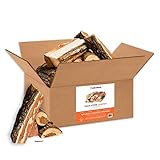
Natural wood with a juniper scent gives this firewood a clear difference for fireplace buyers who care about aroma as much as flame. The 3.43 kg weight keeps the bundle easy to move and store, while the stick form works well for a small fire pit or a first burn in a Solo Stove. That makes it useful for creating a fragrant, low-smoke fire in a compact setup.
Solo Stove lists this as kiln-dried natural wood, which supports easier ignition and more consistent burning than wetter fuel. The juniper character is the main appeal, because the scent changes the fire experience from plain heat to something more aromatic and distinctive. At 3.43 kg, the package is lighter than many larger firewood bundles, so it fits smaller storage spaces and occasional-use buyers. The stick form also matters because it is easier to arrange in compact fire pits and tabletop-style setups than large split logs. For anyone who wants a specialty wood that emphasizes smell and atmosphere, the product is very targeted.
Pros
- Juniper scent adds a distinct aromatic fire experience
- Kiln-dried wood supports easier startup
- 3.43 kg weight is easy to carry and store
- Stick form suits compact fire pits and small fires
Cons
- The smaller 3.43 kg bundle means it is not a good fit for buyers who need a large supply of firewood for frequent long burns.
This works best for smaller fire pit sessions where scent and atmosphere matter. It is a specialized choice, but a strong one for buyers who want a fragrant fire rather than a plain wood burn.
| Specification | Details |
|---|---|
| Brand | Solo Stove |
| Material | Wood |
| Flavor | Natural Wood |
| Item Weight | 3.43 kg |
| Item Form | Stick |
I would choose this for someone who wants a more aromatic fire experience and already uses a smaller pit. The juniper character sets it apart from basic firewood, and the lighter bundle is easier to handle. If you like compact fires with a noticeable natural scent, this is likely to please you.
6. Firewood Central Envi 8 Hardwood Fuel Blocks (6 Pack)

- Clean & Efficient Burning – Made from 100% kiln-dried hardwood sawdust with an ultra-low 8% moisture content, for long-lasting...
- Pure & Chemical-Free – Contains no additives, binders, or toxins - just dense, compressed hardwood sawdust that delivers clean...
- Eco-Friendly & Carbon Neutral – A sustainable and carbon-neutral alternative to traditional firewood and fossil fuels
Best for: Compact fuel blocks for efficient burning.
Six compressed fuel blocks give this pack a compact format that is easy to store beside a hearth or in a utility room. The 8% moisture content is the standout fact for fireplace buyers, because drier fuel tends to ignite more easily and burn more efficiently with less lingering smoke. That makes the blocks a practical choice for people who want cleaner heat from a small package.
Firewood Central makes these as block-form fuel pieces, and the 6-count package keeps the supply straightforward for occasional fires. The 4 pound total weight means the bundle is light enough to carry without strain, which is useful if your fireplace setup is on another floor or outside. The 100% kiln-dried hardwood sawdust and ultra-low 8% moisture content work together to support longer, hotter burns with less ash or creosote. Because the blocks contain no additives, binders, or toxins, the product is aimed at buyers who want a very simple fuel profile. The compressed form also avoids bark, bugs, and loose debris, which matters for indoor cleanliness.
Pros
- 8% moisture content supports efficient ignition
- 6-block pack is easy to store and ration
- 4 pound weight makes transport simple
- No additives or binders keeps the fuel profile clean
Cons
- With only 6 blocks in the pack, it is better for small-scale or occasional fires than for heavy regular use.
This is a good fit if you want efficient, low-mess heat from a compact bundle. It suits fireplaces and fire pits where clean handling and controlled use matter.
| Specification | Details |
|---|---|
| Brand | Firewood Central |
| Material | Wood |
| Item Weight | 4 pounds |
| Item Form | Block |
| Unit Count | 6 Count |
My view is that this is best for someone who wants clean-burning fuel and does not need a huge stack of logs. The low moisture and compressed format should make it appealing for neat storage and easier burning. If your priority is efficiency and low mess, this is a sensible pick.
7. Irish Turf/Peat

- Distinct aroma that is unique to the Irish Fireplace.
- .68 cubic Feet of Naturally dried Irish turf or Irish fire logs.
- burns hotter and longer than the same weight in wood.
Best for: Traditional peat for longer, hotter burns.
.68 cubic feet of naturally dried peat gives this product a distinct fuel profile that burns hotter and longer than the same weight in wood. The hand-harvested turf format is especially relevant for buyers who want a traditional Irish fireplace experience rather than standard firewood. That makes it a niche but meaningful choice for people seeking a slower, distinctive burn with a unique aroma.
Cappabane packages this as Irish turf or peat in stick form, and the .68 cubic foot box gives a defined volume for planning a fire session. The naturally dried, seasoned-for-at-least-one-year description points to fuel that has had time to lose moisture before use. The product also notes that it burns hotter and longer than the same weight in wood, which is the major outcome for fireplace use. Harvesting from Cappabane Mountain Bog in East Clare, Ireland adds a specific origin that matters to buyers looking for traditional turf. The 1175 count shown in the technical data indicates a very granular unit listing, but the practical buying takeaway is that this is a large peat supply rather than a standard wood bundle.
Pros
- Peat material offers a distinct traditional burn
- .68 cubic feet gives a clear supply amount
- Seasoned for at least one year for drier fuel
- Burns hotter and longer than the same weight in wood
Cons
- Peat is a specialty fuel, so it will not suit buyers looking for classic split logs or a standard wood fire smell.
This is the right choice for someone who specifically wants Irish turf in the hearth. It offers a longer, hotter burn and a very traditional fire experience.
| Specification | Details |
|---|---|
| Brand | Cappabane |
| Material | Peat |
| Flavor | Peat |
| Item Form | Stick |
| Unit Count | 1175 Count |
| Volume | .68 cubic Feet |
I’d recommend this to buyers who already know they like peat and want a traditional turf fire. The longer, hotter burn is the main reason to choose it over ordinary wood, and the hand-harvested origin adds authenticity. If you want something distinct from standard firewood, this will likely be satisfying.
Quick Comparison Table of Best Woods to Burn in Fireplace
| Product Name | Wood Type | Form | Burn Style | Best For | Check Price |
|---|---|---|---|---|---|
| Old Potters Kiln Dried Firewood, 8″ | Oak wood | 8″ logs | Hot burn | Cooking & gatherings | Check Price |
| 15″ Apple & Cherry Firewood Logs | Apple & cherry | 15″ logs | Kiln-dried | Fireplaces & stoves | Check Price |
| TWS 10 Compressed Hardwood Fuel Blocks | Hardwood sawdust | Cube blocks | Long burn | Open fireplaces | Check Price |
| WOODOVER 15″ Birch Firewood Logs with | Birch wood | 15″ logs | Kiln-dried | Indoor fireplaces | Check Price |
| Solo Stove Juniper Firewood | Kiln | Juniper wood | 6″ logs | Aromatic | Scented fire pits | Check Price |
| Firewood Central Envi 8 Hardwood Fuel | Hardwood sawdust | 8″ blocks | High-heat | Clean fireplace burns | Check Price |
| Irish Turf/Peat | Peat | Sods | Burns hotter | Traditional fireplaces | Check Price |
How to Choose the Best Wood to Burn in Fireplace?
Heat output and burn time
Choose dense hardwoods for the longest, hottest fires: oak, hickory, ash, maple, and beech deliver more heat per log and leave a strong bed of coals that keeps the fireplace going after the flame settles. Use larger splits, around 4 to 6 inches across, for overnight or all-evening burns; use smaller splits, around 2 to 3 inches, for quicker starts and shorter sessions. Softwoods such as pine and fir ignite fast but burn down fast, so they suit kindling and quick warmth, not long steady heat.
| Type | Best for |
|---|---|
| Oak, hickory, beech | Longest burn and strongest heat |
| Ash, maple | Balanced heat with easier lighting |
| Pine, fir | Fast starts and short fires |
Pick dense split hardwood in medium-to-large pieces when you want sustained fireplace heat; pick smaller dry splits when you want quick fires and easy control.
Moisture content and seasoning
Buy fully seasoned wood with a moisture content of 20% or less; that is the standard for clean ignition, steady flames, and lower smoke. The best signs are cracked log ends, bark that loosens or falls away, a lighter feel than fresh-cut wood, and a sharp hollow sound when two pieces are knocked together. Green wood feels heavy, looks damp at the split face, and hisses instead of catching cleanly.
For the cleanest burn, choose logs that have been split and stacked under cover with airflow for at least one drying season.
| Moisture level | Burn quality |
|---|---|
| 15% to 20% | Best for easy lighting and efficient heat |
| 20% to 25% | Acceptable, but less efficient |
| Above 25% | Wet, smoky, and hard to light |
Pick kiln-dried or well-seasoned split hardwood with a moisture meter reading at or under 20% for the cleanest, most reliable fireplace burn.
Smoke, soot, and creosote control
For lower soot and creosote, choose cleaner-burning hardwoods with low bark content and tight grain, especially ash, maple, beech, and oak. These woods give a steadier flame and less flaky residue than resin-heavy or barky pieces, which send more smoke up the flue and leave more buildup in the chimney. Logs with thick loose bark, dirt on the ends, or lots of punky soft sections create extra mess and shorten maintenance intervals.
Look for split wood with smooth faces, minimal loose bark, and uniform dryness so the fire burns hotter and cleaner.
| Wood type | Residue level |
|---|---|
| Ash, maple, beech | Low residue and cleaner chimney performance |
| Oak | Low residue with steady coal production |
| Bark-heavy softwoods | More smoke and more deposits |
Pick low-bark seasoned hardwood for the easiest maintenance and the least chimney cleanup.
Aroma, spark, and indoor comfort
Choose the wood by the atmosphere you want in the room: oak and maple give a calm, steady flame with mild aroma, cherry adds a pleasant sweet scent, hickory brings a stronger wood-fired smell, and pine throws more sparks and crackle. In an open fireplace, fewer sparks matter more, so favor tightly split hardwoods with clean grain over resinous wood that pops and spits. For a softer visual flame, use medium splits that burn evenly; for brighter, more active flames, use smaller splits and a light mix of softwood kindling at startup only.
| Wood type | Comfort profile |
|---|---|
| Oak, maple | Low spark, steady flame, mild aroma |
| Cherry | Gentle fragrance and attractive flame |
| Hickory | Stronger aroma and solid heat |
| Pine | High spark output, best for kindling |
Pick cherry for fragrance, oak or maple for quiet indoor comfort, and keep pine for starting the fire rather than the main burn.
Availability, storage, and value
Choose wood that is easy to source in your area, stacks neatly, and fits how you store fuel. Straight, split hardwood logs stack tightly and dry well indoors or under cover; irregular rounds and oversized chunks waste space and trap moisture. For seasonal buying, stock up before peak cold weather when local supply is strongest and drying time is already done.
Compare value by usable burn time, not by bundle count alone: dense seasoned hardwood delivers more heat per piece than light, fast-burning wood. Bagged firewood suits small storage spaces and occasional use; cordwood suits regular fireplace users who need a larger reserve.
| Format | Best for |
|---|---|
| Bagged firewood | Small households and limited storage |
| Half cord or full cord | Frequent use and better value per burn |
| Straight split logs | Easy stacking and faster drying |
Pick straight seasoned cordwood for regular fireplace use, and choose bagged split hardwood for light use and compact storage.
Which Should You Choose?
- If you want a classic, all-purpose fire for everyday fireplace use, choose kiln-dried hardwood logs around 15 inches long for easy stacking and steady heat.
- If you’re buying for cooking, parties, or smaller fires, choose shorter 8-inch logs that are versatile and simple to handle.
- If you want the cleanest, longest-lasting burn with minimal ash, choose compressed hardwood fuel blocks made from 100% natural kiln-dried sawdust.
- If you prefer a fragrant fire with a softer, aromatic feel, choose naturally scented firewood like juniper or fruitwood logs with fire starters.
Quick Best Wood To Burn In Fireplace Buying Checklist
- Choose seasoned hardwoods for stronger heat and longer-lasting coals.
- Check moisture content to avoid smoky, hard-to-light fires.
- Inspect for rot or mold before bringing wood indoors.
- Select split logs of similar size for more even burning.
- Prioritize low-soot wood to help keep the chimney cleaner.
- Store wood off the ground and covered so it stays dry and ready to burn.
Hardwoods and Softwoods: How They Burn Differently
Wood species affect burn time, heat output, smoke, and how often you need to tend the fire. Dense hardwoods such as oak, hickory, ash, and maple usually burn longer and hotter because they contain more mass in each log. Softer woods like pine, fir, and spruce ignite quickly and are useful for starting a fire, but they tend to burn faster and can leave more residue.
Resin content also matters: higher-resin woods can produce more popping and creosote if they are burned green or with poor airflow. For most fireplaces, a mix works well: use softer kindling to get the fire established, then switch to seasoned hardwoods for a steadier, cleaner burn.
| Type | Best for | Burn behavior |
|---|---|---|
| Oak | Long evening fires | Slow, steady heat |
| Maple | Balanced indoor burning | Reliable and moderate |
| Pine | Kindling and quick ignition | Fast, bright flame |
| Hickory | High heat output | Dense and long-lasting |
Why Seasoned Firewood Performs Better in a Fireplace
Seasoning is the process of drying split wood so it burns efficiently. Freshly cut wood can contain a large amount of water, which forces the fire to waste energy evaporating moisture instead of producing heat. Seasoned firewood is typically lighter, has visible cracks at the ends, and sounds hollow when two pieces are tapped together.
It also tends to ignite more easily and create less smoke. Dry wood is especially important in fireplaces because excess moisture can increase soot buildup and reduce draft.
Even a strong-burning species will perform poorly if it has not dried long enough. Storing wood off the ground and protected from rain helps maintain the dryness needed for a cleaner fire.
| Condition | Typical signs | Fire performance |
|---|---|---|
| Properly seasoned | Cracked ends, lighter weight | Easy to light, cleaner burn |
| Partially dried | Cool feel, some bark attached | More smoke, lower heat |
| Green wood | Heavy, damp surface | Hard to ignite, smolders |
The Role of Wood Density in Heat Output
Wood density strongly influences how much usable heat a fireplace can produce. Dense woods pack more fuel into the same volume, so they usually burn longer and deliver more sustained warmth. Less dense woods may seem to flame brightly at first, but they often disappear quickly and need more frequent refueling.
Density also affects coal formation: many hardwoods leave a bed of glowing coals that can help relight the fire and stabilize heat. This is one reason dense species are often preferred for overnight or extended burns.
When comparing woods, it helps to think beyond appearance alone. A heavy log of the same size generally offers more energy than a lighter one, even if both are fully seasoned.
| Wood density | Typical examples | Main advantage |
|---|---|---|
| High | Oak, hickory, beech | Long-lasting heat |
| Medium | Maple, birch, ash | Good balance of heat and ignition |
| Low | Pine, poplar, fir | Quick startup and easier lighting |
Fireplace Maintenance When Burning Different Woods
Different woods leave different amounts of ash, soot, and creosote, so fireplace care should match the fuel you use. Cleaner-burning seasoned hardwoods generally produce less buildup than wet or resinous wood, but any fireplace still needs regular inspection. Ash should be removed once it starts to block airflow, because too much ash can smother the coals and reduce draft.
The chimney should also be checked for creosote deposits, especially if you burn a lot of softwood or occasionally use less-than-dry logs. A good maintenance routine improves efficiency and lowers fire risk.
Keep the firebox clean, use a metal ash container, and schedule a professional chimney sweep if buildup becomes noticeable or if smoke starts to back up indoors.
- Empty excess ash before it reaches the grate or andirons.
- Watch for glossy, tar-like residue in the firebox or flue.
- Burn only dry wood to reduce soot and odor.
- Inspect the damper and chimney for airflow problems.
Woods to Avoid in a Fireplace
Not every type of wood is suitable for indoor burning. Pressure-treated lumber, painted boards, plywood, and other manufactured products can release toxic fumes when heated, so they should never go in a fireplace. Driftwood is also a poor choice because salt and contaminants can damage metal parts and create irritating smoke.
Even natural woods can be problematic if they are rotten, moldy, or heavily infested with insects. Very resinous wood can cause popping and extra soot if the fireplace is not designed for it, especially when the wood is not fully seasoned.
The safest approach is to burn clean, untreated, well-dried firewood that has been stored properly and shows no signs of chemical exposure or decay.
| Wood/material | Why to avoid it |
|---|---|
| Pressure-treated lumber | Releases harmful chemicals |
| Painted or stained wood | Produces toxic fumes |
| Plywood or particleboard | Contains glues and resins |
| Driftwood | Can contain salt and contaminants |
Frequently Asked Questions (FAQs)
What Is The Best Wood To Burn In A Fireplace?
The best wood to burn in a fireplace is seasoned hardwood because it delivers steady heat, longer burn times, and less smoke than softwoods. Oak, maple, and hickory are common choices since their dense structure creates hotter coals and a cleaner, more reliable fire.
Why Does Seasoned Wood Matter For Fireplace Fires?
Seasoned wood matters for fireplace fires because lower moisture content makes logs easier to light and helps them burn efficiently. Dry wood typically produces less smoke, less creosote, and more usable heat, while green wood can smolder and leave heavy residue in the chimney.
Which Woods Burn Hottest In A Fireplace?
The hottest-burning woods in a fireplace are dense hardwoods such as oak, hickory, and beech because they contain more energy per log. Their tight grain structure burns longer and produces strong coals, which helps maintain warmth well after the flame dies down.
Are Softwoods Good For Fireplace Use?
Softwoods can be useful in a fireplace for quick ignition, but they are not the best wood to burn in fireplace setups for long heat output. Pine and fir light easily and create fast flames, yet they burn faster and can produce more sparks and resinous residue.
How Do I Tell If Firewood Is Properly Seasoned?
Properly seasoned firewood is usually lighter, has cracks at the ends, and sounds hollow when two pieces are struck together. The bark may loosen, and the wood should feel dry rather than damp, which helps it ignite faster and burn with less smoke.
Which Wood Is Easiest To Maintain In A Fireplace?
The easiest wood to maintain in a fireplace is clean-burning seasoned hardwood because it creates fewer deposits and more stable heat. Ash, maple, and oak are popular options when you want predictable flames, manageable coals, and less frequent chimney cleanup.
How Should I Store Firewood For The Best Burn?
Firewood should be stored off the ground in a dry, ventilated stack to preserve the best burn quality. Cover the top from rain while leaving the sides open so air can circulate, which helps the wood stay seasoned and ready for cleaner fireplace use.
Final Suggestions
Choosing the best wood to burn in fireplace use comes down to dryness, density, and how cleanly the logs perform. Seasoned hardwoods give you stronger heat, longer-lasting coals, and less mess to manage. With the right wood stored properly, you can enjoy a warmer, cleaner, and more dependable fire every time.