What Is a Juicer
When you use a juicer, you’re tapping into a simple yet effective way to extract liquid from fruits and vegetables.
This juicer appliance breaks down cell walls to separate juice from pulp, offering a fresh, nutrient-rich drink.
But juicers vary widely in how they work and what they deliver, affecting both flavor and nutrition.
Understanding these differences can help you choose the right one and get the most from your produce.
Key Takeaways
- A juicer is a kitchen appliance that extracts liquid juice from fruits and vegetables by breaking down their cell walls.
- It operates by feeding produce into a chute where blades or pressing mechanisms separate juice from pulp.
- Juicers evolved from manual devices to electric models with motors for faster and easier juice extraction.
- Different types include centrifugal, masticating, and triturating juicers, each varying in speed, nutrient retention, and yield.
- The result is fresh juice ready for immediate consumption or refrigeration to preserve vitamins and enzymes.
What Is a Juicer and How Does It Work
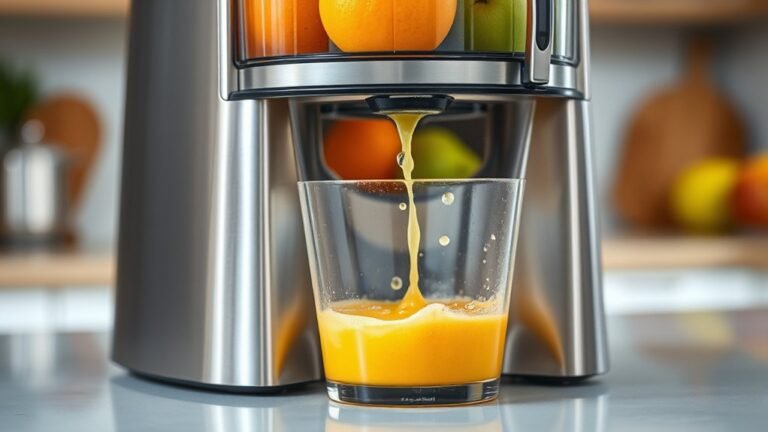
How exactly does a juicer work to transform fruits and vegetables into liquid form? You feed produce into the juicer’s chute, where a sharp blade or pressing mechanism breaks down the cell walls, extracting juice while separating pulp.
Juicer history shows early manual devices evolved into electric models with powerful motors, making the process faster and easier. When you turn one on, you’ll notice motor noise, which varies depending on the juicer’s design and power.
This noise comes from the motor driving the internal parts that crush or spin the fruits and vegetables. Understanding this helps you anticipate how the juicer operates, combining mechanical force and motor-driven speed to efficiently produce fresh juice from your favorite ingredients.
Different Types of Juicers Explained
Why choose one type of juicer over another? It depends on your needs and the produce you prefer. Centrifugal juicers work fast and are great for hard fruits and veggies but may introduce heat, affecting nutrient retention.
Masticating juicers operate slowly, preserving enzymes and yielding higher-quality juice, ideal if you prioritize nutrition. Triturating juicers use dual gears to extract maximum juice but tend to be pricier.
Don’t fall for common juicer myths, like assuming all juicers produce the same quality or that juice can be stored indefinitely without losing nutrients. In reality, juice storage matters. Fresh juice should be consumed quickly or refrigerated to maintain its benefits.
Understanding these differences helps you pick the best juicer tailored to your lifestyle and juice preferences.
Benefits of Using a Juicer at Home
Choosing the right juicer can considerably impact your daily nutrition and convenience. Using a juicer at home lets you control exactly what goes into your juice, ensuring freshness and quality.
It debunks common juicer myths, like the idea that juicing removes all fiber or nutrients; in fact, many juicers preserve essential vitamins and enzymes. You’ll also enjoy improved juice safety since you reduce exposure to preservatives and contaminants found in store-bought options.
Juicing encourages you to consume more fruits and vegetables conveniently, supporting a balanced diet. Plus, making juice at home saves money long-term and reduces waste by using leftovers creatively.
What Fruits and Vegetables Work Best in a Juicer
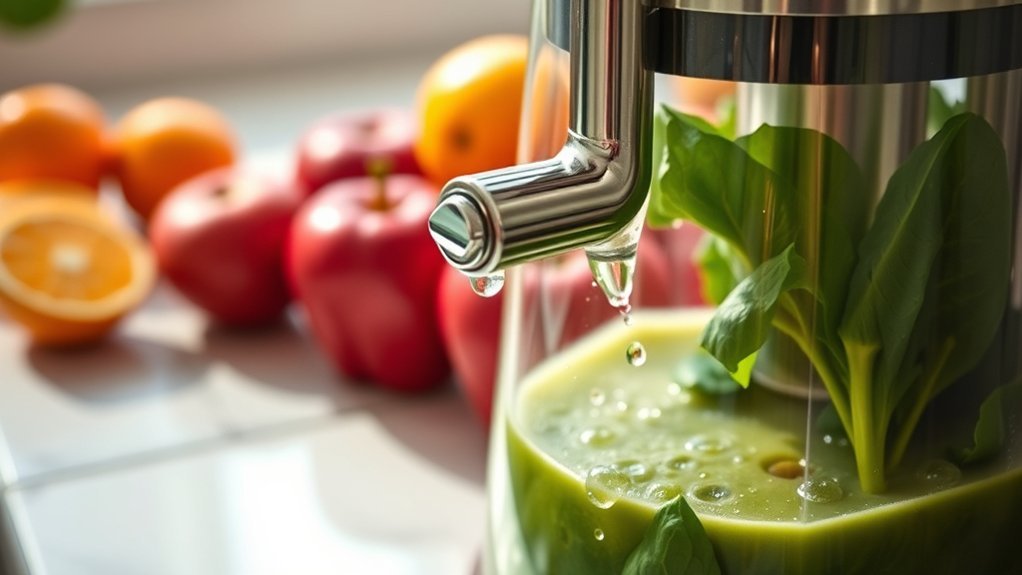
You’ll get the best results by using fruits like apples, oranges, and pineapples, which are high in juice content and offer great flavor. For vegetables, leafy greens such as spinach and kale, along with cucumbers and carrots, work well because they release plenty of juice and nutrients.
Choosing the right produce guarantees your juicer operates efficiently and delivers fresh, tasty juice every time.
Best Juicing Fruits
Although many fruits and vegetables can be juiced, some work better than others due to their water content, texture, and nutrient density. When selecting fruits for your juicer, focus on those with high moisture levels like watermelon, pineapple, and cucumbers to yield more juice.
Citrus options such as oranges, lemons, and grapefruits add vibrant flavor and a boost of vitamin C, making them a staple in fruit blends. Apples and pears offer a mild sweetness and help balance tartness, while berries contribute antioxidants despite their lower juice yield.
To maximize both taste and nutrition, combine different fruits in your blends, paying attention to texture and flavor harmony. This approach ensures you get refreshing, nutrient-packed juice every time.
Ideal Vegetables Choices
Many vegetables offer excellent juicing potential due to their high water content and nutrient profiles. When choosing ideal vegetables for your juicer, focus on leafy greens like spinach and kale, which provide essential vitamins and minerals.
Cucumbers and celery are also great options, thanks to their hydrating properties and mild flavors. To keep your juicing routine affordable, prioritize seasonal produce, which tends to be fresher and less expensive.
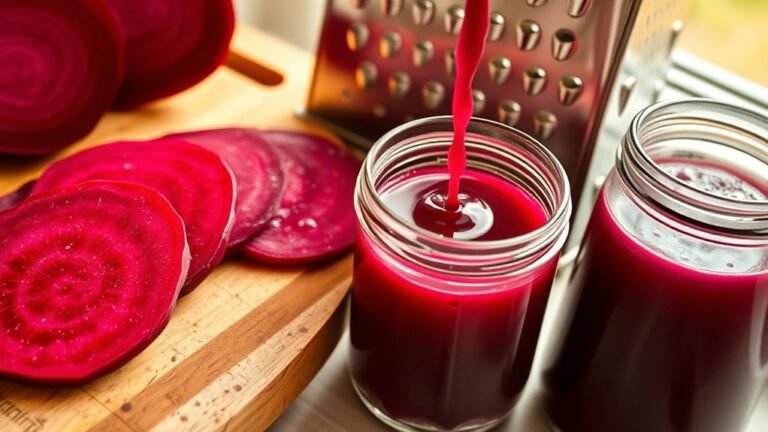
Shopping at local farmers’ markets or during peak harvest times can help you save money without sacrificing quality. Root vegetables like carrots and beets add natural sweetness and antioxidants to your juices.
How Juicers Keep Your Juice Nutritious and Tasty
How do juicers manage to preserve the nutrients and flavor in your juice? Juicers minimize oxidation by quickly extracting juice, which helps retain vitamins, antioxidants, and enzymes. They also reduce heat exposure, preserving delicate compounds and healthy fats essential for nutrient absorption.
Additionally, juicers allow you to add natural flavor boosters like herbs or citrus, enhancing taste without compromising nutrition.
| Feature | Benefit | Example |
|---|---|---|
| Cold-Press Technology | Retains enzymes & vitamins | Keeps healthy fats intact |
| Quick Extraction | Limits nutrient loss | Preserves antioxidants |
| Flavor Boosters | Enhances taste naturally | Adds herbs or citrus |
Choosing the Best Juicer for Your Lifestyle and Needs
To choose the best juicer for your lifestyle, you’ll need to understand the main types available, like centrifugal, masticating, and triturating juicers. Consider factors such as how often you’ll use it, what types of produce you prefer, and how much counter space you have.
Matching these details to the right juicer will help you get the most nutrition and convenience from your device.
Juicer Types Overview
Which juicer suits your lifestyle best depends on your daily habits and nutritional goals. Different juicer types offer varying benefits, including ease of use, juice yield, and motor noise levels. Understanding these differences helps you pick the right one.
| Juicer Type | Motor Noise Level | Best For |
|---|---|---|
| Centrifugal | High | Quick juicing, hard vegetables |
| Masticating | Low | Nutrient-rich juice, leafy greens |
| Triturating | Low | Maximum yield, complex recipes |
Centrifugal juicers operate fast but can be noisy. Masticating and triturating juicers work slower with less motor noise, preserving nutrients better. Your choice depends on how much noise you tolerate and the types of produce you prefer juicing.
Lifestyle Compatibility Factors
When deciding on the best juicer for your lifestyle, consider how often you plan to use it and what types of produce you typically juice. If you want quick, daily use, a centrifugal juicer might fit your daily routine with its speed and ease.
For a lifestyle fit that values nutrient retention and versatility, a masticating juicer is ideal, though it requires more time. Also, think about cleanup and storage. If you have limited time, a model with fewer parts suits you better.
Your space and noise tolerance impact your choice too. By aligning your juicer with these lifestyle compatibility factors, you ensure it complements your habits, making juicing a sustainable, enjoyable part of your daily routine.
Common Juicer Mistakes to Avoid
How can you get the most from your juicer without wasting time or ingredients? Avoiding common mistakes helps maximize efficiency and reduce waste. For instance, don’t overload your juicer with tough produce all at once. Feed ingredients gradually.
Also, remember to compost scraps instead of discarding them; this supports sustainability. Finally, avoid trying to juice items that work better brewed, like coffee beans.
| Mistake | Solution |
|---|---|
| Overloading | Feed ingredients gradually |
| Discarding scraps | Compost scraps for reuse |
| Juicing unsuitable items | Brew coffee instead of juicing |
Easy Tips for Cleaning and Maintaining Your Juicer
You’ll want to clean your juicer right after each use to prevent residue buildup and keep it working smoothly.
Regular deep cleaning, like soaking parts in warm soapy water, helps remove stubborn pulp and bacteria.
Storing your juicer properly, in a dry and ventilated space, also extends its lifespan and maintains hygiene.
Daily Cleaning Routine
Why does a daily cleaning routine matter for your juicer? Regular daily maintenance prevents residue buildup, ensuring your appliance ergonomics stay optimal. This prolongs its lifespan and maintains juice quality. Cleaning right after use stops pulp from drying, making cleanup easier and faster.
Here’s a simple daily cleaning routine:
| Step | Action |
|---|---|
| 1. Disassemble | Take apart removable components |
| 2. Rinse | Rinse parts under warm water |
| 3. Scrub | Use a soft brush on mesh filters |
| 4. Dry and Reassemble | Air-dry parts and reassemble |
Deep Cleaning Techniques
While daily cleaning keeps your juicer functioning smoothly, periodic deep cleaning tackles buildup that regular rinsing can’t remove. Deep cleaning is essential during your maintenance cycles to ensure longevity and optimal performance.
Here are easy tips to help you with deep cleaning techniques:
- Disassemble all removable parts and soak them in warm, soapy water for 15-20 minutes.
- Use a soft brush or toothbrush to scrub away pulp and residue from hard-to-reach areas.
- Rinse thoroughly under running water to remove soap and loosened debris.
- Wipe the motor base with a damp cloth, avoiding water inside the electrical components.
- Allow all parts to air dry completely before reassembling to prevent mold and odors.
Following these steps regularly ensures your juicer stays hygienic and efficient.
Proper Storage Tips
How should you store your juicer to maintain its performance and hygiene? Start by thoroughly drying all parts after cleaning to prevent mold and bacterial growth. Use airtight containers or sealable bags for detachable components to avoid dust and contamination.
Store your juicer in a cool, dry place away from direct sunlight to preserve plastic and metal integrity. Keep an eye on expiration concerns, especially if your juicer has rubber seals or filters that can degrade over time.
Regularly check these parts and replace them as needed to ensure peak function. Following these storage tips not only prolongs your juicer’s lifespan but also ensures safe, fresh juice every time you use it. Proper storage is just as essential as cleaning for maintaining your juicer’s efficiency.
How to Get the Most Out of Your Juicer Every Day
When can you best maximize your juicer’s potential each day? The answer lies in consistent, mindful use paired with good juicing etiquette. To get the most out of your juicer, consider these evidence-based tips:
Plan your topic ideas for juicing recipes beforehand to keep variety and nutrition balanced. Clean your juicer immediately after each use to maintain efficiency and flavor. Use fresh, seasonal produce to enhance nutrient content and taste.
Alternate between soft and hard fruits and vegetables to prevent clogging. Store leftover juice properly, but consume it quickly to retain maximum nutrients.
Final Tips for Juicing Success at Home
Where should you focus your attention to guarantee juicing remains a rewarding and healthful habit? Start by prioritizing cleanliness; regularly cleaning your juicer prevents buildup that can reduce juice yield and alter flavor.
Prioritize cleanliness by regularly cleaning your juicer to maintain juice quality and maximize yield.
Pay attention to motor noise. Unusual sounds may signal that the machine is overloaded or needs maintenance, ensuring longevity and consistent performance.
Use fresh, firm produce to maximize juice yield and nutrient content. Experiment with combinations for variety but avoid overloading the juicer to prevent motor strain.
Store juice properly in airtight containers and consume it quickly to retain freshness and nutritional value. By following these practical steps, you’ll maintain your juicer’s efficiency and enjoy nutrient-rich juices that support your health goals over the long term.
Frequently Asked Questions
Can Juicers Be Used to Make Nut Milk or Smoothies?
You can use some juicers to make nut milk, but they might struggle with smoothie consistency. For better results, a blender handles nut milk and smoothies more effectively, ensuring smooth, creamy textures without leftover pulp.
Are Juicers Safe for Children to Use?
Juicers can be safe for children if you ensure safe handling and provide close child supervision. Teach them proper use, keep fingers clear of blades, and always unplug the device before cleaning or adjusting parts to prevent accidents.
How Long Can Fresh Juice Be Stored Safely?
Like a delicate flower, fresh juice shelf life lasts about 24-48 hours when refrigerated below 40°F. You’ll want to store it cold to keep nutrients intact and avoid spoilage, following proper storage temperature guidelines.
Do Juicers Consume a Lot of Electricity?
You won’t use much electricity with a juicer since its motor efficiency is generally high. Most models consume low electricity usage, making them energy-efficient and cost-effective for regular juicing without notably impacting your power bill.
Can Juicers Help With Weight Loss?
You know what they say, “You are what you eat.” Using different juicer types, you can support weight loss by consuming nutrient-rich juices that reduce cravings and boost metabolism.
But remember, juicing complements a balanced diet and exercise.
Conclusion
By choosing the right juicer and caring for it consistently, you can create crisp, clean, and nutrient-rich concoctions daily. Avoid common errors, embrace easy upkeep, and experiment with diverse fruits and vegetables to maximize your juice’s freshness and flavor.
Staying savvy with your juicing strategy ensures sustained satisfaction and superb health benefits. Start simple, stay steady, and savor the sweet success of homemade juices that boost your body and brighten your day.
With the perfect juicer, your journey to vibrant health and delicious drinks becomes effortless and enjoyable.