Top 5 Best Blender For Pulses: Must-Read Picks
The best blender for pulses can transform how quickly and evenly legumes are processed in the kitchen. From dry grinding to thick paste making, this category depends on motor torque, blade geometry, and durable jar materials that can handle dense ingredients without overheating. A good pulse grinder also needs stable speed control, efficient ventilation, and a design that reduces sticking and uneven texture.
In this guide, we explore the best blender for pulses alongside pulse blender options and blender for legumes models, highlighting features that matter for everyday use, from consistency and noise control to build quality and grinding efficiency. The differences can be subtle, but they determine whether a machine struggles or performs with confidence, so keep reading to see which designs stand out.
In-depth Reviews of the Best Blender for Pulses
1. nutribullet Pro+ Personal Blender, Pulse, 1200W, Matte Black, N12-1001MK

- Maximize your food’s nutritional potential with the nutribullet Pro+ edition. This exclusive nutribullet model adds more...
- 100% MORE POWER: 1200 watts of power, double the original nutribullet, means better nutrient extraction while taking up the same...
- PULSE FUNCTION: Provides the right consistency for chunky textures like salsas & hands-free 60 second blend time.

Best for: Single-serve pulse blending.
1200 watts of power gives the nutribullet Pro+ enough muscle to break down tougher pulse ingredients while keeping a compact 5.26 x 4.8-inch footprint on the counter. That combination suits small-batch chutneys, coarse salsas, and quick lentil purees when you want control over texture without taking up much space.
A 32-fluid-ounce cup keeps portions practical for everyday pulse prep, from one-dish soups to a few servings of dip. The pulse function adds the short bursts needed for chunky textures, which matters when you want dal with body instead of a fully smooth finish. Dishwasher-safe parts make cleanup easier after sticky legume blends, and the 14.4-inch height fits a normal cabinet run without a complicated setup. Matte Black styling also keeps the unit visually quiet on the counter, so it works well in kitchens where the blender stays out full-time for frequent use.
Pros
- 1200-watt motor handles dense pulse ingredients with more force
- 32-fluid-ounce capacity suits small to medium batches
- Pulse function helps keep lentils and beans from turning completely smooth
- Dishwasher-safe parts simplify cleanup after thick blends
Cons
- The 32-fluid-ounce cup is not ideal for large family batches of pulse soup or hummus.
For cooks who make smaller batches of pulse-based sauces, spreads, and soups, this nutribullet keeps texture control simple. It is a practical pick when countertop space matters as much as blend power.
| Specification | Details |
|---|---|
| Brand | NutriBullet |
| Color | Matte Black |
| Capacity | 32 fluid ounces |
| Product Dimensions | 5.26″D x 4.8″W x 14.4″H |
| Special Feature | Dishwasher Safe |
| Power | 1200 watts |
I would point pulse-focused buyers toward this model when they want a compact blender that still has enough power for tougher ingredients. It makes the most sense for smaller households, meal-prep cooks, and anyone blending chunky sauces or bean-based mixes in short bursts. The pulse function and dishwasher-safe parts give it a very practical edge for repeat use.
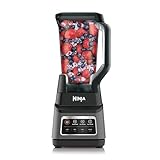
2. Ninja Professional Plus Blender, Auto-iQ, 1400W, 72oz Pitcher, BN701
- INCREASED MOTOR POWER: The Ninja Professional Plus features a new modern design and a more powerful motor than Ninja's original...
- POWERFUL ICE CRUSHING: Total Crushing blades give you perfectly crushed ice for smoothies and frozen drinks with peak professional...
- POWERFUL ICE CRUSHING: Total Crushing blades give you perfectly crushed ice for smoothies and frozen drinks with peak professional...
Best for: Large-batch pulse prep.
A 72-fluid-ounce pitcher gives the Ninja Professional Plus the space to handle bigger pulse recipes in one go, from bean soups to large servings of hummus. The 1400W motor adds the force needed for dense ingredients, so you can process tougher batches without stopping to divide everything up.
Three Auto-iQ presets bring timed pulsing, blending, and pausing patterns to pulse work that usually needs attention at the controls. The Total Crushing blades are useful when frozen ingredients or fibrous legumes need extra agitation before they turn silky. Dishwasher-safe parts make cleanup easier after thick mixtures, and the 6.75 x 9-inch footprint keeps the pitcher base manageable for a full-size blender. At 17.5 inches tall, it is better suited to open counter space than to a low cabinet shelf, which matters if you plan to leave it assembled for frequent use.
Pros
- 1400-watt motor supports dense pulse ingredients and larger batches
- 72-fluid-ounce pitcher fits family-size recipes
- Auto-iQ presets add timed pulsing for more consistent texture control
- Dishwasher-safe components reduce cleanup work after thick blends
Cons
- The 17.5-inch height can be awkward for storage under shorter upper cabinets.
This Ninja works well for households that make pulse recipes in bigger batches and want preset control instead of constant manual pulsing. It is especially useful for cooks who blend often and prefer one pitcher for soups, dips, and frozen mixtures.
| Specification | Details |
|---|---|
| Brand | Ninja |
| Color | Grey |
| Capacity | 72 fluid ounces |
| Product Dimensions | 6.75″D x 9″W x 17.5″H |
| Special Feature | Dishwasher Safe, Multiple Speeds, Pre-Programmed, Pulse Technology |
| Power | 1400W |
I think this is the strongest pick for buyers who regularly make larger pulse-based batches and want fewer pauses during prep. The combination of a 72-ounce pitcher and Auto-iQ presets helps keep texture more consistent when beans, lentils, or chickpeas need controlled pulsing. It suits busy kitchens where size and speed matter more than compact storage.
3. nutribullet® Full-Size Blender Combo, 1200W, Dark Gray, NBF50500

- nutribullet Blender Combo will take your nutrition extraction to the next level with the versatility of both a multi-serving...
- Three precision speeds, a pulse function and the Extract program offer full control at the press of a button. 1200 Watts of power...
- Includes: (1) 1200 Watt Motor Base, (1) 64 oz (1.8L) Blender Pitcher with Lid and Vented Lid Cap, (1) Tamper, (1) 32 oz (900ml...
Best for: Versatile pulse and puree combo.
A 64-fluid-ounce pitcher plus a 32-ounce cup gives the nutribullet Full-Size Blender Combo two useful formats for pulse work, from small spice pastes to larger lentil purees. The 1200W motor provides enough strength to process dense ingredients while letting you choose the right vessel for the batch size.
Three precision speeds, a pulse function, and the Extract program give you more control than a single-button blender when pulse recipes need a specific texture. The 64-ounce pitcher is a practical size for family-style soups and blended bean dishes, while the included 32-ounce cup is better for quick sauces or a single serving. A tamper helps move thicker mixtures toward the blades when pulses stall, which is useful with chickpeas or thicker nut-based blends. Dishwasher-safe parts simplify cleanup after sticky ingredients, and the 7.75 x 8.07-inch base keeps the footprint relatively contained for a full-size machine.
Pros
- 1200-watt motor handles dense pulse ingredients with steady power
- 64-ounce pitcher supports larger family batches
- 32-ounce cup adds flexibility for smaller pulse recipes
- Tamper and pulse function help with thick, sticky mixtures
Cons
- The full-size pitcher still takes more counter and cabinet space than a compact personal blender.
For buyers who want one blender for both single portions and bigger pulse recipes, this combo gives the most flexibility in the group. It is a smart fit if you switch between chunky sauces, smooth soups, and thicker legume blends.
| Specification | Details |
|---|---|
| Brand | NutriBullet |
| Color | Gray |
| Capacity | 64 fluid ounces |
| Product Dimensions | 7.75″D x 8.07″W x 16.97″H |
| Special Feature | Dishwasher Safe |
| Power | 1200W |
I like this option for people who want one blender to cover both small and large pulse jobs without changing brands or setups. The included cup and pitcher make it easier to match the container to the recipe, which matters when some pulses need a coarse finish and others need a smoother puree. It is a practical middle ground for flexible home cooking.
4. Ninja Professional Blender 2.0, 1200W, Auto-iQ, 72oz Pitcher, BR201AMZ

- POWERFUL 1200W MOTOR: 1200-watt motor base is made for powering through the toughest ingredients for smoothies, shakes, frozen...
- AUTO-IQ INTELLIGENT TECHNOLOGY: Auto-iQ technology with a Crush preset program combines unique timed pulsing, blending, and...
- XL FAMILY-SIZE PITCHER: 72-oz.* full-size pitcher is great for making large batches for the whole family, with 64-oz. max liquid...
Best for: Preset blending for families.
A 72-ounce pitcher and a 1200W motor make the Ninja Professional Blender 2.0 a practical choice for larger pulse batches that need repeated blending power. The combo of size and wattage helps it handle family-scale soups, chunky bean dips, and frozen mixtures without forcing you to work in small rounds.
Auto-iQ technology adds a Crush preset with timed pulsing, blending, and pausing patterns, which takes some guesswork out of pulses that need stop-start control. The 64-ounce max liquid capacity gives a clearer fill line for everyday batch planning, and the full-size pitcher keeps enough room for ingredients to move before they settle. Dishwasher-safe parts make cleanup simpler after thick recipes, and the 7.76 x 8.15-inch footprint is still reasonable for a large blender. At 17.44 inches tall, it is better suited to an open counter or appliance garage than a tight shelf, especially if you use it often.
Pros
- 1200-watt motor handles tough pulse ingredients and frozen mixes
- 72-ounce pitcher supports large family batches
- Auto-iQ Crush preset adds convenient pulsing patterns
- Max liquid capacity marking helps with batch sizing
Cons
- The tall 17.44-inch profile can limit storage options in compact kitchens.
This model makes sense for families that need big-batch pulse blending with less manual control. It is especially helpful if you want preset pulsing for soups, dips, and frozen drinks in one large pitcher.
| Specification | Details |
|---|---|
| Brand | Ninja |
| Color | Black |
| Capacity | 72 fluid ounces |
| Product Dimensions | 7.76″D x 8.15″W x 17.44″H |
| Special Feature | Dishwasher Safe |
| Power | 1200W |
My take is that this blender works best for buyers who value preset convenience and a large pitcher more than compact storage. The 72-ounce size and Crush program make it a strong fit for households that blend pulses in larger amounts and want a more repeatable result. It feels most useful for meal prep and family cooking rather than quick single servings.
5. OLIXIS Professional Kitchen Blender, 850 Peak Watts Full-Size Multi Function

- Powerful Motor System: This OLIXIS blender adopts an 850W peak pure copper motor and six anti-rust blades running at 22000 RPM It...
- Flexible Speed Settings: Comes with four selectable modes low medium high and pulse to help you precisely adjust blending textures...
- Large Capacity & Stable Placement: Equipped with a 54-oz jar to prepare enough drinks for the whole family at one time Non slip...
Best for: Compact high-speed pulse blend.
An 850W peak motor paired with six anti-rust blades gives the OLIXIS blender a direct path for breaking down frozen fruit, ice, and thicker pulse mixtures. The 22,000 RPM speed matters when you want a finer finish for quick sauces or smoother legume blends in a full-size machine.
Four selectable modes, including pulse, low, medium, and high, give you control over whether pulses stay coarse or move toward a smoother texture. The six-blade setup helps ingredients circulate through the jar more aggressively, which is useful when chickpeas or beans need repeated cutting. A 3.4-pound capacity keeps the machine in a manageable range for home use, and the 9.69 x 15.91-inch footprint shows it is sized more like a full countertop blender than a tiny personal cup. Adjustable speed control is the key feature here for cooks who want to fine-tune texture instead of relying on a single preset.
Pros
- 850W peak motor with 22,000 RPM supports fast blending
- Six anti-rust blades help process thicker pulse ingredients
- Four modes, including pulse, give texture control
- Adjustable speed control helps manage coarse or smoother results
Cons
- The 3.4-pound capacity is smaller than the largest family pitchers, so bigger pulse batches may need splitting.
This OLIXIS unit fits buyers who want speed control and pulse mode in a more compact full-size blender. It works well for everyday sauces, smoothies, and smaller pulse batches where texture control matters more than pitcher size.
| Specification | Details |
|---|---|
| Brand | OLIXIS |
| Color | New Black |
| Special Feature | Adjustable Speed Control |
| Capacity | 3.4 pounds |
| Product Dimensions | 9.69″D x 15.91″W x 8.07″H |
| Power | 850W peak |
| Blade Count | 6 |
I’d recommend this to someone who wants pulse control without moving up to a very large blender footprint. The four modes and 22,000 RPM speed are useful when a recipe needs quick bursts rather than long processing. It seems most appealing for smaller households or cooks who make modest batches and care about texture adjustment.
Quick Comparison Table of Best Blenders for Pulses
| Product Name | Power | Capacity | Special Feature | Best For | Check Price |
|---|---|---|---|---|---|
| nutribullet Pro+ Personal Blender, Pulse, 1200W | 1200W | 32 oz | Dishwasher safe | Single-serve pulses | Check Price |
| Ninja Professional Plus Blender, Auto-iQ, 1400W | 1400W | 72 oz | Pulse technology | Large-batch pulses | Check Price |
| nutribullet® Full-Size Blender Combo, 1200W, Dark | 1200W | 64 oz | Pulse function | Versatile blending | Check Price |
| Ninja Professional Blender 2.0, 1200W, Auto-iQ | 1200W | 72 oz | Auto-iQ | Family-size batches | Check Price |
| OLIXIS Professional Kitchen Blender, 850 Peak | 850W | 3.4 lb | Adjustable speed control | Budget pulse blending | Check Price |
How to Choose the Best Blender for Pulses
Motor power and pulse performance
For pulse-heavy jobs, choose a motor that handles short, forceful bursts without stalling. A weak blender can spin soft ingredients but bog down on chickpeas, split lentils, and dried beans, leaving uneven chunks and forcing you to stop too often. Look for a strong peak wattage rating, multiple pulse or speed settings, and a motor that stays steady through repeated bursts rather than sounding strained.
For occasional light use, a midrange motor is enough; for frequent hummus, dal pastes, and bean grinding, pick the higher-output machine with firm control over short pulses.
| Motor type | Best for |
|---|---|
| Lower-power pulse blender | Soft lentils, small batches, occasional use |
| Mid-power blender | Chickpeas and mixed pulses in regular home use |
| High-power motor with pulse control | Beans, dense pastes, frequent batch prep |
Jar design and capacity
Choose the jar size around the amount you blend most often, not the largest container you see. Small jars suit single servings and spice-sized batches because they keep ingredients moving and reduce dead space; larger jars suit family prep, but they need enough fill volume to pull pulses into the blades. A wide mouth helps ingredients circulate, while a jar that is too tall and narrow leaves pulses stuck high on the sides.
The best shape for pulses is usually moderately wide with a deeper center channel, so ingredients drop back into the blade path on every pulse.
| Jar type | Best for |
|---|---|
| Small, wide jar | Single servings and small pulse batches |
| Medium-capacity jar | Daily family portions and mixed ingredients |
| Large, deep jar | Bulk prep and bigger pulse loads |
Blade quality and grinding consistency
For consistent pulse grinding, pick blades that stay sharp and keep their shape under repeated contact with hard legumes. Stainless steel is the standard choice because it resists wear and handles dense ingredients cleanly; thin, flimsy blades leave coarse pieces behind and lose cutting power faster. Blade geometry matters just as much: angled or stacked blades move pulses through the jar better, while flat, sparse blades leave pockets of unprocessed beans.
For coarse chopping, a simpler blade set works; for smoother hummus or finer meal, choose a multi-blade assembly that pulls ingredients down and reduces clogging.
| Blade style | Best for |
|---|---|
| Simple stainless blade | Coarse pulse textures and lighter grinding |
| Angled multi-blade set | Even chopping and smoother pulse blends |
| Heavy-duty hardened blade assembly | Frequent grinding of beans and dense pulses |
Build quality and ease of cleaning
Choose a blender with a solid base, tight fit between jar and drive system, and parts that come apart cleanly after use. A sturdy housing keeps the machine from rattling when hard pulses hit the blades, and stable feet stop it from walking across the counter. Dishwasher-safe jars, lids, and removable blades make cleanup faster, but only when the seals and gaskets lift out without trapping paste.
Poor designs hide residue around fixed collars and narrow seams. For everyday use, pick a model with removable components, smooth surfaces, and minimal crevices; for frequent pulse grinding, prioritize easy disassembly and strong, wipe-clean materials.
- Check for removable blade parts and lid seals.
- Look for smooth base edges with few crevices.
- Choose dishwasher-safe jars and lids for faster cleanup.
- Prefer a stable, weighted base for dense blends.
Safety, control, and daily convenience
For daily pulse blending, choose controls that let you pulse in short, exact bursts without guesswork. A clear pulse button, low-to-high speed steps, and a secure lid lock matter more than complicated presets. Non-slip feet keep the blender planted when thick chickpea or bean mixtures hit the jar, and overheat protection protects the motor during repeated batches.
Simple controls are best for fast weekday use because they reduce mistakes and keep the texture predictable. For busy kitchens, pick a model with an easy pulse switch, strong lid locking, and automatic shutdown protection; that combination suits frequent blending and safer operation.
Which Should You Choose?
- If you mainly want to grind small batches of lentils or other pulses for dips, batters, or quick cooking prep, choose a personal blender with a pulse function and around 1200W for better control and finer texture.
- If you regularly blend large quantities of cooked or soaked pulses for soups, purees, or family meals, choose a full-size blender with a 72oz pitcher and a strong 1400W motor.
- If you want one machine for both single-serve smoothies and larger pulse-based recipes, choose a combo blender with both a pitcher and a single-serve cup.
- If your pulses are often tough, dry, or mixed with ice and frozen ingredients, choose a high-power blender with Auto-iQ or preset programs for more consistent crushing.
Quick Best Blender For Pulses Buying Checklist
- Check motor power. Choose a blender with enough strength to pulse hard legumes without stalling.
- Review jar size. Pick a capacity that matches your usual batch size without overcrowding the ingredients.
- Inspect blade design. Look for sharp, sturdy blades that break pulses evenly instead of leaving large chunks.
- Look for easy cleanup. Removable parts and dishwasher-safe components save time after frequent use.
- Confirm stability. Non-slip feet and a locking lid help keep the blender steady during repeated pulse bursts.
- Compare control options. A clear pulse button and simple speed settings make texture control much easier.
How Blenders Break Down Pulses More Efficiently
Pulses become easier to blend when the blades create a strong circulating vortex that repeatedly pulls dry or soaked ingredients toward the cutting zone. Higher torque helps the motor keep blade speed steady as the mixture thickens, which matters when grinding chickpeas, lentils, or beans into a smooth paste. A well-designed jar also contributes by funneling ingredients downward instead of letting them spin around the sides.
For very dry pulses, brief pulsing and periodic scraping usually produce a more even texture than running the machine continuously. Heat buildup can also affect results, so many users get better consistency by blending in short intervals and adding small amounts of liquid as needed.
Common Pulse Types and Their Blending Demands
Different pulses respond differently to blending, mainly because of their size, skin thickness, and starch content. Smaller pulses such as lentils soften faster and typically require less liquid, while larger beans often need soaking or more processing time. Split pulses usually break down more quickly than whole ones because the husk has already been removed or reduced.
These differences affect texture and strain on the appliance, especially when making hummus, batter, or flour-like mixes. Understanding the pulse type helps you set expectations for smoothness and prep time, and it also explains why some recipes work best with a heavy-duty jar rather than a compact everyday pitcher.
| Pulse type | Typical blending need |
|---|---|
| Split lentils | Quick breakdown, usually with modest liquid |
| Chickpeas | Need stronger torque and often pre-soaking |
| Kidney beans | Benefit from longer blending and careful liquid control |
| Black beans | Blend well when fully cooked and gradually loosened |
Blade, Jar, and Motor Maintenance for Pulse Blending
Regular care helps a blender maintain the power needed for dense ingredients like pulses. After each use, rinse the jar promptly so starch and protein residues do not dry onto the walls or around the blade base. If the container is dishwasher-safe, follow the manufacturer’s guidance, but handwashing often extends the life of seals and bearings.
The blade assembly should be checked for trapped fragments, loosened fittings, or worn gaskets, since these can cause leaks or rough operation. Let the motor cool after long blending sessions to avoid overheating, especially when working with thick pastes.
Keeping the base dry and the vents unobstructed also supports stable performance over time.
Safety Tips When Preparing Dense Pulse Mixtures
Dense mixtures can place extra stress on both the appliance and the user, so safe handling matters. Always keep the lid locked before starting, and never push ingredients down with utensils while the blades are moving. If the jar is packed too tightly, the motor may stall, so it is safer to work in smaller batches and add liquid gradually.
Hot cooked pulses can also build pressure inside the container, which may force the lid open if the vessel is sealed too tightly; allowing steam to escape briefly before blending reduces that risk. Stable placement on a level counter helps prevent vibration, and unplugging the unit before cleaning protects against accidental starts.
When a Blender Is Better Than a Food Processor for Pulses
Blenders and food processors handle pulses differently, and the best tool depends on the final texture you want. A blender usually excels at smooth, pourable results such as purees, batters, and silky sauces because the jar shape encourages a vertical whirlpool. A food processor often performs better for coarser textures, thick mash, or mixtures that need brief chopping rather than full liquefaction.
For dry grinding, some blenders can work well if they have enough power and a sturdy jar, but processors may offer more control when you want less heat and less over-processing. Matching the tool to the recipe helps preserve texture and reduces strain on the motor.
| Appliance | Best for |
|---|---|
| Blender | Smooth purees, batters, and creamy pulse pastes |
| Food processor | Thicker mixtures and coarse pulse chopping |
| High-speed blender | Very fine results with enough liquid support |
| Mini chopper | Small batches and quick, rustic textures |
Frequently Asked Questions (FAQs)
What Motor Strength Is Best For A Blender Used With Pulses?
A strong motor is best for a blender used with pulses because dense ingredients like chickpeas and lentils need quick, forceful bursts to break down evenly. Look for a model that maintains speed under load and does not bog down during repeated pulse cycles.
Which Jar Size Works Best For Blending Pulses?
A medium-sized jar works best for blending pulses because it gives legumes enough room to circulate without flying above the blades. Smaller batches are easier to control in a compact container, while very large jars can leave uneven chunks at the sides.
Why Does Blade Design Matter In A Pulse Blender?
Blade design matters in a pulse blender because sharp, angled blades help chop dense pulses into a consistent texture. A good blade assembly reduces clumping and improves circulation, which is especially useful when making coarse blends, batters, or ground legume mixtures.
How Important Is Ease Of Cleaning In A Blender For Pulses?
Ease of cleaning is very important in a blender for pulses because sticky starches and fine residue can collect around the blade base and lid. Removable parts, smooth interiors, and dishwasher-safe components make cleanup faster and help prevent lingering odors.
Should A Blender For Pulses Have Multiple Speed Settings?
A blender for pulses should have multiple speed settings because different pulses need different levels of control. Low and high settings let you start slowly to reduce splashing, then use short pulse bursts to reach a coarse or smoother texture.
What Safety Features Should You Look For In A Pulse Blender?
Safety features should include a locking lid, stable base, and overload protection in a pulse blender because dense ingredients can strain the motor and cause movement. These features help keep the blender steady and reduce the risk of spills during repeated use.
How Can You Tell If A Blender Is Durable Enough For Frequent Pulse Use?
A blender is durable enough for frequent pulse use when it has a sturdy base, strong couplings, and well-fitted parts that resist wobbling. Materials that feel solid and seals that stay tight usually indicate better long-term performance with tough ingredients.
Final Suggestions
Choosing the best blender for pulses comes down to power, blade design, capacity, and everyday control. A well-built model makes it easier to handle dense ingredients, create consistent textures, and clean up quickly after each use. With the right balance of performance and convenience, you can make pulse preparation simpler, faster, and more reliable for any kitchen routine.