Top 1 Best Grill For Grilling: Must-See Pick
The best grill for grilling often comes down to far more than surface size. best grill for grilling options now blend precise heat control, smarter airflow, and durable materials to improve searing, smoke flavor, and overall consistency. From gas grills to charcoal grill designs, the right model can change how evenly food cooks and how easily temperature stays stable during long sessions.
Features like cast iron grates, stainless steel construction, and ignition systems can influence everything from cleanup to flavor retention. As grill technology advances, shoppers must weigh performance, durability, and versatility instead of relying on appearance alone.
The details behind each design can reveal why one grill feels effortless while another struggles under pressure, and that difference is where the real story begins.
Detailed Reviews of the Best Grill for Grilling
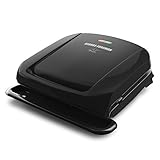
1. George Foreman 4-Serving Indoor Grill with Removable Plates
- ADVANCED GEORGE TOUGH NONSTICK COATING: There’s a lot to love about this nonstick coating. It’s 3x¹ more durable, easy to...
- 35% FASTER HEATING: Less time heating, more time eating.The improved heating elements preheat 35% faster to get you from plug-in...
- REMOVABLE GRILL PLATES: Easy cleanup is essential, and that’s what the removable grill plates are all about. Pop them in the...

Best for: Small households, fast indoor grilling.
Ceramic plates and 1800 watts give this 4-serving George Foreman grill the heat and surface needed for quick weeknight cooking. The compact 12 x 12 x 6.5-inch footprint fits on a counter without taking over the kitchen, while the removable grill plates make it practical for regular use when you want grilled chicken, burgers, or vegetables indoors.
The 1800-watt heating system and improved elements preheat 35% faster, so there is less waiting before food goes on. Its 4-serving style makes it a fit for a couple or a small family meal, and the 12-inch by 12-inch footprint keeps the setup manageable on a limited counter. Ceramic construction with the George Tough nonstick coating helps food release cleanly and reduces the need for butter or oil. The removable plates are dishwasher safe, which matters when you want a grill that can handle frequent use without a long cleanup routine. At 6.5 inches high, it also stores more easily between meals.
Pros
- 1800-watt heating for quick indoor grilling
- 35% faster preheating than standard warming-up
- Removable dishwasher-safe grill plates for easier cleanup
- Ceramic nonstick surface reduces the need for butter or oil
Cons
- The 4-serving capacity is suited to small meals, so it is not the right pick for larger groups or batch grilling.
For anyone who wants fast indoor grilling with minimal cleanup, this George Foreman model is a sensible fit. It works best for small households that value speed, compact storage, and easy plate washing after cooking.
| Specification | Details |
|---|---|
| Brand | George Foreman |
| Style | 4-Serving |
| Material | Ceramic |
| Color | Black |
| Wattage | 1800 watts |
| Voltage | 110 |
| Product Dimensions | 12″D x 12″W x 6.5″H |
| Item Weight | 9.92 ounces |
| Special Feature | Non Stick Coating |
| Included Components | Black, Dishwasher Safe Removable Plates, George Foreman Grp1060B 4 Serving Removable Plate Grill |
I’d pick this grill for someone who wants dependable indoor grilling without a lot of fuss. The faster preheat, removable plates, and nonstick ceramic surface make it especially appealing for weeknight cooks who value convenience as much as output. It feels most useful for smaller households that want simple grilled meals and an easier cleanup afterward.
Quick Comparison Table of Best Grills for Grilling
| Product Name | Style | Material | Power | Best For | Check Price |
|---|---|---|---|---|---|
| George Foreman 4-Serving Indoor Grill with | 4-Serving | Ceramic | 1800 watts | Indoor grilling | Check Price |
How to Choose the Best Grill for Grilling
Cooking surface and capacity
Choose grate size from the way you actually cook, not from the biggest number on the box. A household of two to four cooks needs about 300 to 450 square inches of primary grate space; families and frequent hosts need 500 square inches or more, plus a warming rack for holding finished food without crowding the main zone. Look for a layout that leaves room for both direct grilling over high heat and indirect space for thicker cuts.
Wider bars and moderate grate spacing support burgers, steaks, and vegetables without letting smaller pieces fall through.
| Type | Best for |
|---|---|
| 300-450 sq. in. | Couples and small households |
| 500+ sq. in. | Families and batch cooking |
| Primary grate plus warming rack | Mixed meals and holding cooked food |
Pick the size that matches your usual meal count, then choose a grate layout with both searing space and a cooler zone for indirect grilling.
Heat output and temperature control
For fast searing, choose a grill that puts serious heat where you need it and keeps that heat stable after the lid opens. Gas grills need strong, evenly distributed burners with independent knobs; charcoal models need a deep, adjustable firebox and vents that respond quickly. A good grill reaches cooking temperature fast, recovers quickly after food is added, and holds a steady low flame for chicken, ribs, and vegetables.
Poor control shows up as hot stripes, weak corners, and big swings when you adjust the dials.
| Type | Best for |
|---|---|
| High-output burners | Quick searing and rapid preheat |
| Multizone controls | Cooking different foods at once |
| Adjustable vents or dampers | Low-and-slow temperature control |
Pick the grill that preheats quickly and holds an even zone across the grate, with separate controls for direct heat and a dependable low setting.
Materials and build quality
Material choice determines whether the grill keeps its shape and finishes strong after seasons of use. Look for a thick steel or cast-aluminum body, stainless hardware, and a lid with enough weight to seal in heat without flexing. Cast-iron grates hold heat best for searing, while stainless-steel grates recover faster after the lid opens and resist rust better with regular use.
Thin sheet metal, loose hinges, and wobbly frames signal short service life and uneven cooking.
| Material | Best for |
|---|---|
| Cast iron grates | Strong heat retention and dark sear marks |
| Stainless steel grates | Easy upkeep and quick recovery |
| Heavy steel or cast-aluminum body | Durability and weather resistance |
Pick the heaviest, most rigid grill you can manage comfortably, then match the grate material to your priority: searing power or easier upkeep.
Cleaning and maintenance features
A grill stays pleasant to use when cleaning takes minutes, not a full afternoon. Choose removable grease trays, front-access ash pans, and grates with enough spacing to scrape clean without snagging. Porcelain-coated or stainless surfaces resist sticking better than rough, flaking finishes, and pull-out catch systems make post-cook cleanup far easier.
Access matters too: lift-out grates, reachable burners, and open internal corners keep buildup from hiding inside the frame.
- Removable grease tray or ash pan
- Grates you can brush from edge to edge
- Nonstick or easy-release surface finish
- Clear access to burners, firebox, or ash chamber
Pick the grill with the simplest cleanup path, especially removable waste collection and grates that scrub clean in one pass.
Convenience and safety features
Convenience features matter most when they make prep safer and grilling smoother, not when they add clutter. Side shelves give you space for platters and tools, hooks keep tongs close, and enclosed storage helps keep fuel and accessories organized. For safety, choose sturdy legs, a wide base, solid lid handles, and locking casters or fixed feet that do not rock on a patio.
A clear lid thermometer or fuel gauge removes guesswork, while reliable ignition and well-placed heat shields reduce flare-up risk and hand exposure. Pick the model with the most stable frame and the most usable prep space, then choose thermometers and ignition that let you monitor heat without opening the lid constantly.
Which Should You Choose?
- If you want quick weeknight grilling for one to four people, choose a compact indoor grill with fast preheating and a 4-serving capacity.
- If you hate scrubbing after cooking, choose a grill with removable, dishwasher-safe plates and a durable nonstick surface.
- If you want leaner grilled meals, choose a grill that lets excess fat drain away while cooking without needing added oil or butter.
- If counter space is limited, choose a small footprint grill designed for easy storage and simple setup.
Quick Best Grill For Grilling Buying Checklist
- Choose the right cooking area size. Make sure the grate space fits your usual number of burgers, steaks, or vegetables without crowding.
- Check heat control. Look for consistent temperature adjustment so you can sear at high heat and finish food gently.
- Inspect the materials. Durable grates, a solid frame, and weather-resistant finishes help the grill last longer outdoors.
- Review cleanup features. Removable drip trays, ash pans, or easy-wipe surfaces make post-cook maintenance much simpler.
- Assess stability and safety. A secure base, comfortable handles, and dependable ignition improve everyday grilling confidence.
- Think about prep convenience. Side shelves, tool storage, and lid thermometers can make grilling smoother and more organized.
How Heat Control Shapes Grilling Results
The best grill for grilling is not just about size or appearance; it is about how steadily it manages heat. Good heat control lets you sear steaks, roast chicken, and cook vegetables without constant flare-ups or cold spots. Most grills use a mix of direct and indirect heat, and the ability to switch between those zones determines how flexible they are.
Better lids, thicker lids, and well-designed vents also help trap and regulate temperature, which is especially useful for thicker cuts that need time to cook through.
When heat is balanced correctly, food browns evenly and retains more moisture. That means less burning on the outside and fewer undercooked centers. A grill with responsive burners or a well-supported charcoal bed gives you more confidence when moving from fast searing to slower cooking.
Gas, Charcoal, and Pellet Grills Compared
Different fuel types create different grilling experiences, and the best grill for grilling depends on how you like to cook. Gas grills are known for quick startup and easy temperature adjustment. Charcoal grills are valued for their bold smoky flavor and high-heat searing.
Pellet grills offer steady heat and can be useful when you want a more hands-off approach with wood-fired flavor. Each style can produce excellent results, but they differ in convenience, flavor, and maintenance.
| Type | Best for | Main trade-off |
|---|---|---|
| Gas | Fast weeknight grilling | Less smoky flavor |
| Charcoal | Classic searing and smoke | Slower setup and cleanup |
| Pellet | Consistent low-and-slow cooking | Less instant heat response |
Understanding these differences helps match the grill to the meals you cook most often.
Cleaning and Maintenance That Protect Performance
Regular care keeps a grill heating evenly and extends its useful life. Grease buildup can block burners, create smoke, and lead to flare-ups, while ash can restrict airflow in charcoal models. After cooking, it is helpful to brush grates while they are still warm, empty ash catchers, and wipe down exterior surfaces.
Periodic inspection of burners, ignition parts, and gas connections also helps prevent small issues from becoming bigger ones.
Deep cleaning does not need to be complicated, but it should be consistent. Removing debris from drip trays and checking for rust or corrosion can keep the grill operating as intended. Covering the grill when it is not in use also reduces weather damage, especially in damp or coastal environments.
A clean grill not only lasts longer but also produces more reliable heat and cleaner flavor.
Common Grilling Mistakes That Affect Food Quality
Even a high-quality grill can produce disappointing results if it is used the wrong way. One common mistake is cooking over a flame that is too hot, which can char the outside before the inside is done. Another is pressing burgers or moving food too often, both of which can dry out meat and reduce browning.
Skipping preheating is also a problem because the grates may not be hot enough to sear properly.
Using the lid incorrectly can also affect results. Leaving it open too long can make temperature control harder, while keeping it closed when you need a quick sear can soften texture. It also helps to let meat rest before serving so juices redistribute.
Simple habits like these often matter more than fancy accessories when it comes to getting consistently good grilling results.
Grill Placement, Setup, and Safe Operation
Where a grill is placed matters for both safety and performance. It should sit on a stable, level surface with enough clearance from walls, railings, low branches, and anything that can catch heat or smoke. Outdoor airflow is important because it helps fuel burn properly and keeps smoke from concentrating around the cooking area.
For gas models, checking hoses and fittings before lighting is a smart habit, while charcoal users should make sure embers are fully extinguished after use.
- Keep the grill away from flammable surfaces.
- Do not use it in enclosed garages or screened areas without proper ventilation.
- Wear heat-resistant gloves when handling hot grates or lids.
- Keep children and pets a safe distance from the cooking zone.
Good setup reduces risk and makes grilling more predictable from the first spark to the final serving.
Frequently Asked Questions (FAQs)
What Size Grill Is Best For Grilling Family Meals?
The best grill for grilling family meals is one with enough primary cooking space to fit several portions without crowding. A medium to large grate lets you separate direct and indirect heat, which helps cook burgers, chicken, and vegetables evenly while keeping timing simple.
Which Grill Material Holds Up Best Outdoors?
The best grill for grilling outdoors usually has a sturdy stainless steel or heavy-coated body that resists rust and heat damage. Strong grates and a rigid frame matter too, because they keep the grill stable and help it recover heat after the lid opens.
How Important Is Temperature Control On A Grilling Grill?
Temperature control is crucial in the best grill for grilling because it determines whether you can sear, roast, and finish food properly. Adjustable burners, vents, or heat zones let you manage flare-ups and keep thicker cuts cooking through without burning the outside.
What Cleaning Features Should I Look For In A Grill?
The best grill for grilling should include cleaning features like removable grease trays, ash catchers, or easy-access drip systems. These parts reduce buildup, simplify routine maintenance, and help prevent smoke, sticking, and messy flare-ups during future cooks.
Are Side Shelves Useful On A Grilling Grill?
Yes, side shelves are useful on the best grill for grilling because they give you space for tools, plates, and seasoning while you cook. That extra prep area keeps ingredients organized and reduces trips back and forth, which makes grilling safer and more efficient.
How Can I Tell If A Grill Heats Evenly?
The best grill for grilling heats evenly when the grate and cooking chamber distribute warmth without hot spots or cold edges. Look for solid burner layout, well-built heat shields, and a lid that traps heat well so food cooks consistently across the surface.
What Safety Features Matter Most In A Grilling Grill?
The best grill for grilling should have safety features like stable legs, secure lids, reliable ignition, and handles that stay comfortable during use. These details reduce tipping, improve control over the fire, and make everyday grilling less stressful around family and guests.
Final Suggestions
In summary, the best grill for grilling combines generous cooking space, dependable heat control, and durable construction to make outdoor cooking easier and more enjoyable. It gives you the flexibility to sear, slow-cook, and serve with confidence while keeping cleanup and maintenance manageable. Choose the right features now, and every cookout can feel simpler, smoother, and more rewarding.