Top 3 Best 40 Gallon Gas Water Heater Deals
Best 40 gallon gas water heater models matter when consistent hot water, fuel efficiency, and compact design must work together. In homes where demand can change quickly, a 40 gallon gas water heater balances storage capacity with faster recovery, while modern burner systems, insulation, and durable tank materials help improve performance and reduce standby loss. The best 40 gallon gas water heater choices also differ in venting style, ignition technology, and long-term maintenance needs, which can make comparison more important than it first appears.
As you review gas water heater options and 40-gallon tank configurations, the details behind efficiency ratings, sediment control, and installation fit become critical. The surprising differences between similar-looking units may change everything.

Detailed Overview of the Best 40 Gallon Gas Water Heater
1. GE RealMAX® Choice 40-Gallon Tall Natural Gas Atmospheric Water Heater
Best for: Small households wanting fast recovery.
A 40-gallon tank with a max-performance 40K burner gives this GE RealMAX Choice unit the ability to keep up with a 2- to 4-person household’s daily hot-water demand. The tall floor-mounted format fits a conventional installation path, while the gray finish keeps the appliance understated in utility space. That combination makes it a practical pick for buyers who want dependable hot water without oversized equipment.
The 40-gallon capacity is paired with quick recovery, so the tank can refill hot water faster after showers, dishwashing, or laundry. GE’s SmartShield Safety System monitors surrounding air and automatically responds to unsafe conditions, adding an important layer of protection in enclosed utility areas. An anode rod is included for long-term corrosion protection, which helps support tank life in a standard household setup. Floor mounting also keeps installation straightforward for spaces that expect a tall, upright water heater rather than a compact or wall-hung unit. For buyers comparing 40-gallon gas models, the emphasis here is steady output, safety monitoring, and basic long-term tank protection in one familiar format.
Pros
- 40-gallon capacity suits 2- to 4-person households
- Max-performance 40K burner supports quick recovery
- SmartShield Safety System adds air monitoring protection
- Anode rod helps guard the tank against corrosion
Cons
- No venting length or efficiency rating is listed, so buyers cannot compare installation reach or operating efficiency from the provided data.
This GE model fits buyers who want a straightforward 40-gallon gas water heater with quick recovery and built-in safety monitoring. It makes sense for an average-sized household that values familiar floor-mounted installation and corrosion protection over extra features.
| Specification | Details |
|---|---|
| Brand | GE |
| Capacity | 40 gallons |
| Color | Gray |
| Mounting Type | Floor |
| Special Feature | SmartShield™ Safety System |
| Household Size | 2 to 4 persons |
I’d point this one toward homeowners who want a simple, dependable 40-gallon gas heater for a modest household. The quick-recovery burner and SmartShield monitoring are the two details that matter most here, because they support day-to-day use without adding complexity. If you want a conventional floor-mounted tank with basic protection features, this is an easy model to consider.
2. A.O. Smith GCR-40LP ProMax Plus High Efficiency Liquid Petroleum Gas
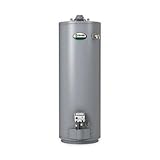
- Blue Diamond glass coating provides superior corrosion resistance to industry-standard glass lining
- Self-powered electronic gas valve uses thermopile to generate power needed to operate the electronic gas control without requiring...
- Internal microprocessor provides enhanced operating parameters and tighter differentials for precise sensing and faster heating...
Best for: Efficiency-minded propane households.
Blue Diamond glass coating is the key differentiator here, giving the A. O. Smith GCR-40LP a corrosion-resistant tank lining that goes beyond standard glass coating. With 40 gallons on tap, it suits a household that wants a familiar tank size but values extra protection inside the tank. The blue cabinet also makes it easy to identify in a mechanical space.
This model combines a self-powered electronic gas valve with a thermopile, so it can operate without external power and still manage the gas control electronics. The internal microprocessor tightens operating parameters and sensing, which helps the heater respond faster when hot water demand changes. The Dynaclean diffuser dip tube is another useful detail because it reduces lime and sediment buildup while helping maximize hot-water output over time. The 40-gallon capacity keeps it in the standard residential range, and the Blue Diamond coating adds a durable internal barrier that matters in areas where water quality can wear on a tank. Together, those features make it a strong fit for users who want efficient propane operation with low-maintenance performance characteristics.
Pros
- Blue Diamond glass coating improves corrosion resistance
- Self-powered electronic gas valve works without external power
- Internal microprocessor supports faster heating response
- Dynaclean diffuser dip tube helps reduce sediment buildup
Cons
- The provided data does not list dimensions or mounting details, so buyers cannot judge fit in a tight utility space from the spec sheet alone.
This A. O. Smith model is a strong match for buyers who want a 40-gallon propane water heater with added tank protection and smarter control. It stands out most for homes that value internal corrosion resistance and self-powered operation in a standard-size unit.
| Specification | Details |
|---|---|
| Brand | A. O. Smith |
| Capacity | 40 gallons |
| Color | Blue |
| Power Source | Wind Powered |
| Special Feature | Blue Diamond Glass Coating |
| Special Feature | Dynaclean Diffuser Dip Tube |
I’d consider this the better fit for someone focused on water quality, sediment control, and internal tank protection. The self-powered gas valve is especially appealing because it removes the need for external power, while the diffuser dip tube should help the heater stay efficient as mineral buildup becomes an issue. If you want a propane unit with more thoughtful internals, this one makes sense.
3. Rheem PROG40-40N RH67 PV Professional Classic Residential 40K BTU Power
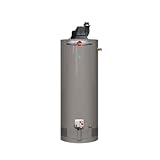
- Uses indoor air for combustion; blower exhausts the flue gases
- Exclusive air/fuel shut-off device. Maintenance free - no filter to clean
- Long venting lengths up to 100 equivalent feet

Best for: Compact gas unit with long venting.
A 21-inch by 65-inch footprint gives the Rheem PROG40-40N RH67 a tall profile that works well where floor space is limited but ceiling height is available. The 40-gallon tank and gas-powered operation place it squarely in the standard residential category, while the professional-class design adds installation flexibility through long venting lengths. That shape suits buyers who need a full-size heater without spreading outward across the utility room.
The listed 21-inch width and 65-inch height matter because they make this a space-conscious vertical heater rather than a bulky cabinet-style unit. Long venting lengths up to 100 equivalent feet give installers more flexibility in routing exhaust, which can be valuable when the vent path is not short or direct. The R-Tech anode rod adds tank protection, and the exclusive air/fuel shut-off device provides an extra safety layer during operation. Maintenance-free operation also reduces the need for routine filter cleaning, which simplifies ownership for busy households. Performance data shows up to 71 gallons of first-hour delivery for 40-gallon models, so the unit is aimed at homes that want stronger short-burst hot-water availability from a standard tank size.
Pros
- 21-inch width helps it fit narrower utility spaces
- 65-inch height preserves floor space with a tall layout
- Long venting up to 100 equivalent feet adds installation flexibility
- R-Tech anode rod helps protect the tank over time
Cons
- Maintenance-free operation is listed, but the data does not mention a self-cleaning component or serviceable filter, so buyers still need to plan around a sealed-style design.
This Rheem model is well suited to households that need a standard 40-gallon gas heater with flexible venting and a tall, narrow footprint. It makes the most sense when installation constraints matter as much as hot-water output.
| Specification | Details |
|---|---|
| Brand | Rheem |
| Capacity | 40 gallons |
| Power Source | Gas Powered |
| Product Dimensions | 21″W x 65″H |
| Special Feature | R-Tech Anode Rod |
| Special Feature | Exclusive Air/Fuel Shut-Off |
| Special Feature | Maintenance-Free Operation |
I like this one for buyers who need a tall 40-gallon gas heater that can fit into tighter floor plans without giving up venting flexibility. The first-hour delivery figure is a helpful sign that it can keep up with back-to-back hot-water use, and the maintenance-free setup will appeal to people who want less routine upkeep. It feels especially practical for an installation-minded shopper.
Quick Comparison Table of Best 40 Gallon Gas Water Heaters
| Product Name | Capacity | Power Source | Special Feature | Best For | Check Price |
|---|---|---|---|---|---|
| GE RealMAX® Choice 40-Gallon Tall Natural | 40 gallons | Natural gas | SmartShield™ System | Family use | Check Price |
| A.O. Smith GCR-40LP ProMax Plus High | 40 gallons | LP gas | Blue Diamond coating | Corrosion resistance | Check Price |
| Rheem PROG40-40N RH67 PV Professional Classic | 40 gallons | Gas powered | R-Tech anode rod | Long venting | Check Price |
How to Choose the Right best 40 gallon gas water heater
Heating capacity and recovery speed
Choose capacity by recovery speed, not storage alone. A 40-gallon gas water heater fits small to medium households only when it can reheat water fast enough for back-to-back showers and laundry. Look for strong first-hour delivery, a high burner input, and a recovery rate that keeps the tank from running cold during morning peaks.
Weak units advertise the tank size but fail on rush demand. Pick a high-output 40-gallon model with brisk recovery for families of three to four, and choose a lower-output unit only for lighter daily use.
| Type | Best for |
|---|---|
| High-BTU, fast recovery | Busy homes with showers and laundry in the same hour |
| Standard-output tank | Light to moderate daily use with staggered hot water demand |
| High first-hour rating | Households that need strong morning performance |
Energy efficiency and operating cost
Choose the highest efficiency rating that still matches your heating needs, because a 40-gallon gas water heater should save fuel without slowing recovery. Compare UEF first, then inspect insulation thickness, jacket quality, and tank sealing, since these control standby heat loss when hot water sits unused. Better models hold heat longer, cycle the burner less often, and keep gas use tighter during slow periods.
Thin insulation and frequent reheating are signs of poor efficiency. Pick a well-insulated, high-UEF unit for steady everyday use, and choose the most efficient model with adequate burner output for the home’s demand.
| Type | Best for |
|---|---|
| High UEF, heavy insulation | Homes that want lower fuel use and fewer standby losses |
| Balanced efficiency model | Families that need solid savings and strong recovery |
| Basic efficiency tank | Simple installations with lighter hot water use |
Ventilation and installation requirements
Match the venting setup before you buy, because installation compatibility decides whether the heater fits cleanly into your space. Check whether the unit uses atmospheric, power, or direct venting, then measure ceiling height, wall clearance, and the route for exhaust and gas lines. Tight utility closets need compact bodies and clear side and top clearances; open basements handle larger layouts more easily.
A good choice lists exact venting requirements and installation dimensions clearly. Pick the vent type that matches your existing setup, and choose a compact model for cramped spaces or a standard model for open utility areas.
| Type | Best for |
|---|---|
| Direct vent | Homes needing sealed combustion and flexible exhaust routing |
| Power vent | Spaces where exhaust must travel farther or turn more often |
| Atmospheric vent | Simple replacement jobs with an existing chimney or flue |
Safety and temperature control
Choose controls that keep temperature steady and add clear protection layers, because a 40-gallon gas water heater should deliver consistent hot water without sudden spikes. Look for a dependable thermostat with a readable dial or digital control, a clear temperature range, flame failure protection, and a pressure relief valve. For families, antiscald settings matter because they reduce the risk of unsafe faucet temperatures.
Leak detection and automatic shutoff add another level of security. Pick a model with precise temperature control and full safety shutdown features for family households, and choose simpler controls only for low-traffic installations.
Durability and maintenance access
Favor construction that resists corrosion and makes maintenance simple, because durability decides how long the heater performs well. Look for a glass-lined or similar corrosion-resistant tank, a well-placed anode rod you can access without major disassembly, and a drain valve positioned low enough for regular flushing. Easy sediment removal protects efficiency and extends service life.
Strong warranties on the tank and parts show the maker expects durable performance. Pick a model with accessible maintenance points and strong corrosion protection for long-term use, and choose the fullest warranty coverage when you want the least hassle over time.
Which Should You Choose?
- If you want a dependable 40-gallon tank for a 2 to 4 person household with straightforward natural-gas operation, choose a tall atmospheric model with quick recovery.
- If you live where propane is your only fuel and you want better tank durability, choose a liquid-propane model with corrosion-resistant glass lining and a self-powered electronic gas valve.
- If you need a high-output heater that can vent a long distance and use indoor air for combustion, choose a power-vent model with a blower-assisted exhaust system.
- If you want the lowest-maintenance setup and prefer safety features that manage combustion automatically, choose a unit with an air/fuel shut-off device and maintenance-free operation.
Quick Best 40 Gallon Gas Water Heater Buying Checklist
- Confirm capacity needs Make sure a 40-gallon tank fits your household’s peak hot water use.
- Check recovery speed Look for a model that reheats fast enough for showers, laundry, and dishes.
- Review efficiency ratings Choose a unit with stronger gas efficiency to help control operating costs.
- Measure installation space Verify venting, clearance, and connection requirements before purchase.
- Prioritize safety features Look for dependable thermostat control, pressure protection, and anti-scald safeguards.
- Inspect maintenance access Pick a heater with easy flushing and service points for simpler upkeep.
How a 40 Gallon Gas Water Heater Reheats Water on Demand
A 40 gallon gas water heater stores a fixed volume of hot water in an insulated tank and uses a gas burner to reheat incoming cold water. When you open a hot tap, heated water leaves the top of the tank while fresh water enters the bottom, where it is warmed until the thermostat signals the burner to cycle again. This storage-and-recovery design makes the unit practical for households that need steady hot water without waiting for a tankless system to ramp up.
Recovery rate matters because it determines how quickly the tank can replenish hot water after showers, laundry, or dishwashing. Efficient models also reduce standby heat loss through thicker insulation and tighter sealing around the flue and access points.
Atmospheric, Power Vent, and Direct Vent Designs Compared
Not all gas water heaters move exhaust the same way, and that difference affects placement, efficiency, and installation complexity. Atmospheric models use natural draft and a vertical vent, which keeps the design simple but limits where the heater can be installed. Power vent units use a fan to push exhaust through longer vent runs, offering more flexibility in basements or interior closets.
Direct vent models draw combustion air from outside and send exhaust outdoors through a sealed system, which can improve safety in tightly sealed homes. The right style depends on the room layout, existing vent path, and local code requirements.
Understanding the venting method is important because it influences both performance and where the heater can safely operate.
| Type | Best for | Key trait |
|---|---|---|
| Atmospheric vent | Simple replacement jobs | Uses natural draft |
| Power vent | Flexible installations | Fan-assisted exhaust |
| Direct vent | Sealed or tight spaces | Outdoor air intake and exhaust |
Routine Maintenance That Helps the Tank Last Longer
Regular maintenance can extend the life of a gas water heater and help it run more efficiently. Sediment from hard water tends to settle at the bottom of the tank, where it can reduce heating performance and create popping noises during operation. Flushing a portion of the tank periodically helps remove that buildup.
The anode rod should also be inspected because it sacrifices itself to slow internal corrosion; replacing it when worn can prevent premature tank failure. Check the burner compartment for dust, spider webs, or debris that may interfere with combustion.
It is also wise to test the temperature and pressure relief valve and confirm the thermostat is set to a safe, practical temperature. Small maintenance steps can prevent larger repair problems later.
Common Installation Mistakes That Reduce Performance
Even a good 40 gallon gas water heater can underperform if it is installed poorly. One frequent mistake is undersizing the venting system, which can slow exhaust flow and create draft issues. Another is placing the unit too close to combustible materials or enclosing it without enough combustion air.
Improper gas line sizing can also starve the burner and reduce heating capacity. Homeowners sometimes overlook drain pan placement, seismic strapping where required, or the need for an expansion tank in closed plumbing systems.
Incorrect temperature settings and poorly insulated hot-water pipes can waste energy after installation. A careful setup should match the manufacturer’s requirements for vent length, clearances, gas input, and condensate or drain management if applicable.
Safety Features and Code Requirements to Check Before Buying
Safety is a major part of choosing a gas water heater because combustion appliances must protect both the home and its occupants. A modern unit should have a reliable temperature and pressure relief valve, secure flue connections, and stable burner controls. Some models include flame-arrestor designs that help reduce the risk of igniting vapors near the base of the tank.
In many homes, a carbon monoxide detector nearby is just as important as the heater itself. Local codes may also require specific vent materials, earthquake bracing, drain pans, or combustion-air openings.
If the heater will sit in a garage, attic, or confined utility space, clearance rules can be stricter. Checking these details early helps avoid delays and unsafe shortcuts during installation.
Frequently Asked Questions (FAQs)
What Size Household Works Best With A 40-Gallon Gas Water Heater?
A 40-gallon gas water heater works best for small to medium households that need a steady supply of hot water without excessive storage. It is a practical fit for one to three people, or for homes with moderate shower, dishwashing, and laundry demand spread through the day.
How Fast Should A 40-Gallon Gas Water Heater Recover?
A 40-gallon gas water heater should recover quickly enough to support repeated showers and routine household tasks. Faster recovery usually comes from a stronger burner and efficient heat transfer, which helps reduce wait time between uses when hot water demand spikes.
What Efficiency Features Matter Most In A 40-Gallon Gas Water Heater?
A 40-gallon gas water heater is more efficient when it has a strong UEF rating, good tank insulation, and low standby heat loss. These features help the unit retain heat longer, use less gas during idle periods, and deliver more consistent hot water.
Which Safety Features Should A 40-Gallon Gas Water Heater Include?
A 40-gallon gas water heater should include dependable thermostat control, a pressure relief valve, and flame or ignition safeguards. Anti-scald settings are also valuable because they help keep water temperatures stable and safer for families using sinks, showers, and tubs.
Is Installation Space Important For A 40-Gallon Gas Water Heater?
Yes, installation space matters for a 40-gallon gas water heater because gas venting, clearance, and connection access affect both safety and performance. You should measure the footprint, confirm vent type, and make sure the location allows proper servicing and airflow.
How Long Can A 40-Gallon Gas Water Heater Last?
A 40-gallon gas water heater can last many years when it is installed correctly and maintained regularly. Flushing sediment, checking the anode rod, and watching for corrosion all help extend tank life and protect heating performance over time.
What Maintenance Does A 40-Gallon Gas Water Heater Need?
A 40-gallon gas water heater needs periodic flushing, thermostat checks, and inspection of the venting and safety valve. Regular maintenance helps reduce sediment buildup, improve heating efficiency, and catch small issues before they affect hot water supply.
Final Suggestions
Choosing the best 40 gallon gas water heater comes down to balancing heating speed, energy efficiency, safety, and installation fit. The right model can deliver reliable hot water for daily routines while keeping operating demands manageable. With a smart comparison of features and maintenance needs, you can choose a heater that supports comfort and confidence for years ahead.