Top 2 Best Basic Bathtub: Must-See Picks
The best basic bathtub may seem simple, but its design affects comfort, durability, and everyday ease. In a market shaped by material engineering and space-saving layouts, even a basic tub can influence water retention, heat holding, and long-term maintenance. A best basic bathtub should balance clean lines with practical construction, while a basic tub choice often comes down to acrylic strength, slip resistance, and installation fit.
Another bathtub for basic use may look unassuming, yet the details behind the shell, finish, and support structure can change the bathing experience more than expected. This guide explores the subtle differences that separate ordinary models from the ones worth attention, and the comparison gets more revealing than it first appears.
In-depth Reviews of the Best Basic Bathtub
1. Voltaire 60″ x 30″ Right Drain Skirted Soaking Bathtub with

- Built-In Apron: Bathtubs with built-in aprons streamline installation with a preinstalled front avoiding the need for tile.
- Drain Location: Installation for a right-hand drain.
- Fiberglass Reinforced Acrylic: Designed for durability.

Best for: Simple apron tub for right-drain alcoves.
An apron-front layout keeps installation straightforward because the front is already finished, so there is no tile work on the visible side. At 60 inches long and 30 inches wide, it gives a compact soaking footprint that fits many standard bathroom alcoves while still leaving enough interior space for a comfortable bath.
Fiberglass-reinforced acrylic adds a tougher shell than plain plastic, which matters in a basic bathtub that will see daily use. The 18-inch height supports deeper soaking than a shallow splash tub, and the rectangular shape makes it easier to line up with surrounding walls and fixtures. A right-hand drain position helps if your plumbing is already set up on that side, reducing installation changes. The glossy white finish keeps the look clean and neutral, so it can blend into most bathrooms without visual fuss. At 64 pounds, it is manageable for a standard alcove install compared with heavier soaking tubs.
Pros
- Built-in apron front reduces visible finishing work
- 60 x 30 inch footprint suits standard alcoves
- Fiberglass-reinforced acrylic offers a sturdier tub shell
- Right-hand drain matches common plumbing layouts
Cons
- Faucet and drain are not included, so those parts must be sourced separately
For buyers who want a straightforward soaking tub without extra styling complexity, this one keeps the focus on fit and function. It is a practical choice for a standard bathroom remodel where the drain side already matches the plumbing.
| Specification | Details |
|---|---|
| Brand | Swiss Madison |
| Material | Plastic |
| Color | Glossy White |
| Product Dimensions | 30″L x 60″W x 18″H |
| Item Weight | 64 pounds |
| Installation Type | Apron-Front |
| Style | Right-Hand Drain |
| Shape | Rectangular |
| Finish Type | Glossy |
I would point shoppers toward this tub when they want a basic soaking option that keeps installation simple and the look clean. The apron-front setup and right-hand drain make it especially sensible for a standard alcove remodel, and the size is a familiar fit for many bathrooms. It is the kind of tub that makes sense when function matters more than extras.
2. American Standard 2460002.020 Cambridge Apron-Front Americast Soaking Bathtub Left Hand
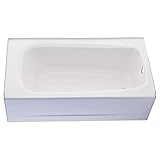
- Americast engineered steel with glossy porcelain finish
- Full Stansure slip-resistant floor surface
- Integral lumbar support with beveled headrest
Best for: Durable alcove tub with safety features.
Americast construction gives this tub a lighter feel than cast iron while still using an engineered steel, polymer, and porcelain structure for everyday bathing. The 60-inch by 32-inch footprint and 50-gallon capacity provide a roomier soaking setup than many basic tubs, which helps if you want more bathing space without moving to a larger bathroom layout.
The 17.7-inch height keeps the tub manageable for alcove installation while still supporting a proper soak. An integral apron simplifies the front finish, and the 3-sided tile and water-retention flange helps contain splash at the walls, which is useful in an everyday family bathroom. The StanSure slip-resistant floor surface adds traction underfoot, and the beveled headrest with integral lumbar support makes long soaks more comfortable without requiring extra accessories. A left-hand drain matters if your plumbing is already routed that way, and the white porcelain finish keeps the look classic and easy to coordinate with common bathroom fixtures.
Pros
- 50-gallon capacity allows a deeper soaking experience
- StanSure slip-resistant floor surface adds underfoot traction
- Integral lumbar support improves back comfort during bathing
- 3-sided tile and water-retention flange helps limit splash at the walls
Cons
- At 118.1 pounds, it is substantially heavier than lightweight acrylic tubs
This is a strong pick for buyers who want a basic bathtub with more comfort and safety details built in. It works especially well in an alcove bath where the left-hand drain and apron-front format match the existing layout.
| Specification | Details |
|---|---|
| Brand | American Standard |
| Material | Alloy Steel, Polymer, Porcelain |
| Color | White |
| Product Dimensions | 60″L x 32″W x 17.7″H |
| Item Weight | 118.1 pounds |
| Installation Type | Alcove |
| Capacity | 50 gallons |
| Style | Left Drain |
| Shape | Rectangular |
| Finish Type | White |
I think this tub suits buyers who want a basic model but do not want to give up comfort or safety features. The slip-resistant floor, lumbar support, and water-retention flange make it more reassuring for everyday use, especially in a family bath. It is the better pick if you want a straightforward alcove tub with a little more substance than the lightest acrylic options.
Quick Comparison Table of Basic Bathtub Options
| Product Name | Material | Drain Style | Size | Best For | Check Price |
|---|---|---|---|---|---|
| Voltaire 60″ x 30″ Right Drain | Acrylic | Right-hand | 60 x 30 in. | Easy install | Check Price |
| American Standard 2460002.020 Cambridge Apron-Front Americast | Americast | Left-hand | 60 x 32 in. | Soaking comfort | Check Price |
How to Choose the Right best basic bathtub
Size and space fit
Start with the bathroom footprint, not the tub style. Measure the alcove, corner, or open floor space in three places, then leave clearances for trim, doors, and cleaning access. Match the tub length to the wall span, the width to the room circulation path, and the soaking depth to the user’s height and bathing habits.
Verify that the unit fits through hallways, stair turns, and doorways before delivery. For compact baths, choose a standard alcove tub; for larger rooms, pick a freestanding or corner model that still preserves walking space.
Material and durability
Acrylic suits most buyers because it is light, warm to the touch, and easy to install; fiberglass works for light-duty use and simple renovations; steel adds rigidity and a crisp surface; cast iron delivers the longest heat retention and the most solid feel. Judge quality by wall thickness, reinforced underside support, and a finish that resists scratches and dulling. Thin, flexing panels and rough gelcoat signal lower durability.
For most homes, choose reinforced acrylic; for heavy long-term use and maximum heat hold, choose cast iron or enameled steel.
| Type | Best for |
|---|---|
| Acrylic | Most bathrooms, easier handling, balanced comfort |
| Fiberglass | Light use, quick updates, simple installs |
| Steel | Rigid feel, clean finish, moderate weight |
| Cast iron | Maximum durability and heat retention |
Comfort and bathing shape
Choose the shape that supports the way you actually bathe. A sloped backrest should support the shoulders without pushing the head too far forward, and the interior should have enough contour to hold the body without feeling cramped. Deeper tubs deliver real soaking comfort, but the rim still needs to stay low enough for comfortable entry.
Check whether the tub floor gives enough room to stretch the legs and whether the lumbar area feels supported. For relaxed soaking, pick a deep tub with a gentle back slope and broad interior; for easier access, choose a lower-rim model with moderate depth.
| Shape | Best for |
|---|---|
| Deep soaking tub | Full-body immersion and long baths |
| Gentle recline tub | Back support with easier entry |
| Compact interior | Small bathrooms and quick baths |
| Wide flat floor | Stable footing and extra leg room |
Installation and maintenance
Match the tub to the plumbing layout first, then judge installation effort. Alcove tubs suit three-wall spaces and standard drain placement, while freestanding tubs need more room and a finished floor connection. Check the tub’s weight against your subfloor and framing, because heavier materials need stronger support and more labor to move.
Smooth, nonporous surfaces clean faster, resist staining, and keep soap scum from clinging to corners. For easy installation and low upkeep, choose a lightweight acrylic or fiberglass tub with a standard drain location and a seamless, glossy finish.
Safety and everyday practicality
Safety and daily convenience start with stable footing and easy access. Look for a textured floor or an included slip-resistant base, not a slick glossy surface that turns slippery when wet. The overflow should sit high enough for soaking comfort but still let water drain efficiently, and the drain opening should be easy to reach for maintenance.
A lower step-over height and steady side walls make entry safer for children, older adults, and anyone with limited mobility. For everyday family use, choose a tub with textured footing, accessible drain hardware, and the lowest comfortable rim height.
| Feature | Best for |
|---|---|
| Textured floor | Maximum slip resistance |
| Low step-over height | Easier entry and exit |
| Accessible drain | Simple cleaning and maintenance |
| High overflow placement | Deeper soaking with control |
Which Should You Choose?
- If you want the easiest possible installation and a clean finished look, choose a built-in apron tub that skips the need for front tiling.
- If your bathroom plumbing is set up for a right-side drain, choose a 60-inch tub with a right-hand drain configuration.
- If you prefer a sturdier feel with better heat retention and a classic glossy surface, choose an enameled steel tub with an acrylic or porcelain finish.
- If you want extra comfort for long soaks and safer footing, choose a soaking tub with lumbar support, a beveled headrest, and a slip-resistant floor.
Quick Best Basic Bathtub Buying Checklist
- Measure your bathroom carefully so the bathtub fits the intended space without blocking doors, fixtures, or walking room.
- Choose a durable material that matches your needs for heat retention, scratch resistance, and everyday wear.
- Check the bathing shape for a comfortable backrest, enough interior depth, and easy entry.
- Confirm installation requirements including plumbing alignment, floor support, and delivery access.
- Look for easy-clean surfaces that resist soap buildup, stains, and frequent maintenance.
- Prioritize safety details such as slip resistance, stable footing, and a practical drain and overflow setup.
Standard Bathtub Dimensions and What They Mean
A basic bathtub is usually designed around standard dimensions so it fits common bathroom layouts without special framing. Most alcove tubs are about 60 inches long, with widths near 30 to 32 inches and heights that vary by style. Those measurements matter because they affect bathing comfort, water depth, and how much wall space is needed for surrounding tile or panels.
A compact tub can make a small bathroom easier to use, while a deeper model may feel more comfortable for soaking but require more water. Checking the rough opening, drain location, and finished surround space before installation helps avoid expensive adjustments later.
| Type | Best for | Typical fit |
|---|---|---|
| Standard alcove | Most bathrooms | 60-inch opening |
| Compact tub | Small spaces | Narrower layout |
| Deep soaking tub | Longer baths | Greater water depth |
How Basic Bathtubs Are Installed in a Typical Bathroom
Most basic bathtubs are installed as alcove units, meaning they sit against three walls and connect to existing plumbing. The process usually starts with preparing a level subfloor, then setting the tub, connecting the drain and overflow, and securing the flange to the wall framing. After that, the installer adds wallboard, waterproofing, and a finished surround or tile surface.
Because the tub depends on proper support, shims or a mortar bed may be used to prevent flexing. Even a simple model should be checked for drain alignment and slope so water drains fully and does not pool near the base.
Common Materials Used in Basic Bathtubs
Basic bathtubs are made from a few common materials, and each behaves differently in daily use. Acrylic is lightweight and warm to the touch, which makes it popular for standard installations. Fiberglass is also lightweight and easy to move, though it can be less durable under heavy wear.
Enamel-coated steel feels sturdier and resists scratches well, but it can be noisier when filling and may feel cooler. Cast iron is very durable and holds heat well, though it is heavy and harder to install.
The right material often depends on whether the priority is easy handling, comfort, or long-term toughness.
| Material | Strength | Main trade-off |
|---|---|---|
| Acrylic | Comfortable, light | Can scratch |
| Fiberglass | Easy to install | Less durable |
| Steel | Rigid surface | Can be noisy |
| Cast iron | Very durable | Heavy to move |
Cleaning and Maintenance for Long-Lasting Use
Keeping a basic bathtub in good condition is mostly about gentle, regular care. Mild soap, a soft sponge, and warm water are usually enough for routine cleaning. Harsh abrasives can dull the finish, especially on acrylic or fiberglass tubs, so it is better to avoid scouring pads and gritty powders.
After use, rinsing away soap residue helps reduce buildup around the sides and drain. It is also smart to check caulk lines and the drain area for early signs of wear, since small gaps can let moisture reach the wall or subfloor.
A well-maintained tub keeps its surface smoother and easier to clean over time.
Safety Features That Matter in a Simple Tub Setup
Even a basic bathtub can benefit from simple safety details that improve everyday use. A textured floor helps reduce slipping, especially when the tub is wet or soapy. Grab bars add support when stepping in and out, and they are especially helpful for children, older adults, or anyone with limited balance.
A lower tub wall can make entry easier, while a properly placed faucet helps reduce awkward reaching. Drain covers and overflow assemblies should also be checked for secure fit so water does not escape unexpectedly.
These features are easy to overlook, but they can make a standard bathtub much more practical and comfortable.
- Look for a slip-resistant surface.
- Install grab bars in reachable locations.
- Keep the entry height manageable.
- Check that controls are easy to access.
Frequently Asked Questions (FAQs)
What Size Should The Best Basic Bathtub Be?
The best basic bathtub should fit your bathroom layout and still allow comfortable soaking, so measure length, width, and depth before buying. Standard tub sizes work well for many homes, but an alcove or compact model may be better if space is limited.
Which Material Is Best For A Basic Bathtub?
Acrylic is often the best basic bathtub material because it is lightweight, warm to the touch, and easier to install than heavier options. Steel and cast iron last longer and hold heat well, but they usually need stronger floor support.
How Important Is Tub Depth In A Basic Bathtub?
Tub depth is very important in a basic bathtub because it affects how much water you can use for soaking and how comfortable the bath feels. A deeper tub offers better coverage, while a shallower one can be easier to enter and exit.
What Features Improve Comfort In A Basic Bathtub?
Comfort in a basic bathtub improves with a gently sloped backrest, enough interior width, and a shape that supports your shoulders and legs. Rounded corners and a smooth basin can make longer baths feel more relaxing and less cramped.
Is A Slip-Resistant Surface Necessary For A Basic Bathtub?
Yes, a slip-resistant surface is a smart safety feature for a basic bathtub because it helps reduce the risk of falls when the tub is wet. Textured flooring or a built-in grip surface is especially useful for households with children or older adults.
How Do I Know If A Basic Bathtub Is Easy To Maintain?
A basic bathtub is easy to maintain when it has a smooth, nonporous surface that resists soap scum, mildew, and staining. Acrylic and enamel-finished tubs are often simpler to wipe clean than textured materials that trap residue in small crevices.
What Installation Factors Matter Most For A Basic Bathtub?
Installation matters most in a basic bathtub because the tub must match your plumbing, floor support, and entry path into the bathroom. Check drain placement, tub weight, and whether the space allows for straightforward positioning before you commit to a model.
Final Suggestions
Choosing the best basic bathtub comes down to fit, comfort, durability, and everyday ease of care. A well-chosen tub can make bathing more relaxing while also fitting smoothly into your space and routine. With the right balance of practical features, you can enjoy a dependable bathroom upgrade that feels simple, useful, and satisfying for years to come.


