Top 6 Best Concrete Floor Vacuum: Must-See Picks
Best concrete floor vacuum performance depends on more than suction alone. On hard, porous surfaces like garage slabs, basement concrete, and workshop floors, fine dust can settle into texture lines, while larger debris demands strong airflow, durable filtration, and the right brush design. The best concrete floor vacuum also needs smart mobility, because uneven seams, tight corners, and mixed messes can challenge weaker machines.
Features like sealed filtration, wide nozzles, and efficient motor systems can change how well a vacuum handles gritty cleanup and heavy-use spaces. When comparing the best concrete floor vacuum options, small design details often separate average cleanup from a noticeably cleaner finish.
The differences become even clearer once you see which models are built for real concrete-floor demands.
Detailed Overview of the Best Concrete Floor Vacuum
1. 4-Head Concrete Floor Grinder with Extendable Rod, 3800W & 6000

- 300% Efficiency UP & Zero Dead-Ends: 4-head concrete floor grinder is equipped with four 4-inch diamond grinding discs and...
- Heavy-Duty Grinding & Precision Control: Concrete grinder is built with a 3800W industrial pure copper motor and a 6-speed control...
- Runs Smoothly & Effortless Operation: Built for long hours of grinding. Precision-engineered kinetics—four grinding wheels run...
Best for: Heavy-duty shop floor coverage.
Four 4-inch diamond grinding discs sit on a square chassis, giving this 4-head grinder a wide contact area for concrete floors, walls, and edge runs. The layout helps cover more surface in fewer passes, which matters when you want a concrete floor vacuum alternative focused on aggressive floor prep rather than cleanup. A 3800W industrial pure copper motor powers the cut.
The 6-speed control system lets you match the grind to the surface, so you can slow down for tighter work or open it up for faster removal. Its 90° front-contact design reaches flush to walls, which reduces hand-finishing along edges. The extendable rod adds reach for larger spans and awkward corners, making it easier to move across warehouse-style slabs without constant repositioning. Because it uses corded electric power, output stays steady during long sessions. The black professional-style housing keeps the machine focused on utility, not portability tricks, so it suits users who care more about floor coverage than compact size.
Pros
- 4-head system with four 4-inch diamond discs for broad coverage
- 3800W pure copper motor for demanding concrete grinding
- 6-speed control for matching pace to the surface
- 90° front-contact design for flush wall grinding
Cons
- The corded electric setup limits roaming range compared with battery-powered machines.
This model makes sense when the job is concrete removal, not light touch-up work. It fits buyers who want wide coverage, wall-edge access, and steady motor output on large slabs.
| Specification | Details |
|---|---|
| Brand | Dmzosmd |
| Style | Professional four-head floor grinding machine |
| Power Source | Corded Electric |
| Color | Black Concrete Surface Grinder |
| Wattage | 3800 watts |
| Grinding Discs | 4 x 4-inch diamond grinding discs |
| Speed Control | 6-speed control system |
I’d point this toward buyers who need fast, aggressive concrete prep on open floors. The 4-head layout and 3800W motor make it a practical pick for larger slabs where coverage matters more than finesse. If your work includes wall edges, the 90° front-contact design is the detail that really helps.
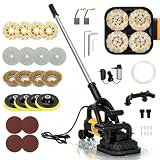
2. 4-Head Concrete Grinding Machine, 3800W Copper Motor for Concrete Grinding
- Four-Head Grinding System& 24/7 Support: If you have any questions, just let us know. We’ll help resolve them.3800W concrete...
- 3800W Motor & 6-Speed Control: This concrete grinder’s 3800W pure copper motor (max 6000 RPM) delivers strong power for...
- User-Friendly Design:Say Goodbye to Back-Breaking Grinding! With ergonomic design, its extended non-slip handle + auxiliary...
Best for: Warehouse epoxy removal.
A 4-head grinding system with four 4-inch diamond wheels gives this machine the footprint to work fast on factory and warehouse concrete. The wider coverage is useful when the goal is stripping coatings or leveling rough slabs with fewer passes. A 3800W pure copper motor supplies the muscle behind that coverage, so the machine is aimed at heavy floor prep rather than light polishing.
The max 6000 RPM ceiling gives you enough speed range for more aggressive material removal when the surface calls for it. Rotational deviation compensation helps keep the grind smoother, which matters on large concrete bays where uneven movement can leave marks. Six speed settings let you dial the machine to concrete prep, epoxy stripping, or finer polishing work. The dust-free system is a practical advantage in enclosed spaces because it helps limit cleanup while the ergonomics support longer sessions. Corded electric power keeps the output consistent across long warehouse runs, and the black-and-orange finish makes the unit easy to spot on busy job sites.
Pros
- Four 4-inch diamond wheels for wide concrete coverage
- 3800W pure copper motor for heavy floor prep
- Max 6000 RPM for higher-speed removal and polishing
- Dust-free system for cleaner indoor grinding sessions
Cons
- No battery option is listed, so operation depends on a corded power connection.
This grinder fits buyers tackling epoxy, concrete, and large flat floors where speed and coverage matter. Its combination of 4-head grinding, 6-speed control, and dust management makes it better suited to serious site work than occasional patch jobs.
| Specification | Details |
|---|---|
| Brand | ZSUCC |
| Power Source | Corded Electric |
| Grinding System | 4-Head Grinding System |
| Wheel Size | 4-inch diamond grinding wheels |
| Motor Power | 3800W |
| Maximum Speed | 6000 RPM |
| Special Features | 4-Head Grinding System, 6-Speed Control, Dust-Free System, Ergonomic Design |
| Color | Black and Orange |
I see this as a smart pick for users who spend time on bigger concrete areas and want a machine that can keep pace. The 4-head system and max 6000 RPM give it a strong working range, while the dust-free feature makes indoor prep easier to live with. It suits warehouse-style projects especially well.
3. 7-Inch Concrete Floor Grinder, 2200W Powerful concrete sander Machine

- 【2200W Powerful Performance】: The all-copper 2200W, 110V-50Hz motor provides continuous power for demanding concrete surfaces...
- 【Grind Every Corner】: The removable cover for easy 90° no-dead-angle grinding. When used with the 6-inch diamond grinding...
- 【Easy operating & Comfortable Use】: The quick speed adjustment feature allows you to button between 6 speeds in just 1 second...
Best for: Lightweight 7-inch grinder.
A 2200W all-copper motor gives this 7-inch concrete floor grinder enough steady power for demanding surfaces while keeping the machine comparatively manageable. The 110V-50Hz setup makes it straightforward for standard jobsite power, and the 6-inch diamond grinding wheel helps cover a larger section of slab with each pass. That combination favors users who need practical concrete grinding without a huge machine.
At 12.9 pounds, this grinder is notably easier to move than heavier walk-behind units, which helps when you are shifting between rooms or working around fixed obstacles. The removable cover supports 90° no-dead-angle grinding, so corners and edges are easier to reach without leaving a strip behind. A 20A current rating shows the motor expects a serious electrical supply, which suits focused grinding sessions rather than casual use. Installation videos are included, which is helpful if you want a clearer setup process before the first run. The corded electric format keeps output stable during continuous work on concrete surfaces.
Pros
- 2200W all-copper motor for steady grinding power
- 6-inch diamond wheel for broader floor coverage
- 12.9-pound weight for easier movement between areas
- Removable cover for 90° corner grinding
Cons
- The 20A electrical requirement narrows the outlets and circuits it can use safely.
This grinder makes sense for smaller crews or homeowners who want a lighter concrete tool with real cutting power. It is especially useful when corners matter and you do not want a bulky machine for every pass.
| Specification | Details |
|---|---|
| Brand | Generic |
| Voltage | 110 volts |
| Power Source | Corded Electric |
| AC Adapter Current | 20 A |
| Item Weight | 12.9 pounds |
| Motor Power | 2200W |
| Grinding Wheel | 6-inch diamond grinding wheel |
I’d choose this if I wanted a concrete grinder that is easier to handle without giving up meaningful power. The lower weight and corner-friendly cover make it appealing for controlled work in smaller spaces. It is a sensible fit for buyers who value maneuverability and standard 110V operation.
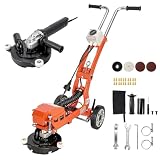
4. VEVOR Electric Concrete Grinder, 1400W 3600 RPM, Floor Walk Behind
- 2-in-1 Detachable Design: This floor grinder supports upright operation for easier floor grinding with less bending and fatigue...
- Powerful Motor, Efficient Grinding: This concrete grinder features a 1400 W high-power pure copper motor with speeds up to...
- Ergonomic Adjustable Handle: The handle of this concrete floor grinder adjusts to 75° and 150° folding angles and extends by...

Best for: Walk-behind edge-friendly grinding.
Aluminum and Q235A steel frame this VEVOR concrete grinder, giving the machine a work-oriented structure for floor grinding and polishing. The upright walk-behind layout reduces bending, and the detachable grinder head adds flexibility for walls, tabletops, and other surfaces. With a 1400W copper motor, it is aimed at controlled concrete work rather than brute-force removal.
The motor reaches up to 3600 RPM, which gives you enough surface speed for consistent grinding and polishing on demanding jobs. Because the machine is specified for dry grinding only, you know it is intended for dry floor prep and not wet use. At 62.5 pounds, it has enough mass to stay planted while you guide it, which can help on flat concrete sections. The orange color improves visibility on a busy site, and the corded electric power source supports continuous operation. The aluminum and Q235A steel material mix also tells you this machine is aimed at practical durability rather than lightweight carry-around use.
Pros
- Aluminum and Q235A steel construction for jobsite use
- Upright walk-behind layout for less bending
- 1400W motor with up to 3600 RPM for steady grinding
- Detachable grinder head for walls and tabletops
Cons
- It is for dry grinding only, so it does not suit wet concrete work.
This grinder fits users who want a steadier, more guided way to handle concrete floors. It is a good match for people who need upright operation and some side-task flexibility from the detachable head.
| Specification | Details |
|---|---|
| Brand | VEVOR |
| Material | Aluminum, Q235A Steel |
| Power Source | Corded Electric |
| Color | Orange |
| Item Weight | 62.5 pounds |
| Motor Power | 1400W |
| Maximum Speed | 3600 RPM |
| Grinding Mode | Dry grinding only |
My take is that this suits users who care more about control and posture than raw aggression. The upright design is the biggest day-to-day benefit, especially on longer floor prep jobs. If you want a concrete grinder that also handles a few non-floor surfaces through the detachable head, this one is practical.
5. 7 Inch Concrete Grinder Set, 3800W Concrete Floor Grinder with

- 3800W Motor & 6-Speed Control: Concrete grinder features a robust 3800W all-copper motor that delivers consistent stable power for...
- Dust-Free & Corner-to-Corner Grinding: Floor grinder comes with a detachable multi-function dust shroud for 90° flush-to-wall...
- User-Friendly Design: Concrete grinding machine features four adjustable extension rods for free height adjustment to facilitate...
Best for: High-output floor and stone prep.
A 3800W all-copper motor gives this 7-inch grinder set the power to handle concrete, marble, and granite work with consistent force. The 6-speed system reaches a maximum of 6000 RPM, so the machine can move from heavier removal toward finer polishing. An extendable rod adds reach, making the setup more useful across wide slabs and along edges.
The detachable multi-function dust shroud is the feature that matters most when you want cleaner 90° flush-to-wall grinding, since it helps keep material contained while you work edges. Because the machine is presented as a grinder set, you get a more complete setup for different surface jobs rather than a bare tool. The 7-inch size points to broader contact than smaller grinders, which helps with faster coverage on large concrete areas. Corded electric power keeps the output stable through long jobs, and the black professional look keeps the focus on function. The 6000 RPM ceiling supports both faster grinding and more controlled finish work when the surface changes.
Pros
- 3800W all-copper motor for high-intensity grinding
- 6-speed control for different surface needs
- Maximum 6000 RPM for fast removal and polishing
- Extendable rod for better reach on larger floors
Cons
- The corded design ties the machine to an outlet during extended floor work.
This is a strong option for buyers who want one grinder that can move between concrete and stone surfaces. The combination of high power, speed control, and edge-friendly dust handling makes it appealing for broad prep work.
| Specification | Details |
|---|---|
| Brand | ZSUCC |
| Power Source | Corded Electric |
| Maximum Rotational Speed | 6000 rpm |
| Item Highlight | 6-Speed, 6000RPM & Extendable Rod for Concrete Cement Granite Marble |
| Motor Power | 3800W |
| Grinding Size | 7 inch |
| Dust Control | Detachable multi-function dust shroud |
I’d recommend this to someone who wants a high-output grinder with enough flexibility for mixed surfaces. The 6000 RPM ceiling and extendable rod make it feel suited to larger, more varied jobs. If edge work matters, the dust shroud and flush-to-wall capability are the reasons to look closely.
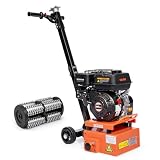
6. VEVOR Concrete Scarifier, 3700W 2500 RPM Walk-Behind Floor Planer Grinder
- Powerful Motor, Efficient Grinding: This floor scarifier features a 3700 W gasoline engine delivering speeds up to 2500 RPM...
- High-Efficiency Scarifying: This concrete scarifier covers 350-500 ft²/h / 33-46 m²/h and removes traffic lines at 800-1000 in/h...
- High-Hardness Cutters: This concrete floor grinder uses tungsten carbide cutters for extended service life. Each drum includes...
Best for: Heavy surface stripping work.
A 3700W gasoline engine and tungsten carbide cutters make this concrete scarifier more of a surface-removal machine than a light grinder. The walk-behind format suits larger prep areas, and the 31.69 x 17.32 x 41.73 inch footprint shows it is sized for serious floor work rather than tight indoor corners. With 2500 RPM available, the unit is focused on controlled removal across concrete surfaces.
The coverage rate of 350-500 ft²/h is the number that matters most if you need to cover a lot of floor in a workday. It also removes traffic lines at 800-1000 in/h, which is useful for jobs where marked pavement or worn surface lines need to be cleared quickly. The Q235A carbon steel, rubber, and tungsten carbide materials point to a machine assembled for abrasion and traction, not light handling. Because it is fuel powered, the unit is not dependent on a cord, which helps on larger job sites. The orange and black color scheme makes it easy to identify in active work zones, and the walk-behind layout supports steady, guided passes.
Pros
- 3700W gasoline engine for strong surface removal
- Tungsten carbide cutters for abrasive concrete work
- 350-500 ft²/h coverage for faster prep
- Fuel-powered operation for cord-free jobsite use
Cons
- Its large 31.69 x 17.32 x 41.73 inch size limits use in tight spaces.
This scarifier is for buyers who need aggressive floor preparation, not routine touch-up grinding. It suits open concrete areas where cutting speed and coverage matter more than compact size.
| Specification | Details |
|---|---|
| Brand | VEVOR |
| Material | Q235A Carbon Steel, Rubber, Tungsten Carbide |
| Product Dimensions | 31.69″L x 17.32″W x 41.73″H |
| Power Source | Fuel powered |
| Color | Orange+black |
| Motor Power | 3700W |
| Maximum Speed | 2500 RPM |
| Coverage | 350-500 ft²/h |
I’d pick this only when the job calls for real material removal across a wide slab. It is more specialized than the others here, but the tungsten carbide cutters and high coverage rate make it a strong fit for heavy prep. Buyers with large outdoor or industrial concrete areas will get the most value from it.
Quick Comparison Table of Best Concrete Floor Vacuums
| Product Name | Power | Drive Type | Weight | Best For | Check Price |
|---|---|---|---|---|---|
| 4-Head Concrete Floor Grinder with Extendable | 3800W | Corded | Heavy-duty | Large floor grinding | Check Price |
| 4-Head Concrete Grinding Machine, 3800W Copper | 3800W | Corded | Heavy-duty | Fast concrete prep | Check Price |
| 7-Inch Concrete Floor Grinder, 2200W Powerful | 2200W | Corded | 12.9 lb | Smaller grinding jobs | Check Price |
| VEVOR Electric Concrete Grinder, 1400W 3600 | 1400W | Corded | 62.5 lb | Walk-behind grinding | Check Price |
| 7 Inch Concrete Grinder Set, 3800W | 3800W | Corded | Extendable rod | Marble and concrete | Check Price |
| VEVOR Concrete Scarifier, 3700W 2500 RPM | 3700W | Fuel powered | Heavy-duty | Surface scarifying | Check Price |
How to Choose the Right best concrete floor vacuum
Suction power and debris pickup
For concrete floors, choose suction that keeps lifting fine dust after the first pass, not just at the nozzle. A strong pick has sealed airflow, a wide intake, and steady pickup on dust, grit, and the small chips that collect in garages and basements. Good options hold suction as the bin fills; weak ones leave trails or spit debris back out.
Look for a motor path with no obvious leaks, a bin that does not choke airflow, and enough pull to grab pebbles without repeated passes. Pick a high-suction vacuum with stable airflow for dusty garages and workshop floors, and choose a lighter pickup model only for occasional, dry cleanup.
| Type | Best for |
|---|---|
| High-suction upright or canister | Frequent concrete dust and mixed grit |
| Wide-floor nozzle with strong airflow | Open slabs, basements, and garages |
| Compact handheld or stick | Light debris and quick touch-ups |
Filtration and dust containment
For concrete dust, filtration matters as much as suction because the finest particles escape through weak seals. Choose HEPA or high-efficiency filtration, a fully sealed system, and gaskets that keep air from bypassing the filter. Good filters catch powdery residue instead of coating shelves and tools; poor setups leave a visible haze or smell after cleaning.
Washable filters reduce upkeep, but replaceable cartridges stay more consistent when dust loads are heavy. Pick a sealed HEPA vacuum for indoor concrete cleanup and choose a washable filter only when you want simpler routine maintenance and moderate dust control.
| Filter type | Best for |
|---|---|
| HEPA with sealed housing | Fine concrete dust and indoor air control |
| High-efficiency cartridge | General garage and basement cleanup |
| Washable foam or cloth prefilter | Simple upkeep and lighter dust loads |
Brushroll and floorsafe cleaning
For hard concrete, the right floor head protects the surface while still sweeping up dust and grit in one pass. A soft roller or bare-floor head glides cleanly without scattering debris, and an adjustable brush setting helps when cleanup shifts from powder to small chips. Low-profile heads matter at baseboards, under shelving, and around machinery because bulky tools miss that material.
Good heads sit close to the floor and pivot cleanly; poor ones scrape, bounce, or leave edge buildup. Pick a soft, low-profile hard-floor head for smooth concrete, and choose an adjustable brush system for spaces that collect both dust and larger debris.
| Head type | Best for |
|---|---|
| Soft roller | Fine dust on smooth concrete |
| Bare-floor brush | General hard-surface cleaning |
| Adjustable brushroll | Mixed grit, chips, and debris |
Capacity, reach, and maneuverability
For larger concrete areas, capacity and reach determine whether cleaning feels efficient or repetitive. A bigger dustbin reduces stops for emptying, while a long cord or strong battery runtime covers garages, workshops, and utility rooms without constant resets. Weight also matters: a lighter body with a comfortable handle and swivel steering moves easily around machines, shelves, and parked items.
Good units balance a usable bin with easy turning and stable handling; poor ones feel heavy, tip forward, or require frequent emptying. Pick a larger-capacity, long-reach model for broad floor space, and choose a compact, light vacuum for quick cleanup in smaller rooms.
| Type | Best for |
|---|---|
| Large bin and long cord | Big garages and workshops |
| Mid-size cordless stick | Mixed spaces with easy movement |
| Light compact vacuum | Small concrete areas and quick pickups |
Durability and maintenance needs
For workshop and garage use, durability and maintenance decide whether the vacuum stays useful after repeated dust exposure. Choose a rugged housing, reinforced hose and wand connections, and attachment fittings that stay tight under frequent use. An easy-empty bin and simple filter access save time and keep maintenance from becoming a chore, while weak latches, thin plastics, or floppy hoses signal a short service life.
Good concrete-floor vacuums use sturdy materials, removable filters, and parts that swap quickly. Pick a rugged, easy-service vacuum for daily shop cleanup, and choose a simpler, lighter unit only when use is occasional and light.
| Feature | Best for |
|---|---|
| Reinforced housing and hose | Garage and workshop abuse |
| Tool-free bin and filter access | Fast maintenance and frequent emptying |
| Simple attachment set | Light household concrete cleanup |
Which Should You Choose?
- If you need to remove thick coatings or level large concrete areas fast, choose a heavy-duty 4-head grinder with a wide grinding path and high wattage.
- If you want smoother all-around floor grinding with fewer passes, choose a four-head machine with diamond discs and a square chassis for better coverage.
- If you are handling smaller jobs or want more flexible control, choose a compact 7-inch grinder with strong motor power and adjustable speed.
- If you need easier handling for both floors and vertical surfaces, choose a walk-behind grinder with a detachable or upright design.
Quick Best Concrete Floor Vacuum Buying Checklist
- Check suction strength. Make sure the vacuum can pick up fine dust, grit, and heavier debris from concrete floors without losing performance.
- Look for strong filtration. A sealed system with fine-particle filtration helps trap concrete dust instead of recirculating it.
- Choose a floor-safe cleaning head. Soft rollers or hard-floor attachments reduce scattering and protect smooth concrete surfaces.
- Review capacity and reach. A larger dustbin and long cord or runtime help cover garages, basements, and workshop areas more efficiently.
- Prioritize maneuverability. Lightweight construction, swivel steering, and a low profile make it easier to clean corners and tight spaces.
- Inspect durability and upkeep. Easy-empty bins, washable filters, and sturdy parts are especially useful for frequent concrete cleanup.
How Concrete Floor Vacuums Handle Fine Dust and Heavy Debris
Concrete floors collect two very different kinds of mess: fine dust from grinding or sweeping, and heavier debris like chips, grit, and small hardware. The best concrete floor vacuum handles both without clogging or losing suction too quickly. Many models use strong airflow to lift dust from textured surfaces, while wide nozzles help pull in larger particles efficiently.
A good filtration system matters as much as raw power because concrete dust can be extremely fine and easily recirculated if the vacuum is poorly sealed.
For shops and garages, the ideal setup balances pickup speed with dust containment. This is especially important after sanding, sawing, or masonry work, when airborne particles can settle deep into surface pores and joints.
Wet-Dry Vacuums vs Dedicated Floor Vacuums for Concrete
Wet-dry vacuums and dedicated floor vacuums can both clean concrete, but they excel in different situations. Wet-dry models are built for versatility, so they are useful when concrete areas also need to handle water, sludge, or mixed debris. Dedicated floor vacuums often provide better maneuverability, more polished floor-nozzle designs, and stronger dust control for dry cleaning.
In garages, basements, and workshops, the best choice depends on the type of mess you face most often. If your concrete floor regularly sees dry dust and fine grit, a purpose-built floor vacuum can be easier to push and more effective at edge cleaning. If spills are common, wet-dry capability becomes more valuable.
| Type | Best for |
|---|---|
| Wet-dry vacuum | Mixed debris, damp messes, and occasional liquid cleanup |
| Dedicated floor vacuum | Frequent dry dust removal and smoother floor cleaning |
| Industrial shop vacuum | Heavy-duty messes, masonry dust, and rugged use |
Filtration Features That Matter on Concrete Dust
Concrete dust is abrasive and often much finer than ordinary household dirt, so filtration quality has a major effect on performance. Multi-stage filtration can trap larger debris first and then capture the finer particles before they reach the motor or escape back into the room. For users cleaning construction dust, a sealed system is especially helpful because leaks around the filter housing can undo even a powerful vacuum’s advantages.
Washable filters, cartridge filters, and dust collection bags each offer different benefits. Bags can make disposal cleaner, while cartridge filters are convenient for repeated use. The best setup is the one that keeps suction consistent without requiring constant maintenance during a cleanup session.
Common Mistakes When Using a Vacuum on Concrete Floors
One common mistake is treating all concrete debris the same. Fine dust, sharp grit, and small chunks should be handled with the right attachment instead of forcing the vacuum to do everything at once. Another frequent error is using a dirty filter for too long, which reduces suction and can push fine particles back into the air.
Users also sometimes choose a nozzle that is too wide for corners, expansion joints, or along baseboards, leaving a visible dust line behind.
It also helps to inspect the surface before vacuuming. Nails, screws, and larger fragments can damage the hose or jam the brush head. Clearing those first protects the machine and makes the cleaning pass more efficient.
- Empty the canister before it becomes overfilled.
- Check filters regularly for caked dust.
- Use crevice tools for edges and seams.
- Remove sharp debris before starting.
Care and Maintenance for Long-Term Performance
Concrete cleaning can be hard on vacuums, so regular maintenance is essential if you want consistent suction. Fine dust can settle into filters, hoses, and seals, slowly reducing performance even when the machine still appears to run normally. Emptying the collection bin often helps prevent dust from compacting and restricting airflow.
Cleaning or replacing filters on schedule also protects the motor from overload caused by restricted intake.
Hoses should be checked for cracks, especially if the vacuum is moved around a garage or jobsite. Wheels, latches, and attachments benefit from occasional inspection too, since concrete debris can wear them down faster than lighter household dirt. Good care extends both power and service life.
Frequently Asked Questions (FAQs)
What Should The Best Concrete Floor Vacuum Handle Well?
The best concrete floor vacuum should handle fine dust, grit, and heavier debris without scattering dirt across the surface. It also needs strong suction and a floor-safe head so it can clean smooth concrete efficiently in garages, basements, and workshops.
Why Does Filtration Matter In A Concrete Floor Vacuum?
Filtration matters in a concrete floor vacuum because concrete dust can be very fine and easy to recirculate. A sealed system with high-efficiency filtration helps trap small particles, which keeps the air cleaner and reduces dust blowing back onto the floor.
Is A Brushroll Necessary For Concrete Floors?
A brushroll can help a concrete floor vacuum loosen dust and debris, but it should be adjustable or soft enough for hard surfaces. A bare-floor head or soft roller is often better when you want less scattering and smoother pickup on flat concrete.
How Important Is Dustbin Size In A Concrete Floor Vacuum?
Dustbin size is important in a concrete floor vacuum because concrete debris fills containers quickly, especially in garages or workshops. A larger bin reduces emptying stops and helps maintain airflow, which supports more consistent cleaning over bigger floor areas.
What Features Help A Vacuum Clean Large Concrete Areas?
Long reach features help a vacuum clean large concrete areas by reducing the need to move outlets or stop often. Look for a long cord, strong battery runtime, a wide cleaning path, and smooth swivel steering to cover more ground efficiently.
Can A Concrete Floor Vacuum Work In Mixed Spaces?
Yes, a concrete floor vacuum can work in mixed spaces if it includes adjustable settings and versatile attachments. A model with a floor-safe head, crevice tool, and strong edge cleaning can move easily from concrete to adjacent rugs or mats.
How Do I Choose A Durable Concrete Floor Vacuum?
Choose a durable concrete floor vacuum by looking for sturdy housing, reinforced hoses, and easy maintenance access. Frequent dust collection can wear parts down, so washable filters, simple bin emptying, and solid construction are practical signs of long-term value.
Final Suggestions
Choosing the best concrete floor vacuum helps you remove fine dust, grit, and larger debris without wasting time or stirring up mess. With the right balance of suction, filtration, reach, and durability, these vacuums make concrete floors easier to maintain in garages, basements, and work areas. Pick the features that match your space, and cleaning will feel faster and more manageable from the start.