Top 4 Best Drywall Dust Vacuum: Must-See Picks
Best drywall dust vacuum performance matters when fine gypsum particles can clog filters, scatter through living spaces, and linger in the air. The right model is more than a shop tool—it is a dust collection system built to handle ultra-fine debris, support cleaner sanding, and reduce cleanup time on renovation projects. From HEPA filtration to sealed airflow and high-suction motors, today’s drywall dust vacuums bring serious innovation to a messy job.
Understanding the difference between a drywall vacuum, dust extractor, and shop vac can help narrow the field fast. In this guide, we break down the features that separate basic cleanup tools from truly capable machines, so the best drywall dust vacuum choice becomes much clearer as you read on.
Detailed Overview of the Best Drywall Dust Vacuum
1. DEWALT DWV010 HEPA Dust Extractor with Automatic Filter Cleaning, 8-Gallon
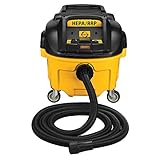
- Automatic Filter Clean of the dust extractor pulses every 30 seconds for continuous operation without stopping to clean filter
- 15-amp motor of DEWALT dust extractor delivers 150 CFM of airflow
- Power Tool Actuation controls the On/Off operations of the vacuum with a power tool

Best for: Continuous-filter crews and remodelers.
An 8-gallon HEPA tank gives this DEWALT extractor enough capacity for drywall sanding sessions without frequent dump stops. The corded setup and 15-amp motor push 150 CFM, so fine dust moves quickly through the hose instead of lingering around the work area. For remodelers who need steady pickup during patching, that combination keeps the cleanup rhythm moving.
Automatic Filter Clean pulses every 30 seconds, which matters when drywall dust starts loading the filter fast. The power-tool actuation lets a connected tool switch the vacuum on and off, so the extractor follows the sanding or cutting tool instead of running separately all day. A universal hose connector with swivel capability helps the hose stay seated while you move around ladders and corners. Heavy-duty wheels improve transport between rooms, and the HEPA filter setup supports cleaner dust capture during renovation work. With the RRP Rule compatibility listed for DWV9330 filters, this unit suits lead-aware renovation jobs where filtration matters as much as suction.
Pros
- 8-gallon capacity reduces emptying during sanding runs
- 150 CFM airflow from the 15-amp motor moves drywall dust efficiently
- Automatic Filter Clean every 30 seconds helps sustain suction
- Power tool actuation syncs vacuum use with the connected tool
Cons
- RRP compliance depends on using DWV9330 filters, so the lead-related setup is not complete with the base configuration alone.
For drywall finishing, the value here is steady extraction without constant filter stoppages. It fits buyers who want a corded shop vacuum that keeps up with power tools and longer sanding stretches.
| Specification | Details |
|---|---|
| Brand | DEWALT |
| Capacity | 8 Gallons |
| Power Source | Corded |
| Motor | 15-amp |
| Airflow | 150 CFM |
| Filter Type | HEPA Filter |
| Special Feature | HEPA |
| Special Feature | Portable |
| Special Feature | Wheels |
| Surface Recommendation | Upholstery |
I’d point this one to contractors and serious DIYers who want fewer interruptions while sanding drywall. The automatic filter cleaning is the main reason it stands out in use, and the power-tool activation makes the workflow feel integrated instead of clunky. It makes the most sense for interior renovation work where dust control and continuous suction matter together.
2. Bosch VAC090AH 9 Gallon Dust Extractor with Auto Filter for

- AUTO CLEANING: With automatic filter cleaning, the BOSCH dust extractor VAC090AH cleans the filter every 15 seconds to help...
- PERFORMANCE: This vacuum includes a HEPA filter that captures 99.97 percent of particles at 0.3 microns or larger, while the...
- OSHA COMPLIANT: Featuring BOSCH PRO plus GUARD, an end to end dust collection system to help users move toward OSHA Silica Table...
Best for: Airflow-focused renovation cleanup.
A 9-gallon dust extractor with HEPA filtration gives this Bosch model more collection space for long drywall cleanup passes. The corded electric design pairs with a 150 CFM maximum airflow, so it can keep pace with sanding and cutting tools in a busy room. That larger tank is the practical edge for buyers who want fewer stops to empty dust during renovation work.
The sustainable maximum 97 in. static water lift adds pulling force for heavier debris and embedded drywall dust, not just loose powder on the floor. Power tool activation lets the connected tool control vacuum start and stop, while the Power Broker dial adjusts suction to the application instead of running full tilt all the time. Bosch PRO plus GUARD is listed as an end-to-end dust collection system, which suits buyers who want the extractor tied into a broader dust-control setup. The HEPA filter and wet/dry capability also make it useful beyond sanding, especially when jobs shift between dust pickup and cleanup of damp messes.
Pros
- 9-gallon capacity supports longer cleanup intervals
- 150 CFM maximum airflow helps remove drywall dust quickly
- 97 in. static water lift adds strong pickup for heavier debris
- Power Broker dial matches suction to the task
Cons
- The product data does not list automatic filter cleaning, so filter maintenance may be more manual than on some competing extractors.
This Bosch unit is a strong fit when drywall dust is only part of a broader cleanup job. Buyers who want high airflow, adjustable suction, and a larger tank will get the most from it.
| Specification | Details |
|---|---|
| Brand | Bosch |
| Capacity | 9 Gallons |
| Power Source | Corded Electric |
| Airflow | 150 CFM |
| Static Water Lift | 97 in. |
| Filter Type | HEPA Filter |
| Special Feature | HEPA |
| Special Feature | High Power |
| Special Feature | Wet/Dry |
| Special Feature | Wheels |
I’d recommend this to anyone who wants a dust extractor that can handle drywall cleanup and wet-dry work in the same machine. The suction control is the practical advantage here, because it lets you tune pickup instead of relying on one fixed setting. It feels especially useful for mixed renovation spaces where debris type changes from room to room.
3. Dapper Supply Wet/Dry Dust Extractor/Vacuum with Auto HEPA Filter, 8

- 8-Gallon Wet/Dry Dust Extractor with HEPA Filter – Commercial-grade extractor designed for wet spills and dry dust, ideal for...
- Automatic Filter Cleaning Every 25 Seconds – Fully automatic filter cleaning system clears debris from the HEPA filter during...
- High-Power Suction & Airflow – Powered by a 1200W motor delivering up to 140 CFM airflow, 20 kPa vacuum, and 84.3 in. static...
Best for: Budget-minded jobsite dust control.
An 8-gallon wet/dry tank with HEPA filtration gives this Dapper Supply extractor the basics needed for drywall sanding cleanup. The 1200W motor pushes up to 140 CFM, so it has enough airflow to pull fine dust off tools, floors, and work surfaces. For buyers who want a simpler extractor for shop or jobsite use, that combination covers the core need without extra complexity.
Automatic filter cleaning every 25 seconds is the key practical feature, since drywall dust can clog a filter quickly during continuous sanding. The unit also lists 20 kPa vacuum and 84.3 in. static water lift, which gives it pulling force beyond simple surface pickup and helps on heavier debris. Its commercial-grade HEPA filtration is a strong fit for drywall dust collection where fine particles matter, and the wet/dry design expands use beyond powder cleanup. The lightweight build makes it easier to move around a jobsite or from garage to room, especially when the work area changes during a project.
Pros
- 8-gallon tank holds a useful amount of drywall dust
- 1200W motor powers up to 140 CFM airflow
- Automatic filter cleaning every 25 seconds supports continuous use
- 20 kPa vacuum adds strong suction for jobsite debris
Cons
- The product data does not list power-tool activation, so it is less integrated with sanding tools than some other extractors.
This model fits buyers who want dependable drywall dust pickup with a straightforward wet/dry format. Its filter cleaning cycle and HEPA system make it especially practical for continuous sanding cleanup.
| Specification | Details |
|---|---|
| Brand | Dapper Supply |
| Capacity | 8 Gallons |
| Power Source | Corded Electric |
| Motor Power | 1200W |
| Airflow | 140 CFM |
| Vacuum | 20 kPa |
| Static Water Lift | 84.3 in. |
| Filter Type | HEPA Filter |
| Special Feature | Automatic HEPA Filter Cleaning |
| Special Feature | Wet & Dry Dust Extraction Capability |
I think this one suits homeowners and contractors who want a practical extractor for drywall dust without overcomplicating the setup. The automatic filter cleaning is the real selling point for sustained sanding, and the 8-gallon tank is large enough to feel useful on remodel days. It’s a sensible pick when you want a single vacuum for dust and occasional wet cleanup.
4. 8 Gallon 6 Peak HP Wet/Dry Dust Extractor Vacuum with

- 8-Gallon Wet/Dry Dust Extractor with HEPA Filter – Designed for professional and DIY use, this extractor safely handles wet...
- Semi-Automatic HEPA Filter Cleaning – Features a dust-shake button that manually dislodges debris from the HEPA filter during...
- High-Performance Suction & Airflow – Powered by a 1200W motor delivering up to 140 CFM airflow, 18 kPa vacuum, and 72.3 in...
Best for: Lightweight HEPA cleanup for mixed projects.
An 8-gallon wet/dry extractor with a HEPA filter gives this Dapper Supply unit the room needed for sanding dust and general renovation debris. The 1200W motor provides the muscle for jobsite pickup, while the lightweight design makes it easier to carry between floors or rooms. For drywall work that shifts between cleanup tasks, that balance of capacity and portability is useful.
The semi-automatic HEPA filter cleaning uses a dust-shake button, so the filter can be cleared during operation without stopping the entire workflow. That matters when drywall dust builds up faster than a standard filter can handle. The product data also lists high-performance suction and airflow, which pairs with the 8-gallon tank for sustained cleanup on jobsites, workshops, and home projects. Because it handles wet spills as well as dry debris, the vacuum can stay in rotation after the drywall sanding is done. The all-floors surface recommendation broadens its use beyond a single room or material type.
Pros
- 8-gallon capacity supports longer drywall cleanup sessions
- 1200W motor gives strong suction for renovation debris
- Dust-shake button helps clear the HEPA filter during use
- Lightweight design makes transport easier between work areas
Cons
- Filter cleaning is semi-automatic rather than fully automatic, so you still need to engage the dust-shake button during use.
This extractor suits buyers who want a lighter, more flexible machine for drywall dust and general cleanup. The semi-automatic filter cleaning keeps the price of convenience low in complexity, not performance.
| Specification | Details |
|---|---|
| Brand | Dapper Supply |
| Capacity | 8 Gallons |
| Power Source | Corded Electric |
| Motor Power | 1200W |
| Filter Type | HEPA Filter |
| Special Feature | Lightweight |
| Special Feature | Wet & Dry Dust Extraction Capability |
| Special Feature | Semi-Automatic HEPA Filter Cleaning |
| Surface Recommendation | All floors |
I’d choose this for buyers who want a manageable extractor that can move easily around a house or jobsite. The dust-shake feature is practical for drywall work because it gives you a quick way to keep suction from falling off too fast. It makes the most sense if you value portability and want wet/dry flexibility in the same unit.
Quick Comparison Table of Top Drywall Dust Vacuums
| Product Name | Capacity | Filter Type | Power Source | Best For | Check Price |
|---|---|---|---|---|---|
| DEWALT DWV010 HEPA Dust Extractor with | 8-Gallon | HEPA Filter | Corded | Continuous dust extraction | Check Price |
| Bosch VAC090AH 9 Gallon Dust Extractor | 9-Gallon | HEPA Filter | Corded Electric | High-power dust extraction | Check Price |
| Dapper Supply Wet/Dry Dust Extractor/Vacuum with | 8-Gallon | HEPA Filter | Corded Electric | Auto-clean jobsite use | Check Price |
| 8 Gallon 6 Peak HP Wet/Dry | 8-Gallon | HEPA Filter | Corded Electric | Lightweight wet/dry use | Check Price |
How to Choose the Right best drywall dust vacuum
Dust collection capacity and filtration
Choose capacity around the size of the sanding job, not the smallest tank you can tolerate. For one room and quick patch work, a compact canister with a 2-6 gallon tank keeps weight down and empties fast. For whole-home drywall work, step up to 8-12 gallons so fine dust does not force constant stops.
HEPA filtration is the filter standard to insist on for drywall dust, and a sealed system matters more than raw tank size. Bagged cleanup is cleaner for repeated sanding, while bagless suits users who want faster emptying and less ongoing upkeep.
Pick a sealed HEPA vacuum with a medium tank and bagged collection for frequent drywall sanding; choose a compact bagless unit for small repair jobs and quick cleanouts.
| Type | Best for | What to look for |
|---|---|---|
| 2-6 gallon tank | Small rooms, patching | Lightweight body, sealed HEPA, quick emptying |
| 8-12 gallon tank | Full-room sanding | Higher debris volume, stable base, large filter area |
| Bagged system | Frequent drywall dust cleanup | Disposable liner, sealed collar, clean disposal |
| Bagless system | Fast turnover, occasional use | Easy-latch bin, washable filter, simple dump access |
Suction power and airflow performance
Match suction to drywall dust first, then check airflow for real cleanup work. Fine sanding dust needs steady pull through long hoses and narrow nozzles, so look for strong CFM along with solid lift; weak numbers here leave powder behind on floors and trim. A good jobsite vacuum keeps suction consistent after the bin starts filling and after several minutes of continuous use.
For sanding tool hookup, choose a model with automatic tool activation and a hose that does not choke airflow. Pick a high-airflow vacuum with balanced suction and sanding-tool compatibility for active remodeling; choose a moderate unit only for light debris and short cleanup passes.
| Type | Best for | What to look for |
|---|---|---|
| High CFM, moderate lift | Wide-area dust pickup | Strong room cleanup, broad hose flow |
| Balanced CFM and lift | Sanding tools and detail work | Stable suction through attachments |
| High lift, lower airflow | Heavier debris and clogs | Strong pull, shorter hose runs |
| Tool-activated system | Connected sanding | Auto-start port, tight hose seals |
Durability and jobsite construction
Pick a rugged housing when the vacuum will move across unfinished floors, stairs, and crowded rooms. Impact-resistant shells, reinforced corners, and a thick hose jacket matter more than cosmetic finishes. A good hose resists kinks, flattening, and crush damage, while a poor one collapses at bends and loses suction fast.
Look for wide wheels, a low center of gravity, and a base that stays upright when pulled around corners. Motor protection is just as important: clog protection, thermal shutoff, and easy filter access keep the unit running through repeated sanding sessions.
Choose a reinforced, stable vacuum for daily jobsite use; choose a lighter shell only for controlled home projects.
| Type | Best for | What to look for |
|---|---|---|
| Impact-resistant housing | Frequent transport | Thick casing, reinforced edges, sealed seams |
| Crush-resistant hose | Busy work areas | Ribbed construction, flexible but firm wall |
| Wide-wheel base | Uneven floors | Low tipping risk, smooth rolling |
| Protected motor system | Long sanding runs | Overload guard, clog control, service access |
Mobility, hose reach, and ergonomics
Choose reach based on room size and how often you want to move the machine. A long hose helps you work around ceilings, corners, and hallways without dragging the body every few minutes; 7-10 feet suits average rooms, while 12 feet or more helps on larger projects. Cord length should match that reach so you do not keep changing outlets.
For portability, look for a compact frame, a balanced carry handle, and a weight you can lift without strain. Pick a long-reach, compact vacuum for larger rooms and multi-room jobs; pick a shorter, lighter unit for quick repairs and easy stair transport.
Noise, maintenance, and extra features
Noise matters because drywall cleanup happens indoors, near occupied rooms and finished surfaces. A lower-decibel vacuum makes it easier to work longer without fatigue, and models with smoother motors usually sound less harsh. Maintenance should be simple: filter removal without tools, a dust bin that opens wide, and washable or replaceable filters that are easy to source.
For extra features, autostart is the best match for sanding tools because it keeps the vacuum synced to the sander, while wet-dry capability helps with mixed cleanup after taping or washing. Accessory storage on the body keeps nozzles and hoses organized.
Pick a quieter vacuum with easy-clean parts and autostart for active remodeling; pick wet-dry versatility and onboard storage for mixed cleanup crews.
Which Should You Choose?
- If you’re doing long drywall sanding sessions and want to avoid constant interruptions, choose an extractor with automatic filter cleaning and strong continuous airflow.
- If you need a mid-to-large capacity unit for contractor-style dust collection, choose a 9-gallon class vacuum with high CFM and solid suction for sustained pickup.
- If your worksite includes both dry drywall dust and occasional wet cleanup, choose a wet/dry dust extractor with HEPA filtration and auto filter cleaning.
- If you want a versatile shop vacuum for drywall dust plus general cleanup around the home or garage, choose an 8-gallon wet/dry model with HEPA filtration and a strong motor.
Quick Best Drywall Dust Vacuum Buying Checklist
- Choose strong filtration. Look for HEPA-level capture to trap fine drywall dust before it escapes back into the room.
- Match suction to the job. Make sure the vacuum can handle sanding dust, heavier debris, and longer cleanup sessions without losing power.
- Check hose and cord reach. Longer reach helps you move through large rooms and ceilings without constantly changing outlets.
- Prioritize durable construction. Reinforced housings, tough hoses, and stable wheels help the vacuum survive frequent jobsite use.
- Look for easy maintenance. A simple filter system and accessible dust bin make cleanup faster and keep performance consistent.
- Value useful accessories. Crevice tools, wide nozzles, and sanding-tool adapters make drywall cleanup more efficient and targeted.
How a Drywall Dust Vacuum Captures Fine Grit
A drywall dust vacuum is built to handle ultra-fine gypsum particles that regular shop vacs often miss. Instead of simply pulling debris into a bin, the best models use tightly sealed filtration and strong airflow to keep powder from escaping back into the room. Many pair a pleated or cartridge filter with a collection bag so the dust is trapped in stages, which helps prevent clogging and reduces airborne residue during cleanup.
This matters because drywall dust is light, persistent, and easy to redistribute with every movement. A good system should also maintain suction as the container fills, so pickup stays consistent during sanding, sweeping, and cleanup after cutting.
Drywall Vacuum Types and Their Trade-Offs
Not every drywall dust vacuum is designed the same way, and the main differences affect how well it fits the job. Some units are compact portable vacuums meant for sanding and small remodels, while others are larger canister-style machines better suited for repeated cleanup across multiple rooms. A few are optimized for wet and dry use, but that extra versatility may come with bulkier storage and more filter maintenance.
Corded models usually provide steadier runtime, while battery-powered versions offer easier mobility for quick touchups. The right style depends on whether the priority is portability, runtime, or maximum dust containment.
| Type | Best for |
|---|---|
| Compact portable | Small sanding jobs and tight spaces |
| Canister style | Repeated cleanup across larger areas |
| Wet/dry model | Mixed debris and broader jobsite use |
| Cordless model | Quick cleanup where outlets are limited |
Filter Care That Keeps Performance High
Filter maintenance is one of the biggest factors in long-term performance, especially when handling fine drywall powder. A clogged filter reduces airflow, weakens suction, and can let dust settle back onto finished surfaces. Most vacuums work best when the filter is tapped out or cleaned regularly during use, rather than waiting until suction drops noticeably.
Washable filters should be completely dry before reinstallation, since moisture can trap more dust and create odors. It is also important to replace damaged seals and worn filter media, because even a small gap can let fine particles pass through the exhaust.
Using the correct bag or dust liner can further reduce cleanup inside the vacuum.
Safety Steps for Drywall Sanding Cleanup
Cleaning drywall dust is not just about appearance; it also helps reduce exposure during sanding and demolition work. Fine gypsum particles can irritate the eyes, throat, and lungs, so a vacuum should be part of a broader dust-control routine. Whenever possible, use sanding tools with dust ports, ventilate the work area, and empty the vacuum only in a controlled spot to avoid releasing a cloud of powder.
A sealed mask and eye protection are still useful even with strong suction, because dust can remain airborne while walls are being sanded. Avoid using a vacuum with a compromised filter, since that can spread the same particles you are trying to remove.
- Seal or close off nearby rooms before sanding.
- Empty the collection bin slowly and away from living areas.
- Inspect hoses and gaskets for leaks before use.
- Wear respiratory protection during heavy dust work.
When a Shop Vac Is Not Enough
Many people start with a standard shop vacuum, but drywall cleanup often reveals its limits. Basic wet/dry vacs can move debris well, yet some are not sealed tightly enough for fine dust, so small particles may escape through the exhaust or build up quickly on the filter. That can lead to weaker suction and more frequent interruptions.
In contrast, a vacuum designed for drywall dust usually focuses on filtration, sealing, and dust collection efficiency rather than general-purpose debris handling. In some cases, a dust extractor or a vacuum paired with a tool-specific sanding attachment will perform better than a general utility vac.
The best alternative depends on whether the task is occasional cleanup or regular finishing work.
| Alternative | Best for |
|---|---|
| Standard shop vac | General debris and light cleanup |
| Drywall dust vacuum | Fine powder control and sanding dust |
| Dust extractor | Tool-connected sanding and cutting |
| Air purifier | Reducing lingering airborne dust |
Frequently Asked Questions (FAQs)
What Makes The Best Drywall Dust Vacuum Different From A Regular Vacuum?
The best drywall dust vacuum is built to capture ultra-fine powder without clogging or recirculating it. It usually includes stronger filtration, a rugged hose, and higher airflow so drywall sanding dust does not overwhelm the motor or escape back into the room.
Why Is Hepa Filtration Important In A Drywall Dust Vacuum?
HEPA filtration is important in a drywall dust vacuum because it traps fine particles that standard filters often miss. That matters during sanding, when powdery dust can spread quickly; a sealed filter system helps keep the air cleaner and reduces mess on nearby surfaces.
How Much Suction Should A Drywall Dust Vacuum Have?
A drywall dust vacuum should have enough suction to pull fine dust through a hose and attachment without fading during longer cleanup sessions. Look for balanced airflow and strong pickup so the vacuum can handle sanding residue, corners, and floor debris efficiently.
Can A Drywall Dust Vacuum Connect To Power Sanders?
Yes, a drywall dust vacuum can connect to power sanders if it has the right hose adapter and auto-start or tool-activated support. This setup captures dust at the source, which greatly reduces airborne particles and keeps sanding areas cleaner as you work.
What Size Drywall Dust Vacuum Is Best For Home Projects?
A medium-sized drywall dust vacuum is usually best for home projects because it offers enough capacity without being bulky to move or store. It should have a tank large enough for repeated sanding cleanup and a body compact enough to fit in tight work areas.
How Do I Maintain A Drywall Dust Vacuum For Best Performance?
A drywall dust vacuum performs best when you empty the bin often, clean or replace filters on schedule, and check hoses for clogs. Regular maintenance prevents suction loss, protects the motor from fine dust buildup, and keeps cleanup fast and consistent.
Are Wet-Dry Features Useful In A Drywall Dust Vacuum?
Yes, wet-dry features are useful in a drywall dust vacuum because they add versatility for mixed cleanup tasks beyond sanding dust. They help with spills, small debris, and renovation messes, making the vacuum more practical for garages, basements, and remodel work.
Final Suggestions
In summary, the best drywall dust vacuum combines strong suction, fine dust filtration, and durable construction to make cleanup faster and cleaner. It is valuable for sanding, remodeling, and everyday jobsite messes because it helps control airborne debris while saving time. Choose the features that match your workspace, and you will be ready for smoother, cleaner projects ahead.