Top 5 Best Grill Ideas That Wow Buyers
Best grill ideas matter when cooking performance, fuel efficiency, and flavor all depend on the right design. From compact patio units to high-output outdoor cooking systems, today’s grills blend precision heat control, durable materials, and smarter airflow to improve every session. The best grill ideas often come down to details most buyers miss, including grate construction, ignition technology, temperature consistency, and cleaning convenience.
As grill innovation expands, so do the differences between gas grill ideas, charcoal grill ideas, and hybrid outdoor setups built for different cooking styles. In this guide, we break down what separates standout options from basic models and why those features can change how you cook, sear, and serve.
Keep reading to see which picks rise above the rest and what makes them worth a closer look.


In-depth Reviews of the Best Grill Ideas
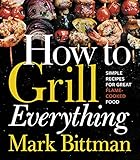
1. How To Grill Everything: Simple Recipes for Great Flame-Cooked Food:

Best for: Home cooks wanting a massive reference.
A 576-page hardcover-sized grilling reference gives you enough room for weeknight burgers, slow-cooked ribs, and longer weekend projects in one place. With 8 x 1.47 x 9-inch dimensions and a 3.09-pound weight, it feels substantial enough to sit on the counter while you cook and to cover a wide range of flame-cooked techniques.
That 576-page length matters because it leaves space for both simple recipes and deeper method notes, so you can follow along without jumping between books. The 8 x 1.47 x 9-inch trim size is large enough for readable layouts, and the 3.09-pound weight signals a full reference rather than a slim pamphlet. Published by Harvest and part of the How to Cook Everything series, it fits buyers who want one dependable grilling volume that can handle many cuts, sauces, and cooking styles. English-language text keeps it straightforward for everyday use, whether you are planning direct-heat steaks or slower cookout projects.
Pros
- 576 pages provide broad coverage for many grilling situations
- 8 x 1.47 x 9-inch format supports easy table-side reading
- 3.09-pound weight reflects a substantial recipe reference
- Part of the How to Cook Everything series for familiar instruction style
Cons
- At 3.09 pounds, it is less convenient to carry than a slim cookbook
Choose this when you want one thick grilling guide that stays useful across many meals. It suits cooks who prefer a single reference on the counter instead of scattered recipe sources.
| Specification | Details |
|---|---|
| Publisher | Harvest |
| Publication date | May 14, 2018 |
| Language | English |
| Print length | 576 pages |
| Item Weight | 3.09 pounds |
| Dimensions | 8 x 1.47 x 9 inches |
| Part of series | How to Cook Everything |
I’d point to this for readers who want one substantial grilling book that can cover a lot of ground without feeling overly specialized. The page count and larger format make it practical for people who like to cook from a book instead of a phone, and the series connection suggests a familiar, methodical style that many home cooks will appreciate.
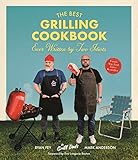
2. The Best Grilling Cookbook Ever Written By Two Idiots
Best for: Casual grillers after a compact guide.
A 200-page paperback with a 7.75 x 0.45 x 8.95-inch profile keeps grill guidance light enough for fast consultation before you fire up the cooktop or patio grill. At 1.25 pounds, it is easy to move around, which makes it practical for cooks who want approachable recipes without hauling a heavy reference outside.
The 200-page length keeps the book focused, so you can find a recipe without digging through a huge volume. Its 7.75 x 0.45 x 8.95-inch dimensions make it slimmer than many grilling books, and the 1.25-pound weight is easy to handle when your hands are busy with tongs or marinades. Published by Page Street Publishing in English, it suits readers who want a straightforward grilling companion rather than an encyclopedia. That compact format works well for quick meal planning, smaller kitchens, and cooks who prefer a book that is simple to store near the grill station.
Pros
- 200 pages keep the guide concise and easy to navigate
- 7.75 x 0.45 x 8.95-inch size stores neatly on a shelf
- 1.25-pound weight makes it easy to carry outdoors
- Paperback format suits casual, grab-and-go cooking use
Cons
- The 200-page length leaves less room for deep technique coverage
Pick this if you want a lighter grilling book that is easy to keep within reach. It fits casual cooks who value portability and a simpler recipe collection.
| Specification | Details |
|---|---|
| Publisher | Page Street Publishing |
| Publication date | June 7, 2022 |
| Language | English |
| Print length | 200 pages |
| Item Weight | 1.25 pounds |
| Dimensions | 7.75 x 0.45 x 8.95 inches |
I’d recommend this to someone who wants a compact grilling book they can use without cluttering the kitchen. The slimmer profile makes it easier to stash by the grill or in a drawer, and the shorter length should appeal to cooks who prefer quick recipe browsing over a deep technical library.
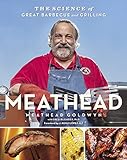
3. Meathead: The Science of Great Barbecue and Grilling – An
Best for: Technique-focused barbecue learners.
An illustrated 400-page grilling book gives you space for both methods and the science behind them, which helps when you want to understand why meat browns, rests, or smokes the way it does. The 8.2 x 1.3 x 10.1-inch size and 2.86-pound weight make it substantial enough for serious study without feeling oversized.
The 400-page length lets the book cover more than a recipe list, and the illustrated edition format helps clarify grilling methods with visuals that support the written instructions. Its 8.2 x 1.3 x 10.1-inch dimensions create a larger reading surface for diagrams and step-by-step layouts, while the 2.86-pound weight suggests a serious but manageable reference. Published by Harvest in English, it is a good fit for buyers who want to learn technique, not just copy recipes. The emphasis on science makes it especially useful for people comparing heat, smoke, and timing across different cuts and cookers.
Pros
- 400 pages provide room for technique and recipe coverage
- Illustrated edition helps explain grilling methods visually
- 8.2 x 1.3 x 10.1-inch size supports readable layouts
- 2.86-pound weight indicates a substantial reference book
Cons
- The larger trim size takes more shelf space than a compact cookbook
Choose this when technique matters as much as flavor. It suits cooks who want to understand barbecue fundamentals and apply them across different grilling setups.
| Specification | Details |
|---|---|
| Publisher | Harvest |
| Publication date | May 10, 2016 |
| Language | English |
| Print length | 400 pages |
| Item Weight | 2.86 pounds |
| Dimensions | 8.2 x 1.3 x 10.1 inches |
I’d steer analytical grillers toward this one because it clearly leans into the why behind barbecue, not just the what. The illustrated format should help visual learners, and the page count suggests enough depth for someone who wants to improve technique over time rather than just collect a few recipes.
4. The Complete Grilling and Barbecue Cookbook: 400+ Recipes plus Techniques,
Best for: Recipe collectors wanting broad coverage.
A 464-page cookbook from America’s Test Kitchen gives you room for a large recipe set plus technique notes, which is useful when you want more than a handful of go-to burgers and chops. At 8.94 x 1.19 x 10.31 inches and 3.58 pounds, it has the larger-book presence that suits a dedicated grilling shelf.
The 400-plus recipe promise is matched by a 464-page print length, so the book can cover many proteins, sauces, and side ideas without feeling cramped. Its 8.94 x 1.19 x 10.31-inch dimensions give it a broad page area for clear layouts, and the 3.58-pound weight signals a comprehensive kitchen reference. Published by America’s Test Kitchen in English, it should appeal to readers who like methodical instructions and a wide menu of options. The combination of recipes and techniques is useful for buyers who want one source that can support both weekday grilling and longer weekend cookouts.
Pros
- 464 pages allow extensive recipe and technique coverage
- 400+ recipes offer many meal options from one book
- 8.94 x 1.19 x 10.31-inch format supports clear page layout
- 3.58-pound weight reflects a comprehensive reference
Cons
- The 3.58-pound weight makes it the least portable of the group
This is a strong pick when you want lots of grilling options in one comprehensive volume. It fits cooks who value breadth and clear instruction over portability.
| Specification | Details |
|---|---|
| Publisher | America’s Test Kitchen |
| Publication date | March 31, 2026 |
| Language | English |
| Print length | 464 pages |
| Item Weight | 3.58 pounds |
| Dimensions | 8.94 x 1.19 x 10.31 inches |
I think this will suit people who like having a deep bench of recipes and a methodical approach in the same book. The larger format and heavier build make it feel like a reference you keep near your main cooking area, and the 400-plus recipe scope gives it real staying power for frequent grillers.
5. The Grill Bible • Smoker Cookbook: 1200 Days of Tender
Best for: Smoker users wanting a slim handbook.
A 102-page smoker cookbook in an 8.5 x 0.23 x 11-inch format keeps the focus tight for cooks who want quick access to smoking guidance without a heavy read. At 11.6 ounces, it is the lightest book here, which makes it easy to carry out to the smoker or tuck beside your tools.
The 102-page length makes this a compact reference for smoke-focused cooking, so you can move straight to the information you need. Its 8.5 x 0.23 x 11-inch dimensions create a tall page layout that can help with stepwise instructions, while the 11.6-ounce weight keeps it easy to handle outside. Published by Pitmaster Academy in English, it is aimed at readers who want a narrow, practical guide rather than a broad barbecue encyclopedia. The title’s focus on tender results suggests it is meant for cooks who prioritize slow smoking methods and straightforward direction for repeatable meals.
Pros
- 102 pages keep the smoker guide compact and focused
- 11.6-ounce weight makes it easy to carry to the grill area
- 8.5 x 0.23 x 11-inch format gives a readable tall layout
- Smoker-specific scope suits buyers who want a targeted guide
Cons
- The short page count leaves limited room for broad grilling coverage
Pick this if your main priority is smoker cooking and you want a small, easy-to-handle guide. It is best for readers who value focused instruction over an all-purpose barbecue library.
| Specification | Details |
|---|---|
| Publisher | Pitmaster Academy |
| Publication date | October 28, 2022 |
| Language | English |
| Print length | 102 pages |
| Item Weight | 11.6 ounces |
| Dimensions | 8.5 x 0.23 x 11 inches |
I’d recommend this to someone who already knows they want smoker-specific guidance and doesn’t need a thick general cookbook. The slim build and light weight make it the easiest title to keep near the smoker, and its narrow focus should appeal to readers who prefer direct, practical instruction for low-and-slow cooking.
Quick Comparison Table of Best Grill Ideas Cookbooks
| Product Name | Pages | Weight | Format | Best For | Check Price |
|---|---|---|---|---|---|
| How To Grill Everything: Simple Recipes | 576 pages | 3.09 pounds | Cookbook | Deep recipe collection | Check Price |
| The Best Grilling Cookbook Ever Written | 200 pages | 1.25 pounds | Cookbook | Quick beginner grilling | Check Price |
| Meathead: The Science of Great Barbecue | 400 pages | 2.86 pounds | Illustrated | Science-based barbecue | Check Price |
| The Complete Grilling and Barbecue Cookbook | 464 pages | 3.58 pounds | Cookbook | All-around grilling | Check Price |
| The Grill Bible • Smoker Cookbook | 102 pages | 11.6 ounces | Smoker cookbook | Smoker-focused ideas | Check Price |
How to Choose the Best Grill Ideas
Cooking style and fuel type
Choose the fuel around how you cook most often. Charcoal fits buyers who want strong sear marks and deeper smoke flavor, while gas suits weeknight grilling because it starts fast and adjusts cleanly with knobs. Pellet grills favor low-and-slow cooking with steady heat and light wood flavor, and electric grills suit balconies or strict fire-rule spaces where simple plug-in use matters most.
Look for a charcoal basket or adjustable vents for direct heat, two or more burners for gas, digital temperature control for pellets, and consistent wattage for electric. Pick charcoal for flavor-first cooks, gas for speed, pellet for smoking, and electric for the simplest indoor-adjacent setup.
| Type | Best for |
|---|---|
| Charcoal | Direct heat, bold flavor, hands-on control |
| Gas | Fast starts, frequent weeknight grilling |
| Pellet | Smoking, steady low heat, set-and-hold cooking |
| Electric | Small spaces, simple operation, rule-restricted areas |
Cooking surface and capacity
Match cooking area to the way you serve food, not just the number on the lid. A small household needs a compact grate that still fits a full meal in one batch, while larger families need enough room for separate zones for burgers, vegetables, and thicker cuts. Look for at least 300 square inches for simple meals, 400 to 500 square inches for regular family use, and a layout that leaves space between items so heat moves evenly.
A warming rack helps keep finished food hot without overcooking. Pick the smallest grate that handles your normal menu in one round, then move up only when you regularly cook for a crowd.
| Cooking area | Best for |
|---|---|
| Under 300 sq. in. | Singles, couples, tight patios |
| 300 to 400 sq. in. | Small families, simple meals |
| 400 to 500 sq. in. | Family dinners, mixed foods |
| 500+ sq. in. | Entertaining, batch cooking, large cuts |
Heat control and temperature range
Prioritize control that reacts quickly and holds a stable temperature. Good grills answer small knob or vent changes without wild swings, recover heat soon after the lid opens, and spread heat across the grate instead of creating one hot center and cold edges. Fast startup matters for busy cooks, but recovery matters just as much when you flip meat or add food.
Even heat across the grate means fewer burnt corners and more predictable results. Choose a grill with clear burner labels or vent settings, a lid thermometer that tracks real cooking temperature, and enough power or airflow to hold steady across the whole surface.
Pick responsive controls for direct grilling, and choose stronger recovery for mixed cooking sessions.
| Control type | Best for |
|---|---|
| Manual vents | Charcoal cooks who want direct airflow control |
| Independent burners | Gas users who need hot and cool zones |
| Digital controllers | Pellet cooks who want steady low heat |
| Basic single control | Simple, occasional grilling |
Construction quality and durability
Focus on heavy, corrosion-resistant parts that hold shape through repeated heating and bad weather. A solid lid should close firmly without flexing, the frame should feel stable when you press on the cart or legs, and the exterior should use coated steel, cast aluminum, or stainless steel in the right places. For grates, cast iron sears best and holds heat well, while stainless steel resists rust and is easier to maintain.
Thin lids, wobbly frames, and bare metal fastenings wear out fast outdoors. Pick thicker lids, sturdy wheels or legs, and rust-resistant grates if the grill stays outside; choose cast iron for maximum sear and stainless steel for easier care.
| Material | Best for |
|---|---|
| Cast iron grate | Strong searing and heat retention |
| Stainless steel grate | Low maintenance and corrosion resistance |
| Coated steel body | General outdoor use with proper care |
| Cast aluminum parts | Lightweight, weather-resistant builds |
Cleanup, safety, and convenience features
Pick cleanup and convenience features that match how often you grill. Ash management matters most on charcoal models, so choose a removable ash cup or tray that empties without scattering dust. Gas and pellet grills need grease trays that slide out smoothly and catch drips before flare-ups start.
Stable legs, locking casters, cool-touch handles, and a lid that shuts securely all improve safety during busy cooks. Side shelves help with trays and tongs, and tool hooks keep basics within reach.
Choose removable parts for faster washing, a grease path that is easy to inspect, and controls that stay easy to reach while cooking. Pick a charcoal model with a deep ash system, a gas model with a strong grease tray, and a cart model with shelves and hooks for frequent use.
| Feature | Best for |
|---|---|
| Removable ash tray | Charcoal cleanup |
| Slide-out grease tray | Gas and pellet cleanup |
| Side shelves | Prep space and serving |
| Tool hooks | Fast access to tongs and brushes |
Which Should You Choose?
- If you want a reliable beginner-friendly grill cookbook with clear, everyday recipes, choose a straightforward guide focused on simple techniques and flame-cooked basics.
- If you like a humorous, casual style and don’t mind a playful voice, choose a cookbook that emphasizes fun, easygoing grilling ideas over strict instruction.
- If you care most about learning the science behind smoke, heat, and meat, choose a technique-first book with detailed explanations of temperature control and barbecue fundamentals.
- If you want the biggest recipe library and lots of long-term variety, choose an all-in-one grilling and barbecue collection with 400+ recipes or more plus advanced methods.
Quick Best Grill Ideas Buying Checklist
- Match the fuel type to how you like to cook and how much flavor control you want.
- Choose the right cooking area so you can handle both weeknight meals and larger gatherings.
- Check heat control to make sure the grill can sear, roast, and hold steady temperatures.
- Inspect the build quality for strong materials, solid grates, and weather-resistant parts.
- Review cleanup features such as grease trays, ash pans, and removable grates.
- Look for practical extras like side shelves, storage space, and stable wheels or legs.
How Direct and Indirect Heat Change Grilling Results
One of the most useful grill ideas to understand is the difference between direct and indirect heat. Direct heat places food over the flame or burner for fast searing, which is ideal for burgers, thin steaks, vegetables, and shrimp. Indirect heat moves food away from the hottest zone so it cooks more slowly and evenly, making it better for whole chickens, ribs, and thicker cuts that need time for the inside to finish without burning the outside.
Many grills work best when you use both methods together. Sear first over direct heat, then finish over indirect heat for controlled cooking and better texture.
| Heat Method | Best For |
|---|---|
| Direct heat | Quick searing and browning |
| Indirect heat | Slow cooking and larger cuts |
| Two-zone setup | Foods that need both searing and finishing |
Grill Fuel Types and What They Do Best
Fuel choice shapes the flavor, temperature control, and cleanup routine of any grill. Charcoal delivers a strong smoky profile and high heat, but it takes longer to light and requires more attention. Gas grills are faster to start and easier to regulate, which makes them practical for frequent use and weeknight cooking.
Pellet grills offer steady low-and-slow performance with more automated temperature control, while electric grills are useful where open flames are not allowed. Each fuel source has strengths, so the best grill ideas often depend on how much flavor, convenience, and control you want.
Matching the fuel to your cooking style helps avoid frustration and improves consistency.
| Fuel Type | Strength | Typical Trade-Off |
|---|---|---|
| Charcoal | Bold grilled flavor | More setup and cleanup |
| Gas | Fast heat control | Less smoky flavor |
| Pellet | Even low-and-slow cooking | Depends on electricity and pellets |
| Electric | Simple indoor or restricted-area use | Limited searing intensity |
Essential Grilling Accessories That Make Cooking Easier
The right accessories can improve safety, timing, and overall consistency. A reliable thermometer helps you check doneness without guessing, which is especially important for chicken, pork, and thick steaks. Long-handled tongs and a sturdy spatula keep your hands farther from heat, while a grill brush helps clear residue before and after cooking.
A drip pan can reduce flare-ups by catching fat, and a chimney starter is useful for charcoal cooks who want a quicker, cleaner ignition method. Heat-resistant gloves are also worth having when moving hot grates or adjusting fuel.
These tools do not change the grill itself, but they can noticeably improve the results you get from it.
- Thermometer for accurate doneness
- Long-handled tongs for safer turning
- Grill brush for grate cleaning
- Heat-resistant gloves for handling hot parts
- Drip pan for managing grease
Common Grilling Mistakes That Hurt Flavor and Texture
Even good equipment can produce disappointing food when a few common mistakes get in the way. Putting food on a grill before it is fully preheated can cause sticking and weak browning. Pressing burgers or steaks too often forces out juices and dries the meat.
Moving food too soon can tear delicate items like fish or vegetables before they naturally release. Another frequent problem is overcrowding, which lowers surface temperature and leads to steaming instead of searing.
Finally, skipping rest time after cooking makes juices run out when the food is cut.
A steadier pace, better spacing, and a little patience usually improve the final result more than any fancy technique.
| Mistake | What It Causes | Better Approach |
|---|---|---|
| Cold grill surface | Sticking and pale sear marks | Preheat fully before cooking |
| Overcrowding | Steaming instead of browning | Leave space between pieces |
| Constant flipping | Poor crust formation | Turn only when needed |
| No resting time | Dryer slices | Let food rest before serving |
Grill Cleaning and Maintenance for Longer Life
Regular care keeps a grill working safely and helps food taste better. After cooking, brush the grates while they are still warm so residue lifts more easily. Empty ash or grease collection areas often enough to prevent buildup that can affect airflow or create odors.
On gas models, check burners for clogs and make sure ignition components are functioning properly. For outdoor storage, a fitted cover can protect against moisture and debris, but the grill should be cool and dry before covering.
Periodically inspecting hoses, connections, and fasteners also helps catch wear before it turns into a larger problem.
Good maintenance is less about deep cleaning every time and more about building small, regular habits that keep the grill ready for the next cookout.
- Brush grates after use
- Clear ash or grease trays regularly
- Inspect burners and ignition parts
- Store with a dry, fitted cover
- Check hoses and connections for wear
Frequently Asked Questions (FAQs)
What Should I Look For In The Best Grill Ideas?
The best grill ideas should match your cooking style, available space, and preferred fuel type. Look for enough cooking surface for your usual meals, sturdy construction, and clear temperature control so the grill performs well for both quick searing and slower cooking.
Which Fuel Type Works Best For Grill Ideas?
The best grill ideas depend on whether you value convenience, smoky flavor, or precise control. Gas offers fast startup, charcoal delivers deeper flavor, pellet adds set-and-forget comfort, and electric works well where open flames are restricted.
How Much Cooking Space Do I Need?
The best grill ideas need enough cooking space for your typical serving size without crowding the grate. A larger surface helps you cook burgers, vegetables, and proteins at once, while a compact layout may be better for smaller patios or smaller households.
Why Does Temperature Control Matter In Grill Ideas?
Temperature control is essential in the best grill ideas because it affects searing, even cooking, and food safety. Precise knobs, vents, or digital controls help maintain steady heat, especially when cooking thicker cuts or using indirect heat zones.
What Materials Are Most Durable For Grill Ideas?
Durable materials make the best grill ideas last longer and resist outdoor wear. Stainless steel, cast aluminum, and heavy-duty cast iron grates are common choices because they handle heat well, clean up reliably, and stand up to repeated use.
Are Easy-Clean Features Important In Grill Ideas?
Yes, easy-clean features are important in the best grill ideas because cleanup affects how often you use them. Removable grates, grease collection trays, and ash management systems reduce scrubbing time and help keep the grill ready for the next cookout.
What Safety Features Should Grill Ideas Include?
Safe best grill ideas should have stable legs, secure lids, and heat-resistant handles to reduce accidents during cooking. Good placement of controls and drip management also helps prevent flare-ups, making the grill easier and safer to use around guests.
Final Suggestions
In summary, the best grill ideas combine the right fuel type, dependable heat control, and durable construction to make outdoor cooking easier and more enjoyable. They offer the flexibility to sear, smoke, and serve with confidence while fitting your space and routine. Choose the features that matter most, and you’ll be ready to enjoy better grilling every time.