Top 6 Best Heat Pump Hot Water Heater Picks
The best heat pump hot water heater combines efficiency, smart design, and advanced heating technology in one system. Unlike conventional tank heaters, a heat pump water heater moves ambient heat into the tank, reducing energy demand while supporting steady hot water performance. That makes it an increasingly important option for households focused on lower utility costs, quieter operation, and better everyday comfort.
In this guide, we compare the best heat pump water heater models and top heat pump hot water heater picks, with attention to tank capacity, insulation, recovery rate, durability, and installation considerations. We also look at how these systems handle real-world use, from busy family routines to efficiency-minded upgrades.
The differences can be subtle, but they matter more than most buyers expect—so the next sections reveal what separates a strong contender from the rest.
In-depth Reviews of the Best Heat Pump Hot Water Heater
1. Senville Hybrid Heat Pump Electric Water Heater, Energy Star, 50

- Energy-Saving Hybrid Water Heater – Advanced heat pump water heater technology extracts heat from the air to warm water...
- High Efficiency Performance – With a 3.75 UEF rating and a 69-gallon First Hour Rating (FHR), this hybrid water heater delivers...
- 50 Gallon Electric Water Heater Capacity – Perfect for medium to large households, providing consistent hot water for showers...
Best for: Medium households needing strong recovery.
A 50-gallon tank and a 3.75 UEF rating give the Senville hybrid a practical balance of storage and efficiency. That pairing lets a medium to large household keep hot water available while trimming electric use compared with a standard resistance heater, making it a fit for buyers who want lower running demand without shrinking capacity.
The 69-gallon First Hour Rating adds useful burst capacity, so showers, dishwashing, and laundry are less likely to collide in the same evening. At 21.4 inches wide and 66.5 inches tall, the unit fits a vertical footprint that works in many utility rooms and garages. Its dc power source supports the hybrid system, while the heat pump design pulls warmth from surrounding air instead of relying only on electricity. Energy Star recognition also signals an efficiency-focused setup for buyers comparing long-term operation, not just tank size. The 50-gallon capacity remains the anchor, but the recovery-oriented design is what makes daily use feel less cramped.
Pros
- 3.75 UEF supports efficient electric use
- 69-gallon First Hour Rating helps with back-to-back hot water demand
- 50-gallon capacity suits medium to large households
- 21.4-inch width keeps the cabinet footprint relatively compact
Cons
- The 66.5-inch height may be awkward in low-ceiling utility spaces.
Senville’s hybrid approach makes the most sense for households that want a standard 50-gallon tank without giving up efficiency. It is a strong pick when day-to-day hot water demand is steady and installation space is vertical rather than wide.
| Specification | Details |
|---|---|
| Brand | Senville |
| Capacity | 50 gallons |
| Power Source | dc |
| Product Dimensions | 21.4″W x 66.5″H |
| Special Feature | Heat Pump System |
I would point buyers toward this model when they want a familiar 50-gallon size but care about efficiency enough to choose hybrid technology. The 69-gallon first-hour delivery is especially useful in homes where mornings get busy. It feels most appropriate for people who want a practical replacement with a lower-energy operating profile.
2. Rinnai REHP50 Electric Heat Pump Water Heater 50 Gallon Energy

- Energy-efficient performance: Energy Star Certified. Extracts heat from ambient air to deliver consistent hot water with zero...
- High first-hour delivery: Provides up to 73 gallons of hot water in the first hour—ideal for households of 3–4 people...
- Demand-Response Enabled: Saves you money by communicating with local utilities to reduce energy usage during peak hours
Best for: Three-to-four person households.
A 50-gallon capacity paired with a 73-gallon first-hour output gives the Rinnai REHP50 more usable hot water than the tank size alone suggests. That matters for households of three to four people, where showers and sink use can overlap and still stay manageable without an oversized appliance taking over the room.
Its 3.75 UEF is the key efficiency number, so the heater is aimed at reducing electrical waste while keeping delivery consistent. The 22-inch width and 66.81-inch height create a tall, narrow profile that can fit many mechanical spaces more easily than a wider unit. Corded electric power simplifies the connection style for conventional installs, and the heat pump technology draws ambient air energy instead of depending only on resistance heat. Demand-response enabled operation adds a utility-aware feature set for homes that want the equipment to cooperate with peak-use events. The Energy Star certification rounds out the efficiency story without changing the tank’s everyday 50-gallon practicality.
Pros
- 73-gallon first-hour delivery supports busy morning routines
- 3.75 UEF keeps energy use efficient for a 50-gallon unit
- 22-inch width helps the tank fit tighter spaces
- Demand-response enabled feature supports utility coordination
Cons
- The 50-gallon tank may be limiting for households larger than four people.
This Rinnai is a sensible fit when you want a conventional 50-gallon footprint but need stronger first-hour performance. It suits households that value efficiency, utility participation, and dependable daily hot water without moving up to a larger tank.
| Specification | Details |
|---|---|
| Brand | Rinnai |
| Capacity | 50 gallons |
| Power Source | Corded Electric |
| Product Dimensions | 22″W x 66.81″H |
| Special Feature | Heat Pump Technology, Energy Efficiency |
My take is that this one is strongest for smaller households that still want a heat pump water heater with respectable recovery. The 73-gallon first-hour figure is the detail that stands out for me because it helps in homes with morning congestion. It is a tidy choice when efficiency and predictable output both matter.
3. Rinnai REHP80 Electric Heat Pump Water Heater 80 Gallon Energy

- Energy-efficient performance: Energy Star Certified. Extracts heat from ambient air to deliver consistent hot water with zero...
- High first-hour delivery: Provides up to 91 gallons of hot water in the first hour‚ ideal for households of 5+ people with high...
- Demand-Response Enabled: Saves you money by communicating with local utilities to reduce energy usage during peak hours
Best for: Large households with heavy demand.
An 80-gallon tank and a 91-gallon first-hour delivery put the Rinnai REHP80 in a different lane from smaller hybrid heaters. That size lets larger households draw hot water for multiple showers and chores with less fear of running short, while still using heat pump technology instead of a purely electric resistance setup.
The 3.90 UEF is higher than the smaller Rinnai models here, so the unit is clearly tuned for efficient operation at a larger capacity. Its 25.69-inch width and 74.56-inch height mark it as the biggest cabinet in this group, which is useful if the installation area can handle the scale. The ac_dc power source gives it broader electrical configuration flexibility, and Demand-Response Enabled operation adds an energy-management feature that matters when usage is heavy. Energy Star certification and zero-emissions operation are part of the design profile, but the standout practical advantage is simple: more stored hot water for larger families that cannot afford long recovery gaps. That makes the unit easier to live with when demand is constant.
Pros
- 80-gallon capacity serves larger families well
- 91-gallon first-hour delivery handles heavy morning demand
- 3.90 UEF improves efficiency at a large size
- Demand-response enabled feature helps manage peak energy use
Cons
- The 25.69-inch width and 74.56-inch height require more installation space than smaller tanks.
For households that use a lot of hot water every day, this Rinnai offers the most headroom in the lineup. It is the model to consider when capacity and first-hour delivery matter more than keeping the footprint compact.
| Specification | Details |
|---|---|
| Brand | Rinnai |
| Capacity | 80 gallons |
| Power Source | ac_dc |
| Product Dimensions | 25.69″W x 74.56″H |
I’d steer large households toward this model because the 80-gallon size and 91-gallon first-hour figure reduce the chance of hot-water rationing. It is especially appealing if you want one unit to cover multiple bathrooms and still keep efficiency in the conversation. The tradeoff is footprint, but the performance case is strong.
4. Rinnai REHP65 Electric Heat Pump Water Heater 65 Gallon Energy

- Energy-efficient performance: Energy Star Certified. Extracts heat from ambient air to deliver consistent hot water with zero...
- High first-hour delivery: Provides up to 80 gallons of hot water in the first hour‚ ideal for households of 4-5 people with high...
- Demand-Response Enabled: Saves you money by communicating with local utilities to reduce energy usage during peak hours
Best for: High-demand homes wanting top efficiency.
A 65-gallon tank with a 4.00 UEF makes the Rinnai REHP65 the efficiency leader among these picks. That combination gives a household enough stored hot water for family use while keeping electric performance unusually strong for a heat pump water heater, which is exactly what efficiency-focused buyers tend to want.
Its 80-gallon first-hour delivery is a useful everyday benefit, especially for homes with four to five people that can stack showers, laundry, and sinks into the same window. The 22.69-inch width and 65-inch height create a balanced cabinet that is easier to place than the larger 80-gallon model, yet it still offers meaningful reserve capacity. The ac_dc power source gives it flexible electrical compatibility, and Demand-Response Enabled functionality helps the unit coordinate with utility signals during peak periods. Heat pump technology remains the core heating method, but the combination of a mid-large tank and the highest UEF in this set is what makes it compelling. It hits a strong middle ground between size and operating efficiency.
Pros
- 4.00 UEF is the highest efficiency figure in this roundup
- 80-gallon first-hour delivery supports busy family use
- 65-gallon capacity balances storage and footprint
- Demand-response enabled feature adds energy-management value
Cons
- It does not include the larger 80-gallon tank capacity of the biggest Rinnai model.
This is the Rinnai to look at when efficiency is the priority but a 50-gallon tank feels too small. It suits families that want strong first-hour performance without jumping to the largest footprint in the group.
| Specification | Details |
|---|---|
| Brand | Rinnai |
| Capacity | 65 gallons |
| Power Source | ac_dc |
| Product Dimensions | 22.69″W x 65″H |
| Special Feature | Heat Pump Technology, Demand-Response Enabled |
I think this model will satisfy buyers who want a high-efficiency heat pump heater without going all the way to the largest tank. The 4.00 UEF is the headline number, and the 80-gallon first-hour output makes it feel generous in real use. It’s a smart middle ground for active households.
5. ACiQ 50 Gallon Electric Residential Hybrid Heat Pump Water Heater

- CERTIFIED ACiQ SELLERS: Everything you need for reliable HVAC solutions!
- INDOOR INSTALLATION: It performs best in stable indoor temperatures and should not be installed in unheated spaces below 37°F.
- PERFECT LOCATION: Ideal for basements or garages, this 50 gallon hot water heater electric unit requires 700–1,000 cubic feet of...
Best for: Indoor spaces with ventilation.
A 50-gallon hybrid tank with an LED display gives the ACiQ model a straightforward, user-friendly setup for indoor locations. That makes it a practical fit for basements or garages where stable temperatures and visible status readouts help the owner monitor operation without digging into the unit itself.
The description specifies that it performs best in stable indoor temperatures and should not be installed in unheated spaces below 37°F, which is an important placement rule for buyers planning a basement or garage install. It also needs 700 to 1,000 cubic feet of air circulation and proper drainage, so this is a unit for spaces that can support real ventilation rather than tight closets. The 149°F maximum temperature gives plenty of hot-water headroom, while the 3.75 UEF keeps the operation in efficient hybrid territory. Its silver color and 50-gallon size make it a clean, conventional fit for homes that want a heat pump unit with simple visual feedback from the LED display.
Pros
- LED display makes operating status easy to check
- 3.75 UEF supports efficient hybrid water heating
- 50-gallon capacity works well for typical family use
- 149°F maximum temperature offers flexible hot-water settings
Cons
- It should not be installed in unheated spaces below 37°F, which limits placement options.
ACiQ’s model is a good match when the installation space already has indoor warmth and enough air movement. It is most useful for buyers who want a 50-gallon hybrid water heater with a visible display and clear placement requirements.
| Specification | Details |
|---|---|
| Brand | ACiQ |
| Capacity | 50 gallons |
| Special Feature | LED Display |
| Color | Silver |
| Maximum Temperature | 149 °F |
I’d recommend this one to buyers who already know their install area can handle the airflow and drainage requirements. The LED display and 149°F maximum temperature are the features that make it feel easy to live with. It is best for someone who wants efficient hybrid heating in a controlled indoor space rather than a chilly utility area.
6. Stiebel Eltron 233058 Accelera 220 E Heat Pump Water Heater;
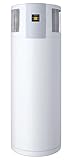
- 240V
- 58-gallon capacity
- 15A circuit breaker
Best for: Quiet operation in compact spaces.
A 58-gallon capacity paired with a digital display gives the Stiebel Eltron Accelera 220 E a clear, information-rich setup for households that want more than a standard 50-gallon tank. That size provides extra storage for families with moderate demand, while the visible controls make temperature management easier day to day.
The unit runs on 240V and uses a 15A circuit breaker, so electrical planning is a real part of the purchase. Its temperature range runs from 42 to 108 degrees Fahrenheit, giving a defined operating window that suits typical domestic hot water use. The 324 CFM airflow and redesigned airflow system matter because heat pump performance depends on moving air efficiently through the machine. A heavy-duty quiet fan, rolling piston compressor motor, superior insulation, and a glass-lined tank all support quieter operation and a more controlled heat pump cycle. The 27.12-inch width and 60.87-inch height reflect a sizable but still manageable floor-standing format.
Pros
- 58-gallon capacity adds reserve above a standard 50-gallon tank
- Digital display helps monitor settings easily
- Heavy-duty quiet fan supports lower-noise operation
- Glass-lined tank and superior insulation support efficient heat retention
Cons
- It requires a 240V setup with a 15A circuit breaker, so electrical compatibility must be checked first.
This Stiebel Eltron is a strong option for buyers who want a mid-size heat pump water heater with more control and quieter operation. It fits best in homes that can support the electrical requirements and want a more technical, display-driven unit.
| Specification | Details |
|---|---|
| Brand | Stiebel Eltron |
| Capacity | 58 gallons |
| Power Source | Corded Electric |
| Product Dimensions | 27.12″W x 60.87″H |
| Special Feature | Redesigned airflow, Heavy-duty quiet fan, Rolling piston compressor motor, Glass-lined tank for long life, Large wrap-around aluminum condenser has no direct contact with potable water, Superior insulation |
My view is that this is the pick for buyers who care about control, airflow, and quieter operation as much as tank size. The digital display and broad feature list make it feel more refined than basic hybrid heaters. It should appeal to someone who wants a 58-gallon unit with a more engineered, managed feel.
Quick Comparison Table of Top Heat Pump Hot Water Heaters
| Product Name | Capacity | Power Source | Key Feature | Best For | Check Price |
|---|---|---|---|---|---|
| Senville Hybrid Heat Pump Electric Water | 50 gal | dc | Heat Pump System | Energy savings | Check Price |
| Rinnai REHP50 Electric Heat Pump Water | 50 gal | Corded Electric | Heat Pump Technology | Family use | Check Price |
| Rinnai REHP80 Electric Heat Pump Water | 80 gal | ac_dc | Demand-Response | Large households | Check Price |
| Rinnai REHP65 Electric Heat Pump Water | 65 gal | ac_dc | Demand-Response | 4-5 people | Check Price |
| ACiQ 50 Gallon Electric Residential Hybrid | 50 gal | Electric | LED Display | Indoor installation | Check Price |
| Stiebel Eltron 233058 Accelera 220 E | 58 gal | Corded Electric | Quiet fan | Quiet operation | Check Price |
How to Choose the Best Heat Pump Hot Water Heater
Capacity and household demand
Choose tank size from real household demand, not just family headcount. A 50-gallon unit fits 1-3 people with moderate shower use, while 65-80 gallons suits 4-5 people or homes with long showers and frequent laundry. Match capacity to peak use: two showers plus dishes needs more reserve than one shower a day.
Strong picks also have a solid recovery rate, so the tank reheats quickly after heavy draw. For the best heat pump hot water heater, choose 50-65 gallons for smaller households and 65-80 gallons for larger homes with back-to-back demand.
| Type | Best for |
|---|---|
| 50-gallon | 1-3 people, lighter hot water use |
| 65-gallon | 3-4 people, mixed showers and laundry |
| 80-gallon | 4-5 people, high peak demand |
Energy efficiency and operating cost
Pick the highest-efficiency unit that still matches your climate and usage pattern. Compare UEF ratings first: higher numbers mean better efficiency, and a clear efficiency chart with annual energy use gives a truer picture than marketing claims. Good models include low-demand or heat-pump-only modes that cut power draw during quiet periods, plus smart scheduling that shifts operation away from heavy use.
In cooler spaces, check the manufacturer’s performance range and airflow needs so efficiency stays strong. For the best heat pump hot water heater, choose a high-UEF model with low-usage modes and climate-appropriate performance for your home.
| Type | Best for |
|---|---|
| High UEF, standard modes | Most homes with steady demand |
| High UEF, vacation/low-power mode | Homes with irregular use |
| Climate-rated model | Cooler utility rooms or garages |
Installation space and location
Measure the install site before you buy, because these units need more breathing room than standard tanks. Check ceiling height, floor footprint, and service clearance around the front, top, and sides. A good fit also needs the right ambient temperature range, enough airflow, and a spot near a drain, water lines, and the electrical panel to simplify installation.
Poor choices squeeze into cramped closets without enough air volume or access for maintenance. For the best heat pump hot water heater, choose the model that fits your utility room or garage with clearances intact and short, direct connections to drains and plumbing.
- Measure height, width, and depth.
- Confirm required clearances for service access.
- Verify the space stays within the operating temperature range.
- Place it near a drain, water lines, and the correct electrical supply.
Noise, controls, and smart features
Choose controls you can read at a glance and features you will actually use every week. A strong display shows set temperature, mode, and status clearly, while simple presets make it easy to switch between high-demand and low-demand periods. Indoor installs need lower noise, so look for published decibel levels and favor quieter units for basements, utility rooms, or nearby living areas.
WiFi monitoring, vacation mode, and usage alerts add value when they help you track consumption and reduce waste. For the best heat pump hot water heater, choose a quiet model with clear controls plus WiFi only when you want remote tracking and scheduling.
| Type | Best for |
|---|---|
| Basic controls | Buyers who want simple daily operation |
| Preset modes | Households with repeating routines |
| WiFi and alerts | Users who want remote monitoring and scheduling |
Durability, warranty, and maintenance
Look closely at tank construction and serviceability, because durability affects long-term performance. Stainless steel tanks, glass-lined tanks with strong anode protection, and quality corrosion-resistant components all signal a better long service life. Compare warranty terms separately for the tank, compressor, and parts, and favor clear coverage across all three instead of a single long number that hides weak terms.
Easy filter access, simple condensate management, and straightforward maintenance intervals make ownership easier and keep efficiency steady. For the best heat pump hot water heater, choose a well-protected tank with clear multi-part warranty coverage and maintenance access that is fast to reach.
| Type | Best for |
|---|---|
| Stainless tank | Buyers prioritizing corrosion resistance |
| Glass-lined tank with anode protection | Most standard installations |
| Easy-access filter and drain layout | Homes that want simpler upkeep |
Which Should You Choose?
- If you want the biggest buffer for a large household with high hot-water demand, choose an 80-gallon heat pump model with a high UEF.
- If you need a balanced option for a typical family and moderate daily use, choose a 50-gallon hybrid heat pump water heater.
- If your installation space is indoors and stays above 37°F year-round, choose an indoor-rated hybrid unit designed for stable temperatures.
- If your top priority is maximum efficiency and lower electric use, choose a high-UEF Energy Star unit with heat pump operation.
Quick Best Heat Pump Hot Water Heater Buying Checklist
- Right capacity: Choose a tank size that fits daily demand without running short during busy mornings.
- Efficiency rating: Look for strong energy performance so the unit can lower operating costs over time.
- Installation fit: Confirm the available space, clearance, and ventilation before buying.
- Noise level: Check that the sound output works for the room or utility area where it will sit.
- Control options: Prefer simple temperature controls and helpful modes like vacation or boost settings.
- Warranty coverage: Compare protection for the tank, compressor, and key parts to gauge long-term value.
How a Heat Pump Water Heater Moves Heat Instead of Making It
A heat pump hot water heater works by pulling warmth from the surrounding air and transferring it into the tank, rather than generating heat directly with electric resistance elements. That process is similar to how a refrigerator works in reverse. A refrigerant absorbs heat from the air, passes through a compressor, and releases that heat into the water.
Because the unit is moving heat instead of creating it, it can use far less electricity under the right conditions. Performance depends on available ambient heat, airflow, and humidity, so placement matters.
In warmer spaces such as garages, utility rooms, or basements, these systems usually operate more efficiently than they do in chilly, confined areas.
Types of Heat Pump Water Heaters and Where Each Fits
Heat pump water heaters are commonly sold as integrated units, split systems, or hybrid electric models with heat pump technology built in. Integrated units combine the tank and heat pump in one cabinet, which simplifies installation and is common in homes with enough floor space. Split systems separate the compressor from the storage tank, which can help when the water heater has to be located farther from the best air source or when noise reduction matters.
Hybrid models often include backup resistance elements so hot water remains available during high demand or colder conditions. Each type balances installation complexity, efficiency, and space needs differently, so the best match depends on the home’s layout and daily hot water use.
| Type | Best for |
|---|---|
| Integrated | Simple installation and a single self-contained unit |
| Split system | Homes needing flexible equipment placement |
| Hybrid with backup elements | Households with variable demand or colder rooms |
Installation Factors That Affect Performance and Noise
Installation quality has a big impact on how well a heat pump hot water heater performs. These units need enough surrounding air volume to draw heat from, plus clear space around the intake and exhaust vents. A cramped closet can reduce efficiency, while a large utility area helps the system breathe.
Drainage is also important because the process removes moisture from the air and produces condensate that must be routed away safely. Noise should be considered too, since the compressor and fan can be noticeable in quiet spaces.
Placing the unit away from bedrooms and living areas can improve comfort. A professional installer can also verify electrical capacity, clearances, and venting requirements before the system is put into service.
Routine Maintenance That Helps the Unit Last Longer
Regular maintenance keeps a heat pump water heater running efficiently and can reduce wear on major components. The air filter, if present, should be cleaned or replaced on the manufacturer’s schedule so airflow stays strong. The condensate drain should be checked for clogs because trapped water can cause damage or shut the unit down.
It is also smart to inspect the area around the tank for dust buildup, unusual noise, or signs of leaks. Flushing sediment from the tank periodically can help preserve heating performance, especially in areas with hard water.
Homeowners should also confirm that the temperature setting matches household needs, since unnecessarily high settings can increase energy use and stress the system.
Common Mistakes That Can Limit Efficiency
Several avoidable mistakes can make a heat pump hot water heater perform below expectations. One common issue is placing it in a very cold or very small room, which forces the unit to work with limited heat in the air. Another is blocking airflow with stored boxes, shelving, or tight wall clearances.
Some homeowners also ignore condensate management, which can create moisture problems over time. Choosing a tank size that is far too small or much larger than needed can also hurt comfort or efficiency.
Finally, relying on incorrect expectations about recovery time can lead to frustration, since heat pump systems often reheat water more slowly than standard electric tanks. Planning for household demand helps avoid these problems before installation.
Frequently Asked Questions (FAQs)
What Size Best Heat Pump Hot Water Heater Do I Need?
The best heat pump hot water heater size depends on how many people use hot water and when they use it most. A smaller household may do well with a compact tank, while larger families usually need more storage and a faster recovery rate to avoid shortages.
How Energy Efficient Is A Best Heat Pump Hot Water Heater?
A best heat pump hot water heater is highly efficient because it moves heat instead of creating it directly. That design can reduce electricity use, especially in homes with steady hot water demand and a space that stays within the unit’s preferred temperature range.
Where Should A Best Heat Pump Hot Water Heater Be Installed?
A best heat pump hot water heater should be installed where there is enough clearance, airflow, and a suitable drain for condensate. Many models work best in garages, basements, or utility rooms with stable indoor temperatures and easy access to plumbing and power.
Does A Best Heat Pump Hot Water Heater Make Noise?
Yes, a best heat pump hot water heater makes some noise because the fan and compressor run during operation. The sound is usually manageable in a utility area, but it is smart to compare noise levels if the unit will be near bedrooms or living spaces.
What Maintenance Does A Best Heat Pump Hot Water Heater Need?
A best heat pump hot water heater needs regular filter cleaning, condensate checks, and occasional inspection of the surrounding area. Keeping dust away from the intake and making sure drainage stays clear helps the system maintain airflow and consistent performance.
How Long Does A Best Heat Pump Hot Water Heater Typically Last?
A best heat pump hot water heater can last many years when installed correctly and maintained on schedule. Longevity depends on water quality, usage patterns, and how well the compressor, tank lining, and anode protection are cared for over time.
Is A Best Heat Pump Hot Water Heater Worth The Upgrade?
Yes, a best heat pump hot water heater is worth considering if you want lower energy use and dependable hot water. It is especially appealing for households with regular demand, because it combines efficient heating with a large storage tank and practical control features.
Final Suggestions
Choosing the best heat pump hot water heater can improve comfort while reducing energy use and giving your home a reliable supply of hot water. With the right capacity, installation fit, and efficiency features, it becomes a practical upgrade for everyday living. Take a close look at your household needs, and you can make a confident choice that pays off for years to come.


