Top 3 Best Japanese Toaster: 3 Picks That Shine
The best japanese toaster stands out for precision heating, compact engineering, and consistently crisp results. Unlike ordinary models, a Japanese-style toaster often combines advanced browning control, efficient quartz or infrared elements, and thoughtful insulation to deliver balanced texture without drying out the bread. In a category where small design details can change flavor, crust quality, and even reheating performance, the best japanese toaster becomes more than a countertop appliance.
It reflects the appeal of the Japanese toaster and the growing interest in toaster technology that improves everyday breakfast routines. From thick-cut slices to delicate pastries, the best japanese toaster brings material quality, heat distribution, and versatility into one compact format.
The differences can be subtle at first, but they matter quickly once you see how the top contenders compare.
In-depth Reviews of the Best Japanese Toaster
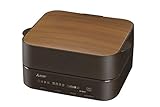
1. Mitsubishi Electric bread oven TO-ST1-T retro brown Toaster which burns
Best for: Compact stainless-steel pick for small counters.
Stainless steel gives the Mitsubishi Electric TO-ST1-T a heat-tolerant body in a 8″D x 9.45″W x 5.51″H footprint, so it fits where many toaster ovens cannot. Its 930-watt output is a practical match for quick browning and simple everyday toast cycles without demanding much counter space.
The brown finish and stainless-steel construction make this unit easy to place in a kitchen that already has darker appliances or wood tones, while the compact 8-inch depth keeps the footprint manageable. At 9.45 inches wide, it is sized for a small dedicated toast station rather than a large baking setup. The 5.51-inch height also helps it sit low under cabinets. With 930 watts, it is aimed at direct toasting rather than multi-function cooking, which suits buyers who mainly want bread, slices, and similar items handled in a straightforward way. That combination favors people who value a simple Japanese toaster form factor over a bulkier oven-style machine.
Pros
- Stainless-steel body suits frequent countertop use
- 8-inch depth keeps the footprint compact
- 930-watt output supports quick toast-focused heating
- Brown color blends easily with warm-toned kitchens
Cons
- No listed multi-function cooking modes, so it is aimed at toast rather than broader baking or roasting tasks.
For a buyer who wants a compact Japanese toaster with a clean stainless-steel build, this Mitsubishi is easy to place and easy to understand. It makes the most sense in kitchens where toast performance matters more than oven-style versatility.
| Specification | Details |
|---|---|
| Brand | MITSUBISHI |
| Color | Brown |
| Material | Stainless Steel |
| Product Dimensions | 8″D x 9.45″W x 5.51″H |
| Wattage | 930 watts |
I would point this toward someone who wants a straightforward Japanese toaster and does not need extra cooking functions. The stainless-steel body and compact dimensions make it a sensible fit for a small kitchen, and the 930-watt output keeps the focus on basic browning. If you want a simple countertop appliance for daily toast, this one fits that brief well.
2. Zojirushi ET-ZLC30 Micom Toaster Oven, Black

- Stylish and Streamlined Design with Compact Footprint; Mirrored glass design fits seamlessly into any kitchen; Takes less space on...
- 12 Micro-Computerized Cooking Functions: Toast, Bagel, Pizza, Cookie, Bake, Roast, Broil, Homemade, Rise, Timed Toast, Reheat, and...
- Completely Automated Toast and Bagel Functions: Gauges interior temperature and makes fine temperature adjustments for consistent...

Best for: Feature-rich choice for toast and baking.
A 65-cubic-foot capacity and a 12-inch pizza setting give the Zojirushi ET-ZLC30 a much broader role than a basic toaster. Its mirrored glass front and black finish suit kitchens where the appliance sits in plain sight, while the compact footprint helps preserve counter room despite the larger interior.
Twelve micro-computerized cooking functions make this model useful for more than breakfast toast, with settings for toast, bagel, pizza, cookie, bake, roast, broil, homemade, rise, timed toast, reheat, and keep warm. The automated toast and bagel functions gauge interior temperature and make fine adjustments, which is the kind of control that helps when you want repeatable results from slice to slice. Five toast shade settings let you tune browning to your preference, and the frozen selection handles up to 4 slices. At 15.25 inches deep, 16 inches wide, and 11.88 inches high, it is still a countertop appliance, not a full oven, but one that covers a lot of everyday jobs.
Pros
- 12 cooking functions cover toast, bake, roast, and more
- Automated temperature sensing helps keep results consistent
- 5 toast shade settings allow finer browning control
- Frozen selection handles up to 4 slices for convenience
Cons
- The 15.25-inch depth and 16-inch width take more counter space than a basic toaster, so it needs a committed spot.
This Zojirushi makes sense for buyers who want one appliance to handle toast, reheating, and small-batch baking. It is strongest in kitchens that can spare the footprint and will use the extra cooking modes often.
| Specification | Details |
|---|---|
| Brand | Zojirushi |
| Color | Black |
| Product Dimensions | 15.25″D x 16″W x 11.88″H |
| Capacity | 65 cubic feet |
| Special Feature | Cooks 12″ Pizza |
I think this is the best fit for someone who wants a Japanese toaster oven that does more than toast bread. The temperature adjustment features and five shade settings make it appealing if you care about repeatable results, and the 12 functions add real flexibility. If you have the counter space, it offers a lot of utility in one appliance.
3. Aladdin Graphite Grill & Toaster AGT-G13AW (White)【Japan Domestic Genuine Products】【Ships

- Accessories: Grill pan, grill net, concept book, recipe book; Product Size (W x D x H): 14.2 x 14.0 x 9.8 inches (36 x 35.5 x...
- Individual package size (depth): 15.2 inches (38.5 cm); Individual package size (height): 13.6 inches (34
- Power Consumption/Power: 1,300 W; Cord Length: 3.3 ft (1 m)
Best for: Manual grill-and-toast pick for versatile meals.
The Aladdin Graphite Grill & Toaster pairs a 7.69-liter capacity with a 1,300-watt heating system, so it is aimed at toast plus small grilled dishes rather than plain browning alone. Its white finish, manual control, and Japanese design give it a more hands-on feel, which suits buyers who want direct control over the cooking process.
At 14.2 x 14.0 x 9.8 inches, this unit has enough interior room for compact meal prep while still staying manageable on the counter. The included grill pan and grill net expand what you can cook beyond bread, and the concept book plus recipe book help you use the appliance in the ways it was intended. The lid helps prevent oil from spilling and reduces mess during grilling, which is especially useful for richer foods. A 3.3-foot cord keeps placement fairly close to the outlet, and the manual control plus voltage selection make it a practical choice for users who prefer to set things themselves rather than rely on automation.
Pros
- 1,300-watt power supports fast heating for toast and grilling
- 7.69-liter capacity suits small meals and bread items
- Included grill pan and grill net add cooking flexibility
- Lid helps prevent oil from spilling and reduces mess
Cons
- Manual control means you do not get automated cooking programs, so it asks for more hands-on timing.
This Aladdin is a strong option if you want a Japanese toaster that also works as a compact grill. It suits cooks who like manual control, want useful accessories included, and plan to make more than plain toast.
| Specification | Details |
|---|---|
| Brand | Aladdin (アラジン) |
| Color | White |
| Capacity | 7.69 liters |
| Wattage | 1300 watts |
| Product Size | 14.2 x 14.0 x 9.8 inches |
| Cord Length | 3.3 ft (1 m) |
| Special Feature | Japanese Design, Manual Control, Voltage Selection |
| Accessories | Grill pan, grill net, concept book, recipe book |
I would choose this for someone who wants a more tactile, cooking-oriented Japanese toaster. The included grill parts make it easier to do real food prep, not just toast, and the lid is a practical touch for mess control. If you enjoy a manual setup and want help getting started, this one is especially appealing.
Quick Comparison Table of Top Japanese Toasters
| Product Name | Size | Power | Style | Best For | Check Price |
|---|---|---|---|---|---|
| Mitsubishi Electric bread oven TO-ST1-T retro | 8 x 9.45 x 5.51 in | 930 watts | Retro brown | Compact countertop use | Check Price |
| Zojirushi ET-ZLC30 Micom Toaster Oven, Black | 15.25 x 16 x 11.88 in | Micom control | Black mirror | Multi-function baking | Check Price |
| Aladdin Graphite Grill & Toaster AGT-G13AW | 14.2 x 14 x 9.8 in | 1300 watts | White Japanese | Manual grilling | Check Price |
How to Choose the Right best japanese toaster
Toasting performance and precision
Choose a toaster that gives you separate control over light, medium, and dark browning, not just a vague dial with wide gaps between settings. Good models brown evenly from edge to center, finish two slices at the same shade, and keep repeated batches close in result without slowing down. Weak models leave pale bands, scorch one side, or drift darker after the first round.
For most buyers, the best pick is a toaster with 6 to 7 clear shade levels, wide heating coverage, and fast recovery for back-to-back rounds of toast.
| Feature | What to look for |
|---|---|
| Shade levels | 6-7 distinct settings |
| Heat spread | Even browning across the full slice |
| Batch performance | Consistent results over multiple cycles |
| Control feel | Clear, repeatable dial or buttons |
Slot design and bread compatibility
Pick slot dimensions around the bread you eat most often. Thick sourdough, bagels, and rustic artisan slices need wide slots with enough depth to hold the full edge without forcing the bread in; standard sandwich bread works well in narrower openings. Longer slots suit oversized slices and reduce the need to trim bread.
A good lift mechanism raises small pieces high enough to grab safely, while weak designs leave them buried near the slot. For mixed bread households, choose extra-wide, extra-long slots with a high-lift lever.
| Type | Best for |
|---|---|
| Extra-wide, long slots | Bagels, sourdough, artisan bread |
| Standard slots | Regular sandwich slices |
| High-lift lever | Small items and safer removal |
| Deep slots | Thicker cuts and uneven slices |
Heating technology and cooking modes
Choose the heating system by the texture you want and the bread you use most. Quartz and infrared systems respond quickly, keep heat focused, and often handle repeated cycles with less lag; conventional elements give steady, familiar browning and work well for everyday toast. The best units add dedicated modes for toast, reheat, defrost, and bagels so each cycle matches the job instead of forcing one setting for everything.
Good moisture-retention features keep the middle soft while crisping the surface. For the best all-around choice, pick a toaster with separate modes and fast-response heating.
| Heating type | Best for |
|---|---|
| Quartz | Fast, responsive browning |
| Infrared | Quick heating with even finish |
| Conventional | Simple daily toast |
| Dedicated modes | Bagels, defrost, reheat, toast |
Build quality and everyday usability
Focus on materials and daily cleanup because these determine whether the toaster stays pleasant to use. Metal exteriors feel sturdier and resist scuffs better than thin plastic housings, while solid knobs and buttons last longer than loose-feeling controls. A removable crumb tray is essential, and smooth interior surfaces clean faster than ridged ones that trap debris.
Measure counter space before buying, then check cord length and cord wrap so the toaster parks neatly. For small kitchens, choose a compact body with a removable tray and integrated cord storage; for heavy daily use, choose a metal shell and robust controls.
- Metal exterior: best for durability and frequent use
- Plastic exterior: fine for lighter use and simple styling
- Removable crumb tray: essential for easy cleanup
- Cord wrap or hidden storage: best for tidy counters
- Compact footprint: best for small kitchens
Safety and convenience features
Choose safety features that protect both the toaster and the person using it every day. Auto shutoff and overheat protection are non-negotiable, because they stop runaway cycles and add peace of mind during busy mornings. Cool-touch housing matters in compact kitchens and homes with children, while a stable base with grippy feet keeps the unit from sliding when levers are pressed.
Audible alerts help when you multitask, a visible timer or countdown display makes timing easier, and simple controls reduce mistakes. For the safest, easiest pick, choose a toaster with auto shutoff, cool-touch sides, stable footing, and a clear control layout.
Which Should You Choose?
- If you want a compact, stylish toaster oven for everyday countertop use, choose a streamlined model with a small footprint and multiple computerized settings.
- If you mainly want evenly browned toast with a classic, retro feel, choose a dedicated bread toaster with strong heat output and simple controls.
- If you plan to cook more than toast, choose a toaster oven with grill accessories and enough interior space for baking, reheating, and broiling.
- If your kitchen is tight on space and you want a clean, uncluttered look, choose a model with a mirrored or low-profile design and front or bottom-mounted controls.
Quick Best Japanese Toaster Buying Checklist
- Check slot size. Make sure the best japanese toaster fits standard slices, thick artisanal bread, and bagels without forcing them.
- Compare browning control. Look for multiple shade settings so you can dial in light toast or a deeper finish consistently.
- Review heating modes. Choose a model with reheat, defrost, and bagel functions if you want more than basic toasting.
- Inspect cleanup features. A removable crumb tray and smooth exterior make daily maintenance quicker and easier.
- Confirm safety protections. Auto shutoff, cool-touch surfaces, and stable feet help reduce risk during everyday use.
- Measure countertop fit. Pick a compact footprint and cord storage setup that matches your kitchen space.
How a Japanese Toaster Uses Precision Heat Distribution
Japanese toasters are designed to brown bread more evenly by controlling heat in small, consistent bursts rather than blasting constant high heat. Many models use quartz or far-infrared elements, which respond quickly and help reduce the common problem of a burnt surface with a cold center. Some units also cycle heat on and off in short intervals to keep the crumb soft while building a crisp crust.
This approach is especially useful for thick slices, milk bread, and frozen bread, since the interior warms gradually without drying out too fast. The result is usually a more balanced texture, with better control over shade and moisture.
Common Toasting Modes and What They Do
Many Japanese toasters include specialized presets that go beyond simple browning levels. These modes are meant to improve results for different foods and bread styles, so the appliance can behave more like a precision cooker than a basic slot toaster. For example, a reheat setting warms toast without darkening it much, while a frozen setting adds time to thaw the center before browning the outside.
Some models also offer bagel, sandwich, or pastry functions that shift where the heat is applied. The chart below shows the most common modes and their typical purpose.
| Mode | Best for | Main benefit |
|---|---|---|
| Reheat | Previously toasted bread | Warms without extra browning |
| Frozen | Frozen slices | Thaws and toasts in one cycle |
| Bagel | Cut bagels | Toasts the cut side more strongly |
| Pastry | Delicate baked goods | Uses gentler heat |
Why Slot Shape Matters for Bread Texture
Slot design affects more than just whether a slice fits. Wider or deeper slots can better handle artisan loaves, thick sandwich bread, and Japanese milk bread, while narrower slots often work best with standard supermarket slices. Some Japanese toaster designs also allow more vertical clearance, which helps keep taller bread from touching the heating elements.
This matters because uneven spacing can create pale sections near the top or overly dark edges near the metal guides. A well-matched slot shape makes it easier to get consistent browning without repeatedly flipping or repositioning bread.
It also reduces the chance of crumbs falling into awkward corners that are harder to clean.
| Slot style | Best for | Trade-off |
|---|---|---|
| Narrow slot | Thin sliced bread | Less flexible for thick cuts |
| Wide slot | Thick bread and bagels | May use more counter space |
| Tall slot | High-rising slices | Not always as compact |
| Adjustable rack | Mixed bread types | More parts to clean |
Cleaning and Descaling for Long-Term Performance
Regular care helps a toaster keep heating evenly and prevents stale crumbs from affecting flavor. The crumb tray should be emptied often, especially if you toast pastries or bread with loose toppings that fall inside the appliance. Wiping the exterior with a soft damp cloth keeps fingerprints and starch buildup from collecting around buttons and seams.
If the model includes a steam or baking function, mineral deposits can build up over time and should be removed according to the manufacturer’s guidance. Never submerge the unit in water, and avoid using abrasive pads on coated finishes.
Simple maintenance protects both appearance and performance, while also reducing odor and smoke during repeated use.
Placement and Safety Habits for Daily Use
Safe use starts with giving the toaster enough breathing room. Keep it on a stable, heat-resistant surface and leave space around the sides and back so heat can escape freely. The cord should not hang over the edge of the counter, and the appliance should stay away from curtains, paper towels, or other flammable items.
It is also important to unplug the toaster before cleaning, moving it, or removing stuck bread. If a slice jams, use wooden or silicone tools rather than metal objects, since metal can damage the heating area or create a shock hazard.
Good placement and careful handling make the appliance safer and help it last longer.
Frequently Asked Questions (FAQs)
What Makes A Best Japanese Toaster Different From A Standard Toaster?
A best japanese toaster stands out by focusing on precise browning, gentle reheating, and consistent results. Many models use advanced heating control and multiple modes so bread turns crisp outside while staying soft inside, especially for thick slices, milk bread, and frozen items.
How Many Browning Settings Should A Best Japanese Toaster Have?
A best japanese toaster should have several browning settings so you can fine-tune toast color and texture. More levels give better control for different breads, from soft sandwich slices to crustier artisan loaves, and help each user get the same result every time.
Can A Best Japanese Toaster Handle Thick Bread And Bagels?
Yes, a best japanese toaster can handle thick bread and bagels if it has wide, long slots and a strong lift mechanism. Those features keep larger pieces centered, reduce sticking, and help the heating elements brown the surface evenly without crushing the bread.
Is A Best Japanese Toaster Good For Frozen Bread?
Yes, a best japanese toaster is often well suited for frozen bread because many models include a defrost mode. That setting gently thaws the slice before toasting, which helps prevent a burnt exterior and an underheated center, especially with thicker breads.
What Safety Features Should A Best Japanese Toaster Include?
A best japanese toaster should include auto shutoff, cool-touch housing, and stable feet for safer everyday use. These features reduce overheating risk, keep the exterior more comfortable to handle, and help the appliance stay steady on a busy countertop.
How Important Is Cleaning In A Best Japanese Toaster?
Cleaning is very important in a best japanese toaster because crumb buildup can affect performance and create mess. A removable crumb tray, smooth surfaces, and easy-access slots make routine maintenance simple, helping the toaster stay efficient and look neat in the kitchen.
What Should I Look For In The Build Quality Of A Best Japanese Toaster?
Look for sturdy materials, durable controls, and a well-made heating system in a best japanese toaster. Solid construction usually means better long-term reliability, smoother knob or button operation, and more even toasting performance after repeated daily use.
Final Suggestions
Choosing the best japanese toaster means getting more than simple browning; it delivers precise control, flexible bread compatibility, and reliable everyday performance. With the right mix of heating modes, safety features, and easy cleaning, it can make breakfast faster and more enjoyable. Pick a model that matches your habits, and your kitchen routine will feel noticeably easier and more refined.