Top 10 Best Jigging Rod: Must-Read Picks
The best jigging rod can change how every lift, drop, and strike feels on the water. In jigging, rod engineering matters because sensitivity, backbone, and balance all work together to control lure action and detect subtle bites. The best jigging rod models are designed for deep-water pressure, fast response, and durability, while modern jigging rod choices often blend lightweight graphite, corrosion resistance, and tuned taper profiles.
From vertical jigging rod designs to offshore jigging rod setups, small differences in guides, handle construction, and blank technology can shape performance in critical moments. Understanding those details is the key to separating casual gear from serious tackle, and the next picks reveal which designs stand out when precision matters most.
Detailed Reviews of the Best Jigging Rod
1. Ugly Stik Carbon Jigging Spinning Fishing Rod
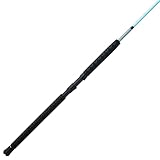
- UGLY STIK CARBON JIGGING 6'4" SPINNING ROD: Combines trusted Ugly Stik toughness with crisp action and increased sensitivity...
- Ugly Tech(TM) construction featuring 100% 24-ton graphite for a lightweight and well-balanced rod.
- 8 PVD coated Ugly Tuff(TM) one-piece stainless-steel guides with a smooth hard coating reduces line fray.

Best for: Lightweight sensitivity for jigging.
100% 24-ton graphite gives the Ugly Stik Carbon Jigging Spinning Fishing Rod a light, responsive blank that helps you feel subtle jig strikes faster. The 6’4″ length keeps the rod compact for working lures with control, while the spinning setup suits anglers who want quick line management and crisp hooksets in tight boat-side jigging situations.
Ugly Tech construction pairs that 24-ton graphite blank with a jig-specific action, so the rod reacts quickly when a fish taps a metal jig and still has enough backbone to drive the hook home. Eight PVD-coated Ugly Tuff one-piece stainless-steel guides help line move cleanly and cut down on fray during repeated lifts and drops. The rubberized X-pattern EVA handle improves grip when hands are wet or cold, which matters during long vertical presentations. With one-piece construction and a blue/black finish, it keeps the setup simple and easy to manage on the water.
Pros
- 24-ton graphite blank keeps the rod light and sensitive
- 6’4″ length gives compact jig control from a boat
- 8 PVD-coated stainless-steel guides help reduce line fray
- Rubberized X-pattern EVA handle improves grip and control
Cons
- Single-piece construction is less convenient to transport than a multi-piece travel rod.
For anglers who want a nimble jigging rod with noticeable sensitivity, this model hits the mark. It is a practical pick for boat anglers who value quick feedback and simple handling over travel convenience.
| Specification | Details |
|---|---|
| Brand | Ugly Stik |
| Material | Graphite |
| Color | Blue/Black |
| Number of Pieces | 1 |
| Fishing Technique | Spinning |
I’d point this rod toward anglers who want a straightforward jigging setup with better feel than a generic all-purpose stick. The graphite construction and compact 6’4″ profile make it appealing for vertical presentations where sensitivity matters most. If you fish from a boat and prefer a simple one-piece rod, it makes a lot of sense.
2. Saltwater Fishing Rod – 2-Piece Slow Jigging Rod with Fuji

- Pro-Grade Saltwater Performance - Crafted with premium Toray 30+24T carbon fiber construction, this heavy-duty saltwater rod...
- Specialized for Slow Pitch Mastery - Engineered specifically for slow pitch jigging techniques, the moderate-fast action blank...
- Saltwater-Ready Components - Features genuine Fuji O-Style guides with Zirconium inserts that resist corrosion from salt spray...
Best for: Slow pitch control for deep saltwater.
Premium Toray 30+24T carbon fiber gives the Soloking slow jigging rod a sensitive blank that still has the strength to handle hard-running saltwater fish. The 2-piece layout makes it easier to pack and store, while the moderate-fast action is tuned for slow pitch work with metal jigs from 60 to 500g.
This rod is purpose-built around slow pitch jigging, so the blank is meant to flutter metal jigs in a way that draws strikes from bottom fish rather than just yank them straight up. The 60-500g jig range gives you flexibility for lighter presentations and heavier deep-water work without switching rods. Toray 30+24T carbon fiber adds sensitivity for subtle bites and enough backbone for pressure on large fish. The two-piece construction is useful if you need to travel or stow the rod in a smaller vehicle, and the black finish keeps the look clean and simple on deck.
Pros
- Toray 30+24T carbon fiber adds sensitivity and backbone
- Moderate-fast action suits slow pitch jigging technique
- 60-500g jig range covers light to heavy presentations
- 2-piece construction makes transport and storage easier
Cons
- The two-piece design adds a connection point that some anglers prefer to avoid on a dedicated jig rod.
This rod makes the most sense for anglers targeting saltwater fish with slow pitch tactics and a wide jig weight range. It offers the feel needed for subtle bites without giving up the power required for deep-water control.
| Specification | Details |
|---|---|
| Brand | Soloking |
| Material | Carbon Fiber |
| Color | Black |
| Number of Pieces | 2 |
| Fishing Technique | Casting/Spinning |
I’d recommend this to anglers who focus on slow pitch jigging and want one rod that covers a broad jig range. The 2-piece build makes it easier to travel with, and the Toray carbon fiber construction should appeal to anyone who values bite detection in deeper water. It suits dedicated saltwater use more than casual all-around fishing.
3. Jigging World Onyx Inshore Spinning Rods

- Onyx Inshore Spinning Rods are designed to be used for boat jigging and bottom fishing applications.
- These rods are an absolute beauty and performance-wise
- Jigging World JW-OX701S-MH Onyx Inshore Spinning Rod 7' 1-4oz 15-30lb
Best for: Inshore boat jigging versatility.
A 7-foot inshore spinning profile gives the Jigging World Onyx JW-OX701S-MH the reach and leverage needed for boat jigging and bottom fishing. Rated for 1-4 oz lures and 15-30 lb line, it gives anglers a clear match between bait size, line class, and the fish they want to target from the boat.
The 7′ length helps keep line angle manageable when fishing beside the boat or working bottom structure, and the medium-heavy power is aimed at fish that need more stop-and-turn force. The 1-4 oz lure rating makes it a practical choice for jigging metals and other compact presentations in inshore water. A 15-30 lb line rating gives enough room for braided or heavier mono setups without overloading the blank. Built as a one-piece spinning rod with a black finish, it keeps the setup simple and consistent for anglers who want one rod for jigging and bottom work.
Pros
- 7′ length gives useful reach for boat jigging
- 1-4 oz lure rating fits common inshore jig weights
- 15-30 lb line rating supports stronger inshore setups
- Medium-heavy power adds control over fish near structure
Cons
- The one-piece construction is less compact for transport than a multi-piece rod.
This is a strong choice for inshore anglers who want one rod for jigging and bottom fishing. Its lure and line ratings make it easy to match with common boat-side setups.
| Specification | Details |
|---|---|
| Brand | Jigging World |
| Material | Blend |
| Color | Black |
| Number of Pieces | 1 |
| Fishing Technique | Spinning |
I like this rod for anglers who fish inshore water from a boat and want a straightforward jigging setup. The 7-foot length and 15-30 lb line range make it a practical middle ground for a lot of bottom-focused trips. If you want a simple one-piece spinning rod that handles common jig sizes, it fits well.
4. Fiblink Saltwater Graphite Jigging Casting Fishing Rod Deep Sea Jig
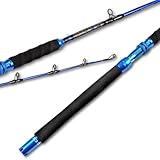
- Strength and Durability:These 1 piece/2 piece jigging rods are built of the art composite blanks composed of Glass and Graphite to...
- Heavy Duty Reel Seat:Made of corrosion-resistant CNC machined aluminum to extend the life of the rod. Double insurance fixing...
- Smooth Stainless Steel Guide:Stainless steel guide and ceramic insert, smooth and sensitive, it will help to minimize friction to...
Best for: Rugged build for hard saltwater use.
Glass and graphite composite blanks give the Fiblink saltwater jigging rod a mix of toughness and responsiveness that suits hard use around deep-water structure. The choice of 1-piece or 2-piece construction lets anglers pick between maximum rigidity and easier transport, depending on how they fish and store their gear.
A corrosion-resistant CNC machined aluminum reel seat adds practical durability in saltwater conditions and helps keep the reel locked down under load. The adjustable reel seat position makes it easier to balance different reels, which can improve comfort during long jigging sessions. Smooth stainless-steel guides support line flow when dropping and ripping jigs repeatedly. Because the blank blends glass and graphite, the rod aims for a sturdier feel than a pure graphite stick while still keeping some bite feedback. The blue finish gives it a clear visual identity on deck, and the jigging-specific build keeps the focus on vertical fishing rather than general casting use.
Pros
- Glass and graphite blank balances toughness and sensitivity
- CNC machined aluminum reel seat resists corrosion
- Adjustable reel seat position helps balance the setup
- Stainless-steel guides support smooth line movement
Cons
- The model line includes both 1-piece and 2-piece versions, so the exact portability and stiffness depend on the configuration selected.
This rod suits saltwater anglers who want a tougher jigging tool for demanding conditions. It is especially appealing if reel-seat stability and corrosion-resistant hardware matter to you.
| Specification | Details |
|---|---|
| Brand | Fiblink |
| Material | Glass, Graphite |
| Color | Blue |
| Number of Pieces | 1 |
| Fishing Technique | Jigging |
I’d steer anglers toward this rod if they fish saltwater hard and care about corrosion resistance in the reel seat and guides. The composite blank should appeal to those who want a sturdier feel for repeated jigging around structure. It looks like a sensible pick for rougher conditions where hardware durability matters as much as feel.
5. Penn Rampage Boat Casting Fishing Rod
- PENN RAMPAGE JIG 6’6” CONVENTIONAL ROD: Lightweight and strong Nearshore/Offshore saltwater rod designed specifically for...
- 30-80LB LINE RATING, MEDIUM POWER: Moderate Fast action combines responsiveness with staying power. Lure rating of 2-5 ounces.
- GRAPHITE COMPOSITE one-piece rod blank is among the most sensitive and lightweight available for situations where speed wins the...
Best for: Vertical jigging with fast response.
A 6’6″ conventional profile gives the PENN Rampage Jig rod the short, controlled length many anglers want for vertical jigging. The 30-80 lb line rating and 2-5 ounce lure rating create a clear setup window for nearshore and offshore saltwater work where strong line and heavier metals are part of the plan.
The medium power and moderate-fast action offer a useful middle ground: enough responsiveness to work a jig cleanly, but enough staying power to pressure fish once they are hooked. A graphite composite blank keeps the rod lightweight and sensitive, which matters when a jig bite shows up as only a tap on the drop. Fuji aluminum oxide guides are designed to manage braided and monofilament lines while handling heat and friction from repeated retrieves. The one-piece build helps maintain a direct feel from tip to handle, and the conventional format suits anglers who prefer jigging hardware over a spinning setup.
Pros
- 30-80 lb line rating supports heavy saltwater setups
- 2-5 oz lure rating matches common vertical jig weights
- Graphite composite blank keeps the rod sensitive and light
- Fuji aluminum oxide guides help control braid and mono
Cons
- The conventional setup is less familiar to anglers who only use spinning gear for jigging.
This rod is a strong fit for anglers who want a conventional jigging tool with real saltwater muscle. It works especially well when heavier line and lure ratings are part of the day’s plan.
| Specification | Details |
|---|---|
| Brand | PENN |
| Material | Aluminum, Graphite |
| Color | Multi |
| Number of Pieces | 1 |
| Fishing Technique | Jigging |
I’d choose this for anglers who like conventional rods and fish vertical jigging in saltwater. The line and lure ratings make it easy to pair with heavier tackle, and the graphite composite blank should keep the rod responsive enough for fast presentations. It’s a practical pick for nearshore or offshore trips where stronger gear is part of the game.
6. Jigging World Onyx Inshore Spinning Rods
- Onyx Inshore Spinning Rods are designed to be used for boat jigging and bottom fishing applications.
- These rods are an absolute beauty and performance-wise
- Jigging World JW-OX731S-MH Onyx Inshore Spinning Rod 7'3" 2-6oz 20-40lb
Best for: Longer reach for mixed inshore work.
At 7’3″ with a 2-6 oz lure rating, the Jigging World Onyx Inshore spinning rod gives you more reach and a wider jig window than shorter inshore models. The 20-40 lb line rating pairs with that length to help control fish around structure while still keeping the rod usable for jigging and casting in the same trip.
30T carbon fiber construction gives this rod a lighter feel than many heavier-duty inshore options while still providing enough strength for jigs and plugs. The medium-heavy profile is helpful when you need leverage against fish that stay near the bottom or around current. A 2-6 oz lure rating expands the range of metals and soft-plastic jig heads you can throw, which is useful if conditions change during the day. The one-piece spinning layout keeps the connection direct and simple, and the black finish keeps the presentation understated on the deck. It is also described as versatile for jigging fluke and flounder, plus casting plugs at stripers.
Pros
- 7’3″ length adds reach and line control
- 2-6 oz lure rating expands lure options
- 20-40 lb line rating suits stronger inshore setups
- 30T carbon fiber keeps the rod light and responsive
Cons
- The longer 7’3″ length can be less convenient in tight boat spaces than a shorter rod.
This rod fits anglers who want a longer inshore jigging rod with broader lure coverage. It is especially useful when the same rod needs to handle both jigging and casting duties.
| Specification | Details |
|---|---|
| Brand | Jigging World |
| Material | Blend |
| Color | Black |
| Number of Pieces | 1 |
| Fishing Technique | Spinning |
I think this is a smart pick for anglers who want one inshore rod that can handle more than just one jig weight. The 7’3″ length and 2-6 oz rating make it more flexible than short, narrow-range models. If you fish fluke, flounder, or stripers and want a single rod that covers several jobs, this one fits that brief.
7. Saltwater Fishing Rod – 2-Piece Slow Jigging Rod with Fuji
- Pro-Grade Saltwater Performance - Crafted with premium Toray 30+24T carbon fiber construction, this heavy-duty saltwater rod...
- Specialized for Slow Pitch Mastery - Engineered specifically for slow pitch jigging techniques, the moderate-fast action blank...
- Saltwater-Ready Components - Features genuine Fuji O-Style guides with Zirconium inserts that resist corrosion from salt spray...
Best for: Slow pitch power with easy packing.
Two-piece construction makes the Soloking slow jigging rod easier to pack while still keeping the Toray 30+24T carbon fiber blank focused on sensitivity and pulling power. The moderate-fast action and 60-500g jig range give anglers a dedicated setup for slow pitch work in deep saltwater.
This model is aimed squarely at slow pitch presentations, so the blank is meant to work metal jigs with a controlled flutter rather than a fast ripping motion. The 60-500g rating lets you fish a wide spread of jig sizes, which matters when you need to adapt to depth or current. Toray 30+24T carbon fiber gives the rod a lighter feel while still providing the backbone needed to pressure fish from below. Because it breaks into two pieces, it is easier to store in a vehicle or take on trips. The black finish keeps the rod visually simple, and the casting/spinning listing signals it can fit different reel preferences.
Pros
- Toray 30+24T carbon fiber keeps sensitivity high
- Moderate-fast action suits slow pitch jigging
- 60-500g jig range adds flexibility across conditions
- 2-piece design is easier to transport and store
Cons
- The two-piece format is less rigidly simple than a one-piece rod for some dedicated jigging anglers.
For anglers who want a travel-friendly slow pitch rod, this one is well matched to the job. It offers the jig range and blank sensitivity that matter most in deeper saltwater.
| Specification | Details |
|---|---|
| Brand | Soloking |
| Material | Carbon Fiber |
| Color | Black |
| Number of Pieces | 2 |
| Fishing Technique | Casting/Spinning |
I’d recommend this for anglers who want a slow jigging rod they can travel with more easily. The 2-piece construction makes storage simpler, and the wide jig range gives it practical depth for changing conditions. If slow pitch is your main style and you want a packable rod, this is a sensible option.
8. GOOFISH® Blue 6’6″(195cm) Solid Nano Tech Blank Saltwater Slow Pitch

- Guide & Reel Seat: Guide is the best brand JAPAN FUJI K-series&A-ring and FUJI reel seat, powerful for saltwater fishing.
- Blank: it is the most advanced material processing technology made of SOLID NANO TECH blank, so it is lighter weight, stronger...
- Jigs & Power: Blue PE 3-6 suggested max jig±500g,dead lift 18kg: Kindly Note:dead lift is not meaning that max weight you can...
Best for: Precision slow pitch with premium hardware.
JAPAN FUJI K-series guides and a FUJI reel seat give the GOOFISH Blue slow pitch rod premium contact points for saltwater jigging. The 6’6″ length and solid nano tech blank combine with PE 3-6 guidance and a suggested max jig weight of 500g to create a rod aimed at controlled deep-water presentations.
The solid nano tech blank is meant to be lighter, stronger, and more sensitive at the tip than common rods, which is valuable when slow pitch bites are subtle. The PE 3-6 recommendation helps match the rod to line that can handle serious saltwater pressure without overgunning the setup. A dead lift rating of 18kg provides a concrete reference for blank strength during testing, and the 500g suggested max jig weight gives the rod a useful range for heavy metal work. At 6’6″, it stays manageable on a boat while still giving enough leverage for deeper presentations. The blue finish and one-piece design keep the rod clean and focused on performance.
Pros
- JAPAN FUJI K-series guides support smooth saltwater use
- FUJI reel seat adds a secure hardware interface
- Solid nano tech blank increases tip sensitivity
- PE 3-6 guidance and 500g max jig range cover heavy slow pitch work
Cons
- The one-piece design is less convenient for transport than a two-piece travel rod.
This rod suits anglers who want premium hardware and a focused slow pitch build. It is a strong match for heavier saltwater jigging where tip sensitivity and jig control matter most.
| Specification | Details |
|---|---|
| Brand | GOOFISH |
| Material | Carbon Fiber |
| Color | blue |
| Number of Pieces | 1 |
| Fishing Technique | Slow pitch jigging |
I’d point serious slow pitch anglers to this rod if they want better component quality and a clear saltwater focus. The Fuji guide and reel-seat setup adds confidence, and the solid nano tech blank should appeal to anyone who values a more sensitive tip. It looks like the best fit for dedicated jigging rather than occasional use.
9. Saltwater Fishing Rod – 2-Piece Slow Jigging Rod with Fuji

- Pro-Grade Saltwater Performance - Crafted with premium Toray 30+24T carbon fiber construction, this heavy-duty saltwater rod...
- Specialized for Slow Pitch Mastery - Engineered specifically for slow pitch jigging techniques, the moderate-fast action blank...
- Saltwater-Ready Components - Features genuine Fuji O-Style guides with Zirconium inserts that resist corrosion from salt spray...
Best for: Heavy slow pitch with easy travel.
Premium Toray 30+24T carbon fiber gives the Soloking slow jigging rod the sensitivity needed to read subtle strikes while keeping the blank strong enough for saltwater pressure. Its 2-piece construction makes transport easier, and the moderate-fast action works with metal jigs from 60 to 500g.
The rod is tuned for slow pitch jigging rather than general-purpose fishing, so the blank’s job is to make jigs flutter naturally on the drop and lift. That makes the 60-500g jig range especially useful when you want to adjust to depth or current without changing rods. Toray 30+24T carbon fiber provides a balance of light handling and load-bearing strength, which helps when fish are deep and heavy. The black color keeps it understated, and the two-piece format is convenient for anglers who travel or store gear in smaller spaces. Because it is a casting/spinning listed rod, it can suit different reel preferences depending on how you rig it.
Pros
- Toray 30+24T carbon fiber adds sensitivity and strength
- Moderate-fast action supports slow pitch presentations
- 60-500g jig range covers a broad set of conditions
- 2-piece construction simplifies storage and transport
Cons
- The two-piece format may feel less direct than a one-piece rod to anglers who prioritize maximum rigidity.
This is a practical slow jigging rod for anglers who need both range and portability. It handles a broad jig window while staying focused on saltwater performance.
| Specification | Details |
|---|---|
| Brand | Soloking |
| Material | Carbon Fiber |
| Color | Black |
| Number of Pieces | 2 |
| Fishing Technique | Casting/Spinning |
I’d choose this if you want a slow pitch rod that is easier to travel with but still handles serious jig weights. The 2-piece build is the big convenience factor, while the Toray carbon fiber should keep the rod responsive enough for bite detection. It’s a good fit for anglers who split time between home waters and trips.
10. Penn Squadron IV Jig Spinning Rod

- PENN SQUADRON IV JIG 6'6" SPINNING ROD: Engineered for precision and strength, these 1-piece fishing rods feature fiberglass...
- 8 PENN DURA-GUIDES: One-piece construction eliminates insert pop-outs and delivers smooth line movement, reducing friction and...
- HEAVY-DUTY GRAPHITE REEL SEAT: Lightweight yet durable, the graphite reel seat on these spinning rods provides a stable foundation...
Best for: Compact jig control with stronger line support.
A 6’6″ spinning rod with fiberglass reinforced blanks gives the Penn Squadron IV Jig a compact feel and the extra durability jigging anglers need. Eight PENN DURA-GUIDES and a heavy-duty graphite reel seat make the rod well suited to smooth line movement and stable reel placement during repeated jig drops.
The one-piece construction keeps the rod simple and direct, which is useful when you want quick response on the hookset. Fiberglass reinforced blanks add toughness without giving up all responsiveness, a helpful blend for anglers working jigs near structure or current. The 8 DURA-GUIDES reduce the chance of insert pop-outs and help line move cleanly through the rod. A heavy-duty graphite reel seat gives a stable platform for the reel while staying lighter than many metal-heavy alternatives. At 6’6″, the rod remains manageable on a boat while still giving enough length for vertical jigging control.
Pros
- Fiberglass reinforced blank adds durability for jigging
- 8 PENN DURA-GUIDES help keep line movement smooth
- Heavy-duty graphite reel seat provides stable reel support
- 6’6″ length offers compact boat control
Cons
- The one-piece build is less convenient for anglers who need a rod that breaks down for travel.
This rod fits anglers who want a simple spinning jig rod with durable components and good line control. It is a sensible option for vertical jigging where stable hardware matters.
| Specification | Details |
|---|---|
| Brand | PENN |
| Material | Composite |
| Color | Black/Silver |
| Number of Pieces | 1 |
| Fishing Technique | Spinning |
I’d recommend this for anglers who want a dependable spinning rod for jigging without a complicated setup. The reinforced blank and DURA-GUIDES suggest a practical focus on repeated use and smooth line flow. If you fish from a boat and prefer a compact one-piece rod, this is an easy model to like.
Quick Comparison Table of Top Jigging Rods
| Product Name | Material | Pieces | Technique | Best For | Check Price |
|---|---|---|---|---|---|
| Ugly Stik Carbon Jigging Spinning Fishing | Graphite | 1 | Spinning | Light jigging | Check Price |
| Saltwater Fishing Rod – 2-Piece Slow | Carbon Fiber | 2 | Casting/Spinning | Slow pitch jigging | Check Price |
| Jigging World Onyx Inshore Spinning Rods | Blend | 1 | Spinning | Boat jigging | Check Price |
| Fiblink Saltwater Graphite Jigging Casting Fishing | Glass/Graphite | 1 | Jigging | Deep sea jigging | Check Price |
| Penn Rampage Boat Casting Fishing Rod | Graphite Composite | 1 | Jigging | Vertical jigging | Check Price |
| Jigging World Onyx Inshore Spinning Rods | Blend | 1 | Spinning | Inshore jigging | Check Price |
| Saltwater Fishing Rod – 2-Piece Slow | Carbon Fiber | 2 | Casting/Spinning | Slow pitch jigging | Check Price |
| GOOFISH® Blue 6’6″(195cm) Solid Nano Tech | Carbon Fiber | 1 | Slow pitch jigging | Slow pitch jigging | Check Price |
| Saltwater Fishing Rod – 2-Piece Slow | Carbon Fiber | 2 | Jigging | Slow pitch jigging | Check Price |
| Penn Squadron IV Jig Spinning Rod | Composite | 1 | Spinning | Jig spinning | Check Price |
How to Choose the Right Best Jigging Rod
Rod length and blank action
Choose rod length by how you fish: 5’6 to 6’6 rods suit straight-up-and-down jigging from boats because they keep the lure under control and reduce fatigue, while 6’6 to 7’3 rods add casting reach and line control when fish sit away from the boat. Fast-action blanks are the right call for crisp hooksets and clear feedback because the tip moves first and the lower section stays firm. A rod with a very soft tip feels smooth but delays control; a rod that is too stiff loses bite detection.
Pick a compact, fast-action rod for tight vertical work, and choose a slightly longer, still-fast model when you want more reach without giving up jig control.
| Type | Best for |
|---|---|
| 5’6″-6’6″ fast action | Vertical jigging, close-quarters boat control |
| 6’6″-7’3″ fast action | Extra reach, wider lure control, mixed boat use |
| Extra-fast tip | Immediate hooksets and sharp lure feedback |
| Moderate-fast action | Smoother loading for anglers who want a softer feel |
Power rating and lure match
Match power to jig weight and fish size, not just to species names. Light power fits smaller metal jigs and lighter tackle, medium power covers the broadest range for inshore and general boat jigging, and heavy power handles deeper water, larger jigs, and hard-pulling fish. Good rods state a clear lure or jig-weight range and load cleanly through the blank without feeling sloppy.
Poor match shows up as a rod that folds too easily under the lure or feels dead and over-stiff with it. For the best all-around jigging rod, pick medium power with a lure range centered on the jigs you use most; choose light for finesse work and heavy for deep, demanding setups.
| Power | Best for |
|---|---|
| Light | Small jigs, subtle bites, lighter line |
| Medium | General-purpose jigging, widest lure range |
| Medium-heavy | Heavier jigs, stronger fish, deeper water |
| Heavy | Large jigs, strong current, serious backbone |
Material quality and sensitivity
Blank material controls how much feel you get and how long the rod stays dependable under hard use. High-modulus graphite gives the sharpest bite detection and the quickest response, which matters when fish tap the jig lightly or hug structure. Composite and blended blanks add toughness and a more forgiving flex, making them a strong fit for anglers who fish hard and want extra durability.
Good construction feels crisp without being brittle, with even wall thickness and no dead spots in the blank. Choose graphite when sensitivity is the priority, choose composite or a blended blank when you want a harder-wearing rod for repeated jigging pressure.
| Material | Best for |
|---|---|
| High-modulus graphite | Maximum sensitivity and fast response |
| Blended graphite composite | Balanced feel, toughness, and versatility |
| Composite | Hard use, forgiving flex, added durability |
Handle design and comfort
Handle length should match the lift you use. A longer rear grip gives better leverage for two-handed pumping and helps when working heavier jigs all day, while a shorter grip stays cleaner in tight spaces and keeps the rod maneuverable. EVA handles feel grippy, light, and easy to wash down; cork feels warmer and more refined in hand, with good comfort during long sessions.
Check the reel seat for a tight lockup, no wobble, and smooth contact that does not create pressure points. The best choice for most anglers is a medium-length rear grip with EVA and a secure reel seat; choose a longer handle when you fish heavy jigs, and a shorter one for compact boat work.
Durability, guides, and saltwater readiness
Saltwater readiness starts with the small parts. Look for corrosion-resistant guide frames, stainless or equivalent hardware, and tough inserts that hold up to braided line and repeated use. Good guides sit straight, have smooth rings, and show reinforced wraps with clean epoxy at every stress point.
Weak hardware reveals itself through rough insert edges, thin wraps, and loose thread finish. Easyrinse construction matters because salt, grit, and slime accumulate fast around guides, reel seats, and butt caps.
Pick a rod with sealed, corrosion-resistant components and reinforced wrap work for regular saltwater use; choose the most robust guide train and hardware when you fish hard in harsh conditions.
Which Should You Choose?
- If you want a tough all-around rod for boat jigging and bottom fishing, choose a 7′ medium-heavy spinning rod with a crisp graphite blank.
- If you mainly slow-jig in saltwater and need strong lift with extra sensitivity, choose a 2-piece slow jigging rod with Fuji guides and a 30T+ carbon build.
- If you vertical jig around reefs or wrecks with heavier line, choose a 6’6″ conventional rod with moderate-fast action and a 30-80 lb line rating.
- If you fish deep water and want maximum durability over a wide range of jig weights, choose a glass-graphite composite rod with a heavy-duty blank and reinforced guides.
Quick Best Jigging Rod Buying Checklist
- Choose the right rod length for the jigging style you use most often, especially if you need tight vertical control.
- Match rod power to jig weight so the blank loads properly and still has enough backbone for solid hooksets.
- Prioritize fast action if you want sharper lure response and quicker bite detection near structure.
- Look for high-sensitivity materials that transmit subtle taps, bottom contact, and changes in jig movement.
- Check handle comfort and balance to reduce fatigue during repeated lifts, drops, and long sessions.
- Verify corrosion resistance in the guides, reel seat, and hardware if you fish saltwater regularly.
How Jigging Rod Action Influences Hook Sets and Lure Control
The action of a jigging rod determines where it bends and how quickly it recovers after loading. Fast-action rods flex mostly near the tip, which helps transmit subtle jig movements and improves hook-setting power on hard-mouthed fish. Moderate-fast blanks bend a little deeper, adding forgiveness when a fish surges close to the boat.
This balance can matter when using lighter jigs or when fighting species that make sudden runs. Rod action also affects lure feedback; a quicker blank usually gives a sharper feel for bottom contact, while a softer tip can make repeated lifts less tiring during long sessions.
Matching action to the cadence of your jigging style is key to maintaining control without overworking your wrist.
Vertical Jigging Rods vs Slow-Pitch Models
Traditional vertical jigging rods and slow-pitch rods may look similar, but they are built for different presentations. Vertical jigging rods are typically stiffer and faster, letting anglers work a lure directly under the boat with crisp lifts. Slow-pitch models are designed to store and release energy more gradually, creating a fluttering fall that can trigger strikes when fish are less aggressive.
The right choice depends on how the jig is meant to move, not just the species name on the label. Understanding these differences helps avoid mismatched gear that feels awkward in hand or performs poorly in deep water.
| Type | Best for |
|---|---|
| Vertical jigging rod | Sharp lifts, direct control, strong hook sets |
| Slow-pitch rod | Fluttering descents, reduced fatigue, finesse presentations |
| Hybrid model | Anglers who want a middle ground for mixed conditions |
Guide to Rod Length and Leveraging Boat Position
Rod length changes how easily you can work a jig and how much leverage you have during a fight. Shorter rods are popular for confined spaces because they make downward lifts easier and reduce interference with railings, engines, or neighboring anglers. Longer rods can help when you need extra sweep for line control or when fishing from a higher deck where the rod tip must clear the gunwale.
On a rocking boat, a compact rod often feels more stable, while a longer blank may be better for line management in rougher angles. Matching length to your fishing platform improves efficiency and reduces fatigue over a full day on the water.
| Rod length | Best for |
|---|---|
| Short | Tight decks, deep vertical work, reduced fatigue |
| Medium | General boat use and versatile jig control |
| Long | Extra clearance, wider sweeps, improved line handling |
Maintenance Habits That Extend Rod Life
Jigging rods take repeated stress from lifting, dropping, salt exposure, and hard drag pressure, so regular care matters. After each trip, rinse the rod lightly with fresh water and dry it before storage to reduce corrosion around guides and reel seats. Check guide inserts for chips, because a damaged ring can fray braid quickly.
Wipe the blank to remove salt crystals and inspect ferrules or connection points for wear if the rod breaks down into sections. Store the rod horizontally or in a rack where it will not warp or get knocked over.
Avoid leaving it in direct sun for long periods, since heat can weaken finishes and adhesives over time.
- Rinse after saltwater use
- Dry before storing
- Inspect guides and tip top regularly
- Keep ferrules clean and aligned
- Store away from heat and pressure
Common Jigging Rod Setup Errors to Avoid
Even a good jigging rod can feel underwhelming if it is paired or rigged poorly. One common mistake is using a reel and line class that overwhelms the blank, which makes the rod feel dead and difficult to load. Another is choosing a jig weight outside the rod’s designed range, leading to sloppy action or poor depth control.
Anglers also sometimes set the drag too tight, which removes the rod’s ability to cushion sudden hits and can pull hooks free. A reel seat that is not firmly tightened can create twisting under pressure, and loose line wraps on the spool can cause casting or dropping problems.
Careful setup keeps the rod responsive and consistent when the bite turns on.
| Mistake | Result |
|---|---|
| Oversized reel | Poor balance and reduced sensitivity |
| Wrong jig weight | Weak action and inconsistent depth |
| Overtight drag | Lost shock absorption and hook pullouts |
| Loose hardware | Twisting and instability under load |
Frequently Asked Questions (FAQs)
What Makes A Good Jigging Rod For Most Anglers?
A good jigging rod for most anglers combines fast action, strong backbone, and high sensitivity so it can lift jigs cleanly and detect subtle bites. The best jigging rod should also feel balanced in hand, because that reduces fatigue during repetitive vertical lifts and drops.
How Long Should A Jigging Rod Be?
The ideal jigging rod is usually short to medium in length because shorter blanks give better vertical control and stronger hook-setting leverage. Many anglers prefer a rod that is easy to maneuver on a boat while still providing enough reach to work jigs smoothly through the water column.
What Rod Action Is Best For Jigging?
Fast action is usually best for jigging because it places more flex near the tip and keeps the lower blank stiff for solid hooksets. A fast-action jigging rod also improves lure feel, making it easier to detect bottom changes and light strikes.
How Do I Choose The Right Power Rating?
Choose the right power rating by matching the rod to the jig weight and the size of the fish you expect to target. A lighter power rod works for smaller jigs and finesse presentations, while a heavier power rod gives the backbone needed for deeper water and stronger fish.
Why Does Rod Material Matter In Jigging?
Rod material matters in jigging because graphite and composite blanks affect sensitivity, strength, and weight differently. A high-sensitivity blank helps you feel faint taps and structure changes, while a tougher composite build can better handle hard use and repeated stress.
What Handle Features Should I Look For?
Look for a jigging rod handle that gives you a secure grip, comfortable length, and enough leverage for repeated lifts. EVA foam and cork are common choices because they stay comfortable during long sessions, and a stable reel seat helps keep the rod balanced.
Do I Need Special Durability Features For Saltwater Jigging?
Yes, saltwater jigging needs a rod with corrosion-resistant guides, strong wrap reinforcement, and hardware built to handle repeated exposure to spray and moisture. The best jigging rod for saltwater use also rinses easily and maintains performance after harsh conditions.
Final Suggestions
In summary, the best jigging rod combines the right length, action, power, and sensitivity to make vertical fishing more effective and more comfortable. It gives anglers better lure control, stronger hooksets, and the durability needed for demanding conditions. Choose thoughtfully, and you will be ready for more confident, productive jigging sessions.

