Top 10 Best Knife Pocket Picks That Wow
best knife pocket choices stand out when precision, portability, and durability matter most. In everyday carry, the difference often comes down to blade steel, lock strength, pocket clip retention, handle ergonomics, and how smoothly a knife deploys under pressure. That is why enthusiasts compare pocket knife options, folding knife designs, and compact EDC tools with such care.
The right model can improve control, reduce bulk, and handle routine cutting tasks with confidence, but the details are not always obvious at first glance. From materials and edge retention to safety features and carry comfort, the category has evolved far beyond basic utility.
This guide breaks down what separates a forgettable tool from a truly capable one, and the best knife pocket contenders may surprise you once the features start to unfold.
Detailed Reviews of the Best Knife Pocket
1. Smith & Wesson Extreme Ops SWA24S Tactical Folding Knife

- DIMENSIONS: 7.1 Inch (18 Cm) Overall Length With A Blade Length Of 3.1 Inches (7.9 Cm) And A Weight Of 3.5 Ounces
- DURABLE: Blade Is Made Of Reliable 7Cr17Mov Black Oxide High Carbon Stainless Steel With A Black, Aluminum Handle
- DEPENDABLE: Quick And Easy Access With The Convenient Pocket Clip, Finger Flipper And Ambidextrous Thumb Knobs Making It Ideal For...

Best for: Compact EDC with secure lock.
At 7.1 inches overall with a 3.1-inch blade, the Smith & Wesson Extreme Ops SWA24S keeps a full-use cutting edge in a pocketable format. The 3.5-ounce weight makes it easier to carry all day, while the black aluminum handle and serrated clip point give you a knife that can handle utility work, outdoor chores, and quick access in a clipped carry position.
The blade uses 7Cr17Mov black oxide high carbon stainless steel, which gives the knife a practical mix of corrosion resistance and utility-focused edge performance. A liner lock keeps the blade from folding during use, so small cutting jobs feel more controlled. The pocket clip, finger flipper, and ambidextrous thumb knobs add fast opening options for left- or right-handed carry. The 7.1-inch overall length and 3.1-inch blade make it large enough for everyday tasks without turning into a bulky pocket loadout. At 3.5 ounces, it stays manageable for daily carry, while the black aluminum handle adds a durable, no-nonsense grip surface.
Pros
- 3.1-inch serrated clip point blade handles utility cuts
- 7Cr17Mov stainless steel supports everyday edge use
- Liner lock adds secure blade hold during use
- Pocket clip plus flipper and thumb knobs speed access
Cons
- The serrated clip point blade is less versatile for fine slicing than a plain-edge blade.
For buyers who want a compact pocket knife with quick deployment and secure locking, this one checks the essential boxes. It fits everyday carry well and still gives you enough blade length for common outdoor and utility tasks.
| Specification | Details |
|---|---|
| Overall Length | 7.1 Inches |
| Blade Length | 3.1 Inches |
| Weight | 3.5 Ounces |
| Blade Material | 7Cr17Mov Black Oxide High Carbon Stainless Steel |
| Handle Material | Black Aluminum |
| Lock Type | Liner Lock |
| Opening Features | Pocket Clip, Finger Flipper, Ambidextrous Thumb Knobs |
| Model Name | SWA24S |
| Number of Items | 1 Count |
I’d point this toward someone who wants a straightforward everyday-carry knife with fast access and a secure lock. The compact size keeps it comfortable in a pocket, and the serrated blade helps when the job is more about cutting cord, packaging, or general utility than clean food prep. It feels like a practical carry choice rather than a showpiece.
2. Kershaw Appa Pocket Knife, All-Black, 2.75 Inch Reverse Tanto Blade
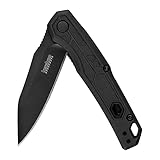
- APPA POCKET KNIFE: The Kershaw Appa combines tactical style and strength with its all-black design and reverse tanto blade, making...
- REVERSE TANTO PLAIN EDGE BLADE: The 2.75" blade is made from stainless steel that offers improved edge retention, strength and...
- GLASS-FILLED NYLON HANDLE: The all-black, glass-filled nylon handle features added handle texture for a secure, comfortable hold...
Best for: Lightweight tactical carry.
Kershaw’s Appa pairs a 2.75-inch reverse tanto blade with an all-black profile, so the knife stays compact while giving you a stronger tip geometry for everyday cutting tasks. The stainless steel blade and glass-filled nylon handle keep the carry weight modest, which is useful when you want a pocket knife that disappears until you need it.
The 2.75-inch plain-edge blade is made from stainless steel, which brings better edge retention and strength than softer materials in this size class. A black-oxide finish helps conceal wear from repeated pocket carry and gives the blade a low-reflection look. The glass-filled nylon handle keeps the knife light while adding a practical, textured structure for daily handling. SpeedSafe assisted opening makes the Appa quicker to deploy than a manual-only folder, and the reinforced cardboard box with cushioning makes storage and gifting cleaner. Its hiking-oriented design and small footprint suit buyers who want a light EDC knife without moving into larger tactical-folder territory.
Pros
- 2.75-inch reverse tanto blade gives a useful tip for daily tasks
- Stainless steel blade supports edge retention and strength
- Glass-filled nylon handle keeps carry weight down
- SpeedSafe opening provides quicker deployment
Cons
- The compact 2.75-inch blade limits reach on larger cutting jobs.
This is a good fit for someone who wants a small, tactical-looking pocket knife that carries easily. It makes the most sense for light daily use, hikes, and pocket carry where size and quick opening matter more than blade length.
| Specification | Details |
|---|---|
| Blade Length | 2.75 Inches |
| Blade Material | Stainless Steel |
| Blade Style | Reverse Tanto |
| Blade Edge | Plain Edge |
| Handle Material | Glass-Filled Nylon |
| Finish | Black-Oxide |
| Opening System | SpeedSafe Opening |
| Recommended Use | Hiking |
| Model Name | Appa |
| Number of Items | 1 |
I’d recommend the Appa to buyers who want a compact folder that still feels purposeful in the hand. The reverse tanto blade and assisted opening make it a sensible carry for light outdoor use, while the all-black build keeps it discreet. If you want a pocket knife that is small, modern, and easy to live with, this one makes sense.
3. Victorinox Classic SD Swiss Army Knife, Compact, 7 Functions, Swiss
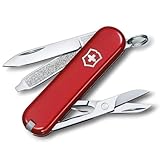
- CLASSIC SD: Beloved by everyday adventurers for more than a century. Combines vibrant colors with sleek functionality.
- EVERYDAY HERO: The Victorinox Swiss Army Classic SD pocket knife doesn’t just look good, it’s also fully equipped to tackle...
- BRIGHT AND BOLD: Tailor your Classic SD to your own personal style with our bold range of colors, from bright Mango Tango to...
Best for: Tiny multitool for daily carry.
Victorinox packs seven functions into the Classic SD, giving you a pocket knife that does more than cut. The small blade, scissors, nail file, screwdriver, key ring, toothpick, and tweezers make it a practical choice when you want a compact tool that can handle tiny fixes without taking much pocket space.
The Classic SD is centered on a multi-tool layout rather than a single-blade format, and that is the key advantage for everyday carry. With 7 functions in one body, you get a small blade for light cutting, scissors for snipping, a nail file for cleanup, a screwdriver for quick adjustments, and the usual key ring, toothpick, and tweezers for on-the-go convenience. The included components listed with the knife confirm the core tool set. Its compact Swiss Army format makes it especially useful for carry on keys or in a small pocket, where a larger folder would be overkill. The model is also part of Victorinox’s long-running Classic SD line, which keeps the focus on simple, portable utility.
Pros
- 7 built-in functions reduce the need for separate tools
- Scissors and tweezers add precision for small tasks
- Small blade keeps the tool pocket-friendly
- Key ring makes everyday carry easier to attach and retrieve
Cons
- The small blade and compact tool size are not suited to heavier cutting jobs.
For buyers who want a pocket knife more for utility than for hard-use cutting, this is one of the most practical formats. It is especially useful when the goal is to carry a tiny multi-tool that can handle small fixes throughout the day.
| Specification | Details |
|---|---|
| Functions | 7 |
| Included Components | Pocket Knife, Scissors, Nail File, Screwdriver |
| Brand | Victorinox |
| Model Number | 0.62 |
| Number of Packs | 1 |
| Number of Items | 1 |
| Tool Includes | Small Blade, Scissors, Nail File, Screwdriver, Key Ring, Toothpick, Tweezers |
I like this most for someone who wants a tiny pocket companion rather than a full-size knife. The scissors, tweezers, and screwdriver make it useful in more situations than a basic folder, and the size should appeal to people who carry keys or want a very light EDC option. It is the one I’d choose for precision tasks and low-bulk carry.
4. Kershaw Bel Air Pocket Knife
No products found.
Best for: Premium steel EDC folder.
Kershaw’s Bel Air pairs a 3.1-inch reverse tanto blade with CPM MagnaCut steel, giving this folder a high-end edge material in a compact everyday-carry size. The lightweight aluminum handle keeps the knife easy to carry, while the BlackWash finish helps it stay visually low-key through regular use.
CPM MagnaCut is the headline feature here, and it matters because the blade is tuned for edge retention, toughness, and corrosion resistance in a 3.1-inch format. The plain-edge reverse tanto shape gives you a stronger tip profile than a standard drop point for utility work and opening tasks. The contoured aluminum handle keeps the weight down while providing a more refined carry feel than heavier steels or thick composites. BlackWash on the blade helps hide wear from pocket carry and work use. The knife comes with a manual and box, and the camping-oriented recommended use makes it a practical folder for buyers who want a premium material package without moving into a large fixed-blade footprint.
Pros
- CPM MagnaCut blade supports edge retention and corrosion resistance
- 3.1-inch reverse tanto profile adds tip strength
- Lightweight aluminum handle keeps pocket carry manageable
- BlackWash finish helps hide scratches from daily use
Cons
- The plain-edge blade offers less aggressive cutting bite than a serrated edge on fibrous materials.
This is a strong pick for someone who wants a premium steel folder in a carry-friendly size. It makes the most sense for users who value blade performance and corrosion resistance as much as easy pocket carry.
| Specification | Details |
|---|---|
| Blade Length | 3.1 Inches |
| Blade Material | CPM MagnaCut Steel |
| Blade Style | Reverse Tanto |
| Blade Edge | Plain Edge |
| Handle Material | Aluminum |
| Blade Finish | BlackWash |
| Recommended Use | Camping |
| Model Name | Bel Air |
| Included Components | Pocket Knife, Manual, Box |
| Number of Items | 1 |
I’d point this to buyers who care about steel quality first and size second. The MagnaCut blade is the reason to buy it, and the aluminum handle keeps it pleasant for regular pocket carry. If your idea of the best pocket knife includes premium blade material and a clean, modern folder profile, this one fits that brief well.
5. GOOD WORKER Legal Pocket Knife with 2.95” Serrated Blade, Glass

- Upgraded Product. Our popular 6680 knife just got better - now featuring a premium bearing system for ultra-smooth action and a...
- 5 in 1 Knife. Black pocket knife for men equipped with a serrated blade, glass breaker, strap cutter, pocket clip, and lanyard...
- Legal in All States. Pocket knives (no spring) with blade under 3 INCHES are primarily tools and generally legal to own and carry...
Best for: Utility knife with rescue tools.
A 2.95-inch serrated blade gives the GOOD WORKER 6680 U a compact cutting edge, and the added glass breaker, strap cutter, pocket clip, and lanyard hole make it more than a basic folder. The aluminum handle and bearing system round out a pocket knife that focuses on quick action and utility carry.
The knife uses 440C stainless steel for the serrated blade, which is a practical material choice for a small pocket tool that needs usable edge life and decent toughness. The bearing system is a concrete upgrade because it supports ultra-smooth action when opening the knife. The 5-in-1 layout matters for real carry use: the strap cutter and glass breaker add rescue-oriented utility, while the pocket clip and lanyard hole improve retention and access. The aluminum handle keeps the knife light enough for daily carry without adding bulk. With a 2.95-inch blade, it stays compact while still giving enough reach for common outdoor, camping, and emergency tasks.
Pros
- 440C stainless steel blade supports practical everyday use
- Bearing system enables ultra-smooth opening action
- Glass breaker and strap cutter add rescue utility
- Pocket clip and lanyard hole improve carry options
Cons
- The serrated blade is less suited to clean slicing than a plain-edge blade.
This is a smart pick for buyers who want a pocket knife with emergency extras built in. It fits best for outdoor carry and people who like having strap-cutting and glass-breaking tools in the same compact folder.
| Specification | Details |
|---|---|
| Blade Length | 2.95 Inches |
| Blade Material | 440C Stainless Steel |
| Handle Material | Aluminium |
| Model Name | 6680 U |
| Number of Items | 1 |
| Recommended Use | Camping, Gifts |
| Item Format | Folding Knife |
| Unit Count | 1 Count |
I’d recommend this to someone who wants a pocket knife with more than just cutting ability. The glass breaker and strap cutter make it appealing for outdoor use or emergency-minded carry, and the smooth opening system is a nice everyday convenience. If you want a utility-first folder with a few practical rescue tools, this one is easy to justify.
6. CIVIVI Mini Praxis Folding Pocket Knife, 2.98″ D2 Steel Blade,
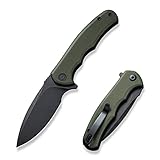
- CIVIVI MINI PRAXIS --- Constructed from black stonewashed D2 steel that perfectly blends edge retention, corrosion resistance, and...
- COMFORT GRIP --- We use G10 handle that is smooth to the touch, extremely durable and resistant to moisture and temperature...
- EXCELLENT DETENT --- In order to ensure smooth and fast operation, we've outfitted the mini praxis with a ceramic ball-bearing...
Best for: Ultra-compact legal carry.
A 2.98-inch D2 steel blade gives the CIVIVI Mini Praxis a compact edge that fits everyday carry without feeling oversized in the pocket. That shorter blade length pairs with a folding design and pocket clip, so the knife is easy to carry for camping or hiking while staying legal in all states.
Black stonewashed D2 steel is the core material here, bringing edge retention, corrosion resistance, and easier sharpening in one blade. The G10 handle adds moisture resistance and temperature stability, which matters when you are handling the knife outdoors or with wet hands. At a 2.98-inch blade length, it stays compact enough for pocket carry while still giving usable cutting reach for daily tasks. The folding format and included pocket clip make it practical for quick access, and the knife is listed for camping and hiking use, so it suits buyers who want a small carry knife that still feels purposeful in the field.
Pros
- 2.98-inch blade keeps pocket carry compact
- D2 steel improves edge retention and corrosion resistance
- G10 handle resists moisture and temperature changes
- Pocket clip makes carry and access easier
Cons
- The 2.98-inch blade gives up cutting reach compared with larger folding knives.
For buyers who want a small, legal everyday carry knife, this one keeps the footprint tight without feeling too minimal. It works best for people who value portability, easy maintenance, and outdoor-friendly materials.
| Specification | Details |
|---|---|
| Blade Material | D2 Steel |
| Blade Length | 2.98 inches |
| Handle Material | G10 |
| Recommended Uses For Product | Camping, Hiking |
| Included Components | Knife |
| Model Name | Mini Praxis |
| Model Number | C18026C-1 |
| Manufacturer | WeKnife |
| Number of Items | 1 |
| Unit Count | 1 Count |
I would pick this for someone who wants a compact pocket knife that is easy to live with every day. The D2 blade and G10 handle make sense together because they balance cutting performance with low-fuss carry. If you want a smaller folder for camping, hiking, or general pocket use, this one feels very practical.
7. NedFoss Pocket Folding Knife DA75, 3 in 1 Pocket Knife
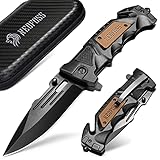
- HIGH QUALITY MATERIALS POCKET KNIFE: 8Cr14Mov with excellent cutting performance and corrosion resistance, very sharp and strong...
- ERGONOMIC HANDLE TACTICAL KNIFE:Well-designed-It has a really nice combination of G10 and aluminum handle with a great feel in...
- EASY TO CARRY POCKET FOLDING KNIFE: The aluminum handle features a seatbelt cutter and a glass breaker that can be used to punch...
Best for: Versatile utility carry.
An 8Cr14Mov blade gives the NedFoss DA75 a sharp, corrosion-resistant cutting edge that suits a wide range of outdoor and utility jobs. The folding format, belt clip, and included storage case make it a practical pocket knife for carrying on camping, fishing, hiking, hunting, or emergency outings.
The blade material is 8Cr14Mov, which is valued here for cutting performance and corrosion resistance, so it is better suited to general use than decorative carry. A drop point blade shape adds control for everyday slicing and more predictable tip handling. The handle combines G10 and aluminum, giving the knife a sturdy grip surface with a tougher frame feel in hand. Because it includes both a belt clip and storage case, it is easy to carry in the pocket or keep protected in a pack. The DA75 is also listed for bushcrafting, fishing, hunting, and utility use, so it fits buyers who want one folder that can cover multiple tasks without feeling specialized.
Pros
- 8Cr14Mov steel supports sharp, corrosion-resistant cutting
- Drop point blade shape adds control for utility work
- G10 and aluminum handle combine grip and rigidity
- Belt clip and storage case improve carry flexibility
Cons
- The product data does not list blade length, so sizing details are less clear before purchase.
This is a strong pick for someone who wants a do-everything pocket knife rather than a specialty blade. The included carry options and broad use list make it especially appealing for outdoor users who move between tasks.
| Specification | Details |
|---|---|
| Blade Material | 8Cr14Mov |
| Blade Design | Drop Point |
| Handle Material | G10 and Aluminum |
| Included Components | Belt Clip, Storage Case |
| Recommended Uses For Product | Bushcrafting, Camping, Emergency, Fishing, Hiking, Hunting, Utility |
| Model Name | DA75 |
| Model Number | DA75 |
| Manufacturer | NedFoss |
| Number of Items | 1 |
| Unit Count | 1 Count |
I think this is the one to look at if you want a pocket knife that can move from daily carry to outdoor use without much fuss. The material mix is sensible, and the included case is useful if you do not want the knife loose in a bag. It feels like a practical choice for someone who values versatility over minimalism.
8. Gerber Paraframe Mini EDC Folding Pocket Knife, Fine Edge, Stainless

- DURABLE EDC GEAR: The Gerber Paraframe Mini folding pocket knife features a 2.2" plain edge stainless steel clip point blade with...
- INNOVATIVE DESIGN: Lightweight handle and easy access pocket clip make the Paraframe Mini ideal for daily carry; durable stainless...
- OUTDOOR ESSENTIALS: This small pocket knife is perfect for tactical knife enthusiasts, hunters, tradesmen, and the everyday carry...
Best for: Lightweight daily carry.
A 2.2-inch plain edge stainless steel blade makes the Gerber Paraframe Mini a small, easy-to-pocket knife for routine carry and quick cutting tasks. The frame lock handle design and pocket clip add straightforward everyday usability, while the lightweight build keeps it simple to carry for hiking, fishing, or general EDC.
The 2.2-inch blade is the most compact in this group, which makes the Paraframe Mini especially easy to tuck into a pocket without bulk. It uses stainless steel for the blade, so the knife is aimed at durability in an everyday carry format. The plain edge and clip point shape work well for precise slicing and detail tasks, and the nail nick gives a simple opening method. A frame lock handle design adds secure blade control in use. Because Gerber includes a belt clip and lists the knife for camping, carving, fishing, hiking, and mincing, it suits buyers who want a small folder for light-duty work and easy carry rather than maximum blade length.
Pros
- 2.2-inch blade keeps the knife very compact
- Stainless steel blade supports durable daily use
- Frame lock design adds secure blade handling
- Pocket clip and nail nick improve carry and opening
Cons
- The short 2.2-inch blade limits reach for tasks that benefit from a larger cutting surface.
This is the best fit for buyers who want a tiny, unobtrusive pocket knife for light everyday tasks. It is especially appealing if pocket space matters more than blade size.
| Specification | Details |
|---|---|
| Blade Length | 2.2 inches |
| Blade Material | Stainless Steel |
| Blade Edge | Plain Edge |
| Blade Shape | Clip Point |
| Handle Design | Frame Lock |
| Included Components | Belt Clip |
| Model Name | PARAFRAME MINI |
| Model Number | 22-48485 |
| Manufacturer | Gerber |
| Number of Items | 1 |
I would recommend this to someone who wants the smallest practical knife in the group. It is not about big tasks; it is about carrying a dependable little cutter that disappears in the pocket. If that is your priority, the size and lock design make a lot of sense.
9. Kershaw Fringe Pocket Knife

- FRINGE POCKET KNIFE: Featuring an eye-catching patterned carbon-fiber handle insert and gray titanium carbo-nitride coating, the...
- DROP POINT PLAIN EDGE BLADE: The 3" blade is made from 8Cr13MoV stainless steel that offers improved edge retention, strength and...
- STAINLESS STEEL HANDLE: Made from stainless steel with an attention-grabbing carbon fiber insert. Carry options include lanyard...
Best for: Stylish workday folder.
A 3-inch 8Cr13MoV stainless steel blade gives the Kershaw Fringe a balance of cutting strength and everyday practicality in a pocket knife format. The gray titanium carbo-nitride coating and carbon-fiber handle insert add a more finished look while helping the knife stand up to regular carry and work use.
The 3-inch drop point blade is made from 8Cr13MoV stainless steel, which is described as offering improved edge retention, strength, and hardness. That makes the knife better suited to repeated everyday cutting than a very basic budget folder. Gray titanium carbo-nitride coating adds extra blade protection, while the patterned carbon-fiber handle insert gives the knife a more distinctive look in hand. The stainless steel handle keeps the build cohesive, and SpeedSafe assisted opening makes deployment faster and easier when one-handed access matters. Because the Fringe is recommended for everyday and work use, it fits buyers who want a pocket knife that looks sharper and performs like a serious carry tool.
Pros
- 3-inch blade gives usable cutting length for EDC
- 8Cr13MoV steel improves edge retention and hardness
- Titanium carbo-nitride coating adds blade protection
- SpeedSafe assisted opening speeds up deployment
Cons
- The stainless steel handle can add more carry weight than a lighter polymer or aluminum build.
This knife is a good match if you want something more polished than a plain utility folder. It suits everyday carry users who care about blade performance, fast opening, and a more refined look.
| Specification | Details |
|---|---|
| Blade Material | 8Cr13MoV Stainless Steel |
| Blade Length | 3 inches |
| Blade Shape | Drop Point |
| Blade Coating | Gray Titanium Carbo-Nitride Coating |
| Handle Material | Stainless Steel |
| Included Components | Knife |
| Model Name | Fringe |
| Model Number | 8310 |
| Manufacturer | Kershaw Sporting Goods |
| Recommended Uses For Product | Everyday, Work |
I like this for someone who wants a pocket knife that feels more finished than purely utilitarian. The coated blade and patterned insert give it personality, but the real value is still in the 3-inch blade and assisted opening. If you want an everyday folder that can also handle work tasks, it is a strong candidate.
10. Kershaw Iridium Reverse Tanto Folding Pocket Knife, Sleek 3.4 inch

- Stylish design with gray-anodized aluminum handle scale. Measures 7.9 inches opened, 4.5 inches closed. Weighs 3.3 ounces.
- DuraLock secures the blade open using a solid steel crossbar; pull the ambidextrous lock back to safely close the knife
- D2 high-carbon tool steel is highly wear resistant, tough, offers excellent edge retention; two-tone blade finish with stonewashed...
Best for: Compact premium carry.
A 3.4-inch D2 blade gives the Kershaw Iridium more reach than the smaller folders here while keeping the knife slim enough for everyday carry. The gray-anodized aluminum handle, deep-carry pocketclip, and DuraLock system make it a practical pocket knife for users who want a sleek carry with secure blade control.
The D2 high-carbon tool steel blade is the key spec here, offering strong edge retention, toughness, and wear resistance for routine cutting tasks. Its 3.4-inch length gives more working reach than the smaller EDC knives in this set, which helps with box opening, light utility use, and general carry chores. The knife measures 7.9 inches open and 4.5 inches closed, so it has enough size in hand without becoming bulky in pocket. Weighing 3.3 ounces, it stays manageable for daily carry. The DuraLock crossbar mechanism secures the blade open, and the KVT ball-bearing system with thumb studs helps the blade deploy smoothly. A deep-carry pocketclip rounds out the package for discreet pocket carry.
Pros
- 3.4-inch D2 blade offers strong edge retention and reach
- 3.3-ounce weight supports easy everyday carry
- DuraLock crossbar secures the blade open
- KVT ball-bearing system and thumb studs aid opening
Cons
- The 4.5-inch closed length makes it larger in pocket than the most compact mini folders.
This is the best fit for buyers who want a sleeker knife with more blade than a mini pocket folder. It balances size, locking strength, and carry comfort very well for everyday use.
| Specification | Details |
|---|---|
| Blade Material | D2 High-Carbon Tool Steel |
| Blade Length | 3.4 inches |
| Open Length | 7.9 inches |
| Closed Length | 4.5 inches |
| Weight | 3.3 ounces |
| Handle Material | Gray-Anodized Aluminum |
| Locking Mechanism | DuraLock |
| Opening System | KVT Ball-Bearing System and Thumb Studs |
| Included Components | Pocket Clip |
| Model Name | Iridium |
I would choose this for someone who wants a pocket knife with a bit more blade and a cleaner carry profile. The D2 steel and DuraLock system make it feel like a serious everyday tool, and the weight stays reasonable. If you want a premium-feeling folder without going oversized, this is the one that stands out to me.
Quick Comparison Table of Top Pocket Knives
| Product Name | Blade Length | Blade Steel | Weight | Best For | Check Price |
|---|---|---|---|---|---|
| Smith & Wesson Extreme Ops SWA24S | 3.1 in | 7Cr17Mov steel | 3.5 oz | Tactical carry | Check Price |
| Kershaw Appa Pocket Knife, All-Black, 2.75 | 2.75 in | Stainless steel | Lightweight | Everyday hiking | Check Price |
| Victorinox Classic SD Swiss Army Knife | Small blade | Swiss Army knife | Compact | Daily tasks | Check Price |
| Kershaw Bel Air Pocket Knife | 3.1 in | CPM MagnaCut | Lightweight | Camping carry | Check Price |
| GOOD WORKER Legal Pocket Knife with | 2.95 in | Serrated blade | Pocket clip | Legal utility use | Check Price |
| CIVIVI Mini Praxis Folding Pocket Knife | 2.98 in | D2 steel | Compact | All-state EDC | Check Price |
| NedFoss Pocket Folding Knife DA75, 3 | 3 in | 8Cr14Mov steel | Drop point | Outdoor utility | Check Price |
| Gerber Paraframe Mini EDC Folding Pocket | 2.2 in | Stainless steel | Lightweight | Mini EDC | Check Price |
| Kershaw Fringe Pocket Knife | 3 in | 8Cr13MoV steel | Slim | Work and everyday | Check Price |
| Kershaw Iridium Reverse Tanto Folding Pocket | 3.4 in | D2 steel | 3.3 oz | Everyday carry | Check Price |
How to Choose the Right best knife pocket
Blade access and opening speed
Choose the opening method that matches how you actually carry and deploy the knife. Thumb studs suit most users because they give fast, controlled one-hand opening without catching on fabric, while a flipper tab gives the quickest, most natural flick for people who like a smooth index-finger launch. Nail nicks fit traditional users who value simple carry and slower, deliberate opening.
Good action feels smooth from the first push and opens fully every time; poor action feels gritty, sticky, or inconsistent. Pick a thumb-stud or flipper knife with a clean detent and low-profile hardware for the fastest pocket draw, and choose a nail-nick folder only when you want a classic, low-profile opener.
| Opening type | Best for |
|---|---|
| Thumb stud | Fast one-hand use with controlled deployment |
| Flipper tab | Quickest opening and easy repeated access |
| Nail nick | Traditional carry and slower, deliberate opening |
Blade steel and edge retention
Pick steel by how often you sharpen and where you use the knife. For daily carry, a balanced stainless steel with medium-to-high hardness gives the best mix of edge life, corrosion resistance, and practical sharpening; it keeps working after repeated cuts without turning maintenance into a chore. High edge-retention steels suit heavy users who cut cardboard, rope, or packaging all day, while easier-sharpening steels suit people who touch up edges often.
In humid, sweaty, or wet conditions, corrosion resistance matters more than raw hardness. A good slicing knife has a thin to medium blade grind that glides through material instead of wedging.
Choose a stainless, mid-hardness blade with a clean slicing geometry for everyday carry, and reserve harder premium steels for users who value edge retention above all else.
| Steel profile | Best for |
|---|---|
| Balanced stainless, medium hardness | Most everyday users |
| High edge-retention steel | Frequent cutting and fewer touch-ups |
| Easy-sharpening steel | Simple maintenance and beginner sharpening |
Handle comfort and grip security
Focus on a handle that locks the knife into your hand without feeling bulky. A comfortable pocket knife handle fills the palm with rounded edges, a secure finger area, and enough length to avoid cramped grip positions during longer cuts. Textured G10, micarta, or checkered metal gives traction in wet or sweaty use; smooth polished handles slip and shift under pressure.
Weight balance matters too: a knife that feels centered and not blade-heavy stays controllable during repeated work. Liner locks and frame locks give a crisp, solid hand feel, while a lockback offers steady, old-school confidence.
Choose a grippy, medium-thickness handle with a secure lock feel for hard daily use, and choose a slimmer, smoother handle only when pocket comfort comes first.
| Handle type | Best for |
|---|---|
| Textured G10 or micarta | Maximum grip security |
| Metal with traction cutouts | Firm feel and durable carry |
| Smooth slim handle | Low-bulk pocket comfort |
Carry comfort and pocket clip design
Carry comfort starts with the clip, not the blade. A deep-carry clip keeps the knife low in the pocket for discreet carry and less snagging, while tip-up carry suits fast retrieval and one-handed opening on most folders. Tip-down only makes sense for users who prefer that older carry style and accept a slower draw.
The best clip holds the knife firmly without tearing fabric, and the best body shape slides in and out cleanly without collecting lint at the opening. Thin to medium-thickness knives ride better all day than wide, blocky ones.
Choose a slim knife with a deep-carry, tip-up clip for everyday pocket carry, and choose a fuller handle with a standard clip only when hand comfort matters more than concealment.
| Carry setup | Best for |
|---|---|
| Deep-carry, tip-up clip | Discreet everyday carry and fast access |
| Standard tip-up clip | Simple, dependable pocket carry |
| Tip-down carry | Users who prefer traditional clip placement |
Locking mechanism and safety
Choose a lock that stays solid under pressure and closes with control. A strong liner lock or frame lock should engage cleanly with no mushiness, while a lockback should seat firmly with a clear, positive click; weak engagement or side-to-side movement signals poor fit. For one-hand closing, look for a design that lets your thumb keep the blade controlled while your fingers stay clear of the edge.
Safety also means good detent strength, a reliable stop pin, and no easy accidental release in the pocket. Check for blade play, uneven centering, and rough lockup before buying.
Pick a knife with a tight, stable lock and smooth controlled closing for demanding daily use, and choose a lockback or well-tuned liner lock when safety and confidence matter most.
Which Should You Choose?
- If you want a tiny pocket knife for basic daily tasks and keychain carry, choose a compact multi-function model with about a 2.25 to 2.5 inch blade.
- If you want a lightweight tactical folder for tougher cutting and one-handed use, choose a 3 to 3.5 inch reverse tanto or drop point blade with a secure lock.
- If you need a legal everyday-carry knife that can handle package opening and general utility work, choose a sub-3-inch blade with plain or serrated edge options.
- If you want a slim, stylish EDC knife that feels premium in the pocket, choose an aluminum-handled folder with a pocket clip and strong edge-retaining steel.
Quick Best Knife Pocket Buying Checklist
- Check blade length. Make sure the knife pocket size fits your carry needs and local rules.
- Choose a secure lock. Look for a mechanism that keeps the blade stable during use.
- Test the grip. The handle should feel comfortable and stay secure in wet or dry hands.
- Inspect the steel. Pick a blade material that matches your priorities for toughness, sharpness, and maintenance.
- Review the clip. A strong pocket clip helps the knife ride securely and stay easy to reach.
- Consider everyday carry comfort. Thin, lightweight designs are usually better for regular pocket use.
Pocket Knife Materials and Edge Behavior
Pocket knives are built from a few common blade steels, each with different wear and corrosion characteristics. Stainless steels resist rust better in humid or sweaty conditions, while high-carbon steels often sharpen more easily and can take a very keen edge. The handle material also affects day-to-day use: aluminum and titanium keep weight low, G-10 offers strong grip, and wood can feel warmer in hand but may need more care.
Blade shape matters too, because a thinner edge slices efficiently while a thicker grind usually tolerates tougher work. Matching the material set to your environment helps the knife stay comfortable, reliable, and easy to maintain.
| Material | Typical benefit | Trade-off |
|---|---|---|
| Stainless steel blade | Better rust resistance | Can be harder to sharpen |
| High-carbon blade | Easy edge refinement | Needs more corrosion care |
| G-10 handle | Secure grip | Can feel less warm in hand |
| Titanium handle | Light and durable | Often more expensive to machine |
How Pocket Knife Locking Mechanisms Work
Locking systems are designed to keep the blade from closing during use, and the mechanism directly affects confidence, safety, and one-handed operation. Liner locks and frame locks use a spring bar that moves behind the blade tang. Back locks place the locking bar along the spine and typically require a deliberate press to release.
Axis-style locks use a bar that slides into place and can often be operated from either side of the handle. Slip joints do not truly lock, but use spring tension to resist closure.
Understanding how a lock disengages is important because it helps prevent accidental closure and makes the knife easier to operate cleanly.
| Lock type | Operation | Common strength |
|---|---|---|
| Liner lock | Side bar releases blade | Light to moderate work |
| Frame lock | Handle frame acts as bar | Secure and simple |
| Back lock | Spine release disengages lock | Stable for general use |
| Slip joint | Spring tension only | Everyday light tasks |
Pocket Clip Placement and Carry Style
The pocket clip changes how a knife rides in the pocket and how quickly it can be accessed. Tip-up carry places the blade near the opening for faster deployment, while tip-down carry positions the knife more securely for some users. Right- or left-side clip placement also matters because it affects draw angle, concealment, and whether the knife sits naturally beside other pocket items.
Deep-carry clips leave less of the handle exposed, which can improve comfort and reduce snagging, though they may be harder to grasp quickly. A well-designed clip should hold the knife firmly without tearing fabric or creating pressure points during everyday movement.
- Tip-up: faster access for most users
- Tip-down: can feel more secure in the pocket
- Deep carry: lower visibility and less snagging
- Ambidextrous clip: better for left- or right-handed use
Knife Maintenance for Smooth Everyday Use
Routine maintenance keeps a pocket knife opening smoothly and prevents small issues from becoming expensive repairs. Dust, lint, and pocket debris often collect around the pivot, lock, and blade tang, which can make deployment gritty over time. A soft brush, a cloth, and a small amount of suitable lubricant are usually enough to restore smooth motion.
Wiping the blade dry after exposure to moisture reduces spotting and corrosion risk. Sharpening should be done before the edge becomes overly dull, because maintaining a working edge takes less metal removal than restoring a damaged one.
Checking screw tension periodically also helps preserve blade centering and consistent lockup.
- Open and close the blade to feel for friction.
- Remove lint and residue from the pivot area.
- Wipe the blade clean and dry.
- Apply light lubrication sparingly.
- Inspect screws and lock engagement.
Common Pocket Knife Handling Mistakes to Avoid
Many knife problems come from handling habits rather than the knife itself. Twisting the blade during cutting can stress the lock and pivot, especially when the knife is used as a pry tool. Cutting on hard surfaces dulls the edge quickly and can chip thinner blades.
Leaving the knife wet or dirty inside a pocket encourages corrosion and grime buildup around moving parts. Another common mistake is closing the knife too fast without checking finger placement, which increases the chance of a pinch or cut.
It also helps to avoid over-tightening pocket clips or pivot screws, since excessive tension can make the knife hard to open and shorten component life.
- Do not pry with the blade
- Do not cut directly on stone, metal, or glass
- Do not store it wet after use
- Do not force the blade closed with fingers in the path
- Do not overtighten hardware
Frequently Asked Questions (FAQs)
What Makes The Best Knife Pocket Worth Buying?
The best knife pocket is worth buying because it combines fast access, secure carry, and reliable cutting performance in one compact tool. Look for a blade steel that holds an edge, a comfortable handle, and a pocket clip that keeps the knife stable during daily carry.
How Important Is Blade Steel In A Best Knife Pocket?
Blade steel is very important in a best knife pocket because it affects sharpness, toughness, and rust resistance. A good steel should stay sharp through repeated use and still be practical to sharpen when needed, especially for everyday tasks and outdoor carry.
What Handle Features Matter Most In A Best Knife Pocket?
Handle features matter most in a best knife pocket because grip security directly affects control and safety. Textured scales, a balanced shape, and a size that fits your hand help prevent slipping, especially when the knife is used for quick cutting jobs.
Why Does Pocket Clip Design Matter For A Best Knife Pocket?
Pocket clip design matters for a best knife pocket because it determines how securely and discreetly the knife rides in your pocket. A strong clip with deep carry keeps the knife accessible, reduces shifting, and helps prevent accidental loss during movement.
How Do I Judge The Lock On A Best Knife Pocket?
You judge the lock on a best knife pocket by checking how firmly it holds the blade open and how safely it closes. A dependable lock should resist blade play, release cleanly, and allow controlled closing without forcing your fingers near the edge.
Is A Lightweight Best Knife Pocket Always Better?
A lightweight best knife pocket is often easier to carry, but it is not always better if it sacrifices comfort or strength. The best balance is a knife that feels light in the pocket while still offering solid handle support and dependable durability.
What Should I Look For In Everyday Use From A Best Knife Pocket?
For everyday use, a best knife pocket should open smoothly, cut cleanly, and ride comfortably all day. Prioritize simple deployment, easy maintenance, and a compact profile so the knife stays practical for routine tasks without feeling bulky or awkward.
Final Suggestions
In summary, the best knife pocket combines secure carry, reliable blade performance, and comfortable handling for everyday convenience. It offers the versatility to handle routine cutting tasks while staying easy to carry and quick to access. Choose a model that matches your grip, clip preference, and maintenance habits, and you’ll have a tool that serves you well whenever you need it.