Top 1 Best Large Chef Knife: Ultimate Pick
The best large chef knife can change how a kitchen feels in motion. Built for power, balance, and precision, a full-size blade handles dense vegetables, proteins, and long prep sessions with less strain and more control. The best large chef knife often reflects advances in steel hardness, edge retention, and ergonomic handle design, making it more than just a bigger blade.
In a category where knife weight, blade geometry, and bolster design all affect performance, even small differences can matter. Large chef knives, oversized chef knives, and broad-blade kitchen knives each promise efficiency, but their real value depends on how they manage slicing feel, stability, and fatigue.
The details behind those choices tell a much deeper story, and that’s where this guide gets interesting.
Detailed Overview of the Best Large Chef Knife
1. Mercer Culinary Ultimate White Chef’s Knife, 10 Inch
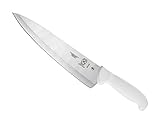
- QUALITY CONSTRUCTION: Knives are crafted with high-carbon Japanese steel for easy edge maintenance and a razor sharp blade that...
- SUPERIOR DESIGN: Built to last ergonomic handles with textured finger points offer a non-slip grip with added comfort, durability...
- BEST USE: The perfect knife for chopping, mincing, and cutting. Ideal for dicing onions, mincing shallots, chopping herbs...

Best for: Home cooks who prep often.
A 10-inch blade gives the Mercer Culinary Ultimate White Chef’s Knife more reach for broad cuts, long strokes, and faster prep on dense produce. High-carbon Japanese steel keeps the edge easy to maintain while still giving you the sharpness needed for clean chopping, mincing, and slicing across everyday kitchen tasks.
The 10-inch blade length matters when you want one knife to handle onions, herbs, cabbage, and garlic without feeling cramped on the board. Its high-carbon steel construction helps the edge stay serviceable with regular sharpening, so the knife can keep up with frequent meal prep instead of dulling quickly. The hollow edge reduces drag as you cut, which helps slices release more cleanly from the blade. A polypropylene handle with textured finger points gives you a steadier hold during fast chopping, and the white finish makes it easy to spot in a busy knife block or drawer.
Pros
- 10-inch blade covers larger ingredients and longer cuts
- High-carbon steel supports easy edge maintenance
- Hollow edge helps reduce sticking during slicing
- Polypropylene handle with textured finger points improves grip control
Cons
- Hollow-edge blades can leave more room for sharpening wear over time than a plain edge
For cooks who want a single large chef knife for chopping, mincing, and slicing, this one hits the practical marks that matter. It fits best in kitchens where prep happens often and control matters as much as reach.
| Specification | Details |
|---|---|
| Brand | Mercer Culinary |
| Product Name | Ultimate White Chef’s Knife |
| Blade Length | 10 Inch |
| Blade Material | High Carbon Steel |
| Handle Material | Polypropylene |
| Blade Edge | Hollow |
| Color | White |
I’d point this knife toward home cooks who want a large chef knife that feels efficient on a cutting board and low-fuss in daily use. The 10-inch length gives real working room, and the hollow edge plus high-carbon steel make it a sensible pick for frequent prep of onions, herbs, and larger vegetables. If you want straightforward performance without extra complications, it makes a strong case.
Quick Comparison Table of Top Large Chef Knives
| Product Name | Blade Material | Length | Handle Material | Best For | Check Price |
|---|---|---|---|---|---|
| Mercer Culinary Ultimate White Chef’s Knife | High-carbon steel | 10 inch | Polypropylene | Chopping and mincing | Check Price |
How to Choose the Best Large Chef Knife
Blade length and cutting control
Choose an 8-inch chef knife when you want faster hand control, easier turning on a crowded board, and less fatigue during everyday prep. Choose a 10-inch blade when you break down large produce, portion roasts, or want longer strokes that reduce sawing. Good large chef knives keep the heel wide enough for knuckle clearance and feel balanced just ahead of the pinch grip; poor ones feel nose-heavy or awkward at the tip.
Pick 8 inches for compact kitchens and smaller hands; pick 10 inches for high-volume slicing and bigger cutting boards.
Steel quality and edge retention
Highcarbon stainless steel gives the best mix of sharpness, edge retention, and rust resistance for a large chef knife. Look for a hardened blade that takes a thin edge cleanly and stays sharp through repeated chopping; very soft steel loses bite quickly, while overly brittle steel chips under hard use. A good blade resists staining after acidic foods and wipes clean without spotting.
Choose a highcarbon stainless blade in the mid-to-upper hardness range for low-maintenance daily use; choose a softer stainless option only when easy upkeep matters more than long edge life.
| Steel type | Best for | What to expect |
|---|---|---|
| Highcarbon stainless | Most home cooks | Strong sharpness, good stain resistance, moderate sharpening |
| Harder stainless alloy | Frequent prep | Longer edge life, less frequent honing, needs careful sharpening |
| Softer stainless | Low-maintenance use | Easy care, faster dulling, less crisp slicing |
Handle comfort and balance
For long prep sessions, choose a handle that fills the hand without forcing a tight grip. A good large chef knife has a smooth, rounded pinch point, enough length for all three fingers on the handle, and a handle material that stays secure when wet. Balance matters just as much: the knife should feel steady at the pinch, not blade-heavy or handle-heavy.
A slippery glossy handle, sharp edges at the bolster, or a narrow grip that pinches the palm all signal poor comfort. Pick a contoured, full-size handle with secure texture for frequent chopping and wet-handed use.
| Handle style | Best for | Feel |
|---|---|---|
| Contoured synthetic | Wet or fast prep | Secure, easy to clean, steady grip |
| Full tang wood | Comfort-focused use | Warm feel, solid balance, needs more care |
| Slim minimalist handle | Small hands | Light, precise, less padding for long sessions |
Cutting versatility and blade shape
Blade shape decides how well a large chef knife handles different cuts, so match the profile to your main tasks. A gentle belly supports a smooth rocking motion for herbs, onions, and vegetables; a straighter edge gives cleaner push cuts for meat, squash, and long slices. The tip should come to a fine point without feeling fragile, because that controls trimming, scoring, and small detail work.
Avoid a blade with too much curve if you want straight slicing, and avoid a flat profile if you chop herbs often. Pick a moderately curved 8-inch or 10-inch chef knife for all-purpose kitchen work.
| Blade shape | Best for | Primary strength |
|---|---|---|
| More curved belly | Herbs and vegetables | Rocking chop speed |
| Straighter edge | Meat and large produce | Clean push cuts |
| Fine pointed tip | Detail prep | Control for trimming and scoring |
Care, maintenance, and longterm value
For long-term value, choose a large chef knife that cleans easily, dries fast, and keeps its performance with routine sharpening. A full-tang construction, tight handle fit, and seamless junctions around the bolster all point to better durability and less grime buildup. The blade should tolerate hand washing without spotting, and the steel should respond well to a standard whetstone or honing rod.
Avoid loose handles, rough seams, and thin, flexy blades that wear out quickly. Pick a solid full-tang highcarbon stainless knife with simple maintenance requirements for daily kitchen use and lasting reliability.
Which Should You Choose?
- If you want a dependable all-purpose knife for everyday prep, choose a 10-inch chef knife with high-carbon steel for easy sharpening and strong edge retention.
- If your hands get tired during long chopping sessions, choose a knife with an ergonomic handle and textured grip for better control and comfort.
- If you often slice, dice, and mince larger ingredients, choose a long blade with enough length to rock smoothly through big piles of food.
- If you want a knife that stays sharp with routine maintenance, choose a razor-sharp blade made from Japanese-style steel for easy edge upkeep.
Quick Best Large Chef Knife Buying Checklist
- Pick the right blade length. Choose a size that feels controllable on your cutting board while still giving you the reach needed for large ingredients.
- Check the steel type. Look for durable steel that holds an edge well and resists rust, staining, and chipping.
- Test the balance. A well-balanced large chef knife should feel steady in the hand without tipping too far toward the blade or handle.
- Evaluate the handle grip. Make sure the handle feels secure, comfortable, and easy to control during fast chopping or long prep sessions.
- Look for versatile blade geometry. A blade that supports rocking, slicing, and precision work will handle more kitchen tasks efficiently.
- Consider maintenance needs. Choose a knife you can clean, dry, and sharpen without hassle so it stays dependable over time.
How a Large Chef Knife Slices Through Food
A large chef knife works by combining blade length, weight, and a gentle curve that supports a rocking motion on the cutting board. The extra length helps keep the tip in contact with the board while the heel does most of the cutting, which makes it efficient for chopping herbs, slicing onions, and breaking down larger vegetables. Because the blade is broader than many utility knives, it can also guide food from the board into a pan or bowl with less mess.
The key is to let the sharp edge do the work rather than forcing it downward, which preserves control and reduces fatigue during longer prep sessions.
Steel and Edge Styles Common in Large Chef Knives
Large chef knives are often made from either high-carbon stainless steel, stainless steel, or softer German-style steel blends. Each material affects how the knife sharpens, resists corrosion, and holds an edge. Edge geometry matters too: a thinner grind glides through produce more easily, while a thicker edge can feel sturdier for tougher ingredients.
Some blades also have a straight edge near the heel and a curved belly for rocking cuts. The differences are not just technical; they change how the knife feels in the hand and what kind of prep it handles best.
| Blade style | Best for |
|---|---|
| Thin, fine-grind edge | Precise slicing and smooth vegetable cuts |
| Thicker, sturdier edge | Heavier kitchen tasks and more forgiving use |
| Curved belly | Rocking chops and herb mincing |
| Flatter profile | Push cuts and straight-down chopping |
Safe Cutting Habits With Oversized Blades
A larger blade can improve efficiency, but it also rewards careful technique. Always keep the board stable with a damp towel or non-slip mat underneath, and use a claw grip to protect your fingertips. A common mistake is trying to cut too much at once, which can make the blade wander.
Instead, work in even batches and keep the food flat-side down when possible for better control. The broad blade should be guided, not forced, and the off-hand should never drift ahead of the cutting edge.
Good posture also helps: stand square to the board so your shoulders, wrist, and elbow can move naturally without strain.
Cleaning and Sharpening a Big Chef Knife Properly
Proper maintenance keeps a large chef knife performing smoothly and extends its usable life. Hand-washing is preferable because dishwashers can dull the edge, loosen handles, and expose the blade to impact. Dry the knife immediately to prevent spotting or corrosion, especially if the blade is high-carbon steel.
For edge care, regular honing realigns the blade between sharpenings, while actual sharpening removes metal to restore the edge. A whetstone usually offers the most control, especially for longer blades that need even pressure from heel to tip.
Store the knife in a sheath, on a magnetic strip, or in a block so the edge does not knock against other tools.
When a Large Chef Knife Is Not the Best Option
Although a large chef knife is versatile, there are times when a smaller or more specialized blade is easier to manage. Paring knives are better for peeling and trimming, serrated knives handle crusty bread without crushing it, and boning knives are more practical for working around joints and connective tissue. If the task involves very delicate garnish work, a smaller blade gives more fingertip control.
Likewise, cooks with limited counter space or smaller hands may find that an oversized knife feels cumbersome for repetitive prep. The right tool depends on the ingredient, the cutting motion, and how much control the task requires.
| Knife type | Best for |
|---|---|
| Large chef knife | General prep, slicing, chopping, and mincing |
| Paring knife | Peeling, trimming, and detail work |
| Serrated knife | Bread, tomatoes, and crusty foods |
| Boning knife | Separating meat from bone |
Frequently Asked Questions (FAQs)
What Size Is Best For A Large Chef Knife?
The best large chef knife usually has an 8- to 10-inch blade because that range offers a strong mix of reach and control. An 8-inch model is easier for most home cooks, while a 10-inch blade gives more coverage for big vegetables, herbs, and proteins.
What Steel Is Best For A Large Chef Knife?
The best large chef knife often uses high-carbon stainless steel because it balances sharpness, toughness, and corrosion resistance. This type of steel holds a clean edge well and is easier to maintain than softer blades, especially with frequent slicing and chopping.
How Important Is Balance In A Large Chef Knife?
Balance is crucial in the best large chef knife because it affects comfort, accuracy, and fatigue during long prep sessions. A knife with even weight distribution feels steadier in the hand, making it easier to rock, slice, and steer through dense ingredients.
Should A Large Chef Knife Have A Curved Or Straight Edge?
A slight curve is ideal in the best large chef knife because it supports a smooth rocking motion for chopping herbs, onions, and vegetables. A straighter edge can still work well for push-cutting and long slicing, but it is less natural for fast, rhythmic prep.
How Do I Choose A Comfortable Handle On A Large Chef Knife?
A comfortable handle on the best large chef knife should fit your grip securely and reduce strain during repeated cuts. Look for a shape that stays stable when wet and feels natural in a pinch grip, since that improves control and safety.
How Do You Maintain A Large Chef Knife?
The best large chef knife stays sharp longer with regular hand washing, immediate drying, and routine honing or sharpening. Avoid soaking it or using harsh abrasives, and store it safely so the edge does not dull from contact with other utensils.
What Tasks Is A Large Chef Knife Best For?
The best large chef knife is ideal for chopping vegetables, slicing meats, mincing herbs, and handling bigger prep jobs with fewer strokes. Its long blade improves efficiency on a full cutting board, making it a versatile tool for everyday cooking.
Final Suggestions
Choosing the best large chef knife can make everyday prep faster, smoother, and more precise. With the right blade length, steel quality, balance, and handle comfort, you get a tool that handles everything from fine slicing to heavy chopping with confidence. Invest in one that fits your style, and you will enjoy better results every time you cook.
