Top 2 Best Single Serve Coffee Grinder Deals
The best single serve coffee grinder can change how each cup starts, because grind consistency shapes extraction, aroma, and overall flavor. In compact kitchens and busy routines, single cup coffee grinders and one cup coffee grinder designs have become more precise, blending sharp burr geometry, durable materials, and easy-clean features into small machines that work fast. The appeal goes beyond convenience: quieter operation, reduced waste, and better control over grind size can all improve daily brewing.
Understanding how motor power, hopper design, and grinding technology affect performance makes the category far more interesting than it first appears. With only a few standout options in this guide, the differences between grinder types may surprise you the moment the comparisons begin.
In-depth Reviews of the Best Single Serve Coffee Grinder
1. SOLOGRIND 2-in-1 Automatic Single Serve Coffee Burr Grinder for Coffee
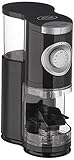
- 2-in-1 Grinder With Interchangeable Single Serve Coffee Adapter & Ground Coffee Container
- Automatically Grind & Drop A Precise Dose Of Ground Coffee Into The Single Serve Coffee Filter Cup
- Low Rpm Grinder Reduces Heat Build Up
Best for: Drip-coffee users wanting automatic dosing.
An integrated coffee grinder and single-serve adapter make the SOLOGRIND useful for drip-machine owners who want one step from beans to grounds. The 2-in-1 setup drops a precise dose into the single-serve filter cup, so you can grind only what you need without measuring separately.
The low-RPM grinding system is the key differentiator here, because slower burr action helps limit heat buildup while beans are being processed. Electronic timing automatically stops the cycle when grinding is complete, which makes repeat doses easier for weekday brewing. The 4.8-pound capacity gives the unit enough heft for a countertop setup, and the black finish keeps the look simple beside a coffee maker. As a coffee maker type, it pairs with drip coffee machines, so it fits buyers who want a direct path from grinder to basket. The grind-size selection also matters for matching coarser or finer grounds to the brew method you use most.
Pros
- Integrated coffee grinder streamlines bean-to-brew prep
- Single-serve adapter doses grounds directly into the filter cup
- Low-RPM grinding helps reduce heat buildup
- Electronic timing stops the grind cycle automatically
Cons
- Specific grind-size options are listed, but exact settings are not provided
For a drip-coffee setup, this model is about convenience and consistency in a compact routine. It suits buyers who want the grinder to handle dosing and shutoff with less hands-on work.
| Specification | Details |
|---|---|
| Brand | Solofill |
| Capacity | 4.8 pounds |
| Color | Black |
| Coffee Maker Type | Drip Coffee Machine |
I’d point this toward anyone who drinks drip coffee daily and wants a simpler morning routine. The automatic shutoff, single-serve adapter, and low-RPM grinding all support cleaner, more repeatable use without extra measuring steps. If you mainly brew one cup at a time and want less fuss at the counter, it makes practical sense.
2. Gen 4 Electric Burr Coffee Grinder, Single Dose, Espresso, Black

- THE DO-IT-ALL GRINDER:The electric coffee grinder is a powerful all-purpose coffee grinder featuring 5-blade of 48 mm conical...
- ANTI-FLYING DESIGN: The powder catching cup of this espresso grinder is designed with a sealed lid, which is able to be...
- PREMIUN PERFORMANCE MOTOR: The Gen4 electric coffee grinder's motor has advanced stability, is 99% trouble-free, and has a...
Best for: Single-dose espresso and brew fans.
A 48 mm conical burr set gives the Viesimple grinder the kind of particle control single-dose buyers usually want for espresso and drip brewing. The aluminum body adds a more substantial countertop presence, and the black finish keeps the machine visually neutral beside other gear.
Five-blade burr geometry is the headline feature here, because it is meant to handle different coffee flavors while keeping output consistent across espresso, pour-over, French press, and more. At 3.4 pounds, the grinder is easy to move for cleaning or storage without feeling flimsy on the counter. The single-dose format suits people who prefer grinding only what they need for one session, which helps keep beans fresher between uses. Its modern style also makes it easy to place in a small espresso station where function matters more than bulk. The powder-catching cup adds another useful layer by helping keep grounds contained during transfer.
Pros
- 48 mm conical burrs support consistent grounds across brew styles
- Single-dose use fits one-session grinding with less leftover coffee
- Aluminum body gives the grinder a more durable-feeling construction
- Powder-catching cup helps keep grounds contained during use
Cons
- The product details do not list grind settings, so dialing in exact textures is less transparent
For buyers who switch between espresso and other brew methods, this grinder focuses on consistency and containment. It makes the most sense for someone who wants a single-dose workflow with a more substantial burr setup.
| Specification | Details |
|---|---|
| Brand | Viesimple |
| Material | Aluminum |
| Style | Modern |
| Color | Black |
| Item Weight | 3.4 pounds |
I’d choose this if you want one grinder that can handle single-dose espresso work and still cover other brewing styles without feeling specialized in the wrong way. The aluminum body and conical burr setup suggest a more controlled grind path, while the powder-catching cup is a real convenience for cleaner transfers. It feels like the better fit for users who value versatility and tidy workflow over a purely compact footprint.
Quick Comparison Table of Best Single Serve Coffee Grinders
| Product Name | Grind Type | Capacity | Weight | Best For | Check Price |
|---|---|---|---|---|---|
| SOLOGRIND 2-in-1 Automatic Single Serve Coffee | Burr grinder | 4.8 pounds | Not listed | Single-serve drip cups | Check Price |
| Gen 4 Electric Burr Coffee Grinder | Conical burr | Single dose | 3.4 pounds | Versatile espresso | Check Price |
How to Choose the Right best single serve coffee grinder
Grind size and consistency
Uniform grind control is one of the clearest predictors of brewing quality, because particle size directly shapes extraction, aroma, and body.
A burr grinder typically produces far more repeatable results than a blade model, which chops beans unevenly and creates a mix of fines and large fragments. That consistency matters for anyone who wants dependable flavor from a single-serve setup: fine grinds support espresso-style shots, medium grinds suit drip brewing, and coarse settings are essential for French press and other immersion methods. A grinder with a wide adjustment range gives you more flexibility, especially if you switch between brewing styles during the week.
Look for strong particle uniformity and easy grind adjustment, since even small inconsistencies can cause over-extraction, bitterness, sourness, or a thin cup. Burr mechanisms help deliver balanced extraction by keeping grounds closer in size, which improves clarity and sweetness in the final brew. For buyers who value precision, a compact coffee grinder with clearly marked settings and stable grind performance is worth prioritizing over speed alone.
Capacity and portion control
Precise dose control is what turns a grinder from convenient to truly efficient. A unit designed for single-cup use should grind only the amount needed for one brew, helping you avoid stale leftovers and inconsistent flavor from excess beans sitting in the hopper.
That matters because small-batch grinding keeps each extraction fresh and repeatable. A compact bean hopper is often preferable for daily use, especially if the grinder has low bean retention and a clean chute design that does not trap grounds between sessions. Less retention means fewer wasted beans and less purging before each grind, which is especially useful for someone making one pour-over, one drip mug, or one espresso shot at a time.
The grounds output should also match the brew basket or filter size, since an oversized dose can overload the basket, slow water flow, and create uneven extraction.
For most solo brewers, the goal is accuracy, not maximum storage. Look for a grinder that can consistently deliver the right dose by weight or timed portions, with minimal static cling and easy cleanup. Over time, that efficiency saves coffee, reduces mess on the counter, and makes daily brewing simpler, smoother, and more economical.
Motor power and grinding speed
Grinding power directly shapes how consistent, flavorful, and convenient your coffee routine feels. A stronger motor can spin burrs or blades with enough torque to break down beans quickly and evenly, which helps produce a more uniform grind size for single-serve brewing. That matters because uneven particles can lead to weak, bitter, or overly extracted coffee, especially in compact brewers that rely on precise dosing.
Motor strength also affects heat buildup and operating comfort. A weak unit may strain during longer grinding sessions, warming the beans and dulling aroma, while a well-designed grinder completes the job faster and reduces the chance of flavor loss. Noise level is another practical factor: high-speed motors can be loud, so buyers often prefer models that balance speed with stable, quieter operation for early mornings or shared kitchens.
Performance should stay reliable across different roasts too. Light roasts are denser and usually need more grinding force, while dark roasts tend to be more brittle and can turn oily or clump if the grinder runs too aggressively. A capable coffee grinder should handle both with control, delivering even results for espresso-style cups, pour-over, or single-serve drip brewing without overheating or producing excess static.
Ease of cleaning and maintenance
A grinder that is easy to clean keeps daily coffee prep fast, hygienic, and consistent. Removable hoppers, removable burrs or blades, and tool-free access to the grinding chamber make it much simpler to clear out old grounds, oils, and buildup that can affect taste. If a machine traps residue in hard-to-reach corners, stale particles can mix with fresh beans and dull the flavor of every cup.
Low-static designs are especially valuable because they reduce cling and mess around the dosing area and countertop. Features such as anti-static materials, tighter fit tolerances, and smooth internal surfaces help coffee grounds drop cleanly into the cup or portafilter instead of scattering everywhere. That matters for small kitchens, office setups, and quick morning routines where cleanup needs to be minimal.
Brush-friendly construction and straightforward reassembly also make maintenance far less frustrating. Wide openings, accessible burr chambers, and parts that snap back into place without guesswork allow for regular brushing, wiping, and deep cleaning in seconds. Routine care, including removing coffee oils and checking for fine sediment, helps preserve grind consistency, protect motor performance, and keep flavor bright over time.
A well-maintained grinder simply delivers fresher, cleaner results with less effort.
Build quality and countertop fit
Sturdy construction is essential for a grinder that gets used every day and lives on the counter. A unit made with durable plastics, stainless steel accents, and solid internal components can better handle repeated grinding cycles without loosening, vibrating excessively, or wearing out too quickly.
That durability matters because a compact coffee grinder should do more than save space—it should feel dependable in a busy kitchen. A small footprint helps it fit beside a drip machine, espresso setup, or toaster without crowding the worktop, which is especially valuable in apartments, dorm rooms, or galley kitchens. A stable base with anti-slip feet and a spill-resistant hopper or grounds chamber also keeps cleanup easy by reducing mess from stray grounds and tipping during operation.
These details become important during rushed mornings, guest service, or back-to-back servings.
Usability is just as important as durability. Clear controls, easy-to-read markings, and an ergonomic grip make the grinder simpler to operate, especially in low light or early in the day. Transparent or well-placed viewing windows help users monitor grind consistency, while a comfortable lid or container design improves handling during filling and emptying. Together, these build-quality and countertop-fit features create a coffee grinder that feels stable, efficient, and practical for everyday use.
Quick Best Single Serve Coffee Grinder Buying Checklist
- Check grind consistency to make sure the grinder produces even particles for better extraction and flavor.
- Choose the right capacity so it can handle one serving without leaving too many beans or grounds behind.
- Look for easy cleaning with removable parts or accessible burrs to reduce buildup and stale coffee residue.
- Review motor performance for speed, noise, and heat control during regular single-cup grinding.
- Confirm compact sizing if your counter space is limited and you want a grinder that stores easily.
- Prioritize durable construction with sturdy materials and stable operation for long-term everyday use.
How Single Serve Coffee Grinders Create a Consistent Cup
A single serve coffee grinder is designed to process just enough beans for one mug, which helps preserve freshness and reduce waste. Instead of grinding a large batch that sits exposed to air, you measure a small dose, grind it immediately before brewing, and capture more aroma in the cup. Most models use either burrs or blades, but the best results usually come from even particle size rather than sheer speed.
A uniform grind allows water to extract flavor at a steady rate, which can make coffee taste smoother and less bitter. For drip machines, pour-over cones, and many pod-free brewers, that consistency is especially valuable.
Burr and Blade Models Compared for Single Cup Brewing
Single serve grinders typically fall into two main groups: burr and blade. Burr grinders crush beans between two surfaces, producing more even grounds and better repeatability. Blade grinders chop beans with a spinning blade, which can be compact and simple but usually creates a wider spread of particle sizes.
That matters because uneven grounds can lead to under-extraction and over-extraction in the same cup. Burr designs are often preferred for brewing methods that need accuracy, while blade models can work for casual use or when simplicity matters most.
Some single serve units also offer stepped settings, making it easier to match the grind to your brewer.
| Type | Best for | Main trade-off |
|---|---|---|
| Burr grinder | Most brewing methods | More consistent grounds, usually larger size |
| Blade grinder | Quick, basic grinding | Less even particle distribution |
| Manual grinder | Travel or quiet use | More effort required |
| Electric compact grinder | Daily home use | Needs counter space and power |
Cleaning and Maintenance to Keep Flavor Fresh
Regular cleaning matters because coffee oils and fine particles can build up inside the grind chamber and affect taste. Over time, residue can turn rancid, especially in a grinder used for small daily doses. Many compact grinders should be unplugged before cleaning, then brushed out after each use and wiped down periodically.
Removable burrs, hoppers, and catch cups make the process easier. A deeper cleaning schedule can also help maintain grind consistency by preventing old grounds from packing around the burrs.
Avoid soaking electrical parts, and always check the manufacturer’s instructions before using water on any component. Consistent care extends the life of the grinder and keeps the flavor cleaner from cup to cup.
Common Grinding Mistakes That Affect Small Batches
With single serve coffee grinding, small errors are easier to notice because one cup depends on a precise dose and grind. Using too much coffee can overwhelm a brewer, while too little can produce a weak cup. Another common mistake is selecting the wrong grind size for the brew method, such as using a fine espresso-style grind in a drip cone.
Grinding far ahead of brewing is also a problem because aromas fade quickly once the beans are exposed to air. Some users forget to distribute the grounds evenly, which can cause channeling in pour-over or espresso-style brewing.
Measuring beans accurately and grinding immediately before brewing usually improves results more than any other habit.
Noise, Size, and Placement in the Kitchen
Compact grinders are often chosen because they fit easily into small kitchens, apartments, or office setups. Even so, size is only part of the equation. A grinder with a small footprint may still need space for ventilation, bean loading, and cup removal.
Noise can matter just as much, especially early in the morning or in shared living spaces. Burr grinders generally produce a lower-pitched sound than blade models, but motor strength, housing materials, and build quality also affect how loud the unit feels.
Placement on a stable counter can reduce vibration and movement. If your kitchen setup is tight, consider whether the grinder stores cord neatly and whether parts are easy to access without rearranging other appliances.
Frequently Asked Questions (FAQs)
What Makes A Single Serve Coffee Grinder Worth Buying?
A single serve coffee grinder is worth buying because it grinds just enough coffee for one cup, keeping grounds fresher and reducing waste. The best models offer consistent particle size, simple controls, and a compact footprint that fits easily on a busy countertop.
Is A Burr Grinder Better Than A Blade Grinder For One Cup?
Yes, a burr grinder is usually better than a blade grinder for one cup because it creates more uniform grounds and improves flavor extraction. Burrs let you dial in a finer or coarser setting, which matters whether you brew espresso, drip coffee, or French press.
How Important Is Grind Consistency In A Single Serve Grinder?
Grind consistency is crucial in a single serve coffee grinder because uneven particles brew unevenly and can make coffee taste bitter or weak. A uniform grind helps water flow correctly through the coffee bed, especially when making a precise single cup.
What Size Should A Single Serve Coffee Grinder Be?
A single serve coffee grinder should be compact enough for daily convenience while still holding enough beans for one serving. Look for a small footprint, a modest hopper, and a design that stores easily without crowding your coffee setup.
How Easy Should A Single Serve Coffee Grinder Be To Clean?
A single serve coffee grinder should be easy to clean because leftover grounds can stale quickly and affect flavor. Removable parts, accessible burrs or blades, and a brush-friendly design make daily maintenance faster and help keep each cup tasting fresh.
Does Motor Power Matter In A Single Serve Coffee Grinder?
Yes, motor power matters in a single serve coffee grinder because stronger motors grind faster and handle beans more evenly. Good performance also helps limit heat buildup and excessive noise, both of which can affect convenience and coffee quality.
What Features Improve Daily Use Of A Single Serve Coffee Grinder?
Daily use improves when a single serve coffee grinder has intuitive controls, stable operation, and easy cleanup. Helpful details like a clear lid, non-slip base, and consistent dosing make the grinder more practical for quick morning brewing.
Final Suggestions
Choosing the best single serve coffee grinder can make daily brewing faster, fresher, and more precise. With the right grind consistency, capacity, and easy-clean design, you get better flavor without extra hassle. A well-chosen grinder turns a simple routine into a more satisfying coffee experience, and that upgrade pays off cup after cup.

