Top 10 Best Solution For Hard Water: Must-See Picks
The best solution for hard water depends on how minerals, plumbing, and daily water use interact in your home. Hard water can leave scale on fixtures, shorten appliance life, and affect soaps, detergents, and water flow, making the right system more important than it first appears. From advanced filtration to ion exchange technology and conditioning methods, today’s options are designed to tackle calcium and magnesium in different ways.
Understanding the best hard water solution means comparing performance, maintenance, capacity, and materials, not just price. This guide breaks down the features that matter most, so you can evaluate each option with confidence and see which system delivers the most practical long-term value.
Detailed Overview of the Best Solution for Hard Water
1. Bioclean Hard Water Stain Remover, 20.3oz

- PROFESSIONAL HARD WATER STAIN REMOVER: Get the powerful industrial and commercial strength that takes stains, spots, and rust out...
- Form: Aerosol
- For: Windows, Tile/Grout, Glass
Best for: For glass and tile stain removal.
A 20.3 oz aerosol format gives Bioclean a targeted spray application for hard-water stains on windows, tile grout, and glass. That lets you cover mineral spots and rust without soaking the whole surface, which matters when the job is concentrated on shower doors, mirrors, or tile edges.
The 8.7 x 2.9 x 7.2-inch bottle packs a professional-strength formula that is meant to remove years of hard-mineral buildup, not just fresh spotting. Its biodegradable-warning material feature makes it a practical pick for buyers who want a hard-water cleaner with an eco-minded profile. At 1.25 pounds, it is light enough to move around a bathroom or laundry area without feeling cumbersome. Because it is an aerosol, the spray action helps reach vertical glass and tight grout lines more evenly than a pour bottle. That makes it especially useful when the problem is stained surfaces rather than loose residue.
Pros
- 20.3 oz aerosol format targets stained areas directly
- Works on windows, tile/grout, and glass
- Professional-strength formula handles years of mineral buildup
- 1.25-pound weight is easy to carry room to room
Cons
- Aerosol delivery is less suited to broad floor coverage than a liquid pour cleaner.
Bioclean fits buyers who need a focused remover for stubborn hard-water spotting on visible surfaces. It is a strong choice when the goal is restoring glass and tile rather than general bathroom cleaning.
| Specification | Details |
|---|---|
| Title | Bioclean Hard Water Stain Remover, 20.3oz |
| Form | Aerosol |
| For | Windows, Tile/Grout, Glass |
| Product Dimensions | 8.7 x 2.9 x 7.2 inches |
| Weight | 1.25 pounds |
| Material Feature | Biodegradable Warning |
| Manufacturer | Biokleen |
I’d point this to shoppers whose main headache is mineral film on glass and grout, not just everyday soap residue. The aerosol format and hard-water focus make it feel purpose-made for shower doors, mirrors, and tile seams. If you want a cleaner that concentrates on visible staining and keeps the application controlled, this is one of the more straightforward options.
2. CLR Brands Calcium Lime & Rust Remover 22 oz. Spray

- TACKLES TOUGH STAINS: One 22 oz spray bottle with a convenient trigger helps tackle calcium, lime, and rust deposits for families...
- MULTI-SURFACE CLEANING SPRAY: Rust remover spray cleans stainless steel, ceramic tile, chrome, glass, porcelain, fiberglass, and...
- HEAVY DUTY CLEANER: Use on shower doors, car wheels, garage equipment, faucet water spots, bathtub crust, kitchen sinks...

Best for: For whole-home mineral cleanup.
A 22 oz trigger spray gives CLR a ready-to-use bottle for calcium, lime, and rust deposits on the surfaces that collect hard-water mess fastest. The spray format helps you move from bathroom fixtures to kitchen sinks, chrome, or tile without changing tools, which is useful when mineral buildup shows up in more than one room.
The 4.5 x 2.5 x 11.5-inch bottle is sized for cabinet storage while still giving you a full cleaning bottle for repeated use. At 1.63 pounds, it stays manageable during longer cleaning sessions around showers, faucets, and appliances. Its multi-surface cleaning claim covers stainless steel, ceramic tile, chrome, glass, porcelain, and fiberglass, so it works across the most common hard-water problem spots. That versatility matters if your home has mixed finishes and you want one product for shower doors, car wheels, and bathroom fixtures instead of several separate cleaners.
Pros
- 22 oz trigger spray is simple to apply on vertical surfaces
- Cleans stainless steel, ceramic tile, chrome, glass, porcelain, and fiberglass
- Handles calcium, lime, and rust deposits in one bottle
- 11.5-inch height stores easily under sinks or in cabinets
Cons
- The listing is broad on surfaces, but it does not include natural stone compatibility.
CLR is a practical pick for buyers who want one cleaner to cover multiple hard-water surfaces around the house. It is most useful when deposits show up on fixtures, tile, and glass all at once.
| Specification | Details |
|---|---|
| Title | CLR Brands Calcium Lime & Rust Remover 22 oz. Spray |
| Product Dimensions | 4.5 x 2.5 x 11.5 inches |
| Weight | 1.63 pounds |
| Manufacturer | CLR |
| Capacity | 22 oz |
| Form | Spray |
| Uses | Calcium, lime, and rust deposits |
| Surface Compatibility | Stainless steel, ceramic tile, chrome, glass, porcelain, fiberglass |
I’d choose this when the hard-water problem spills across different finishes and you want a single bottle to handle them. The trigger spray and surface list make it especially appealing for busy households that clean showers, sinks, and chrome in the same session. If your priority is coverage across many rooms, this is a very convenient option.
3. Zep Home Pro 2-in-1 Foaming Soap Scum Eliminator and Preventer,

- DUAL ACTION FORMULA: 2-in-1 foaming solution that both eliminates existing soap scum and prevents future buildup on bathroom...
- GENTLE YET EFFECTIVE: Bleach-free formula removes stubborn soap scum and water spots without harsh fumes or aggressive chemicals
- VERSATILE USE: Ideal for cleaning shower doors, tubs, tiles, sinks, and other bathroom surfaces affected by hard water and soap...
Best for: For soap scum and buildup prevention.
A 2-in-1 foaming formula gives Zep a dual job: remove existing soap scum and leave a preventive layer on bathroom surfaces. The foam format is useful on shower doors, tubs, and tiles because it clings instead of running off immediately, which helps on vertical areas where hard-water residue keeps returning.
The package measures 11.18 x 4.49 x 2.91 inches and weighs 2 pounds, so it is sized like a standard bathroom cleaner but carries a specialized formula. Its bleach-free construction makes it a better fit for buyers who want a less aggressive-sounding cleaner for frequent bathroom use. The Morning Dew scent is another practical touch if you prefer a fresher finish after scrubbing. Because it is meant for showers, tubs, sinks, tiles, and other bathroom surfaces, it suits homes that deal with both soap residue and hard-water spotting in the same space.
Pros
- 2-in-1 formula removes scum and helps prevent future buildup
- Foam clings to shower doors, tubs, and tiles
- Bleach-free formula is easier on routine bathroom cleaning
- Works on multiple bathroom surfaces affected by hard water and soap residue
Cons
- It is bathroom-focused, so it is less versatile for non-bathroom hard-water stains.
Zep makes sense for buyers who want a bathroom cleaner that does more than one job. It is strongest where soap scum and water spots keep coming back on the same surfaces.
| Specification | Details |
|---|---|
| Title | Zep Home Pro 2-in-1 Foaming Soap Scum Eliminator and Preventer |
| Package Dimensions | 11.18 x 4.49 x 2.91 inches |
| Weight | 2 pounds |
| Manufacturer | Zep |
| Formula Type | Foaming |
| Formula | Bleach-free |
| Scent | Morning Dew |
| Use Areas | Shower doors, tubs, tiles, sinks |
My read is that this is a good match for someone who wants a bathroom-specific cleaner with a prevention angle. The foam is the key advantage because it stays where you spray it on vertical surfaces. If your main issue is recurring scum on shower glass and tile, it offers a sensible combination of cleaning and maintenance.
4. Lime-A-Way Hard Water Stain Remover Spray, Bathroom Cleaner, 22 Fl

- #1 MOST EFFECTIVE LIMESCALE REMOVER - Eliminates tough lime, calcium, and rust stains caused by hard water minerals without...
- FAST-ACTING FORMULA – Works in seconds to dissolve stubborn limescale and mineral deposits.
- VERSATILE FOR EVERY HARD WATER CHALLENGE – Ideal for sinks, faucets, tubs, tiles, shower doors, and glass surfaces; not for...
Best for: For fast shower and sink descaling.
A 22 fl oz spray bottle gives Lime-A-Way a straightforward way to attack limescale, calcium, and rust caused by hard water. The fast-acting formula is useful when you want the deposits dissolved in seconds rather than spending time scrubbing tubs, faucets, or shower glass by hand.
The 2.38 x 4.75 x 10.81-inch bottle is compact enough to keep in a bathroom cabinet while still holding enough cleaner for repeated use. At 1.38 pounds, it is easy to handle around sinks and tile edges. Its surface list includes sinks, faucets, tubs, tiles, shower doors, and glass, so it covers the most common hard-water trouble spots in one spray. The product also notes where not to use it, which helps buyers avoid natural stone or marble and choose it more confidently for compatible finishes. That specificity is useful when you want speed and a clear use case.
Pros
- 22 fl oz spray bottle is easy to handle for routine cleaning
- Fast-acting formula works in seconds on mineral deposits
- Cleans sinks, faucets, tubs, tiles, shower doors, and glass
- Clear surface guidance helps avoid natural stone and marble
Cons
- It should not be used on natural stone or marble surfaces.
Lime-A-Way is a strong fit for buyers who want quick mineral removal on standard bathroom surfaces. It works best when the main goal is fast cleanup on glass, fixtures, and tile.
| Specification | Details |
|---|---|
| Title | Lime-A-Way Hard Water Stain Remover Spray, Bathroom Cleaner, 22 Fl |
| Product Dimensions | 2.38 x 4.75 x 10.81 inches |
| Weight | 1.38 pounds |
| Department | Health and Household |
| Manufacturer | E.H. (US) LLC |
| Capacity | 22 fl oz |
| Use Areas | Sinks, faucets, tubs, tiles, shower doors, glass |
| Surface Limitation | Not for natural stone or marble |
I’d lean toward this for someone who wants a quick-response cleaner for common bathroom mineral spots. The “seconds” claim and the surface list make it especially appealing for regular upkeep. If your home has mostly standard bathroom finishes and you want speed over specialty treatment, it fits that job well.
5. Lysol Power Limescale Removing Bathroom Cleaner Spray, 32 oz
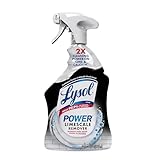
- 2X CLEANING POWER ON LIME & CALCIUM**: Cuts through stubborn limescale, calcium, and hard-water buildup fast—ideal for deeper...
- HARD WATER STAIN REMOVER & SOAP SCUM FIGHTER: Breaks down mineral deposits and soap scum on showers, tubs, sinks, and tiles for a...
- KILLS 99.9% OF GERMS*: Eliminates 99.9% of bathroom viruses and bacteria for a cleaner, fresher bathroom environment.
Best for: For disinfecting hard-water cleanup.
A 32 oz bottle gives Lysol a larger supply for repeated bathroom cleaning, and the 2X cleaning power claim centers it on lime and calcium buildup. That matters if hard-water residue is only part of the mess, because this formula also targets soap scum on showers, tubs, sinks, and tiles.
The bleach-free 0% bleach formula is a practical choice for buyers who want a powerful bathroom cleaner without chlorine bleach in the mix. Its germ-killing claim covers 99.9% of bathroom viruses and bacteria, so it serves a dual cleaning and hygiene role in the same bottle. The 32 oz size is useful for larger homes or households that clean multiple bathrooms on a routine schedule. Because it tackles limescale, calcium, hard-water buildup, and soap scum together, it fits people who want mineral removal with a broader bathroom-cleaning benefit rather than a single-purpose stain remover.
Pros
- 32 oz bottle supports repeated bathroom use
- 2X cleaning power focuses on lime and calcium buildup
- Bleach-free formula suits routine bathroom cleaning
- Kills 99.9% of bathroom viruses and bacteria
Cons
- The listing does not specify compatibility with delicate surfaces like natural stone.
Lysol is a strong option when hard-water buildup is one part of a broader bathroom cleaning routine. It is especially appealing if you want stain removal and germ reduction in the same spray.
| Specification | Details |
|---|---|
| Title | Lysol Power Limescale Removing Bathroom Cleaner Spray, 32 oz |
| Capacity | 32 oz |
| Formula | 0% bleach |
| Cleaning Power | 2X cleaning power on lime and calcium |
| Targets | Limescale, calcium, hard-water buildup, soap scum |
| Kills | 99.9% of bathroom viruses and bacteria |
| Use Areas | Showers, tubs, sinks, tiles |
I’d recommend this to someone who wants one cleaner to handle mineral buildup and general bathroom sanitation. The larger bottle and disinfecting claim make it useful in homes with frequent cleaning needs. If your priority is a bathroom cleaner that does more than remove spots, this is one of the more practical picks.
6. Stardrops The Pink Stuff Miracle Bathroom Foam Cleaner, 25 Fl

- DEEP CLEANING ACTION: The Pink Stuff Bathroom Foam Cleaner is specially formulated to tackle tough bathroom stains and grime...
- EFFORTLESS FOAM APPLICATION: The easy-to-use foam spray clings to surfaces, allowing for maximum contact time to break down dirt...
- VERSATILE BATHROOM USE: Perfect for a variety of bathroom surfaces, including tiles, sinks, tubs, showers, faucets, and even...
Best for: For foam cleaning on bathroom surfaces.
A 25 fl oz foam cleaner gives The Pink Stuff a clingy application that stays on bathroom surfaces long enough to loosen grime and soap scum. That helps when hard-water residue is mixed into the mess, because the foam can sit on tiles, tubs, and showers before you wipe it away.
The 2.67 x 3.74 x 11.61-inch bottle is tall and narrow, which makes it easy to store beside other cleaning supplies. At 1.83 pounds, it has enough heft for a substantial bottle while remaining manageable for regular use. Its formula is aimed at tough bathroom stains and grime, so it suits buyers who want a cleaner that addresses both visible buildup and routine mess. The foam spray is the defining feature here, because it increases contact time on vertical and curved surfaces where hard-water film often sticks. That makes it useful for sink basins, shower walls, and tub surrounds.
Pros
- 25 fl oz foam format clings to surfaces longer
- Works on tiles, sinks, tubs, and showers
- Tall bottle stores neatly with bathroom cleaners
- Targets tough bathroom stains and grime in one step
Cons
- The listing is focused on bathroom surfaces, so it is not a broad whole-home descaler.
The Pink Stuff is a smart choice for buyers who like foam coverage on bathroom buildup. It works best where hard-water residue is mixed with grime and needs a little dwell time.
| Specification | Details |
|---|---|
| Product Dimensions | 2.67 x 3.74 x 11.61 inches |
| Weight | 1.83 pounds |
| Capacity | 25 fl oz |
| Form | Foam Cleaner |
| Use Areas | Tiles, sinks, tubs, showers |
My take is that this suits shoppers who prefer foam because it stays put on vertical bathroom surfaces. The bottle size and surface range make it a useful routine cleaner for showers and tubs. If your hard-water problem tends to show up alongside soap film and general grime, this format makes sense.
7. Barry’s Restore It All Products – Hard Water Scale Rescue

- Barry's Hard Water Scale Rescue is a safe citric acid-based formula that quickly dissolves dried-hardened calcium and lime...
- Use on windows, bath/kitchen fixtures, household appliances, dishwashers, porcelain and granite, shower tile and glass, and...
- Safe near vegetation and in septic/sewer areas
Best for: For citric-acid mineral dissolving.
A spray form with a citrus scent gives Barry’s Hard Water Scale Rescue a straightforward mineral-removal setup for glass, porcelain, metals, tile, and vinyl. The citric acid-based formula is the key feature here, because it is aimed at quickly dissolving dried calcium, lime, tarnish, and rust on surfaces that collect hard-water residue.
The product is also listed as biodegradable, which may appeal to buyers who want a hard-water cleaner with a less harsh-feeling profile. It is marked safe near vegetation and in septic/sewer areas, broadening its usefulness for homes with outdoor exposure or septic systems. The surface list includes windows, bath and kitchen fixtures, household appliances, dishwashers, porcelain, granite, shower tile, and glass, so it reaches beyond just bathroom use. The spray form helps direct the cleaner precisely onto spots and mineral lines instead of flooding nearby material, which is helpful on mixed-finish surfaces. That combination makes it especially practical for varied household scale buildup.
Pros
- Citric acid-based spray targets calcium, lime, tarnish, and rust
- Safe near vegetation and in septic/sewer areas
- Works on glass, porcelain, metals, tile, vinyl, and stone surfaces
- Covers windows, fixtures, appliances, and shower tile
Cons
- The wide surface range is useful, but the listing does not give a specific use limit for delicate stone finishes beyond the named materials.
Barry’s is a strong fit when hard-water scale appears across different materials, not just in the shower. It is especially appealing for buyers who want a spray they can use on windows, fixtures, and appliance surfaces too.
| Specification | Details |
|---|---|
| Brand | Barry’s Restore It All Products |
| Item Form | Spray |
| Scent | Citrus |
| Specific Uses For Product | Tile, Windows, Shower, Glass |
| Material Feature | Biodegradable |
| Formula | Citric acid-based |
| Safe Near | Vegetation and septic/sewer areas |
I’d point this to a buyer who wants a mineral remover with a broad home-and-outdoor footprint. The citric acid base and spray form make it easy to control on mixed surfaces. If you need to handle hard-water residue, tarnish, and rust in more than one area, this is one of the more flexible choices.
8. Brite & Clean® (Bright & Clean) Ultimate Hard Water Stain

- It really works removing hard water stain accumulation when used as directed. For persistent and stubborn corrosion or etching...
- Biodegradable formula produces no smelly or harmful fumes.
- Trusted by professionals and homeowners for daily and regular cleaning of shower doors, windows, stainless steel, chrome...
Best for: For stubborn etched hard-water stains.
A 6.08-ounce bottle keeps Brite & Clean compact while concentrating on hard-water stain accumulation rather than general cleaning volume. The biodegradable formula and no-smell, no-harmful-fumes claim make it stand out for buyers who want a cleaner that is easier to use in enclosed spaces.
The 2.75 x 2.75 x 6-inch size is small enough to store almost anywhere, which is practical if you only need a specialist stain remover on hand. Its label also addresses persistent corrosion and etching damage, and the instructions mention using more pressure or a smaller 3-inch circle for stubborn spots. That tells you this product is meant for more deliberate spot restoration rather than quick wipe-downs. Because the formula is described as trusted by professionals, it suits buyers who need a focused product for hard-water staining that has gone beyond ordinary surface film. The emphasis here is on corrective cleaning, not broad household use.
Pros
- 6.08-ounce size is easy to store for spot treatment
- Biodegradable formula produces no smelly or harmful fumes
- Addresses hard-water accumulation, corrosion, and etching damage
- Instructions support targeted restoration on stubborn areas
Cons
- The small bottle size makes it less suited to large, high-frequency cleaning jobs.
Brite & Clean is best when the stain is stubborn enough to need focused attention and a smaller application area. It works well for buyers who care more about restoration than routine spraying.
| Specification | Details |
|---|---|
| Title | Brite & Clean® (Bright & Clean) Ultimate Hard Water Stain |
| Product Dimensions | 2.75 x 2.75 x 6 inches |
| Weight | 6.08 ounces |
| Material Feature | Biodegradable Warning |
| Manufacturer | Brite & Clean |
I’d choose this for someone dealing with hard-water marks that need more careful spot work. The compact bottle and restoration instructions make it feel aimed at problem areas rather than daily cleaning. If you want a low-fume formula for targeted correction, this is a sensible pick.
9. GlasWeld ProClean Hard Water Stain Remover for Glass & Metal

- REMOVES HARD WATER STAINS & MINERAL DEPOSITS: Professional water spot remover for shower glass, car windows, mirrors and tiles...
- NON-ACID FORMULA SAFE FOR ALL SURFACES: Advanced hard water cleaner and soap scum remover for shower doors; eliminates stubborn...
- PROVEN RESULTS ON EXTREME HARD WATER BUILDUP: This industrial hard water stain remover tackles years of calcium deposits; ideal as...
Best for: For glass and metal water spots.
An 8-ounce bottle keeps GlasWeld ProClean compact for targeted use on shower glass, car windows, mirrors, and tiles. The non-acid formula is the main distinction, because it is presented as safe for all surfaces while still breaking down calcium buildup and lime scale on glass and metal.
The 10 x 9 x 4-inch package is relatively large for the bottle size, which suggests room for protective packaging around a specialty cleaner. Its hard-water focus reaches both home and auto surfaces, so it works for buyers who see mineral spotting on shower doors and windshield glass alike. The listing specifically names soap scum removal as well, giving it a broader role on bathroom glass door surfaces. Because it is non-acid, the product is positioned for routine use without harsh chemicals, which may matter if you clean frequently and want a gentler-feeling formula. That combination makes it a niche but useful pick for clear surfaces.
Pros
- 8-ounce bottle is compact for targeted use
- Non-acid formula is safe for routine use on listed surfaces
- Works on shower glass, car windows, mirrors, and tiles
- Breaks down calcium buildup and lime scale on glass and metal
Cons
- The small 8-ounce size means less coverage than larger spray bottles.
GlasWeld fits buyers who care most about clear glass and metal surfaces. It is a strong match when hard-water spots show up on both bathroom and vehicle glass.
| Specification | Details |
|---|---|
| Title | GlasWeld ProClean Hard Water Stain Remover for Glass & Metal |
| Product Dimensions | 10 x 9 x 4 inches |
| Weight | 8 ounces |
| Use Areas | Shower glass, car windows, mirrors, tiles |
| Formula | Non-acid |
| Surface Type | Glass and metal |
I’d recommend this to someone who wants a specialized cleaner for glass first and foremost. The non-acid formula and auto-friendly use make it useful beyond the bathroom. If your main issue is spotting on glass and mirrors, this is a focused option worth considering.
10. NSF Certified Hard Water Shower Filter – Removes Chlorine, Limescale

- 💧 Help to reduces limescale and impurities: improves the quality of water used in showers and faucets.
- 🔄 Easy and quick installation: connects easily between the shower hose and the showerhead, or before the faucet — no tools...
- 🧩 Universal compatibility: fits most standard shower and faucet systems.
Best for: For reducing shower water hardness.
A resin filter cartridge in a compact 1.97 x 1.97 x 5.31-inch body gives this shower filter a different approach to hard water: treat the water before it reaches the skin and fixtures. That matters because it is aimed at reducing limescale and impurities at the source rather than cleaning stains after they form.
The NSF external testing certification adds confidence for buyers who want a filter with recognized certification attached to its design. At 4.8 ounces, the filter is lightweight and easy to install between the shower hose and showerhead, or before the faucet, without tools. The universal compatibility claim means it can fit most standard shower and faucet systems, which reduces guesswork at purchase time. Its 1–3 month lifespan depends on water hardness and use frequency, so it is better suited to households that want a recurring cartridge solution. The product benefits also mention inhibiting lime-scale growth, making it the most preventative pick in this group.
Pros
- Resin filter helps reduce limescale and impurities in shower water
- NSF external testing certification adds trust in the design
- Tool-free installation works between hose and showerhead or before faucet
- Universal compatibility fits most standard shower and faucet systems
Cons
- It is a cartridge-based filter with a 1–3 month lifespan, so it requires periodic replacement.
This is the right choice for buyers who want to address hard water before stains form. It works best for households looking for prevention at the shower or faucet level rather than surface cleaning.
| Specification | Details |
|---|---|
| Title | NSF Certified Hard Water Shower Filter – Removes Chlorine, Limescale |
| Material | Resin |
| Product Dimensions | 1.97″D x 1.97″W x 5.31″H |
| Item Weight | 4.8 ounces |
| External Testing Certification | NSF |
| Product Benefits | Inhibits Lime-Scale Growth |
| Compatibility | Most standard shower and faucet systems |
| Lifespan | 1–3 month lifespan |
I’d pick this if the real problem is hard water showing up again and again because of the water itself. A filter makes sense when you want prevention instead of repeated scrubbing. If your priority is softer-feeling shower water and fewer mineral deposits, this is the most preventive option here.
Quick Comparison Table of Top Hard Water Solutions
| Product Name | Form | Use Area | Key Benefit | Best For | Check Price |
|---|---|---|---|---|---|
| Bioclean Hard Water Stain Remover, 20.3oz | Aerosol | Windows/Tile | Hard water stains | Stain removal | Check Price |
| CLR Brands Calcium Lime & Rust | Spray | Multi-surface | Calcium/lime/rust | Everyday cleaning | Check Price |
| Zep Home Pro 2-in-1 Foaming Soap | Foam | Bathroom surfaces | Soap scum prevention | Bathroom buildup | Check Price |
| Lime-A-Way Hard Water Stain Remover Spray | Spray | Bathroom surfaces | Fast limescale removal | Quick stain cleanup | Check Price |
| Lysol Power Limescale Removing Bathroom Cleaner | Spray | Bathroom surfaces | 2X cleaning power | Deep bathroom cleaning | Check Price |
| Stardrops The Pink Stuff Miracle Bathroom | Foam spray | Bathroom surfaces | Deep cleaning action | Soap scum removal | Check Price |
| Barry’s Restore It All Products | Spray | Glass/Tile | Citric acid formula | Mineral deposit removal | Check Price |
| Brite & Clean® (Bright & Clean) | Liquid | Hard surfaces | Persistent stains | Tough stain correction | Check Price |
| GlasWeld ProClean Hard Water Stain Remover | Liquid | Glass/Metal | Non-acid formula | Safe glass cleaning | Check Price |
| NSF Certified Hard Water Shower Filter | Filter | Shower/Faucet | Reduces limescale | Water treatment | Check Price |
How to Choose the Best Solution for Hard Water
Water hardness level and treatment match
Start with a test, not a guess: hardness in grains per gallon or ppm tells you how aggressive the treatment must be. Mild hardness needs a lighter option such as a compact conditioner or a small-capacity softener, while moderate to severe hardness needs a full softening system with enough resin or media volume to treat the whole supply. Choose a unit that specifically addresses calcium and magnesium, and add iron removal or anti-scale protection when your water also leaves orange staining or gritty buildup.
For most homes, the best pick is the system matched to your exact hardness reading and any extra minerals, not the largest unit on the shelf.
| Water profile | Best fit |
|---|---|
| Low hardness | Compact conditioner or small softener |
| Moderate hardness | Mid-size ion-exchange softener |
| Severe hardness plus iron | High-capacity softener with iron handling |
Flow rate and capacity needs
Size the system to your actual water use, not just the number of bathrooms. A point-of-use unit works for a single sink, shower, or appliance, while whole-home systems need enough capacity to keep every tap consistent during peak demand. Look at grains capacity, flow rate, and recovery speed so the system does not collapse when showers, laundry, and dishes happen at once.
Regeneration or refill frequency matters too: shorter intervals mean more upkeep and more interruptions. The right choice for busy homes is a whole-home system with a strong flow rating and high capacity; the right choice for one fixture is a compact point-of-use model.
| Type | Best for |
|---|---|
| Point-of-use | One fixture or appliance |
| Mid-capacity | Small household demand |
| High-capacity whole-home | Multiple users and peak-hour demand |
Ease of installation and maintenance
Pick the setup that matches your tolerance for hands-on upkeep. DIY-friendly units use straightforward hookups, standard fittings, and clear instructions, while professional installs suit tighter plumbing layouts and larger whole-home systems. Measure the space first: leave room for the tank, brine tank, bypass, and access to valves or cartridges.
For maintenance, favor systems with simple cartridge swaps, easy salt refills, or cleaning steps that do not require special tools. Indicator lights, usage counters, and low-salt alerts make upkeep far easier.
The best choice for a hands-on homeowner is a compact system with simple service steps; the best choice for a complicated utility area is a professional-install whole-home unit with clear alerts.
| Setup | Best for |
|---|---|
| DIY install | Standard plumbing and limited space |
| Professional install | Complex routing or larger systems |
| Low-maintenance design | Owners who want fewer service steps |
Material quality and longterm durability
Choose corrosion-resistant materials and solid fittings because hard water punishes weak hardware. Resin tanks, valve bodies, and cartridges should feel sturdy, with threaded connections, secure seals, and no thin plastic parts at the pressure points. Good builds resist leaks, cracking, and mineral damage over long use, while poor ones show loose seams, flimsy caps, or fittings that do not match standard plumbing sizes.
Check compatibility with your pipe material, inlet size, and available connectors before buying. The best pick for long service life is a system with reinforced housings and reliable valves; the best pick for an older plumbing setup is a model that includes standard adapters and flexible connection options.
| Material or part | What to look for |
|---|---|
| Housing | Thick, corrosion-resistant shell |
| Valve and fittings | Solid seals and standard thread sizes |
| Tank or cartridge | Rigid construction with leak-resistant joints |
Efficiency, safety, and added features
Efficiency and safety matter because a good hard-water solution should protect your plumbing without wasting water or energy. Look for low waste during regeneration, efficient salt or media use, and features such as bypass valves, auto shutoff, and fail-safe protection that reduce the risk of overflow or accidental downtime. Monitoring tools are worth choosing when you want usage tracking, service reminders, or performance data that shows when the system needs attention.
Strong warranty coverage and responsive support signal a better long-term ownership experience. The best choice for most buyers is an efficient whole-home system with bypass protection and clear monitoring; the best choice for tech-minded users is a model with detailed usage tracking and strong service support.
| Feature | Best for |
|---|---|
| Auto shutoff and bypass | Leak protection and service continuity |
| Usage monitoring | Owners who want visible maintenance tracking |
| Strong warranty and support | Long-term peace of mind |
Which Should You Choose?
- If you need to remove years of stubborn hard-water spots from glass, tile, or grout, choose a heavy-duty spray stain remover in a 20–32 oz bottle.
- If your main problem is bathroom buildup on sinks, tubs, and shower walls, choose a multi-surface calcium, lime, and rust remover with a trigger spray.
- If you want one cleaner that also helps stop future soap scum in the shower, choose a foaming formula with dual-action cleanup and prevention.
- If you want to cut hard-water mineral buildup before it starts, choose a shower filter that reduces limescale at the source.
Quick Best Solution For Hard Water Buying Checklist
- Test your water first so you know the hardness level and can choose the right treatment strength.
- Match capacity to household demand to keep water conditioning effective during showers, laundry, and dishes.
- Review maintenance requirements such as refills, filter changes, or cleaning before you buy.
- Check installation fit to make sure the system works with your available space and plumbing layout.
- Look for durable construction with corrosion-resistant materials for longer service life.
- Compare efficiency and support including operating costs, safety features, and warranty coverage.
How Water Softeners Remove Hardness Minerals
A salt-based water softener is the most established solution for hard water because it targets the minerals that cause scale in the first place. Inside the resin tank, sodium or potassium ions exchange places with calcium and magnesium as water passes through. That ion exchange lowers hardness so fixtures, appliances, and glassware are less likely to develop chalky buildup.
When the resin becomes saturated, the system regenerates with a brine rinse to restore capacity.
This process is effective for whole-house treatment, which means every tap gets softer water. It is especially useful in homes with frequent spotting, stiff laundry, or premature appliance wear.
Salt-Based vs Salt-Free Conditioning Systems
Salt-based softeners and salt-free conditioners solve different problems, so it helps to understand the trade-off. Traditional softeners physically remove hardness minerals, while salt-free systems usually condition them so they are less likely to stick to surfaces. That means a salt-free unit may reduce scale formation, but it does not truly eliminate hardness the way ion exchange does.
If your goal is softer skin feel, better soap lather, and full-scale reduction throughout the home, salt-based treatment is usually the stronger option. If you mainly want to limit deposits with less maintenance, a conditioner may still be useful in the right water conditions.
| Type | Best for | Key trade-off |
|---|---|---|
| Salt-based softener | Maximum hardness removal | Requires regeneration and salt |
| Salt-free conditioner | Scale reduction with low upkeep | Does not remove hardness |
| Dual-tank softener | Large homes with steady demand | More equipment and space needed |
Installation Factors That Affect Performance
Even the best system can underperform if the installation is poorly planned. A softener should be sized for the household’s water demand and the actual hardness level, not just the number of bathrooms. Placement matters too: the unit usually goes where the main water line enters the home, but it should also be installed where drainage, electrical access, and service space are practical.
Bypass valves are important because they let you isolate the system for maintenance without shutting off the entire house.
Professional installation is often worth considering when plumbing changes, pressure concerns, or local code requirements are involved. Correct setup helps the system regenerate properly and avoids leaks, pressure loss, and wasted salt.
Maintenance Tasks That Keep Hard Water Treatment Effective
Hard water treatment works best when it is monitored regularly. Salt-based systems need periodic salt refills, and the brine tank should be checked for bridging, sludge, or damp clumps that can block regeneration. The resin bed also benefits from occasional cleaning if iron or sediment is present, since those contaminants can reduce exchange capacity over time.
For cartridge-style filters or conditioners, replacement intervals matter just as much as the initial setup.
It is also wise to test incoming and treated water from time to time. A rising hardness reading can signal exhausted media, a valve issue, or incorrect settings before the problem becomes obvious in the home.
- Keep the brine tank filled to the recommended level
- Inspect for salt bridging or crusting
- Use the correct regeneration settings
- Replace filters or media on schedule
- Retest water after major changes in usage
Common Hard Water Mistakes to Avoid
One frequent mistake is assuming every white deposit means the same solution will work. Iron, chlorine, and sediment can mimic or worsen hard water symptoms, so testing the water first is essential. Another common error is oversizing or undersizing the system, which can lead to inefficient regeneration, wasted water, or incomplete softening.
Homeowners also sometimes install a softener only on a branch line, leaving showers and appliances untreated.
It is equally important not to ignore water pressure and plumbing material compatibility. Certain older pipes, water heaters, and fixtures may need inspection before treatment is added. The most reliable approach is to match the equipment to the water report and the home’s plumbing layout, then maintain it consistently.
Frequently Asked Questions (FAQs)
What Is The Best Solution For Hard Water In A Whole House?
The best solution for hard water in a whole house is a properly sized water softening system that matches your water hardness and daily usage. Whole-home units reduce scale on fixtures, appliances, and pipes, especially when the resin capacity and regeneration settings fit your household demand.
How Do I Know Which Hard Water Solution I Need?
You can choose the right hard water solution by testing your water hardness first and identifying whether the problem is calcium, magnesium, or both. Once you know the mineral level, you can match the system type, capacity, and flow rate to your home’s needs.
Are Salt-Based Systems Always The Best Solution For Hard Water?
Salt-based systems are often the best solution for hard water when you want strong mineral removal and broad protection against scale. They work well for most homes, but the right choice depends on water hardness, maintenance preferences, and whether you need whole-house treatment or point-of-use control.
What Features Matter Most In A Hard Water Treatment System?
The most important features in a hard water treatment system are capacity, flow rate, durability, and ease of maintenance. A good unit should handle peak water use without pressure loss and include practical upkeep features like simple refills, clear indicators, or easy cartridge access.
Can A Hard Water Solution Help Protect Appliances?
Yes, a hard water solution can help protect appliances by reducing scale buildup in water heaters, dishwashers, and washing machines. Less mineral accumulation improves efficiency, helps appliances run more smoothly, and can extend service life when the system is sized and maintained correctly.
How Important Is Maintenance For Hard Water Systems?
Maintenance is very important for hard water systems because performance depends on regular cleaning, refilling, or cartridge replacement. A system with simple upkeep is easier to use consistently, which helps it keep removing hardness minerals effectively over time.
What Should I Compare Before Buying A Hard Water Solution?
You should compare hardness-handling capacity, installation requirements, maintenance needs, and build quality before buying a hard water solution. Also check whether the system fits your plumbing space and whether the warranty and support make long-term ownership easier and more reliable.
Final Suggestions
In summary, the best solution for hard water should match your water hardness, household demand, and maintenance preferences while helping reduce scale and protect plumbing. A well-chosen system can improve everyday cleaning, appliance performance, and long-term water quality. With the right fit, you can enjoy better results and greater confidence in your home’s water.