Top 10 Best Spray Foam Under Bathtub Picks
The best spray foam under bathtub products matter more than many homeowners realize. Beneath a tub, the right expanding foam can help stabilize the base, reduce vibration, and improve moisture control while supporting long-term durability. The best spray foam under bathtub category also includes advanced polyurethane formulas designed for strong adhesion, controlled expansion, and better cavity fill in tight spaces.
In this guide, we compare foam insulation choices, gap-filling performance, and application behavior so you can understand what separates a reliable under-tub foam from a messy one. From structural support to water-resistant sealing, these materials play a critical role in bathroom performance.
The details behind spray foam for bathtubs may surprise you, and the next section reveals why certain options stand out from the rest.
In-depth Reviews of the Best Spray Foam Under Bathtub
1. Loctite Tite Foam Big Gaps Spray Foam Sealant, 12 fl

- FILLS GAPS UP TO 3 INCHES: Our high-density polyurethane foam expands to fill and seal large gaps up to 3 inches wide without...
- SUPERIOR INSULATION AND DRAFT BLOCKING: Provides a dense cellular structure for maximum thermal insulation, draft protection, and...
- WEATHER RESISTANT AND UV RESISTANT: Resists outdoor weather conditions, moisture intrusion, and UV degradation for durable...

Best for: Big-gap sealing around tub bases.
A 12 fl oz can with high-density foam gives you enough output to bridge wider voids around a bathtub base, especially where subfloor or framing gaps need a firm seal. Its uniform cell structure helps the foam stay consistent as it expands, so the bead you place can turn into a stable fill instead of collapsing or crumbling.
This Loctite formula is rated to fill gaps and cracks up to 3 inches, which matters when the space under a tub is more than a hairline opening and you need one product that can span it. The 16-ounce can and 2.56 x 2.56 x 7.87-inch size make it easy to handle in tight bathroom access areas. It bonds to wood, concrete, brick, stone, metal, and PVC, so it fits common tub-support materials without special prep. Its flexibility helps the seal keep up with normal building movement, and the UV resistance adds another layer of protection if any exposed area sees light during remodeling or cleanup.
Pros
- Fills openings up to 3 inches for larger tub voids
- High-density foam with a uniform cell structure for stable fill
- Bonds to wood, concrete, brick, stone, metal, and PVC
- Flexible seal helps accommodate building movement
Cons
- Single 12 fl oz can may be limiting for multiple large voids under a bathtub
For a bathtub installation with bigger gaps, this is the most practical pick in the group. It covers wide openings without forcing you into a separate filler for the same job.
| Specification | Details |
|---|---|
| Brand | Loctite |
| Material | Plastic |
| Style | Foam sealant |
| Item Weight | 16 ounces |
| Item Dimensions | 2.56 x 2.56 x 7.87 inches |
| Fill Size | Up to 3 inches |
| Adhesion Surfaces | Wood, concrete, brick, stone, metal, PVC |
| Foam Structure | High density, uniform cell structure |
I’d choose this when the space under the tub is irregular and wider than a standard crack. The 3-inch fill range is the main reason, but the broad material compatibility matters just as much in a bathroom, where you can run into wood, masonry, and metal in the same area. If you want one can that can handle a larger cavity cleanly, this is a strong fit.
2. Loctite Tite Foam Gaps & Cracks Spray Foam Sealant, White,
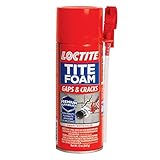
- DENSE POLYMER SEAL: Our high-density polyurethane foam creates an airtight, water-resistant barrier that seals gaps up to 1 inch...
- SUPERIOR ENERGY EFFICIENCY: Stops cold drafts and reduces energy costs by sealing out unwanted air, moisture, and pests around...
- WEATHERPROOF AND UV RESISTANT: Resists outdoor weather conditions, moisture intrusion, and UV degradation for durable long-term...
Best for: Small bathroom gaps and cracks.
A polyurethane compact can is the right match when the gap under a bathtub is narrow and you want a cleaner, more controlled fill. Its 12-ounce size keeps the can manageable, while the smaller-gap formula is aimed at openings up to 1 inch, which suits trim gaps, edge seams, and minor voids around tub framing.
This Loctite version is sized for gaps and cracks up to 1 inch, so it is better for finishing work than for deep cavities. The polyurethane material gives it the structure needed for sealing and insulation, and the high-density foam formulation helps it stay uniform as it expands. The 2.56 x 2.56 x 7.87-inch can is easy to maneuver in a cramped bathroom access panel or behind a tub skirt. Its UV-resistant formulation adds protection where any exposed bead may see light, and the flexible seal helps it tolerate movement between adjacent materials over time.
Pros
- Sized for gaps and cracks up to 1 inch
- Polyurethane foam offers a consistent sealing body
- Compact 2.56 x 2.56 x 7.87-inch can fits tight access
- Flexible seal helps handle material movement
Cons
- Not intended for openings larger than 1 inch under a bathtub
Choose this when the bathtub area needs controlled sealing rather than deep fill. It suits smaller joints, edge gaps, and finish work where a compact can is easier to handle.
| Specification | Details |
|---|---|
| Brand | Loctite |
| Material | Polyurethane |
| Style | Compact |
| Item Weight | 12 ounces |
| Item Dimensions | 2.56 x 2.56 x 7.87 inches |
| Fill Size | Up to 1 inch |
| Foam Structure | High density, uniform cell structure |
| UV Resistance | Yes |
This is the better choice if you’re sealing around a tub where the openings are small but persistent. I like it for finish work because the compact can is easier to place precisely, and the 1-inch limit keeps expectations realistic. If your bathtub space has thin seams rather than big cavities, this one makes sense immediately.
3. Loctite Tite Foam Gaps & Cracks Spray Foam Sealant, White,

- DENSE POLYMER SEAL: Our high-density polyurethane foam creates an airtight, water-resistant barrier that seals gaps up to 1 inch...
- SUPERIOR ENERGY EFFICIENCY: Stops cold drafts and reduces energy costs by sealing out unwanted air, moisture, and pests around...
- WEATHERPROOF AND UV RESISTANT: Resists outdoor weather conditions, moisture intrusion, and UV degradation for durable long-term...
Best for: Waterproof seal for damp spaces.
A waterproof polyurethane can matters under a bathtub because that area often sees moisture exposure during use or cleanup. Its 8.1 x 4.1 x 8.5-inch can size gives you a roomier package for handling, and the waterproof rating adds confidence when the seal needs to stay intact in a damp, concealed space.
This Loctite can is presented in a standard can style rather than a compact form, which makes it a straightforward option for general sealing work. The polyurethane foam is paired with a waterproof water-resistance level, an important detail under tubs where incidental moisture can appear around plumbing or subfloor areas. Its dimensions, 8.1 x 4.1 x 8.5 inches, suggest a larger profile that may be easier to grip during longer applications. Because the product is still rated for gaps and cracks up to 1 inch, it fits smaller fill areas while giving you a moisture-tolerant finish. That combination makes it a good match for bathroom repairs where water exposure is a concern.
Pros
- Waterproof rating suits damp bathtub areas
- Polyurethane foam supports sealing and insulation
- Standard can style is straightforward to apply
- Sized for gaps and cracks up to 1 inch
Cons
- The larger can profile is less compact for very tight access spaces
Use this when moisture resistance matters as much as gap filling. It fits small bathtub voids well and adds peace of mind in a damp environment.
| Specification | Details |
|---|---|
| Brand | Loctite |
| Material | Polyurethane |
| Style | Can |
| Item Dimensions | 8.1 x 4.1 x 8.5 inches |
| Water Resistance Level | Waterproof |
| Fill Size | Up to 1 inch |
I’d lean toward this one for bathroom areas where moisture is part of the equation. The waterproof rating is the key reason, and the 1-inch fill range keeps it focused on smaller under-tub gaps instead of big structural voids. If your priority is a moisture-tolerant seal in a practical can, this is a sensible pick.
4. 157901 Great Stuff Expanding Spray Foam Sealant, 12 oz –

- Great stuff expanding spray foam sealant, 12 oz. - 441002
- This is highly durable
- This is manufactured in United states
Best for: Simple expanding foam fill.
A 12-ounce expanding foam sealant from DOW CHEMICAL keeps the format simple for basic void filling under a bathtub. Its compact style and solid material make it a no-frills option when the job is more about plugging an opening than managing special application features or extra accessories.
This Great Stuff can is a 12-ounce package with a compact style, so it fits the profile of a straightforward household foam rather than a specialty kit. The material is listed as solid, which at least signals a dense foam format for sealing tasks in enclosed spaces. Its dimensions, 11.7 x 8.8 x 8.5 inches, make the package relatively broad for a single can, and that may matter if you store it among other renovation supplies. Because the product details emphasize expanding spray foam sealant behavior, it is aimed at filling and sealing rather than precision finishing. For bathtub use, that makes it a basic candidate when you only need foam fill around a concealed perimeter.
Pros
- 12-ounce size suits single-area repairs
- Compact style keeps the format straightforward
- Expanding foam sealant format fits fill-and-seal jobs
- Made by DOW CHEMICAL
Cons
- No gap-size rating is listed, so fit under a bathtub is less precisely defined
This is the plainest option in the group, which can be an advantage for simple fills. If you want a basic expanding foam without extra complexity, it covers that role.
| Specification | Details |
|---|---|
| Brand | DOW CHEMICAL |
| Material | solid |
| Style | Compact |
| Item Weight | 12 ounces |
| Item Dimensions | 11.7 x 8.8 x 8.5 inches |
I’d consider this when the bathtub job is uncomplicated and you want a simple expanding foam can. It doesn’t give the same detail level as some other options, but that also keeps the choice easy if you’re just filling a concealed opening. For straightforward household sealing, it does the basics without adding extra features you may not need.
5. Great Stuff 99108824 Smart Dispenser Gaps & Cracks, Cream, 12

- The information below is per-pack only
- THE GAP AND CRACK ATTACKER! Reduce drafts and save energy
- THE GAP AND CRACK ATTACKER! Reduce drafts and save energy
Best for: Controlled foam with less mess.
A smart dispenser changes the way foam behaves under a bathtub because the product stops where you stop. The polyurethane foam in this 12-ounce dispenser is paired with a reusable applicator setup, which makes it easier to place foam only where the tub cavity needs it.
This Great Stuff pack uses a dispenser style instead of a plain can, and that matters when you want more control in a cramped bathroom access space. The polyurethane foam formulation supports sealing and insulation, while the 12-ounce quantity is enough for targeted jobs without encouraging waste. Its 3 x 3 x 8-inch dimensions keep the package compact, and the reusable dispenser can be used for up to 30 days, which is useful if you are pacing a repair across more than one session. The product also emphasizes reduced drips and less mess, which is valuable when working under a tub where cleanup is awkward. That makes it especially practical for careful trim-out work.
Pros
- Smart dispenser improves placement control
- Reusable for up to 30 days
- Polyurethane foam supports sealing and insulation
- 12-ounce size suits targeted repairs
Cons
- Single-can format may not cover larger under-bathtub cavities
This one suits buyers who care more about control than raw volume. It is a smart pick for neat application in tight bathroom spaces where cleanup is difficult.
| Specification | Details |
|---|---|
| Brand | Great Stuff |
| Material | Polyurethane Foam |
| Style | Dispenser |
| Item Weight | 2 pounds |
| Item Dimensions | 3 x 3 x 8 inches |
| Reusable Period | Up to 30 days |
I like this for anyone who values a cleaner application around a tub. The dispenser format and reusable setup make it easier to return to the job without wasting foam, which is useful if you’re working slowly or in phases. If neat control matters more than sheer output, this is the one I’d look at first.
6. Red Devil 0913 Spray Foam & Fill Small Gaps &

- FILLS SMALL HOLES, GAPS & CRACKS: Ideal for insulating and preventing drafts
- USE INSIDE OR OUTSIDE: Can be used anywhere around the home
- SANDABLE, PAINTABLE & STAINABLE: Can be sanded, painted or stained after curing
Best for: Small-gap repairs inside or out.
A blend formula that can be used inside or outside gives this Red Devil foam flexibility for bathroom projects that extend beyond the tub base. At 22.68 g, it is the lightest option here, which makes sense for small repairs where you want just enough material for holes, gaps, and cracks.
This Red Devil pack is sized as a single piece and uses a blend material rather than a pure foam label, which points to a more general-purpose fill product. The can measures 2.5 x 2.5 x 8.5 inches, so it remains compact enough for shelf storage or a small toolbox. Its stated use on gaps and cracks up to 1 inch fits minor bathtub perimeter work, especially where the cavity is not wide. It can be sanded, painted, or stained after curing, which adds flexibility if any foam edge remains visible after the tub area is finished. The adhesive compatibility with painted and unpainted wood, concrete, cinder block, aluminum, and fiberglass broadens where it can be used around a home.
Pros
- Usable inside or outside around the home
- Can be sanded, painted, or stained after curing
- Works on gaps and cracks up to 1 inch
- Adheres to wood, concrete, cinder block, aluminum, and fiberglass
Cons
- Solvent cleanup is required, so cleanup is less simple than water-cleanup products
This is a practical small-gap choice for mixed-material bathroom work. It gives you finishing flexibility after curing, which helps if the filled area is partly visible.
| Specification | Details |
|---|---|
| Brand | Red Devil |
| Material | Blend |
| Style | Pack of 1 |
| Item Weight | 22.68 g |
| Item Dimensions | 2.5 x 2.5 x 8.5 inches |
| Fill Size | Up to 1 inch |
| Application | Inside or outside |
| Cleanup | Solvent cleanup |
I’d pick this for small bathtub gaps where you may want to finish the surface afterward. The ability to sand, paint, or stain after curing is the useful detail here, especially if the foam edge might be seen. It’s less about big fill volume and more about a versatile finish on smaller repairs.
7. Great Stuff Wide Spray Foam Insulation Kit, 4 Pack, 18

- Note: This item cannot be used in California's South Coast Counties (LA, Orange, Riverside, San Bernardino) and Coachella Valley
- Complete Insulation Kit: Includes 4 cans of Great Stuff Wide Spray (18 oz), 4 cone nozzles, 4 fan nozzles, goggles and gloves...
- High Coverage Output: Each can covers up to 30 linear feet in a 4-inch wide band, making it ideal for sealing around attics...
Best for: Full kit for larger sealing jobs.
Four 18 oz cans plus cone nozzles, fan nozzles, goggles, and gloves make this a complete sealing kit rather than a single-can purchase. That matters under a bathtub when you want enough material and the right accessories to handle a larger or more involved foam job in one setup.
This Great Stuff package includes 4 cans of 18 oz foam, 4 cone nozzles, 4 fan nozzles, goggles, and gloves, so the purchase covers both application and protection. The total 6.3-pound package weight reflects a multi-can kit that is more suited to broader renovation tasks than a spot repair. Each can covers up to 30 linear feet in a 4-inch wide band, which is a concrete coverage figure that helps when planning how much bathtub perimeter or subfloor edge you can address. The polyurethane foam is water resistant, adding another relevant feature for a bathroom environment. Because it is a pack of 4, it is a better match when a single under-tub opening is only one part of a larger sealing project.
Pros
- Includes 4 cans of 18 oz foam for broader coverage
- Comes with cone nozzles and fan nozzles
- Each can covers up to 30 linear feet in a 4-inch band
- Water-resistant polyurethane foam suits bathroom use
Cons
- Bulkier 4-pack is more than needed for a single small bathtub gap
Use this when the bathtub project is part of a larger sealing job and you want the accessories included. The coverage and kit format make planning much easier.
| Specification | Details |
|---|---|
| Brand | Great Stuff |
| Material | Polyurethane Foam |
| Style | Pack of 4 |
| Item Weight | 6.3 pounds |
| Water Resistance Level | Water Resistant |
| Can Size | 18 oz |
| Coverage | Up to 30 linear feet in a 4-inch wide band |
| Included Accessories | 4 cone nozzles, 4 fan nozzles, goggles, gloves |
I’d go with this if you are tackling more than just the space under one bathtub. The kit format saves you from piecing together accessories, and the stated coverage gives you a real planning advantage. It makes the most sense for larger sealing work where the tub area is only one part of the project.
8. GREAT STUFF PRO Gaps & Cracks 24 oz Spray Foam

- USA Manufactured: Proudly made in the USA
- Seals Gaps Up to 3 Inches: Fills and insulates larger penetrations around framing, pipes, vents, electrical runs, and sill plates...
- Fireblock Rated for Code Compliance: Orange color makes it easily identifiable as a fireblocking sealant; designed to slow the...
Best for: Code-aware larger gap fill.
A 24 oz fireblock-rated foam in orange gives this GREAT STUFF PRO can a very specific role under a bathtub where concealed spaces need more than simple fill. The water-resistant polyurethane formula is aimed at larger penetrations, so it suits bathroom framing and service openings that need a more serious barrier.
This PRO version is a 24 oz spray foam, so it offers more product than the smaller cans in the lineup. It is rated to seal gaps up to 3 inches, which makes it relevant for larger voids around framing, pipes, vents, electrical runs, and sill plates near a tub. The orange color is a practical cue for identifying a fireblocking sealant in concealed spaces. Its water-resistant polyurethane foam is important in damp, hidden locations where both moisture and air leaks matter. The product also states that it can help reduce heating and cooling loss from air leaks, which is useful if the bathtub cavity connects to a larger exterior wall or floor opening.
Pros
- Seals gaps up to 3 inches for larger openings
- Fireblock rated for concealed-space use
- Water-resistant polyurethane foam suits damp areas
- 24 oz size gives more material for bigger repairs
Cons
- Orange fireblock color may be noticeable if any foam is exposed
This is the strongest fit for larger concealed openings under or around a bathtub. It combines size, moisture resistance, and fireblocking use in one can.
| Specification | Details |
|---|---|
| Brand | GREAT STUFF PRO |
| Material | Polyurethane Foam |
| Style | 24 oz |
| Item Weight | 1.5 pounds |
| Water Resistance Level | Water Resistant |
| Fill Size | Up to 3 inches |
| Color | Orange |
I’d choose this when the bathtub opening is large enough to need a serious fill and the cavity sits in a concealed area. The fireblock rating is the notable feature, and the 3-inch fill range gives it more range than a basic small-gap foam. If code-aware sealing matters in your remodel, this is one of the most relevant options.
9. Red Devil 090806 Spray Foam, Fill Large Gaps & Cracks,

- FILLS OPENINGS A CAULK BEAD CANNOT - Triple-expanding polyurethane foam grows to fill holes, cracks, gaps, and voids around window...
- RIGHT-SIZED CAN FOR SMALL JOBS - The 8 oz can suits punch-list gaps where a large can would go to waste, and still forms the same...
- SAND, PAINT, OR STAIN IT - Tack free in about 10 minutes and fully hardened in 4 to 24 hours; once dry, trim and finish the foam...
Best for: Small can, larger voids.
An 8-ounce can aimed at large gaps and cracks keeps waste down when you only need a little foam under a bathtub. The smaller package is especially useful for minor jobs where a full-size can would leave too much leftover material after a single repair.
This Red Devil foam is specifically labeled for large gaps and cracks, yet the 8-ounce can keeps the amount modest for smaller jobs within that category. The 2.5 x 2.5 x 8.5-inch dimensions make it easy to store alongside other repair items, and the single-pack format keeps the purchase simple. Like the other Red Devil option, it can be sanded, painted, or stained after curing, which helps if the filled area remains visible near a tub panel or edge. Its solvent cleanup requirement is a practical detail to keep in mind before you start. For bathtub use, the smaller can is the main advantage because it reduces leftover product on a job that may only need one repair area.
Pros
- 8-ounce can reduces leftover material on small jobs
- Sized for large gaps and cracks
- Can be sanded, painted, or stained after curing
- Compact 2.5 x 2.5 x 8.5-inch package stores easily
Cons
- Requires solvent cleanup after use
This is the pick when you need large-gap foam but not a large can. It keeps the job focused and avoids excess product on a small bathtub repair.
| Specification | Details |
|---|---|
| Brand | Red Devil |
| Material | Blend |
| Style | Pack of 1 |
| Item Weight | 8 ounces |
| Item Dimensions | 2.5 x 2.5 x 8.5 inches |
| Fill Size | Large gaps and cracks |
| Cleanup | Solvent cleanup |
I’d go with this for a smaller bathroom repair where the gap is still fairly substantial but the job itself is limited. The smaller can is the practical win here because it cuts down on waste, and the finish options after curing are useful if the foam is visible. It’s a sensible choice for one targeted under-tub repair.
10. Spray Foam (17 Fl oz) Expanding Foam, Polyurethane Gap Filler

- STRONG BOND - Expanding polyurethane foam adheres firmly to concrete, wood, metal, plastic, and more. Delivers long-lasting...
- MULTI-PURPOSE APPLICATION - Spray foam for filling, sealing, fixing, bonding, and insulating gaps around window and door frames...
- ALL-WEATHER PERFORMANCE - Designed to withstand harsh weather, moisture, steam, seawater, and even dilute acids or alkalis...
Best for: All-weather adhesive sealing.
A 17 fl oz polyurethane foam that bonds to concrete, wood, metal, plastic, and more gives you broad material compatibility under a bathtub. Its large-spray format and all-weather performance make it useful when the area is exposed to moisture, steam, or changing conditions during and after installation.
This professional soma fix foam comes in a 17 fl oz size and uses a large spray foam style, which makes it a substantial single-can option for sealing and insulating work. The material is polyurethane foam, and the product explicitly lists adhesion to concrete, wood, metal, plastic, and more, which is valuable under a tub where mixed substrates are common. The can weighs 500 g and measures 1.57 x 1.57 x 13.39 inches, giving it a tall, narrow profile for storage. Its all-weather performance includes resistance to moisture, steam, seawater, and dilute acids, which is an unusually broad set of conditions for a household foam. That makes it especially relevant where bathroom exposure is a concern.
Pros
- Bonds to concrete, wood, metal, plastic, and more
- 17 fl oz size provides substantial single-can coverage
- All-weather resistance includes moisture and steam
- Large spray foam format suits filling and sealing tasks
Cons
- Tall 13.39-inch can may be awkward in cramped under-tub access
This is a broad-compatibility choice for bathtub areas exposed to moisture and mixed materials. The all-weather performance makes it especially useful where conditions are tougher than a standard interior gap.
| Specification | Details |
|---|---|
| Brand | professional soma fix |
| Material | Polyurethane Foam |
| Style | Large Spray Foam |
| Item Weight | 500 g |
| Item Dimensions | 1.57 x 1.57 x 13.39 inches |
| Capacity | 17 fl oz |
| Adhesion Surfaces | Concrete, wood, metal, plastic, and more |
| Weather Resistance | Moisture, steam, seawater, dilute acids |
I’d consider this if the bathtub area includes several material types and you want one foam that sticks across them. The moisture and steam resistance are the most relevant features for bathroom use, and the 17 fl oz size gives you a comfortable amount for a moderate repair. It’s a strong practical pick for mixed-surface sealing around a tub.
Quick Comparison Table of Top Spray Foam Options for Under Bathtub Use
| Product Name | Material | Style | Size | Best For | Check Price |
|---|---|---|---|---|---|
| Loctite Tite Foam Big Gaps Spray | Plastic | Foam sealant | 12 fl oz | Big gaps | Check Price |
| Loctite Tite Foam Gaps & Cracks | Polyurethane | Compact | White | Small gaps | Check Price |
| Loctite Tite Foam Gaps & Cracks | Polyurethane | Can | White | Waterproof sealing | Check Price |
| 157901 Great Stuff Expanding Spray Foam | Solid | Compact | 12 oz | General filling | Check Price |
| Great Stuff 99108824 Smart Dispenser Gaps | Polyurethane foam | Dispenser | 12 oz | Controlled application | Check Price |
| Red Devil 0913 Spray Foam | Blend | Pack of 1 | Small gaps | Tiny repairs | Check Price |
| Great Stuff Wide Spray Foam Insulation | Polyurethane foam | Pack of 4 | 18 oz | High coverage jobs | Check Price |
| GREAT STUFF PRO Gaps & Cracks | Polyurethane foam | 24 oz | Water resistant | Large gaps | Check Price |
| Red Devil 090806 Spray Foam, Fill | Blend | Pack of 1 | 8 oz | Smaller jobs | Check Price |
| Spray Foam (17 Fl oz) Expanding | Polyurethane foam | Large spray foam | 17 fl oz | Structural support | Check Price |
How to Choose the Right best spray foam under bathtub
Expansion control and fill capacity
Choose a low-expansion polyurethane foam made for doors, windows, and plumbing gaps, not a high-expansion general-purpose can. Under a bathtub, the right product fills voids without forcing the tub upward or bowing the surround, so look for a labeled expansion rate that stays controlled and a stated coverage figure that matches the cavity size you need to fill. A good can gives enough output for patching sagging spots and hollow sections in one pass; a poor one runs short fast or balloons unevenly.
Pick low-expansion foam with clear yield data and medium-fill capacity for most under-tub repairs.
| Type | Best for |
|---|---|
| Low-expansion can | Tight cavities, controlled lift, minor sagging |
| High-yield can | Wider voids and larger unsupported sections |
| Multiple cans | Full underside fill on larger tubs |
Moisture resistance and bonding strength
Choose a foam that bonds strongly to wood, plywood, and common plumbing-safe surfaces while staying stable in damp under-bathtub conditions. The best pick lists adhesion to wood and masonry or multi-surface use, and it keeps grip in areas that see occasional moisture without turning soft or crumbling. For uneven framing, select a formula with strong gap-filling and bridge-building performance so it locks into irregular studs, joists, and blocked corners.
Weak products leave voids, detach at edges, or slump away from rough lumber. Pick a moisture-resistant, multi-surface foam for framed cavities with uneven contact points.
| Type | Best for |
|---|---|
| Moisture-resistant multi-surface foam | Damp spaces and mixed materials |
| High-adhesion foam | Loose framing and stubborn attachment points |
| Gap-filling foam | Irregular cavities and hollow pockets |
Cure time and workability
Choose a foam with a short initial tack time and a predictable full cure window, because under-tub work depends on placing material carefully and then leaving it alone until it hardens completely. A good product becomes tacky fast enough to stay where you put it, but not so fast that it traps you mid-application. Full cure should be clearly stated, and the foam should be easy to trim cleanly once set.
Poor choices stay rubbery too long or cure into a brittle mass that tears during shaping. Pick a fast-tack, clean-trimming foam with a clearly listed cure time for controlled under-bathtub work.
| Type | Best for |
|---|---|
| Fast tack / standard cure | Careful placement and same-day finishing |
| Slower cure / high workability | Large fills that need adjustment time |
| Easy-trim foam | Neat shaping after full cure |
Safety and application control
Choose a foam with a precise straw or gun applicator, strong control at the nozzle, and a low-drip formula that stays where you aim it in tight spaces. Under a bathtub, access is cramped, so the best choice gives narrow beads, controlled flow, and minimal stringing near drain lines, pipes, and fasteners. Overspray wastes product and creates cleanup problems, while a sloppy bead lands on plumbing and framing faces.
Look for a can with an included control nozzle, smooth trigger response, and a label that calls out low-drip or minimal-overspray behavior. Pick a precision-application foam for crowded, pipe-filled cavities.
| Type | Best for |
|---|---|
| Straw nozzle | Small jobs and one-time use |
| Gun-grade foam | Better control and repeat work |
| Low-drip formula | Cleaner application around pipes and drains |
Durability and longterm support
Choose a foam that resists shrinkage, keeps its shape after curing, and provides firm support without turning brittle over time. For under-bathtub use, long-term stability matters more than flashy expansion, because hidden foam has to hold the tub bed steady through repeated use and vibration. Good foam stays dense, supports weight, and remains intact in low-access spaces where repairs are difficult.
Poor foam shrinks away from the tub base, leaves gaps, or breaks down into crumbly sections. Pick a dimensionally stable, high-support foam for the longest-lasting under-tub reinforcement.
- Look for shrink-resistant labeling.
- Choose a rigid-support formula for load-bearing voids.
- Favor products that keep cure shape in enclosed spaces.
- Use a larger-fill can when the cavity runs long or deep.
Which Should You Choose?
- If you need to fill a wider void under the tub, choose a high-expansion foam rated for gaps up to 3 inches.
- If the space is only for narrow seams or hairline cracks, choose a low-expansion gaps-and-cracks foam for up to 1 inch.
- If you want cleaner control in a tight under-bathtub area, choose a reusable precision nozzle or smart-dispensing feature.
- If the foam may be exposed to moisture or shifting plumbing, choose a durable, water-resistant polyurethane foam with a dense cell structure.
Quick Best Spray Foam Under Bathtub Buying Checklist
- Choose low-expansion foam so the bathtub stays supported without being forced out of position.
- Check adhesion strength to ensure the foam bonds well to subfloor materials and framing.
- Review cure time to match your installation window and avoid moving the tub too soon.
- Look for moisture resistance since under-bathtub spaces are often exposed to damp conditions.
- Prefer precise dispensing for better control around pipes, drain lines, and tight cavities.
- Confirm long-term stability so the foam resists shrinkage and continues supporting the tub.
How spray foam supports a bathtub from below
Spray foam helps reduce flex in the tub base by filling the empty space between the underside of the bathtub and the subfloor or framing. When applied correctly, it expands to create broad contact points that support the shell more evenly than a few isolated shims. This can limit squeaks, movement, and stress cracks in the finished tub surface.
The goal is not to completely suspend the tub in a hard block of foam, but to provide uniform support where the manufacturer allows it. For this reason, low-expansion formulas are usually preferred, especially for lightweight acrylic and fiberglass tubs that can deform if the foam pushes too hard while curing.
Closed-cell and open-cell foam in bathtub applications
Not all spray foams behave the same under a tub. Closed-cell foam cures denser and resists moisture better, which makes it more suitable for damp areas and spots that may see occasional condensation. Open-cell foam is softer and more permeable, so it is less common for direct tub support.
In practice, many bathroom projects use a low-expansion polyurethane foam that is designed to stay controlled as it cures. The key difference is how much rigidity and water resistance you need versus how much movement the tub can tolerate.
Matching the foam type to the tub material helps prevent overexpansion, uneven lift, and unwanted pressure on the basin or apron.
| Type | Best for | Main trade-off |
|---|---|---|
| Low-expansion closed-cell foam | Acrylic and fiberglass tubs | Stronger moisture resistance, firmer support |
| General-purpose expanding foam | Small voids away from the basin | More likely to overexpand |
| Open-cell foam | Insulation in dry cavities | Less water resistance and lower stiffness |
Common installation mistakes that can damage the tub
One of the biggest mistakes is applying too much foam in one pass. Because spray foam continues expanding after it leaves the can, excess material can lift the tub, distort the rim, or press against plumbing connections. Another common error is spraying without checking the manufacturer’s support instructions, since some tubs are meant to rest on mortar beds or specific support points instead of foam.
Skipping a dry fit can also cause problems if the tub is not fully level before the foam cures. It is also important not to foam around drain assemblies, access points, or moving parts, because hardened foam can complicate future repairs and create unnecessary strain on fittings.
Safety and ventilation when using expanding foam indoors
Spray foam products release fumes while curing, so bathroom ventilation matters. Open windows, use an exhaust fan if available, and avoid prolonged breathing exposure in enclosed spaces. Gloves and eye protection help prevent skin and eye irritation from overspray, which can be difficult to remove once it sets.
It is also wise to protect finished surfaces with drop cloths or masking where appropriate, because cured foam adheres strongly to tile, fixtures, and cabinetry. Keep the product away from open flame and follow the label for temperature limits, since improper storage or use can affect how the foam expands and cures.
Good airflow and careful application reduce both health risks and cleanup problems.
Checking tub and subfloor compatibility before foaming
Before using spray foam under a bathtub, confirm that the tub material and the subfloor can accept that kind of support. Acrylic and fiberglass tubs often benefit from controlled low-expansion support, while some cast iron or steel tubs rely more on their inherent weight and may not need foam in the same way. The subfloor should be sound, level, and free of rot or deflection, because foam is not a fix for structural damage.
If the framing is uneven, the tub may settle incorrectly even after foaming. It also helps to inspect the drain, overflow, and trap location so the foam does not interfere with service access or create pressure on plumbing components.
Frequently Asked Questions (FAQs)
What Makes Spray Foam Suitable For Under A Bathtub?
Spray foam is suitable under a bathtub because it fills voids, reduces flex, and helps support the tub base in hidden spaces. A low-expansion formula is especially useful since it provides support without creating pressure that can distort the tub or surrounding framing.
Should I Use Low-Expansion Foam Under A Bathtub?
Yes, low-expansion foam is usually the best spray foam under bathtub applications because it fills gaps without lifting or stressing the tub. It expands more gently than standard foam, which helps protect the drain assembly, pipes, and finished surfaces nearby.
How Much Foam Is Needed Under A Bathtub?
The amount of foam depends on the size of the cavity and how many low spots need support. A small gap may need only a partial fill, while wider voids require careful layering so the foam can cure evenly and create stable contact points.
Can Spray Foam Help Stop Bathtub Squeaks?
Yes, spray foam can help stop bathtub squeaks when the noise comes from movement between the tub and the subfloor. By filling the hollow space underneath, the foam reduces flex and friction, which is often the source of creaking and shifting sounds.
How Long Should Spray Foam Cure Before Using The Bathtub?
Spray foam should fully cure before the bathtub is used so the support can harden and settle correctly. Cure time varies by formula, but the key is waiting until the foam is firm throughout, not just dry on the surface.
Is Moisture Resistance Important For Under-Bathtub Foam?
Yes, moisture resistance is important for under-bathtub foam because this area can trap humidity and occasional leaks. A foam that handles damp conditions better will maintain its shape, bond, and support longer in a concealed bathroom space.
What Should I Avoid When Applying Foam Under A Bathtub?
Avoid overfilling, spraying near moving parts, and using a high-expansion formula that can push the tub upward. Careful application matters because excess foam can interfere with drain alignment, plumbing clearance, and the tub’s final level.
Final Suggestions
Choosing the best spray foam under bathtub can improve stability, reduce movement, and help prevent unwanted squeaks or flexing. The right formula offers reliable support, handles damp conditions, and works cleanly in tight spaces around plumbing and framing. With careful selection, you can create a sturdier, quieter bathtub setup that lasts.