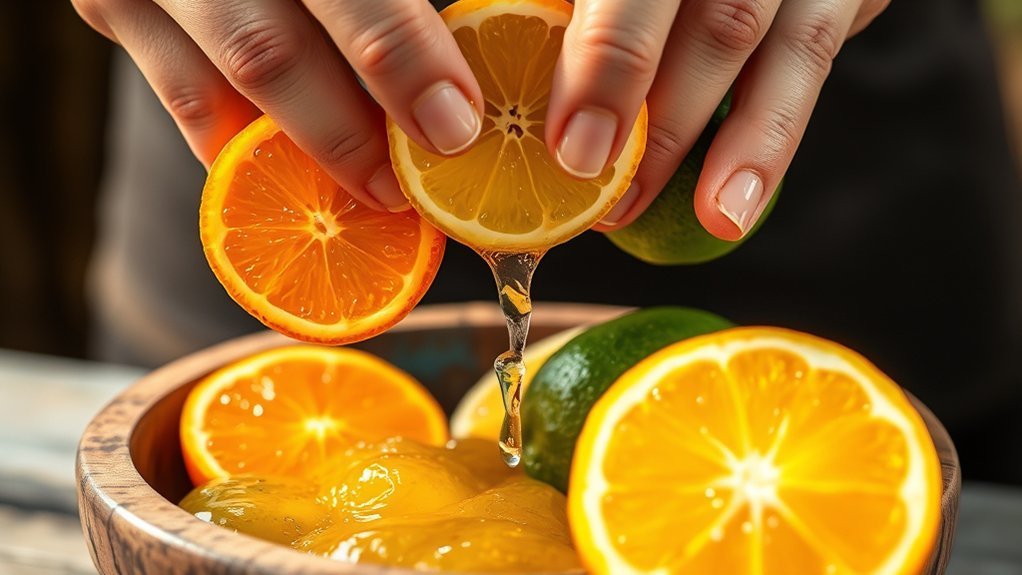
How to Juice Fruit Without a Juicer
It’s a coincidence that many people find themselves craving fresh juice just when their juicer breaks or they don’t own one. If you want to know how to juice fruit without a juicer, you can still extract nutritious, flavorful juice using simple tools you likely have at home.
By preparing your fruit correctly and using techniques like blending and straining, you’ll get surprisingly clear juice without specialized equipment. Before you start, it’s important to understand the best methods to make this process efficient and effective.
Key Takeaways
- Prepare fruit by washing, peeling, removing seeds, and cutting into uniform pieces for easier juice extraction by hand.
- Mash or blend fruits gently, then strain juice through a fine mesh sieve or cheesecloth to separate pulp.
- Use manual tools like a citrus reamer, mortar and pestle, or handheld press to extract juice from citrus and soft fruits.
- Apply gentle pressure when straining to maximize juice yield without forcing bitter pulp or seeds into the juice.
- Store juice in airtight glass containers, refrigerate promptly, and consume within 24 to 48 hours to maintain freshness.
How to Make Fresh Fruit Juice Without a Juicer
Wondering how to enjoy fresh fruit juice without investing in a juicer? You can easily make juice using simple household items. Start by selecting fruits from your seasonal fruit storage to ensure optimal freshness and nutritional value.
Wash and peel the fruits if needed, then chop them into small pieces. Use a blender or food processor to break down the fruit into a pulp. Next, strain the pulp through a fine mesh sieve or cheesecloth to extract the juice, pressing firmly to maximize yield.
For a refreshing twist, combine your fresh juice with caffeine-free blends like herbal teas, enhancing flavor without added stimulants. This method preserves the natural taste and nutrients, making it a practical and health-conscious way to enjoy fresh juice anytime.
Tools You Need to Juice Fruit at Home
You don’t need a fancy juicer to make fresh fruit juice at home, but having the right tools makes the process easier and more efficient. Essential kitchen items like a sharp knife, fine mesh strainer, and mixing bowl can substitute for traditional juicing equipment.
Preparing fruits properly by washing, peeling, and cutting them into manageable pieces ensures you extract the maximum juice with minimal effort.
Essential Kitchen Tools
Which tools do you really need to juice fruit at home without a juicer? Start with a sturdy handheld masticating tool, like a manual citrus press or a handheld reamer. These help extract juice efficiently by crushing fruit fibers, mimicking the slow, gentle action of electric masticating juicers.
You’ll also want a fine mesh strainer or cheesecloth to separate pulp and seeds, ensuring smooth juice. A sharp knife and cutting board are essential for prepping fruit quickly and safely.
Additionally, glass jars or bottles work well for collecting and storing juice, especially if you’re exploring fruit fermentation to enhance flavor and preserve nutrients. These basic tools cover juicing needs without investing in specialized equipment, giving you control and flexibility in your homemade juice preparation.
Alternative Juicing Equipment
Beyond basic tools like manual presses and strainers, several alternative juicing equipment options can enhance your home juicing experience without requiring an electric juicer. These tools rely on hand pressure and manual pressing techniques to extract juice effectively.
For instance, a citrus reamer allows direct manual pressing, while a mortar and pestle crushes fruit to release liquids. Even a fine mesh cloth can help strain juice after crushing. Choosing the right tool depends on the fruit type and desired juice yield.
| Equipment | Method | Best For |
|---|---|---|
| Citrus Reamer | Manual pressing | Citrus fruits |
| Mortar & Pestle | Crushing & pressing | Soft fruits |
| Fine Mesh Cloth | Straining juice | All fruit types |
| Handheld Press | Hand pressure | Apples, pears |
These tools maximize juice output through controlled hand pressure.
Preparing Fruits Properly
How you prepare your fruits considerably impacts the quality and yield of your juice. Start by washing fruits thoroughly to remove dirt and pesticides. Peel thick-skinned fruits like oranges or pineapples, as their rinds can add bitterness.
Remove seeds and cores, which may impart unwanted flavors or reduce juice clarity. Cut fruits into uniform pieces to ensure even extraction when using manual tools like blenders or strainers.
Thoughtful pairing flavors enhances taste; combine sweet fruits like apples with tart ones like lemons for balance. After juicing, store your juice properly. Use airtight containers and refrigerate promptly to slow oxidation and preserve nutrients.
Proper preparation not only maximizes juice yield but also supports better juice storage, ensuring a fresh and flavorful drink every time.
Preparing Fruits for Juicing by Hand
You’ll want to start by selecting ripe fruits, as they contain the highest juice content and best flavor. Always wash your fruits thoroughly to remove dirt and pesticides, then peel them if the skin is tough or bitter.
Proper preparation ensures you extract the most juice and maintain a clean, fresh taste.
Selecting Ripe Fruits
Why does choosing ripe fruits matter so much when preparing them for juicing by hand? Ripe fruit contains the highest sugar content and optimal juice volume, which directly impacts flavor and yield. Taste testing is an effective way to confirm ripeness. Ripe fruits should taste sweet and aromatic, not sour or bland.
To select ripe fruits, focus on these indicators:
- Color: Look for deep, vibrant hues typical of each fruit’s variety.
- Texture: Gently press; ripe fruits yield slightly under pressure without bruising.
- Aroma: Ripe fruit emits a strong, pleasant fragrance near the stem.
Selecting fruits based on these criteria ensures your hand-juiced fruit delivers maximum taste and nutrition without needing specialized equipment.
Washing And Peeling
Where should you begin once you’ve selected ripe fruits for juicing by hand? Start with thorough washing peels under cold running water to remove dirt, pesticides, and bacteria, which is essential for fruit safety.
Use a brush for firmer fruits to guarantee contaminants are eliminated. Peeling depends on the fruit type; some peels are edible and nutrient-rich, while others may impact juice flavor or safety.
| Fruit | Wash Method |
|---|---|
| Apples | Rinse + scrub |
| Oranges | Rinse thoroughly |
| Pineapples | Rinse + peel |
| Grapes | Rinse gently |
| Mangoes | Rinse + peel |
Proper washing peels and peeling practices maintain fruit safety, ensuring your juice is both clean and delicious.
Extracting Juice Without a Juicer Using a Blender or Food Processor
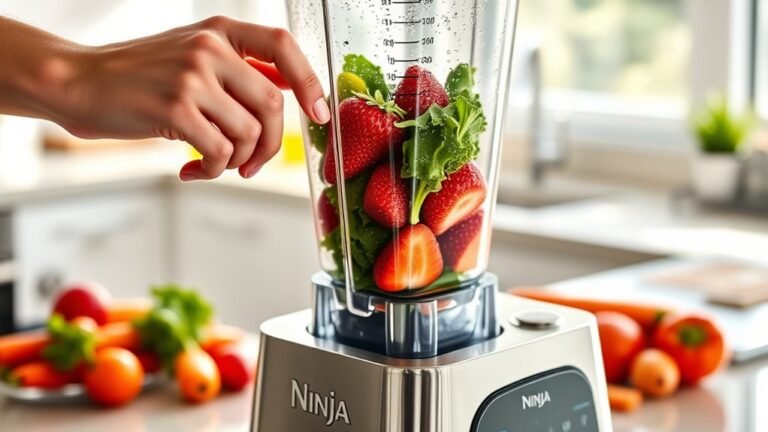
How can you efficiently extract juice without a dedicated juicer? Using a blender or food processor is a practical alternative that preserves flavor balance and ensures fruit safety. Start by thoroughly washing and peeling your fruit to remove contaminants. Then, follow these steps:
- Cut the fruit into small chunks for even blending.
- Pulse in short bursts to break down the fruit without overheating, which can alter flavor.
- Blend until smooth, ensuring the juice is fully extracted.
This method retains nutrients and flavor while minimizing oxidation. Remember, controlling blending time prevents heat buildup, preserving the fruit’s natural taste. Your next step will involve straining the pulp for a clearer juice.
Straining Fruit Pulp for Clear Juice
When you want crystal-clear juice, straining the pulp is essential. After blending, pour the mixture through a fine mesh strainer or cheesecloth to separate the juice from the pulp.
The peel thickness of the fruit matters; thicker peels often contain bitter compounds, so it’s best to minimize peel inclusion before blending. Also, ensure thorough seed removal, as seeds can add unwanted bitterness and interfere with the juicing process.
Gently pressing or squeezing the pulp helps extract maximum juice without forcing pulp through the strainer, which could cloud your juice. For finer clarity, repeat straining if necessary.
This method ensures your juice is smooth and free from fibrous bits, providing a better texture and taste without requiring a juicer.
Easy Ways to Juice Citrus Fruits
Citrus fruits often yield juice easily, making them ideal for juicing without specialized equipment. For cheap juicing, you can use simple citrus shortcuts to extract maximum juice quickly.
First, roll the fruit firmly on a countertop to loosen the juice inside. Second, cut the fruit in half and use a fork to twist and press the pulp, squeezing juice into a bowl.
Third, strain the juice through a fine mesh sieve to remove seeds and excess pulp. These methods require minimal tools and save money compared to buying a juicer.
How to Juice Soft Fruits Like Berries and Melons
While citrus fruits offer straightforward juicing methods, soft fruits like berries and melons present a different challenge due to their delicate textures and higher water content. To extract juice from a soft berry, start by mashing them thoroughly with a fork or potato masher to release the liquid. Then, strain the pulp using a fine mesh sieve or cheesecloth, pressing firmly to maximize juice yield.
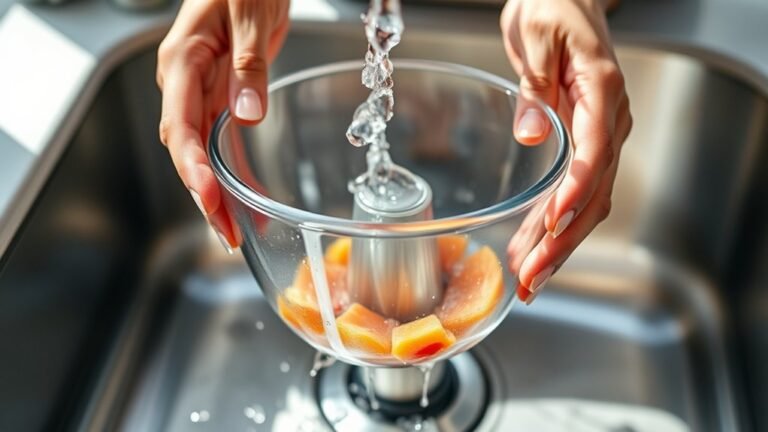
For melon juice, cut the fruit into cubes and blend until smooth. Next, pour the blended mixture through a fine strainer to separate the juice from the fibrous parts. These methods ensure you capture the natural sweetness and high water content of soft fruits without needing a juicer.
This approach preserves nutrients while providing fresh, flavorful melon juice and soft berry juice.
Tips for Smooth, Flavorful Juice Without a Juicer
Even if you don’t have a juicer, you can still achieve smooth, flavorful juice by focusing on proper preparation and straining techniques. Here are three essential tips to enhance your juice’s flavor profile and texture:
- Chop fruits finely: Smaller pieces release more juice, making extraction easier and resulting in a richer flavor.
- Use a fine mesh strainer or cheesecloth: This removes pulp and solids, giving you a smoother consistency without sacrificing nutrients.
- Press gently but firmly: Applying consistent pressure maximizes juice yield while preventing bitterness from over-extracted fibers.
Following these tips ensures your homemade juice is both smooth and vibrant, mimicking the quality you’d expect from a juicer. By controlling preparation and straining, you enhance the overall flavor profile effortlessly.
Storing and Using Your Homemade Juice
How long you store your homemade juice directly affects its freshness and nutritional value. To ensure storing safety, keep your juice in an airtight container, preferably glass, to minimize oxidation.
Store it in the refrigerator and consume within 24 to 48 hours to preserve vitamins and enzymes effectively. For color preservation, fill the container to the brim to reduce air exposure, which causes browning and nutrient loss.
Avoid leaving juice at room temperature for extended periods, as this promotes bacterial growth and degrades quality. When using your juice, shake it gently before drinking to redistribute settled pulp and nutrients.
Frequently Asked Questions
Can Juicing Fruit Without a Juicer Preserve All the Nutrients?
You won’t achieve perfect juicing efficiency without a juicer, so some nutrient loss occurs. However, by using fresh fruit and minimizing exposure to air, you can still preserve most nutrients effectively during manual juicing.
How Long Does Homemade Juice Typically Stay Fresh in the Fridge?
Your homemade juice’s freshness duration typically lasts 24 to 48 hours in the fridge. To maximize it, store juice in an airtight container, keep it cold, and avoid exposing it to light or air.
Are There Any Fruits That Are Difficult to Juice by Hand?
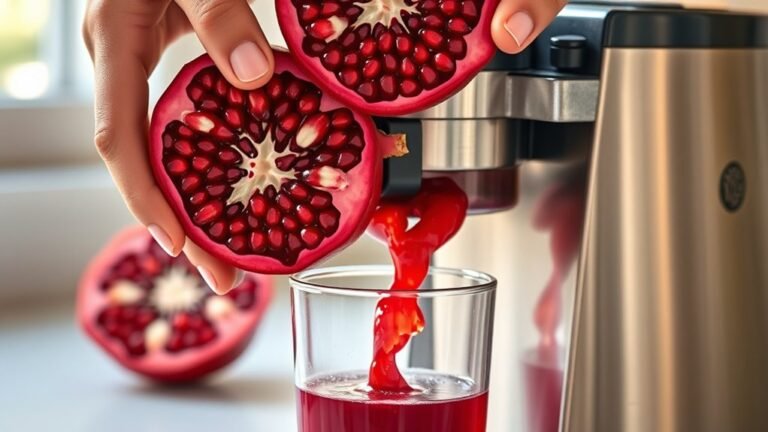
Yes, some fruits are difficult to press by hand, especially those that are seed rich like pomegranates or passion fruits. Their tough skins and numerous seeds make extracting juice challenging without specialized tools.
What Are the Health Benefits of Fresh Juice Versus Store-Bought?
Fresh juice is the golden ticket for your health, preserving flavor and nutrients lost in store-bought varieties. You get more vitamins and antioxidants, making the health comparison clear: fresh juice boosts your wellbeing much more effectively.
Can I Mix Different Fruits for Juicing Without Altering Taste?
You can mix different fruits for juicing without altering taste by experimenting with DIY flavor combos. Focus on texture balance. Pair juicy fruits with firmer ones to create a smooth, harmonious blend that enhances, not overwhelms, your juice.
Conclusion
Now that you know how to juice fruit without a juicer, you can enjoy fresh juice anytime. For example, Sarah, a busy mom, blends and strains oranges and berries each morning, saving time and money.
By prepping fruit properly and using simple tools like a blender and cheesecloth, you’ll extract flavorful, nutrient-rich juice easily. Just remember to store it in airtight containers and drink within 48 hours to keep it fresh and healthy.
With these easy steps, juicing fruit without a juicer becomes simple and convenient, allowing you to enjoy fresh juice whenever you want.