What to Do With Pulp From Juicer
Did you know that nearly 30% of the produce you juice ends up as pulp? When wondering what to do with pulp from juicer, don’t just toss it away. This fiber-rich byproduct can be transformed into nutritious additions for your meals or even natural garden enhancers.
From boosting your baked goods to creating homemade broths and eco-friendly compost, there are practical ways to minimize waste and maximize value. Let’s explore some effective methods to make the most of your juicer pulp.
Key Takeaways
- Add juicer pulp to baked goods or veggie patties to boost fiber and enhance flavor without altering taste significantly.
- Use pulp to make homemade vegetable broth by simmering with herbs for a nutritious, preservative-free base.
- Blend pulp into smoothies to increase fiber content and improve texture while reducing food waste.
- Dry and store pulp in airtight containers for later use or compost it to enrich garden soil sustainably.
- Feed pulp to backyard chickens or herbivorous pets, avoiding toxic ingredients, or dehydrate for long-lasting treats.
Use Juicer Pulp in Cooking
How can you make the most of your juicer pulp instead of tossing it? Pulp utilization is a smart way to reduce waste and boost your meals’ nutritional value. Instead of discarding the fibrous remains, incorporate them into cooking.
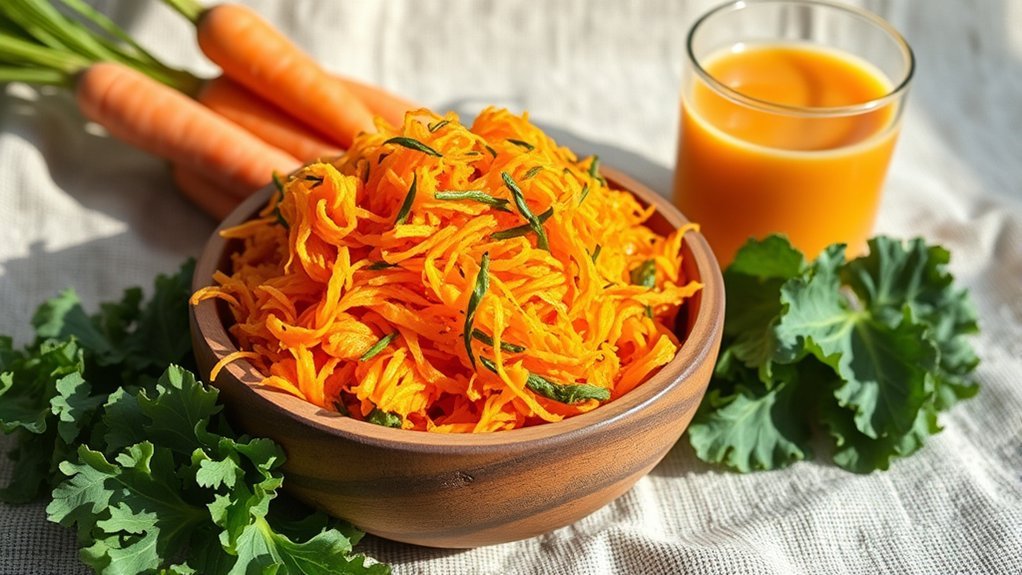
You can add fruit or vegetable pulp to baked goods like muffins, pancakes, or bread, enhancing fiber content without altering taste considerably. It works well in veggie burgers, meatballs, or soups to improve texture and nutrient density.
Using pulp in cooking not only minimizes food waste but also maximizes the benefits from your fresh produce. By adopting these practical steps, you contribute to waste reduction and make your juicing routine more sustainable and resourceful.
Make Homemade Vegetable Broth With Juicer Pulp
You can turn juicer pulp into a nutritious vegetable broth that adds flavor and nutrients to your meals while reducing waste.
Making broth at home allows you to control the ingredients, avoiding additives found in store-bought versions. Follow a simple step-by-step process to extract maximum flavor and nutrients from the pulp.
Benefits of Vegetable Broth
Why toss juicer pulp when you can transform it into nutrient-rich vegetable broth? Using leftover pulp maximizes pulp nutrition by extracting vitamins, minerals, and fiber that might otherwise go to waste. This practice supports a sustainable kitchen, reducing food waste while creating a versatile cooking base.
Vegetable broth made from juicer pulp enhances meals with natural flavors without added preservatives or sodium.
Benefits include:
- Boosting nutrient intake through concentrated pulp nutrition.
- Cutting down food waste, aligning with eco-friendly kitchen habits.
- Offering a customizable, cost-effective broth for soups, stews, and sauces.
Step-by-Step Broth Recipe
Maximizing the value of juicer pulp starts with a simple yet effective broth recipe that captures its nutrients and flavors. First, focus on pulp preservation by storing your juicer pulp in an airtight container in the fridge for up to 3 days or freeze it for longer use.
When ready, sauté your pulp with onions and garlic to enhance flavor pairing. Add water, herbs like thyme and bay leaves, and a pinch of salt. Simmer for 45 minutes to extract maximum nutrients.
Strain the mixture, and you’ll have a rich, homemade vegetable broth perfect for soups or stews. This method ensures you reduce waste while creating a nutrient-dense base, making the most out of every bit of your juicer pulp.
Add Juicer Pulp to Baking for Fiber and Flavor
You can easily boost the fiber and nutrients in your baked goods by adding juicer pulp to your recipes. It also improves texture and moisture, making breads, muffins, and cookies more enjoyable.
Try incorporating pulp into your favorite baking to enhance both flavor and health benefits.
Boost Nutrients in Baked Goods
How can you enhance the nutritional value of your baked goods without altering their taste or texture? Utilizing juicer pulp is a smart way to tap into juicer waste potential, transforming what’s often discarded into a nutrient-rich ingredient.
Adding pulp to your recipes boosts fiber and micronutrients, enriching your food naturally. If you’re looking for pulp alternatives, consider these practical approaches:
- Substitute a portion of flour with juicer pulp in muffins, breads, or pancakes to increase fiber content.
- Incorporate pulp from various fruits and vegetables for subtle flavor enhancements and added antioxidants.
- Use dry or fresh pulp depending on your recipe’s moisture needs, ensuring balanced texture and nutrition.
These evidence-based methods make your baked goods healthier while minimizing food waste effectively.
Enhance Texture and Moisture
Why settle for dry, dense baked goods when juicer pulp can naturally enhance both texture and moisture? Adding juicer pulp to your recipes offers proven texture enhancement by increasing fiber content, which creates a tender crumb and pleasant chewiness.
Its high water-holding capacity supports moisture retention, preventing baked goods from drying out quickly. Studies show that incorporating pulp, especially from fruits and vegetables, improves softness and extends shelf life without compromising flavor.
To use it effectively, substitute part of the flour or add a small percentage of pulp to batters and doughs. This not only boosts fiber but also contributes natural sweetness and subtle flavors.
Incorporate Pulp in Recipes
Where can juicer pulp make the biggest impact in your kitchen? Incorporating pulp from creative juicing into your baking is a practical way to boost fiber and flavor.
Different pulp varieties, like carrot, apple, or beet, add unique textures and nutrients to your recipes. You can easily enhance everyday baked goods by mixing pulp into the batter. Try these ideas to get started:
- Add pulp to muffins or quick breads for moisture and fiber.
- Stir pulp into pancake or waffle batter to increase nutritional value.
- Mix pulp into cookie dough for subtle flavor and extra texture.
Using juicer pulp this way reduces waste and enriches your meals, making your baking both sustainable and wholesome.
Blend Juicer Pulp Into Smoothies for a Nutrient Boost
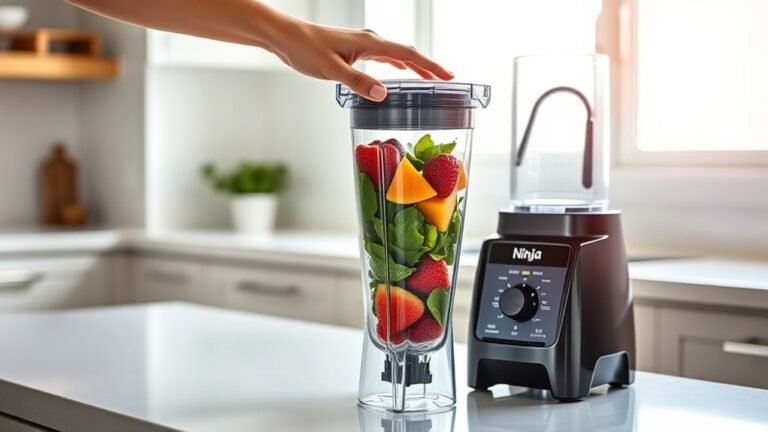
Looking to maximize the nutritional value of your juicer pulp? Blending juicer pulp into smoothies is a simple, effective way to do just that. Juicer pulp retains valuable fiber, vitamins, and minerals that often get discarded.
By adding it to your blend smoothies routine, you boost pulp nutrition without altering taste significantly. Studies show dietary fiber improves digestion and helps regulate blood sugar.
Incorporating pulp also enhances smoothie texture, making them more filling and satisfying. To use pulp in smoothies, simply add a handful along with your fruits, vegetables, and liquid base.
Blend until smooth for a nutrient-dense drink that supports overall health. This practical step reduces waste and elevates the nutritional profile of your daily smoothie effortlessly.
Make Veggie Patties With Juicer Pulp
You can transform juicer pulp into tasty veggie patties by selecting complementary vegetables that suit your flavor preferences. Use binding agents like eggs or flaxseed and add spices to enhance the taste while ensuring the patties hold together well.
Cooking them in a lightly oiled pan or baking offers simple, effective methods to achieve a satisfying texture.
Choosing Vegetables For Patties
How do you select the best vegetables for making patties with juicer pulp? Choosing vegetables wisely impacts your patties’ texture and flavor. Opt for vegetables that complement the pulp’s moisture level and provide balance to the final product. Consider these factors:
- Moisture content: Use low-moisture veggies like carrots or zucchini to avoid soggy patties.
- Firmness: Choose firmer vegetables such as bell peppers or broccoli stems for added structure.
- Flavor profile: Pick vegetables that enhance or contrast the pulp’s taste without overpowering it.
Binding Ingredients And Spices
Why do binding ingredients and spices play a pivotal role in making veggie patties with juicer pulp? Juicer pulp tends to be loose and crumbly, so you need effective binding ideas to hold your patties together during cooking. Common binders like flaxseed meal, breadcrumbs, or mashed beans add structure without overpowering flavor.
Meanwhile, spice pairings enhance the otherwise mild pulp, boosting taste and aroma. Combining cumin with coriander offers earthiness, while smoked paprika adds warmth and depth. Garlic and onion powder are reliable basics that complement most veggies.
When you balance binding agents and spices thoughtfully, you create patties that are both sturdy and flavorful. This strategy ensures your veggie patties maintain texture and deliver satisfying taste with every bite.
Cooking Methods And Tips
When cooking veggie patties made from juicer pulp, which methods deliver the best texture and flavor? Baking, pan-frying, and air frying all work well, but each offers distinct benefits.
Baking provides even cooking and a firmer texture without excess oil. Pan-frying adds a crispy crust and richer flavor but uses more fat. Air frying combines crispiness with lower oil use, making it a healthier choice.
Try these tips to optimize your patties:
- Press out excess moisture from pulp to prevent sogginess.
- Use a binding agent like flaxseed or breadcrumbs to improve structure.
- Season well to enhance flavor, since pulp alone can be mild.
Dry and Store Juicer Pulp for Later Use
Where can you keep juicer pulp to maximize its shelf life and nutritional value? Proper pulp storage is key to waste reduction and maintaining nutrients.
Dry the pulp using a dehydrator or oven at low heat, then store it in airtight containers or freezer bags. This method prevents spoilage and lets you use the pulp later in recipes or smoothies.
| Benefit | Method | Result |
|---|---|---|
| Extended Use | Dehydration | Longer shelf life |
| Nutrient Retention | Airtight Storage | Preserved quality |
| Waste Reduction | Freezing | Less food waste |
| Convenience | Portioning | Easy recipe prep |
| Cost Savings | Reuse | Saves money |
Compost Juicer Pulp to Enrich Garden Soil
If you don’t plan to reuse your juicer pulp in the kitchen, composting offers a practical way to put it to good use. Composting benefits both your garden and the environment by recycling organic waste into nutrient-rich compost that enhances soil fertility.
Juicer pulp, rich in fiber and nutrients, breaks down quickly, accelerating the composting process and improving soil enrichment.
To compost juicer pulp effectively, you should:
- Mix it with dry materials like leaves or shredded paper to balance moisture and carbon.
- Turn the compost regularly to promote aeration and faster decomposition.
- Avoid adding large amounts of citrus pulp, as it can increase acidity.
Use Juicer Pulp as Natural Mulch to Retain Moisture
How can you make the most of your juicer pulp beyond composting? One effective way is to use it as natural mulch around your plants. Juicer pulp helps improve moisture retention by reducing evaporation from the soil surface, which is crucial during dry spells.
Spread a thin layer of pulp around your garden beds to create a protective barrier that conserves water and suppresses weeds.
| Benefit | Description | Tip |
|---|---|---|
| Moisture Retention | Reduces soil evaporation | Apply 1-2 inch layer |
| Soil Nutrition | Slowly releases nutrients | Mix pulp with existing mulch |
| Weed Suppression | Limits weed growth by blocking light | Refresh layer monthly |
Using juicer pulp as natural mulch is a sustainable, practical way to enhance your garden’s health.
Feed Juicer Pulp to Backyard Chickens or Herbivorous Pets
Why let juicer pulp go to waste when you can turn it into nutritious treats for your backyard chickens or herbivorous pets? Juicer pulp is rich in fiber, vitamins, and minerals, making it a healthy addition to their diets.
Don’t waste juicer pulp—transform it into nutritious, fiber-rich treats for chickens and herbivorous pets.
You can safely feed most vegetable and fruit pulp, but avoid toxic items like onion or avocado pulp. To get started:
- Mix pulp with their regular feed to improve digestion and nutrient intake.
- Dehydrate pulp to create long-lasting, crunchy treats that stimulate chewing.
- Use pulp as a base for homemade pet snacks, combining it with safe grains or seeds.
Feeding pulp reduces waste and supports the health of your backyard chickens and herbivorous pets by providing natural, nutrient-dense food alternatives.
Reduce Waste When Juicing Regularly
Feeding juicer pulp to chickens or pets is a smart way to reuse leftovers, but when you juice regularly, managing the volume of pulp becomes important to minimize waste. Proper pulp storage is essential. You can pack the pulp into airtight containers or freezer bags and freeze it in portions.
This prevents spoilage and lets you accumulate enough pulp for recipes like soups or baked goods, enhancing waste reduction. Additionally, rotate your pulp stock to use older batches first, reducing the chance of discard due to mold. Planning your juicing schedule around recipes that incorporate pulp also helps.
Frequently Asked Questions
How Long Does Juicer Pulp Stay Fresh in the Fridge?
You’ll find pulp stays fresh in the fridge for about 3 to 5 days. For prime pulp storage, keep it in an airtight container to prevent moisture loss and bacterial growth, ensuring it remains usable and safe.
Can Juicer Pulp Be Frozen for Future Use?
Think of freezing as a time capsule for your juicer pulp. You can freeze it using airtight containers, but remember allergy considerations and label contents clearly.
Proper freezing techniques preserve nutrients, letting you enjoy pulp’s benefits anytime without waste.
Is Juicer Pulp Safe to Eat Raw?
Yes, juicer pulp is generally safe for raw consumption if you handle it properly. Ensure storage safety by refrigerating promptly.
Watch for pulp allergies, especially if you’re sensitive to certain fruits or vegetables before eating raw pulp.
Which Fruits and Vegetables Produce the Most Pulp?
When you embrace a fruit variety like carrots, apples, or beets, you’ll notice a richer pulp texture. These yield more pulp, boosting nutrition impact.
For storage tips, keep pulp refrigerated and use quickly to preserve freshness.
Can Juicer Pulp Cause Allergies or Digestive Issues?
Yes, juicer pulp can trigger pulp allergy symptoms or digestion concerns if you’re sensitive to certain fibers or fruit proteins. Start with small amounts, observe your body’s response, and consult a healthcare professional if symptoms persist.
Conclusion
Don’t toss that juicer pulp—up to 30% of the fruit or veggie’s fiber stays in it! You can easily boost your meals by adding pulp to baking, smoothies, or veggie patties.
Making broth or composting pulp also reduces waste and enriches your garden. By reusing pulp, you not only maximize nutrition but cut down food waste.
This makes juicing both healthier and more sustainable. Give these practical tips a try and see the difference when you learn what to do with pulp from juicer!