Top 10 Best Grinder For Sesame Seeds: Must-See Picks
The best grinder for sesame seeds can make a major difference in texture, flavor, and consistency. For sesame seed grinding, small changes in motor speed, blade design, and material quality can affect everything from paste smoothness to heat control. A sesame seed grinder must handle oily kernels without clogging, while a spice grinder or seed mill should deliver fine results without sacrificing durability.
Factors like stainless steel construction, precision grinding, and ease of cleaning also matter when sesame tahini, seasoning blends, or fresh nut pastes are on the menu. The best grinder for sesame seeds is not just about power—it is about how well the machine manages dense ingredients and preserves quality.
The details behind that performance are where the real differences begin, and they are worth examining closely.

In-depth Reviews of the Best Grinder for Sesame Seeds
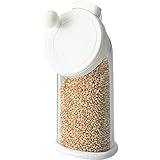
1. 1 X New Asvell Plastic Sesame Grinder Made In Japan,
- The Package length of the product is 4.9999999949 inches
- The Package width of the product is 2.399999997552 inches
- The Package Height of the product is 2.099999997858 inches
Best for: Small countertop manual grinder.
At 2.44 inches wide and 5.04 inches tall, ASVEL’s BPA-free plastic sesame grinder takes very little space while staying easy to keep on hand for daily seasoning. Its manual turn style gives you direct control over how much sesame lands on vegetables, rice bowls, or noodles without needing batteries or a cord.
The one-piece design keeps the footprint simple, and the 2.88-ounce weight makes it easy to move from shelf to table. Made in Japan, it uses BPA-free plastic with a white finish, which suits kitchen storage and tabletop use. The 1-count package is practical for a single cook or a small household that wants a dedicated sesame tool. Because it is manual, the grinder works anywhere in the kitchen and is easy to bring out only when needed. Its slim 2.44-inch width also helps it fit into narrow cabinet spaces, so it does not crowd other tools.
Pros
- BPA-free plastic body keeps the grinder lightweight at 2.88 ounces
- Manual operation gives direct control over sesame dispensing
- Compact 2.44-inch width fits narrow drawers and cabinets
- Made in Japan for a dedicated sesame grinding tool
Cons
- Plastic construction has less weight than glass or ceramic mills, so it feels less substantial on the table.
This is a sensible pick for someone who wants a compact sesame grinder for everyday use without extra bulk. It works best as a simple countertop or table seasoning tool for one household.
| Specification | Details |
|---|---|
| Material | BPA-FREE PLASTIC |
| Color | White |
| Product Dimensions | 2.44″W x 5.04″H |
| Item Weight | 2.88 ounces |
| Operation Mode | Manual |
| Recommended Uses For Product | Kitchen |
| Number of Items | 1 |
| Unit Count | 1 Count |
I’d point this to someone who wants a very simple sesame grinder with minimal counter presence. The size is easy to store, and the manual action keeps it straightforward for seasoning small portions. If you mainly want sesame for topping rice, salads, or noodle bowls, this is the kind of no-fuss grinder that makes sense.
2. Kotobuki Goma Slicky Sesame Seed Grinder

- Made in Japan
- Easy to use
- Durable construction
Best for: Simple rotating grinder for daily sesame.
A 2 x 2.25 x 4.5-inch body keeps Kotobuki’s Goma Slicky small enough for an easy grab-and-grind routine at the table. The fill-from-the-bottom setup and rotating handle let you dispense sesame seeds in a controlled way, which is useful when you want fresh ground sesame over vegetables, soups, or pasta.
This grinder is made in Japan and measures 2 inches by 2.25 inches by 4.5 inches, so it stays compact in a drawer or pantry. Its 2.39-ounce weight keeps it easy to lift, refill, and pass around the table. The bottom-unscrew fill method is practical for everyday use because you can load sesame without a complicated lid system. The turn-handle dispensing style is also useful for portioning seasoning gradually, rather than dumping too much at once. Because the product is made for sesame and other small seeds, it fits cooks who want one manual grinder for a few seasoning jobs, not a large multipurpose machine.
Pros
- Compact 2 x 2.25 x 4.5-inch size stores easily
- 2.39-ounce weight makes it easy to handle
- Bottom-unscrew fill system simplifies refilling sesame seeds
- Rotating handle dispenses ground sesame gradually
Cons
- The small 2 x 2.25 x 4.5-inch size means you will refill more often if you use sesame heavily.
This is a practical choice for anyone who wants a compact sesame grinder with straightforward filling and dispensing. It suits light to moderate kitchen use where table control matters more than capacity.
| Specification | Details |
|---|---|
| Product Dimensions | 2 x 2.25 x 4.5 inches |
| Item Weight | 2.39 ounces |
| Manufacturer | Kotobuki |
I like this for people who want a very compact sesame grinder that stays simple at the table. The bottom-fill design is convenient, and the handle gives you a predictable way to dispense seasoning. If you use sesame in small amounts across salads, soups, or noodle bowls, this is an easy everyday option.
3. Zojirushi Sesame Grinder CB-BA10-WA (White)【Japan Domestic Genuine Products】【Ships from Japan】
Best for: Adjustable electric sesame grinder.
Zojirushi’s stainless steel body and battery-powered operation make this grinder a strong fit when you want sesame ready with minimal effort. The three power levels give you a real control advantage, letting you decide how finely the seeds are ground for toppings, seasoning, or lighter sprinkling.
This model uses stainless steel construction and comes in a compact white form that stores neatly on the counter. At 0.22 kg, it stays light enough to lift and clean without much effort. The jar detaches from the bottom, which helps with washing and with compact storage after use. A pouring-and-sprinkling lid adds day-to-day convenience because you can move from grinding to serving in the same container. The included cleaning brush is useful for clearing sesame residue from tight areas, and the three power settings make the grinder more adaptable than a fixed-output manual mill. It is especially appealing if you want quick sesame grinding with adjustable texture.
Pros
- Three power levels give adjustable grind control
- Battery-powered operation reduces hand effort
- Detachable jar makes cleaning and storage easier
- Pouring-and-sprinkling lid improves tabletop use
Cons
- Battery-powered operation depends on power supply, so it is less self-contained than a manual grinder when batteries are unavailable.
This grinder fits buyers who want adjustable texture and a cleaner, more convenient sesame routine. It is a smart match for frequent use where consistency and easy cleanup matter.
| Specification | Details |
|---|---|
| Color | White |
| Brand | Zojirushi |
| Material | Stainless Steel |
| Style | compact |
| Item Weight | 0.22 kg |
I’d recommend this to anyone who wants sesame ground with less effort and more control over texture. The three levels are the main reason to choose it, especially if you switch between finer and coarser seasoning. It feels most useful for cooks who want a tidy, easy-to-clean grinder that can stay on the counter.
4. Durable Sesame Mill, Glass Sesame Seed Grinder – Made in

- Solid glass with easy to fill screw on top
- Just remove the lid, turn upside down and grind. (Turn the container clockwise.)
- It has excellent chemical resistance to most organic and inorganic chemicals except strong acids, and has excellent long-term...
Best for: Compact glass mill for small batches.
A glass-and-polyacetal body gives this sesame mill a sturdy kitchen presence in a very small 1.8-inch-wide profile. Its about 1-ounce sesame capacity makes it well suited to fresh, small-batch grinding when you want a little at a time for topping dishes.
The mill measures 4.3 inches tall and 1.8 inches across, so it stays compact on crowded counters. With a capacity of about 1 ounce of sesame seeds, it is aimed at small batches rather than bulk storage. The 4.16-ounce weight keeps it portable without feeling flimsy in the hand. Its manual operation means you can use it anywhere without relying on power. The glass construction is helpful for visibility and general kitchen use, while the polyacetal parts support the grinding mechanism. Temperature resistance from 23℉ to 212℉ adds a useful range for normal kitchen handling. If you want a small, direct sesame grinder for occasional seasoning, the size is a real advantage.
Pros
- Glass body lets you see the sesame level inside
- About 1-ounce capacity suits fresh small batches
- 4.3-inch height stores neatly in tight spaces
- Manual operation works anywhere without power
Cons
- The about 1-ounce capacity is small, so frequent users will need to refill often.
This mill makes sense for someone who wants a compact sesame grinder for small servings and easy storage. It is a good fit for occasional seasoning at the table rather than heavy grinding volume.
| Specification | Details |
|---|---|
| Material | Polyacetal, Glass |
| Color | Black |
| Product Dimensions | 1.8″W x 4.3″H |
| Item Weight | 0.12 kg |
| Operation Mode | Manual |
| Recommended Uses For Product | Kitchen |
| Capacity | 1 ounces |
| Unit Count | 1 Count |
I would choose this if I wanted a tiny sesame grinder that is easy to store and simple to use for small meals. The one-ounce capacity is the key limitation, but it also keeps the mill compact. It suits people who season lightly and prefer a visible glass container on the table.
5. Kyocera CM-15N-YL Mill, 3.4 fl oz (90 ml), Ceramic, Sesame

- Ceramic Mortarity: The ceramic blade is rust-free and cleaner. It does not release any gold flavor. Make your food fresh
- [Coarseness Adjustment Function] You can grind it to your desired coarseness by turning the knob
- Compatible ingredients: For sesame sesame only. Will not rub off spices such as crystal salt, pepper, and pepper Buy Kyocera...
Best for: Ceramic sesame mill with coarse control.
Kyocera’s ceramic porcelain blade and 3.4-fluid-ounce capacity make this sesame mill a strong option for steady tabletop seasoning. The coarseness adjustment knob lets you decide how fine the sesame comes out, which helps when you want a specific texture for bowls, salads, or garnishes.
This mill pairs a ceramic porcelain blade with a glass container and heat-resistant ABS resin body, creating a setup that is meant for sesame-only use. The 3.4-fluid-ounce capacity gives it more room than very small mills, so you can refill less often during regular meal prep. Its 2.01-inch width and 5.39-inch height keep it narrow enough for easy storage while still holding a practical amount. The dishwasher-safe note is useful for cleanup routines, and the rust-free ceramic blade avoids metal corrosion concerns. Because it is made for sesame only, it is a better fit for people who want one dedicated grinder rather than a multipurpose spice mill.
Pros
- Ceramic porcelain blade stays rust-free
- 3.4-fluid-ounce capacity reduces refill frequency
- Coarseness adjustment knob adds grind control
- Dishwasher-safe parts simplify cleanup
Cons
- It is limited to sesame only, so it will not handle other spices or mixed seasoning blends.
This is a smart pick for someone who wants a dedicated sesame grinder with adjustable texture and easier cleanup. It is especially useful for regular sesame use where consistency matters.
| Specification | Details |
|---|---|
| Material | Ceramic Porcelain |
| Color | Yellow |
| Product Dimensions | 2.01″W x 5.39″H |
| Item Weight | 0.19 kg |
| Operation Mode | Manual |
| Recommended Uses For Product | Kitchen |
| Number of Items | 1 |
| Unit Count | 1 Count |
My take is that this suits cooks who want a sesame-only grinder with a more refined grind adjustment than a basic mill. The ceramic blade is the main draw if you want a cleaner grinding surface and a dedicated tool. I’d pick it for regular home use where sesame is part of daily seasoning, not just an occasional garnish.
6. Helen’s Asian Kitchen Classic Suribachi Set, Japanese Ceramic Mortar Bowl

- Helen's Asian Kitchen Classic Suribachi Set: Traditional Japanese suribachi and surikogi set quickly grinds ingredients into fine...
- Materials And Size: Made in Japan from durable ceramic earthenware with a rich brown glazed exterior and natural wooden pestle...
- Authentic Japanese Design: Unglazed interior kushinome ridges prevent ingredients from slipping while grinding for faster, more...

Best for: Traditional mortar for pastes and sesame.
Helen’s Asian Kitchen suribachi set uses ceramic earthenware and a natural wooden pestle, which makes it useful when sesame needs to become more than a dry topping. The 5.5-by-5.5-inch bowl gives you a stable mixing area for grinding seeds into fine powders, pastes, dressings, or seasoning blends.
The mortar measures 5.5 x 5.5 x 2.25 inches, giving enough room for controlled hand grinding while staying manageable on the counter. The pestle is 4.75 inches long and 1.125 inches wide, which provides a comfortable size for repeated motion. Made in Japan from ceramic earthenware with a glazed exterior and unglazed interior, it gives you a traditional grinding surface that helps break sesame seeds effectively. Because the set includes both bowl and pestle, it is more versatile than a seed-only mill and can handle sesame paste, spice rubs, and sauces. It is a good match for cooks who want manual control and a classic Japanese preparation method.
Pros
- 5.5 x 5.5-inch mortar gives a stable grinding area
- Unglazed interior supports hand-grinding texture
- Natural wooden pestle is included in the set
- Ceramic earthenware works for sesame paste and blends
Cons
- It requires hand grinding with a bowl and pestle, so it takes more effort than a turn-style mill.
This set fits buyers who want sesame ground by hand into paste or seasoning blends. It is ideal when you value texture control and a traditional Japanese tool over speed.
| Specification | Details |
|---|---|
| Material | Earthenware, Wood |
| Brand | Helen’s Asian Kitchen |
| Color | One Color |
| Finish Type | Glazed, Unglazed |
| Item dimensions L x W x H | 5.5 x 5.5 x 2.25 inches |
I’d recommend this to someone who wants a traditional sesame grinding setup rather than a pocket-size mill. The bowl-and-pestle format gives you more control over texture, especially if you make sesame paste or seasoning blends. It’s the better choice when the goal is preparation technique as much as the seasoning itself.
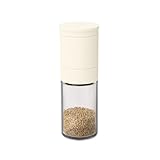
7. Adjustable Grind Sesame Mill with Ceramic Blades – Made in
- Compact Size with Lightweight Design: Measuring 1.77 x 1.77 x 4.72 inches and weighing only 0.291 pounds, this sesame grinder is...
- Convenient 70-milliliter Capacity Container: Built with a transparent 70-milliliter container that offers ample space for sesame...
- Made in Tsubame-Sanjo, Japan: Crafted in the renowned manufacturing hub of Tsubame-Sanjo, this sesame mill reflects meticulous...
Best for: Lightweight compact ceramic mill.
Measuring 1.77 inches wide and 4.72 inches tall, this IPPINKA sesame mill keeps a very small footprint while still using a ceramic blade and glass body. The transparent 70-milliliter container helps you see the sesame level before and during use, which makes refilling and portion control easier.
The grinder’s 1.77 x 1.77 x 4.72-inch dimensions make it easy to store in drawers and cabinets. At 4.64 ounces, it stays light enough for one-handed handling without feeling oversized. Its 70-milliliter capacity is practical for everyday kitchen seasoning, and the clear container lets you monitor how much sesame remains. The ceramic blade, glass body, and plastic lid give it a mixed-material design that keeps the grinder compact while still functional. Made in Tsubame-Sanjo, Japan, it is aimed at people who want a small manual grinder with clean visibility and easy handling. The beige color keeps it visually quiet on the counter.
Pros
- 70-milliliter container offers practical everyday capacity
- Transparent body shows sesame level at a glance
- Ceramic blade handles sesame grinding cleanly
- 4.64-ounce weight keeps it easy to handle
Cons
- The small 1.77-inch width means it is not meant for large-batch grinding.
This grinder works well for buyers who want a small, visible sesame mill for regular kitchen use. It is a good fit when storage space is tight and everyday convenience matters most.
| Specification | Details |
|---|---|
| Material | Ceramic (Blade), Glass (Body), Plastic (Lid) |
| Color | Beige |
| Product Dimensions | 1.77″W x 4.72″H |
| Brand | IPPINKA |
| Item Weight | 4.64 ounces |
| Operation Mode | Manual |
| Recommended Uses For Product | Kitchen |
| Capacity | 70 ml |
I’d place this near the top for someone who wants a compact sesame grinder that is still easy to monitor. The clear 70-milliliter container is genuinely useful when you want to avoid overfilling. It feels like a good everyday pick for households that season sesame often but don’t need a large mill.
8. AdHoc Seedo Linseed & Sesame Mill, Acacia Wood Seed &

- WEAR FREE GRINDER - Ideal for grinding flaxseed, sesame, millet, quinoa and other oily seeds - for a healthy diet with valuable...
- PolyCut Precision Grinder: Provides the perfect grind and optimally releases nutrients to maximise the aroma of your superfoods.
- USER FRIENDLY CAP SYSTEM Effortless filling by simply peeling off the mill top - quick and convenient for everyday use.
Best for: Seed mill for flax and sesame.
AdHoc’s 2.6-inch diameter and 4.09-inch height keep this mill compact while still leaving room for oily seeds like sesame, flaxseed, millet, and quinoa. The PolyCut grinder is the key feature here, since it is meant to handle seeds that can clog ordinary spice mills.
The grinder measures 2.6 inches across and 4.09 inches high, so it stores easily and stays stable in hand. Its manual operation keeps it simple for table use, and the CAP system makes refilling quick by peeling off the top. The item highlight specifically calls out use with flaxseed, quinoa, and other oily seeds, which makes it broader than a sesame-only mill. The dishwasher-safe note adds convenience for cleaning after sticky or oily grinding. Made from plastic, it keeps the body light and practical for everyday seasoning. If you want one grinder for several seed types, this is a flexible choice that still stays compact.
Pros
- PolyCut grinder is suited to oily seeds like sesame
- CAP system makes refilling quick and simple
- Dishwasher-safe design helps cleanup
- Compact 2.6-inch diameter saves counter space
Cons
- The plastic body is less substantial than glass or ceramic grinders if you prefer heavier materials.
This mill is a good fit for shoppers who want sesame plus other oily seeds in one compact tool. It works best for flexible everyday seasoning rather than a dedicated decorative grinder.
| Specification | Details |
|---|---|
| Material | Plastic |
| Color | Brown |
| Product Dimensions | 2.6″W x 4.09″H |
| Brand | AdHoc |
| Operation Mode | Manual |
| Recommended Uses For Product | Grinding various seeds and grains for seasoning purposes |
| Number of Items | 1 |
| Unit Count | 1 Count |
I’d choose this if I wanted one grinder that can handle sesame and other oily seeds without fuss. The CAP refill system is useful, and the compact shape makes it easy to keep nearby. It’s a sensible buy for people who want flexibility more than a sesame-only tool.
9. Suriusu Handheld Sesame Grinder – Multifunctional Mino Ware Ceramic Mortar

- Introducing "Suriusu," a handy mortar that easily grinds food into powder right in the palm of your hand. Enjoy the sensation of...
- "Suriusu" is crafted from Mino ware ceramics. The ground ingredients can directly be mixed with soy sauce or sauce in the mortar...
- Depending on how much force you apply, you can achieve a texture that's neither too fine nor too coarse. Grind to your preferred...
Best for: Palm-size ceramic mortar for sauces.
Suriusu’s 3.7 x 3.7 x 1.4-inch ceramic form makes it the most hand-held option in this group, and that changes how you use sesame. The shallow mortar lets you crush ingredients right in your palm, then mix the ground sesame with soy sauce or another condiment in the same bowl.
This handheld mortar is made from Mino ware ceramic and has an unfinished finish, giving it a traditional, tactile feel for manual grinding. The 3.7 x 3.7 x 1.4-inch size keeps it very compact, so it is easy to hold and use at the table. Because it works in the palm of your hand, the grinder gives you direct control over texture, letting you stop when sesame is somewhere between fine and coarse. The lid includes three different features, which adds some flexibility to how you use and store it. Its small footprint is ideal for quick seasoning tasks, especially when you want sesame to become part of a sauce or condiment rather than a separate topping.
Pros
- 3.7-inch square size fits comfortably in hand
- Ceramic material supports direct manual grinding
- Shallow bowl lets you mix sesame with sauce immediately
- Lid with three features adds flexibility
Cons
- The very small 1.4-inch height limits how much sesame you can grind at one time.
This is a strong choice for someone who wants a hand-held sesame mortar for quick condiment prep. It suits small servings, texture control, and table-side mixing better than bulk grinding.
| Specification | Details |
|---|---|
| Material | Ceramic |
| Brand | COTONOHA |
| Color | Brown |
| Finish Type | Unfinished |
| Item dimensions L x W x H | 3.7 x 3.7 x 1.4 inches |
I’d recommend this to cooks who like the tactile side of grinding sesame by hand. The tiny footprint makes it feel personal and quick to use, especially when you want to mix the ground sesame into sauce right away. It is best for small portions and table-side prep rather than larger batches.
10. HIC Kitchen Adjustable Spice Grinder with Ceramic Mechanism
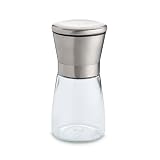
- HIC Kitchen’s Adjustable Spice Grinder with ceramic mechanism crushes and grinds flaxseed and all types of spices
- Made from glass, ceramic grinding mechanism, 18/8 stainless steel, and BPA-free plastic; won’t react with contents; will never...
- Adjustable grind from coarse to ultra-fine; unique design grinds upside down and stores contents right-side up; lid keeps contents...
Best for: Adjustable ceramic spice grinder.
HIC Kitchen pairs a ceramic grinding mechanism with glass, stainless steel, and BPA-free plastic, giving this mill a sturdy mixed-material design for sesame and other spices. The adjustable grind range from coarse to ultra-fine makes it useful when you want sesame sized for finishing, sprinkling, or a finer seasoning blend.
This grinder measures 2.5 inches wide and 5.3 inches high, keeping it slim enough for shelf storage while still easy to grip. At 6.88 ounces, it has enough weight to feel stable in the hand without becoming cumbersome. The ceramic mechanism is paired with glass and 18/8 stainless steel, and the BPA-free plastic parts keep the construction practical for kitchen use. Its upside-down grinding style and right-side-up storage setup help keep contents at the ready while the lid helps protect what is inside. Because it is meant for flaxseed, sesame seeds, coarse salt, peppercorns, and dried spices, it works as a flexible grinder for households that use multiple seasonings.
Pros
- Adjustable grind goes from coarse to ultra-fine
- Ceramic mechanism will not dull or rust
- Upside-down grinding keeps contents ready to use
- Glass and stainless steel construction supports multi-spice use
Cons
- Its multi-spice design is broader than a sesame-only mill, so it is less specialized for dedicated sesame grinding.
This is a good option for buyers who want one adjustable grinder for sesame and other spices. It is especially useful if you want the flexibility to change grind texture from meal to meal.
| Specification | Details |
|---|---|
| Material | Ceramic, Glass, Stainless Steel |
| Color | Glass |
| Product Dimensions | 2.5″W x 5.3″H |
| Brand | HIC Kitchen |
| Item Weight | 6.88 ounces |
| Operation Mode | Manual |
| Recommended Uses For Product | Kitchen |
| Number of Items | 1 |
| Unit Count | 1 Count |
I’d suggest this for someone who wants a sesame grinder that also covers other spices without changing tools. The adjustable grind is the biggest reason to choose it, especially if you like more control over texture. It feels like the right fit for a busy kitchen where one grinder needs to do several jobs well.
Quick Comparison Table of Top Sesame Seed Grinders
| Product Name | Material | Operation | Capacity | Best For | Check Price |
|---|---|---|---|---|---|
| 1 X New Asvell Plastic Sesame | BPA-free plastic | Manual | Compact | Travel use | Check Price |
| Kotobuki Goma Slicky Sesame Seed Grinder | Plastic | Manual | Compact | Simple grinding | Check Price |
| Zojirushi Sesame Grinder CB-BA10-WA (White)【Japan Domestic | Stainless steel | Battery-powered | Compact | Easy auto grinding | Check Price |
| Durable Sesame Mill, Glass Sesame Seed | Glass, polyacetal | Manual | 1 oz | Small-batch use | Check Price |
| Kyocera CM-15N-YL Mill, 3.4 fl oz | Ceramic porcelain | Manual | 90 ml | Fine grinding | Check Price |
| Helen’s Asian Kitchen Classic Suribachi Set | Earthenware, wood | Manual | Bowl set | Traditional prep | Check Price |
| Adjustable Grind Sesame Mill with Ceramic | Ceramic, glass | Manual | 70 ml | Adjustable grind | Check Price |
| AdHoc Seedo Linseed & Sesame Mill | Plastic | Manual | Compact | Oily seeds | Check Price |
| Suriusu Handheld Sesame Grinder – Multifunctional | Ceramic | Manual | Palm-size | Handheld grinding | Check Price |
| HIC Kitchen Adjustable Spice Grinder with | Ceramic, glass | Manual | Compact | Versatile spices | Check Price |
How to Choose the Best Grinder for Sesame Seeds
Grinding performance and texture
For sesame seeds, pick a grinder that produces a fine, even powder or a silky paste without leaving visible whole seeds in the bowl. The best signs are a strong motor or heavy manual force, tight grinding action, and a chamber that keeps seeds moving back into the grinding path instead of spinning around untouched. For tahini, choose a unit that can break seeds down to a near-smooth texture in short bursts without overheating.
For seasoning, a slightly coarser finish still works, but the grind must stay uniform. Choose a high-torque grinder for tahini and a medium-fine grinder for dry seasoning.
| Type | Best for | What to look for |
|---|---|---|
| High-torque electric grinder | Very smooth tahini | Fine output, strong motor, few whole seeds |
| Manual burr grinder | Controlled seasoning | Steady crush, adjustable fineness, even feed |
| Mortar-style grinder | Small fresh batches | Heavy weight, broad grinding surface, slow crush |
Burr, blade, or mortarstyle grinding
Choose the grinding style by the texture you want, not by the name on the box. Burr grinders crush sesame seeds into more uniform particles and keep more of the seed oils and body intact, which matters for smooth, consistent paste. Blade grinders chop faster, but they leave a mixed texture with fines and larger bits, so they suit coarse seasoning more than tahini.
Mortar-style tools give the most hands-on control and work well for small portions when you want a rustic meal or freshly crushed seed topping. Pick burr for smooth paste, blade for quick coarse work, and mortar-style for the most tactile control.
| Style | Texture result | Best for |
|---|---|---|
| Burr | Uniform, fine, controlled | Tahini and even dry grinding |
| Blade | Mixed sizes, faster chop | Coarse seasoning and quick batches |
| Mortar-style | Variable but precise | Small fresh portions and traditional prep |
Capacity and batch size
Capacity matters because sesame seeds grind best in manageable batches that stay cool and move freely. For most homes, a small to medium bowl or hopper is the right choice because it keeps the load shallow enough for even processing and reduces waste from leftover paste stuck in corners. Large chambers suit meal prep, but they also hold more heat and can turn sesame oils looser during long runs.
Choose a compact grinder when you want the freshest flavor and easy cleanup; choose a larger bowl only when you regularly make bigger batches. Pick a 2-to-4-cup-style capacity for home use and a larger chamber for batch prep.
| Capacity type | Best for | Trade-off |
|---|---|---|
| Small chamber | Fresh single servings | Less waste, more frequent refills |
| Medium chamber | Daily home use | Balanced batch size and control |
| Large chamber | Meal prep | More heat during long sessions |
Material quality and cleaning ease
Material quality shows up in how cleanly the grinder handles sesame oil. Stainless steel parts resist staining and hold up well to repeated use, while ceramic and stone components give steady grinding and a less reactive surface for flavor-sensitive batches. The best pick has removable parts, a smooth interior, and no deep grooves where oil can collect.
Nonstick coatings help, but only when they are paired with parts that come apart easily for washing. Avoid designs with rough seams or fixed corners that trap residue.
Choose stainless steel for durability, ceramic for smooth grinding surfaces, and stone when you want a traditional crush with strong wear resistance.
Safety, stability, and convenience
Safety and convenience matter because sesame grinding works best in short, repeated pulses. Look for a secure lid or locking mechanism that closes tightly before the motor starts, plus an antislip base that keeps the grinder steady when the seeds start moving. Simple pulse controls beat complicated settings for this job because they give better control over heat and texture.
A quieter motor, compact footprint, and stable weight make the grinder easier to use on a countertop and easier to store after cleanup. Pick a lock-secure, pulse-control grinder with a stable base for frequent kitchen use, or a heavier low-noise model if you want calmer operation and firmer countertop grip.
Which Should You Choose?
- If you want a simple, handheld grinder for occasional home use, choose a compact manual mill with a small fill chamber and easy twist operation.
- If you prefer freshly ground sesame with adjustable texture, choose a grinder with multiple grind settings or an adjustable ceramic mechanism.
- If you plan to grind sesame often or want less effort, choose a battery-powered grinder with consistent output and control over fineness.
- If you want a traditional option for making sesame paste or larger batches, choose a ceramic mortar-and-pestle style set with a wide bowl.
Quick Best Grinder For Sesame Seeds Buying Checklist
- Choose the right grind style: Pick a grinder that can handle fine powder, coarse meal, or smooth sesame paste depending on your recipes.
- Check oil handling: Sesame seeds release oil, so look for a design that resists clumping and stays consistent during longer grinding.
- Match capacity to use: Select a bowl or chamber size that fits your usual batch without overfilling or wasting space.
- Prefer durable materials: Stainless steel, ceramic, or stone parts generally hold up better and help preserve flavor.
- Look for easy cleaning: Removable pieces and simple surfaces make it easier to clear oily residue after each use.
- Verify safety features: A stable base, secure lid, and reliable controls help reduce mess and make grinding more comfortable.
How Sesame Seeds Are Ground Without Losing Flavor
Sesame seeds are small, oily, and prone to clumping, so the best grinder for sesame seeds needs to crush rather than overheat. When grinding works well, the seed coats break open and release the natural oils that give tahini-like flavor, but excess heat can make the paste taste bitter and shorten shelf life. Slow, steady grinding is usually better than high-speed pulsing because it preserves aroma and produces a smoother texture.
Dry seeds grind differently from lightly toasted seeds, too: toasted seeds release flavor more quickly, while raw seeds can stay milder and slightly grainier.
| Grind Method | Result |
|---|---|
| Slow crushing | Smoother paste with less heat buildup |
| Fast spinning | Quicker processing but more warmth and splatter |
| Short pulses | Better control over texture |
| Continuous grinding | Useful for large batches but may overheat small oils |
Blade Grinders, Burr Mills, and Mortar-Based Tools
Different grinder styles handle sesame seeds in noticeably different ways. Blade grinders are fast and versatile, but they can produce uneven particles and may need frequent shaking. Burr mills offer more consistent sizing and are better when you want repeatable texture, though not every burr design is ideal for oily seeds.
Mortar and pestle methods take more effort but give excellent control for small amounts and are useful for crushing toasted sesame into a rustic paste. Manual mills can work well if the feed path is wide enough and the parts do not clog with oil.
| Type | Best for |
|---|---|
| Blade grinder | Quick small batches and flexible use |
| Burr mill | More even particle size |
| Mortar and pestle | Small portions and precise control |
| Manual mill | Hands-on grinding with less reliance on electricity |
Cleaning Sesame Oil Residue From Grinding Parts
Sesame seeds leave behind a thin oil film that can build up quickly on grinding surfaces. If residue is not removed, it can turn rancid, affect flavor, and make future grinding less efficient. The safest approach is to empty loose particles immediately, wipe the chamber with a dry cloth, then wash removable parts according to the manufacturer’s instructions.
For stubborn paste, a soft brush helps lift material from corners and threads without scratching the surface. Avoid soaking any motorized base or exposing electrical components to water.
Thorough drying matters just as much as washing because trapped moisture can encourage odor and sticking.
- Disassemble removable parts after use.
- Brush out packed seed paste before washing.
- Dry all pieces fully before reassembly.
- Check seals and lids for hidden residue.
Common Grinding Problems and What They Usually Mean
If sesame seeds come out unevenly ground, the issue is often load size, seed dryness, or the grinder’s feed design. A very small batch may not stay in contact with the blades or burrs long enough, while an overloaded chamber can stall or mash the seeds into a sticky mass. If the grinder smells hot, the motor may be working too hard or the process may be running too long.
Clumping usually points to high oil release, especially with toasted seeds. Inconsistent results can also happen when the seeds contain debris or when the grinding parts are dull, loose, or misaligned.
| Problem | Likely Cause |
|---|---|
| Uneven texture | Batch too large or grinder not suited to oily seeds |
| Clumping | Excess oil release during grinding |
| Weak performance | Dull parts or poor alignment |
| Overheating | Long run time or overloaded motor |
When a Grinder Is Better Than a Food Processor or Mill
A dedicated grinder is often the better tool when sesame seeds need a finer, more controlled result than a general-purpose appliance can provide. Food processors can work for coarse pastes, but their larger bowls and broader blades may leave more unprocessed seed and spread oil across the sides. Coffee grinders handle small amounts well, yet they are usually best reserved for dry, clean batches because lingering flavors can transfer.
Spice mills sit somewhere in between and can be excellent for seasoning-level quantities. For larger tahini-style batches, a grinder with a stable feed path and easy-clean parts is usually the most practical option.
| Tool | Strength | Limitation |
|---|---|---|
| Grinder | Controlled texture and compact batches | May need staged grinding for very oily seeds |
| Food processor | Handles larger amounts | Less precise for fine sesame paste |
| Coffee grinder | Fine output for small quantities | Flavor carryover and limited capacity |
| Spice mill | Convenient for seasoning use | Not ideal for thick pastes |
Frequently Asked Questions (FAQs)
What Makes The Best Grinder For Sesame Seeds Different From A Regular Spice Grinder?
The best grinder for sesame seeds is designed to crush oily seeds without turning them into an uneven paste or leaving large bits behind. It usually offers stronger grinding surfaces, better heat control, and a chamber shape that moves the seeds evenly for consistent texture.
Should I Choose A Burr Grinder Or A Blade Grinder For Sesame Seeds?
A burr grinder is usually better for sesame seeds when you want more control over texture, while a blade grinder works best for quick, rough grinding. Burrs crush the seeds more uniformly, which helps when making tahini, seasoning blends, or finer sesame meal.
How Much Capacity Do I Need In A Grinder For Sesame Seeds?
The best grinder for sesame seeds should match the amount you prepare at one time, whether that is a few tablespoons or a larger batch. A smaller chamber is often better for fresh results because it reduces over-processing and helps keep the oil from separating too quickly.
Why Does Heat Matter When Grinding Sesame Seeds?
Heat matters in the best grinder for sesame seeds because excess warmth can make the seeds release oil too early and clump together. A grinder with short-pulse control, efficient blades, or durable burrs helps keep the texture smoother and the flavor fresher.
Can One Grinder Make Both Fine Powder And Tahini-Style Sesame Paste?
Yes, the best grinder for sesame seeds can often handle both fine powder and thicker paste if it has strong grinding power and a suitable chamber design. The key is adjusting the grind time and stopping often to scrape or redistribute the seeds as needed.
What Materials Are Best For A Grinder Used With Sesame Seeds?
The best grinder for sesame seeds often uses stainless steel, ceramic, or stone components because they are durable and resist wear from oily ingredients. Smooth, food-safe surfaces also make cleanup easier and help prevent sesame residue from building up inside the grinder.
How Do I Clean A Grinder After Using Sesame Seeds?
The best grinder for sesame seeds should be cleaned soon after use so oily residue does not harden inside the chamber. Removable parts, a dry brush, and a damp cloth usually help remove leftover particles without damaging blades, burrs, or grinding surfaces.
Final Suggestions
Choosing the best grinder for sesame seeds helps you get smoother texture, fresher flavor, and more control over every batch. The right grinder can handle oily seeds with less clumping, better consistency, and easier cleanup, making it useful for sauces, seasonings, and homemade pastes. With the right features in place, you can grind confidently and enjoy better results every time.