Top 10 Best Power Bank For Refrigerator: Must-See Picks
The best power bank for refrigerator setups is becoming essential as households depend on steady backup power for sensitive appliances. A refrigerator backup battery must handle startup surges, preserve runtime, and maintain stable output without stressing the compressor. That is why modern power stations, lithium iron phosphate batteries, and inverter technology are drawing attention from homeowners who want dependable food protection during outages.
Beyond basic watt-hours, the right choice depends on surge capacity, charging speed, safety controls, and portability. In this guide to the best power bank for refrigerator use, we also examine refrigerator power bank and portable power station options that balance durability, efficiency, and real-world emergency readiness.
The details below reveal what separates a capable unit from one that only looks powerful.
Detailed Reviews of the Best Power Bank for Refrigerator
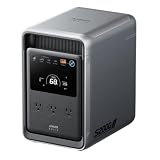
1. Anker SOLIX S2000 Portable Power Station, 2,010Wh, 1,500W
- 𝐔𝐩 𝐭𝐨 𝟑𝟓-𝐇𝐨𝐮𝐫 𝐅𝐫𝐢𝐝𝐠𝐞 𝐁𝐚𝐜𝐤𝐮𝐩: With 6W idle power draw and...
- 𝟏𝟎,𝟎𝟎𝟎-𝐂𝐲𝐜𝐥𝐞 𝐋𝐅𝐏 𝐁𝐚𝐭𝐭𝐞𝐫𝐲: Powered by 314Ah LFP cells, S2000 has a...
- ...
Best for: Longest fridge backup in a compact unit.
A 2,010Wh battery and 1,500W output make the Anker SOLIX S2000 a strong match for keeping a refrigerator running through outages. Its high-capacity pack gives you enough stored energy for extended backup without moving into oversized generator territory, while the 6W idle draw helps preserve that reserve for the appliance that matters most.
The 2,010Wh capacity is the key number for fridge duty, because it gives the unit enough stored energy to cover longer outages before needing a recharge. The 1,500W output supports refrigerators and other household essentials that need a stable AC supply. Anker rates it at 35.7 pounds and 8.2 x 11.1 x 12.7 inches, which makes it easier to place near a kitchen or utility area than many larger backup systems. The LFP battery chemistry and 10,000-cycle claim also matter for buyers who expect repeated outage use over many seasons. Black housing keeps the look simple and low-profile indoors.
Pros
- 2,010Wh capacity supports longer refrigerator backup
- 1,500W output handles fridge loads with room to spare
- 8.2 x 11.1 x 12.7-inch footprint fits tighter storage spaces
- 35.7-pound weight keeps it more portable than many 2kWh units
Cons
- At 1,500W output, it is less suitable for heavier whole-home appliances that need more than fridge-level backup.
For buyers focused on refrigerator backup first, this Anker gives you high capacity in a relatively compact format. It makes the most sense for households that want dependable outage coverage without moving to a much larger power station.
| Specification | Details |
|---|---|
| Brand | Anker |
| Capacity | 2,010Wh |
| Output Wattage | 1,500W |
| Item Weight | 35.7 pounds |
| Dimensions | 8.2 x 11.1 x 12.7 in |
| Battery Type | LFP |
| Idle Power Draw | 6W |
| Color | Black |
| Included Components | Anker SOLIX S2000 Power Station |
I would point fridge-focused shoppers to this unit if they want a serious reserve without a huge footprint. The 2,010Wh rating is the headline, but the lower idle draw is what helps make that stored energy last when the power stays out. It suits people who want backup for a refrigerator and a few essentials rather than a full household setup.
2. Portable Power Station 500W, 519.48Wh/140400mAh Solar Generator Backup

- 【500W High Capacity To Power Your Life】This portable power station 500W with pure sine wave AC outlets 519Wh (140400mAh) can...
- 【Multiple Outputs Provide More Options】The solar generator can power up to 10 devices simultaneously according to your needs...
- 【USB-C PD 60W, USB-A QC 18W】PD60W fast charging makes it possible to charge Android and iPhone, tablets, and laptops quickly...
Best for: Budget-minded fridge backup for smaller loads.
A 519Wh battery and 500W output keep the GRECELL portable power station in the size range that works for smaller refrigerator backup needs. It can power a car refrigerator and other essentials without fuel, fumes, or engine noise, which makes it practical for apartments, garages, or short outages where quiet operation matters as much as capacity.
The 519Wh capacity and 140,400mAh rating tell you this is a lighter-duty backup option, better suited to compact fridges or supplemental cooling than long-duration whole-kitchen coverage. Pure sine wave AC outlets are a useful detail for appliances that prefer cleaner power delivery. The included 100-240V AC charging cable, 12V car charger cable, and cable storage bag make it easier to keep charged and organized for home or travel use. At 18 pounds, it is much easier to move between a kitchen shelf, vehicle, and campsite than larger power stations. The 110V AC output matches standard household use.
Pros
- 519Wh capacity covers smaller refrigerator backup needs
- 500W output suits low-to-moderate appliance loads
- Pure sine wave AC outlets support sensitive electronics
- 18-pound weight makes it easy to move and store
Cons
- The 500W rating limits it to smaller fridges and light appliance use, so it is not the right pick for larger refrigerators.
This GRECELL fits buyers who need a quieter, simpler backup for compact refrigeration and everyday essentials. It is especially useful when mobility matters and the fridge load is modest rather than demanding.
| Specification | Details |
|---|---|
| Brand | GRECELL |
| Capacity | 519Wh |
| Battery Capacity | 140400mAh |
| Output Wattage | 500W |
| Item Weight | 18 pounds |
| Voltage | 110 volts AC |
| Power Source | AC, Battery-powered, Solar powered |
| Fuel Type | solar |
| Included Components | AC Charging Cable, 12V Car Charger Cable, Portable Power Station, Connect Cable, Cable Storage Bag |
I’d look at this one if the refrigerator you need to support is small and you value low-noise backup. The 519Wh capacity is modest, but the clean AC output and included charging cables make it convenient for occasional outages. It feels better suited to light household preparedness than long blackouts, which is exactly what some buyers need.
3. Jackery Explorer 1000 v2 Portable Power Station,1070Wh,1500W

- 10ms UPS & Tailored for Versatility: Featuring two USB-C ports, one USB-A port, one DC car port, and two pure sine wave AC ports...
- Powerful yet Compact: Boasting a 1,500W AC output and a 3,000W surge peak, the Solar Generator 1000 V2 can power multiple...
- 50-Min Fast Charging: Charge your Explorer 1000 v2 Portable Power Station from 0% to 100% battery level in just 50 minutes with...
Best for: Fast-charging backup for mid-size fridges.
A 1,070Wh battery and 1,500W AC output give the Jackery Explorer 1000 v2 the headroom needed for refrigerator backup without moving into a bulky home system. The foldable handle and 23.8-pound weight make it easier to carry to the kitchen, garage, or car when outages hit and speed matters.
The 1,070Wh capacity places this model in the useful middle ground for fridge backup, especially if you need power for a refrigerator plus a few small devices. A 3,000W surge peak is important because compressors often ask for a brief start-up boost. Jackery also lists one-hour fast charging, which helps restore the battery quickly after a short outage or between uses. The LFP battery chemistry is another advantage for buyers who expect regular recharge cycles. At 23.8 pounds, it is still portable enough for emergency handling, and the 120V output aligns with standard home appliances.
Pros
- 1,070Wh capacity suits mid-size refrigerator backup
- 1,500W AC output handles common household appliance loads
- 3,000W surge peak helps with compressor start-up demand
- One-hour fast charging reduces downtime between outages
Cons
- The 23.8-pound unit is portable, but it is still less convenient to move than smaller emergency backups.
For shoppers who want a portable power station that can keep a refrigerator going and recharge quickly afterward, this Jackery is a practical fit. It is a strong choice when you need more than a compact pack but less than a whole-home system.
| Specification | Details |
|---|---|
| Brand | Jackery |
| Capacity | 1,070Wh |
| Output Wattage | 1,500W |
| Surge Peak | 3,000W |
| Item Weight | 23.8 pounds |
| Voltage | 120 volts |
| Battery Type | LFP |
| Special Feature | Fast Charging, LFP Battery, Lightweight |
| Included Components | Explorer 1000 v2, User Manual |
I like this option for people who want a balanced fridge backup with quick recovery after use. The 1,070Wh size is enough to matter during outages, and the 3,000W surge helps with compressor starts. It is the kind of unit I’d suggest for homeowners who want one portable battery that can handle refrigeration and still be easy to carry.
4. BLUETTI FridgePower Portable Power Station, 2016Wh 1800W LFP Battery Backup

- [High Efficiency & Longer Runtime] - With an ultra-low 4W standby power consumption, this refrigerator battery backup delivers...
- [DualGuard UPS – Smarter Backup] – Your fridge never stops, no surprises, with 10ms switch to battery during blackouts...
- [Ultra-Slim 75mm Space-Saving Design] – Unlike bulky traditional power stations, this FridgePower is purpose-built for...
Best for: High-capacity fridge backup with UPS behavior.
A 2,016Wh battery and 1,800W output make BLUETTI FridgePower a serious refrigerator backup station for outage-prone homes. Its 4W standby draw helps conserve stored energy, while the 10ms switch to battery keeps the fridge from dropping out when the grid cuts over.
The 2,016Wh capacity is the main reason this model belongs in a refrigerator-backup roundup, since it gives substantial stored energy for extended outages. BLUETTI says it can expand to 8,064Wh with BlueCell 200 batteries, which is useful if the fridge is only one part of a larger emergency plan. The 13.78 x 2.95 x 22.83-inch dimensions show a slim, upright format that can tuck against a wall or in a utility space. A 120V output keeps it compatible with standard home refrigeration gear. The white finish also helps it blend into a cleaner indoor setup.
Pros
- 2,016Wh capacity supports extended refrigerator backup
- 1,800W output handles demanding appliance loads
- 10ms switch to battery helps prevent fridge interruption
- Slim 13.78 x 2.95 x 22.83-inch profile saves floor space
Cons
- The tall, narrow body may be less convenient for low shelves or cramped storage areas.
This BLUETTI is a strong fit for buyers who want fridge protection with smoother transition behavior during outages. It makes the most sense for homes where uninterrupted cooling matters and floor space is limited.
| Specification | Details |
|---|---|
| Brand | BLUETTI |
| Capacity | 2,016Wh |
| Output Wattage | 1,800W |
| Voltage | 120 volts |
| Product Dimensions | 13.78″D x 2.95″W x 22.83″H |
| Standby Power Consumption | 4W |
| Expansion Capacity | Up to 8,064Wh |
| Switch Time | 10ms |
| Color | White |
I’d recommend this for buyers who care about uninterrupted fridge operation and want a unit that sits neatly in a room rather than taking over the space. The fast transfer time is a real advantage for appliance protection, and the expandability makes it appealing if you plan to grow your backup setup later. It feels especially suited to serious home preparedness.
5. ICECO PB250 Portable Power Station, 250Wh Magnetic Power Bank, Outdoor

- WHAT YOU CAN GET - ICECO provides our customers with warranty of 12 months from the date of purchase and friendly customer...
- VERSATILE POWER SOURCE - This ICECO magnetic power station offers a 250Wh battery capacity, allowing you to power a wide range of...
- INTELLIGENT BATTERY MANAGEMENT - The ICECO power station automatically adjusts its voltage based on power consumption, maximizing...
Best for: Lightweight backup for small appliances and fridges.
A 250Wh battery in the ICECO PB250 keeps this model focused on compact, short-duration backup rather than heavy household loads. Its lightweight build and magnetic power station format make it easy to move near a small refrigerator, then pack away once the outage ends.
The 250Wh capacity and 17,400mAh battery capacity show that this is a compact energy source for smaller fridges, car refrigerators, and emergency essentials. The micro USB connector type points to a simple, portable accessory-style setup rather than a full-size power station. ICECO’s black finish keeps the unit discreet, and the lightweight special feature makes it practical for users who need to relocate it often. Because the capacity is modest, it makes more sense for brief cooling support, not multi-day household backup. That narrower use case is actually useful for campers or apartment dwellers who only need targeted refrigeration support.
Pros
- 250Wh capacity suits compact refrigerator support
- 17,400mAh battery capacity offers portable emergency power
- Lightweight design is easy to carry and reposition
- Black color keeps it unobtrusive near indoor appliances
Cons
- The 250Wh capacity is too small for extended fridge backup during long outages.
This ICECO is best for shoppers who only need brief, portable support for a small refrigerator or similar appliance. It works well as a lightweight emergency companion, not as a main home backup source.
| Specification | Details |
|---|---|
| Brand | ICECO |
| Capacity | 250Wh |
| Battery Capacity | 17,400mAh |
| Connector Type | Micro USB |
| Color | Black |
| Special Feature | Lightweight |
I see this as a niche pick for people who need portability above all else. It is handy for short fridge-related backup, especially when you are dealing with a small cooling load or travel use. If your priority is keeping a full-size refrigerator running for long, this is too small, but for quick emergency support it makes sense.
6. BLUETTI FridgePower Portable Power Station with Screen, 2016Wh 1800W LFP

- [High Efficiency & Longer Runtime] - Boasting ultra-low 4W standby draw, this fridge battery backup runs 26% longer (around...
- [DualGuard UPS – Smarter Backup] – Zero fridge downtime, zero unexpected hiccups. It switches to battery within 10ms once...
- [Ultra-Slim 2.95 in Space-Saving Design] – Built exclusively for fridge backup, not bulky conventional power stations. At merely...
Best for: Slim whole-room backup with strong fridge support.
A 1,800W output and 2016Wh capacity give the BLUETTI FridgePower with screen the muscle to keep a refrigerator running while staying slim enough for indoor placement. The 75mm space-saving design and 10ms UPS switching make it a practical backup choice for homes that want steady cooling without a bulky footprint.
The 1,800W output is the headline for refrigerator use, while the 2,016Wh capacity gives it the energy reserve needed for extended outages. BLUETTI also lists 4W standby consumption, which helps preserve battery life between blackouts. The 19.7 kg weight and 230V output position it as a more substantial home unit, and the included display makes monitoring easier when you want to check status at a glance. The ultra-slim 75mm design is especially useful in utility rooms or narrow storage locations. Support for solar, AC, car, lead-acid, and generator power adds flexibility for recharging in different scenarios.
Pros
- 1,800W output supports refrigerator loads
- 2,016Wh capacity provides substantial stored energy
- 75mm space-saving design fits tight indoor areas
- 10ms UPS switching helps keep cooling continuous
Cons
- At 19.7 kg, it is less convenient to move frequently between rooms or vehicles.
For buyers who want a refrigerator backup station that stays slim yet capable, this BLUETTI is a strong candidate. It suits homes that need dependable cooling protection and a cleaner indoor footprint.
| Specification | Details |
|---|---|
| Brand | BLUETTI |
| Capacity | 2016Wh |
| Output Wattage | 1800W |
| Item Weight | 19.7 kg |
| Voltage | 230 volts |
| Standby Power Consumption | 4W |
| Power Source | Solar/AC/Car/lead-acid/Generator powered |
| Included Components | AC charging cable, BLUETTI FridgePower Portable Power Station, Display, user manual |
I’d suggest this to homeowners who want a cleaner-looking backup unit that still has real refrigerator capacity. The slim profile is the standout practical benefit, but the real value is the combination of output and UPS behavior. It feels well matched to people who want indoor-friendly backup gear that does not dominate the room.
7. BROWEY 1600W (3200W Peak) Portable Power Station with Built-in Solar

- 【Built-In 40W Solar Panel】:This portable power station features a fold-out 40W solar panel built right in—no separate panel...
- 【1600W Output & 1024Wh Capacity】:With a 1600W (3200W peak) pure sine wave output and 1024Wh capacity, this portable power...
- 【LiFePO4 Long-Life Battery】: Built with long-life LiFePO4 battery cells, this solar generator lasts 10+ years (3000+ cycles to...

Best for: Solar-integrated backup for off-grid fridge use.
A built-in 40W solar panel and 1,024Wh battery give the BROWEY unit a self-reliant edge for refrigerator backup where charging access can be limited. The 1,600W output and 3,200W peak help it support appliance startup loads, while the green housing and built-in solar design keep the package self-contained.
The 1,024Wh capacity is enough to cover refrigerator backup use far better than small portable packs, and the 1,600W output gives it room for common kitchen appliances. BROWEY also lists a 3,200W peak, which matters for the brief surge many compressors need at startup. The built-in 40W solar panel and MPPT controller are useful attributes for buyers who want charging support beyond wall power. It runs on 120V, making it compatible with standard household loads. The LiFePO4 battery chemistry and 320,000mAh rating add more context for repeated use in camping, RV, and emergency settings.
Pros
- 1,024Wh capacity supports practical fridge backup
- 1,600W output handles common appliance loads
- 3,200W peak helps with refrigerator compressor startup
- Built-in 40W solar panel adds charging flexibility
Cons
- The built-in 40W panel is small, so solar recharge will be slow compared with larger external panel setups.
This BROWEY is a fit for buyers who want fridge backup with an integrated solar option. It makes the most sense for off-grid use, RVs, or emergency kits where charging opportunities vary.
| Specification | Details |
|---|---|
| Brand | BROWEY |
| Capacity | 1024Wh |
| Battery Capacity | 320000mAh |
| Output Wattage | 1600W |
| Peak Power | 3200W |
| Voltage | 120 volts |
| Special Feature | Built-In 40W Solar Panel, Fast Charging, LiFePO4 Battery |
| Color | Green |
I’d recommend this to buyers who like the idea of solar-assisted backup without adding separate panels right away. The built-in panel won’t replace fast charging from the wall, but it gives the unit extra independence during outages or travel. It is a smart choice for people who want a refrigerator-capable battery with off-grid flexibility.
8. EF ECOFLOW Portable Power Station Delta 3 Classic, 1024Wh 1800W

- Power for Every Scenario: EcoFlow DELTA 3 Classic delivers 1800W output (3600W surge) with X-Boost technology—enough for...
- Ultra-Fast Charging: Go from 0–80% in just 45 minutes with X-Stream AC charging. Keep your devices and appliances powered...
- <10ms UPS: Protect sensitive electronics like PCs, servers, and medical devices. DELTA 3 Classic automatically switches to battery...
Best for: Fast-charging fridge backup with UPS support.
An 1,800W output and 1,024Wh capacity put the EF ECOFLOW Delta 3 Classic in the right range for keeping a refrigerator running during outages. Its X-Boost support and 3600W surge rating help it handle appliance startup, while the 45-minute 0–80% charge time gets it back into service quickly after use.
The 1,024Wh capacity gives you a substantial battery reserve for refrigerator backup, and the 1,800W output is strong enough for many home cooling loads. EcoFlow’s 3,600W surge figure matters because refrigerator compressors can demand extra power at startup. The 0–80% charge in 45 minutes is especially useful for repeated outages, since you can restore usable capacity quickly. The 120V voltage matches standard household equipment, and the <10ms UPS feature is valuable for sensitive electronics alongside the fridge. Its portable format keeps it flexible for camping, residential use, or commercial backup.
Pros
- 1,024Wh capacity supports fridge backup use
- 1,800W output handles common appliance demand
- 3,600W surge helps with startup loads
- 45-minute 0–80% charging reduces recovery time
Cons
- The 1,024Wh capacity may not cover a refrigerator for very long outages without recharging.
This EcoFlow suits buyers who want a refrigerator backup that recharges quickly and switches over smoothly. It is a practical pick for households that face repeated outages and want fast turnaround between them.
| Specification | Details |
|---|---|
| Brand | EF ECOFLOW |
| Capacity | 1024Wh |
| Output Wattage | 1800W |
| Surge Wattage | 3600W |
| Voltage | 120 volts |
| Special Feature | Portable |
| Power Source | Solar Powered |
| Recommended Uses For Product | Camping, Commercial, Residential |
I’d put this near the top for readers who want quick recharge and reliable fridge support in one package. The fast charging is the most useful real-world benefit because it shortens downtime between outages. It is especially appealing for households that need a practical everyday backup, not just an emergency-only battery.
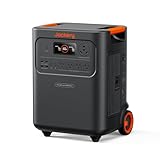
9. Jackery HomePower 3600 Plus Power Station, 3584Wh, 3600W AC Output
- Essential Home Backup: The Jackery HomePower 3600 Plus delivers 3600W output (7200W in parallel) to run pumps, heaters, and dryers...
- Safe Power That Lasts: Built with high-temp resistant ceramic membrane battery cells tested at 302 °F, the Jackery HomePower...
- Plug-and-Play: With its easy plug-and-play design, the Jackery HomePower 3600 Plus, paired with MTS, powers your home...
Best for: Whole-house backup with fridge-first headroom.
A 3,584Wh capacity and 3,600W AC output make the Jackery HomePower 3600 Plus a large-scale backup option for refrigerators and other major home loads. Dual voltage support and parallel output give it the flexibility to handle more than a single appliance, which is useful when a fridge outage is only one part of a broader power loss.
The 3,584Wh battery is the key advantage for long refrigerator backup, since it provides far more stored energy than compact portable stations. Jackery rates it at 3,600W AC output and 7,200W in parallel, so it has room for heavier home demands beyond a refrigerator alone. The 120V and 240V parallel voltage support is helpful for households planning around mixed appliance needs. It is listed as easy to install, which matters when the goal is home backup rather than camping mobility. The black color keeps it visually subdued in a utility area, and the residential use focus fits the intended buyer well.
Pros
- 3,584Wh capacity supports long-duration fridge backup
- 3,600W output handles major household loads
- 7,200W parallel capability expands total available power
- Dual voltage support adds flexibility for home use
Cons
- Its large-capacity format is more suited to fixed home backup than frequent carry-around use.
This Jackery is for buyers who want refrigerator backup as part of a larger home resilience plan. It makes the most sense when you need substantial capacity and are less concerned with portability.
| Specification | Details |
|---|---|
| Brand | Jackery |
| Capacity | 3584Wh |
| Output Wattage | 3600W |
| Parallel Output | 7200W |
| Voltage | 120 volts AC |
| Color | Black |
| Special Feature | Easy to Install |
| Recommended Uses For Product | Residential |
I would recommend this to homeowners who want one serious battery solution for the fridge and much more. The huge capacity and dual-voltage setup make it better suited to whole-home thinking than to casual portable use. If your priority is long backup time and broad appliance coverage, this is the kind of unit that fits.
10. Lipower 2400W Portable Power Station, 2150Wh Solar Generators for Home

- 2150WH LARGE‑CAPACITY HOME BACKUP POWER: This battery pack delivers long‑lasting power outage essentials. Its 2150Wh capacity...
- <10MS UPS BATTERY BACKUP PROTECTION: Features ultra‑fast 10ms uninterruptible power supply switchover. Seamlessly shifts from...
- 2400W PURE SINE‑WAVE OUTPUT: Provides 2400W rated continuous power with 4000W surge peak power. This battery generator can run...
Best for: High-output home backup for heavy fridge loads.
A 2,400W output and 2,150Wh capacity make the LIPOWER power station a strong refrigerator backup choice for households that want more headroom than a basic portable unit. Its 10ms UPS transfer and overload protection help it behave like serious emergency power for kitchen appliances and home essentials.
The 2,150Wh capacity is the main reason this unit works well for fridge duty, since it gives a full-size refrigerator enough energy for 1 to 2 days of backup use. The 2,400W output is higher than many portable stations in this category, which is useful if your fridge shares power with routers, lights, or a CPAP machine. At 48 pounds, it is substantial, but that weight reflects the larger battery and output class. The included AC wall charger, car charging cable, and solar charging cable add flexibility for different recharge sources. Overload protection, short circuit protection, and automatic idle control round out the emergency-ready feature set.
Pros
- 2,150Wh capacity supports 1 to 2 days of fridge backup
- 2,400W output handles larger home appliance loads
- 10ms UPS transfer helps maintain power continuity
- Solar, wall, and car charging options increase flexibility
Cons
- At 48 pounds, it is heavy enough that frequent moving between rooms is inconvenient.
This LIPOWER is a solid fit for buyers who want stronger refrigerator backup and broader home-emergency capability. It is most useful for households that can accept more weight in exchange for more power and longer runtime.
| Specification | Details |
|---|---|
| Brand | LIPOWER |
| Capacity | 2150Wh |
| Output Wattage | 2400W |
| Item Weight | 48 pounds |
| Voltage | 110 volts |
| Fuel Type | Battery Powered |
| Special Feature | Automatic Idle Control, Overload Protection, Portable, Short Circuit Protection, Super Quiet, USB Port |
| Included Components | Portable Power Station, AC Wall Charger, Car Charging Cable, Solar Charging Cable |
I’d steer buyers here if they want fridge backup with more power margin and longer runtime than the typical mid-size station. The 2,400W output gives it versatility, and the 10ms transfer makes it feel more serious in an outage. It is best for people who can handle the weight and want a robust emergency power source rather than something ultra-portable.
Quick Comparison Table of Top Power Banks for Refrigerator Backup
| Product Name | Capacity | Output | Weight | Best For | Check Price |
|---|---|---|---|---|---|
| Anker SOLIX S2000 Portable Power Station | 2010Wh | 1500W | 35.7 lb | Long fridge backup | Check Price |
| Portable Power Station 500W, 519.48Wh/140400mAh Solar | 519Wh | 500W | 18 lb | Small fridge use | Check Price |
| Jackery Explorer 1000 v2 Portable Power | 1070Wh | 1500W | 23.8 lb | Portable fridge power | Check Price |
| BLUETTI FridgePower Portable Power Station, 2016Wh | 2016Wh | 1800W | Lightweight | Extended home backup | Check Price |
| ICECO PB250 Portable Power Station, 250Wh | 250Wh | 250Wh | Lightweight | Tiny fridge loads | Check Price |
| BLUETTI FridgePower Portable Power Station with | 2016Wh | 1800W | 19.7 kg | Fridge outage backup | Check Price |
| BROWEY 1600W (3200W Peak) Portable Power | 1024Wh | 1600W | Portable | Solar backup power | Check Price |
| EF ECOFLOW Portable Power Station Delta | 1024Wh | 1800W | Portable | Fast fridge backup | Check Price |
| Jackery HomePower 3600 Plus Power Station | 3584Wh | 3600W | Home unit | Whole-home backup | Check Price |
| Lipower 2400W Portable Power Station, 2150Wh | 2150Wh | 2400W | 48 lb | 1-2 day backup | Check Price |
How to Choose the Right Best Power Bank for Refrigerator
Battery capacity and runtime
Battery size is the difference between a refrigerator that keeps running through an outage and one that shuts down too soon. A higher watt-hour rating gives you more stored energy, but the figure only matters if it can handle your appliance’s startup surge, which is often several times higher than its normal running load. That surge demands enough output headroom, so the battery bank and inverter must work together without tripping or voltage drop.
Runtime matters just as much as raw capacity because refrigeration is about preserving food safety, not just powering lights. A compact unit may run a mini fridge for several hours, while a larger household refrigerator can drain the battery much faster, especially if the door opens often or the ambient temperature is high. Estimating backup time requires checking the refrigerator’s average watts, duty cycle, and outage length so you can judge whether the system will cover a short blackout or an extended emergency.
Rated capacity is not the same as usable capacity. Conversion losses from the inverter, wiring, and internal battery management can reduce real output by 10% to 20% or more, so a 1000Wh unit may deliver noticeably less cooling time in practice. Buyers should compare usable watt-hours, surge capability, and real-world runtime estimates to avoid underpowered backup and ensure reliable refrigeration when the grid goes down.
Output power and surge handling
Reliable compressor support depends on far more than headline capacity; the unit must deliver enough continuous wattage and a strong enough startup surge to keep a refrigerator running without tripping or stalling.
Normal cooling cycles draw a steady load that can rise and fall as the compressor engages, so the continuous watt output should comfortably exceed the appliance’s running watts. If the output is too low, the fridge may cycle poorly, warm up unexpectedly, or shut down under load. This matters in real use for preserving food during outages, camping trips, RV setups, or backup home power, where stable operation is more important than short bursts of energy.
Just as critical is surge handling: refrigerator compressors often need several times their running wattage for a brief startup spike. A power bank with insufficient peak surge capacity may power lights or small electronics but fail the moment the compressor kicks on. Confirm that the inverter provides the correct output type—pure sine wave is usually preferred for sensitive motor-driven appliances—and that its rated wattage matches both the refrigerator’s continuous demand and its starting surge.
Checking these specifications helps ensure dependable, quiet, and efficient cooling without overloading the battery system.
Portability and physical design
A power bank’s physical design directly affects how practical it is in daily use, especially if it needs to support a refrigerator during outages or travel.
Portability matters because a backup battery that is easy to move can be repositioned quickly between a kitchen, garage, cabin, or RV without strain. Heavier units often deliver higher watt-hour capacity, but extra bulk can make transport awkward, particularly for users who need a compact backup power source for short-term refrigeration. A good layout also improves handling: recessed or well-balanced grips, sturdy side handles, and a low-center-of-gravity frame make lifting safer and more controlled.
Pay attention to dimensions as well as weight. A slim, carry-friendly design may fit neatly on a shelf or near an appliance, yet it still has to provide enough runtime for cooling loads and compressor startup demands. The ideal balance is a model that is compact enough to store easily, but substantial enough to deliver the sustained output and battery capacity required for fridge backup.
Durable outer materials, reinforced corners, and clear port placement further improve usability by reducing damage during frequent moves and making cable connections easier in tight spaces.
Safety and protection features
Built-in protection circuitry is essential for any battery backup meant to run a refrigerator, because compressor-driven appliances demand far more electrical stability than casual electronics.
Overload, short-circuit, and overheat protection help prevent dangerous failures, sudden shutdowns, and long-term battery damage during heavy use. A refrigerator can trigger high startup surges, so a reliable power station or portable power pack needs a robust battery management system that can monitor charge levels, regulate current, and respond instantly to abnormal conditions. This reduces the risk of swelling cells, melted wiring, or premature capacity loss, especially during extended outages or repeated cycling.
Stable voltage delivery is equally important for sensitive appliances, since fluctuating output can stress the compressor, control board, and inverter components. Look for models that advertise clean, consistent output with a well-engineered BMS, thermal regulation, and clear safety certifications. In practical use, that means better performance during a blackout, safer operation in warm rooms, and fewer interruptions when the refrigerator starts and stops throughout the day.
Strong protection features do more than safeguard the unit itself—they also protect food, reduce maintenance worries, and improve overall reliability.
Charging options and backup flexibility
Flexible recharge and output options are essential for keeping emergency backup power dependable. A refrigerator can drain a battery quickly, so the ability to recharge from a wall outlet, a vehicle socket, or a compatible solar input gives you far more resilience during outages, travel, or off-grid use. This versatility matters because the power source itself may be limited when a storm knocks out household electricity or you need to restore charge away from home.
A good portable power station should also recharge at a practical speed after extended downtime. Fast AC recharge helps restore readiness overnight, while efficient DC or car charging can be invaluable during long trips or prolonged blackouts. Solar-ready models add another layer of independence, especially for extended emergencies where grid power is unavailable for days.
Passthrough charging is another useful feature, letting the unit charge while still powering the fridge, so food protection continues without interruption.
Multiple output ports improve backup flexibility by supporting a refrigerator plus smaller devices such as lights, phones, or fans at the same time. That can reduce the need for separate backup units and simplify household emergency planning. For reliable refrigerator support, prioritize broad charging compatibility, quick recovery time, stable power delivery, and enough ports to handle real-world outage scenarios.
Quick Best Power Bank For Refrigerator Buying Checklist
- Confirm watt output. Make sure the power bank can handle both the refrigerator’s running load and its startup surge.
- Check battery capacity. Choose enough watt-hours to cover the cooling time you need during an outage.
- Verify inverter compatibility. Ensure the output type and voltage match your refrigerator’s requirements.
- Review safety protections. Prioritize overload, short-circuit, and overheating safeguards for reliable operation.
- Assess recharge methods. Look for fast wall charging plus solar or car charging if backup flexibility matters.
- Consider portability. Pick a size and weight that fits your storage space and makes emergency use practical.
How a Power Bank Actually Runs a Refrigerator
A refrigerator does not usually run directly from a small USB-style power bank; it needs a high-capacity battery system with an inverter that converts stored DC power into the AC power the appliance expects. The key numbers are starting watts and running watts. The compressor can briefly demand much more power when it kicks on, so a unit that only covers the steady draw may still fail in real use.
Battery capacity, measured in watt-hours, determines how long the fridge can stay on between charges, while inverter output determines whether the system can start the motor reliably. For the best results, the power bank, inverter, and fridge load should be matched as a complete system rather than as separate parts.
Portable Power Stations vs. Battery Packs for Refrigerators
Not every backup battery is built the same way. Portable power stations are the most practical option for refrigerators because they combine a large battery, inverter, display, and multiple output ports in one enclosure. Dedicated battery packs can work well too, but they often require separate inverters, cables, and protection hardware.
Smaller packs are better suited to compact fridges, beverage coolers, or short outages, while larger stations are better for full-size household models. The main trade-off is portability versus capacity: lighter units are easier to move, but heavier systems usually deliver longer runtime and stronger startup performance.
Understanding these differences helps explain why two products with similar advertised capacity can behave very differently once a compressor is involved.
| Type | Best for | Trade-off |
|---|---|---|
| Portable power station | Most refrigerator backup needs | Bulkier, but simpler to use |
| Standalone battery pack | Custom off-grid setups | Needs extra inverter and wiring |
| Small backup pack | Mini fridges and coolers | Limited runtime |
| Large capacity system | Longer outages and larger fridges | Heavier and less portable |
Safety Practices for Indoor Refrigerator Backup Power
Safety matters just as much as capacity when powering a refrigerator during an outage. Use only equipment rated for the appliance load, and make sure the inverter can handle the compressor surge without overheating. Keep vents unobstructed so the battery system can dissipate heat, and avoid placing it near damp floors, sinks, or direct sunlight.
Extension cords should be short, properly rated, and undamaged. If the unit includes replaceable fuses or breakers, follow the manufacturer’s recommended protection levels rather than improvising.
It is also important to use grounded outlets and to keep children away from exposed terminals. A stable setup reduces fire risk, protects the compressor, and helps prevent sudden shutdowns when the refrigerator cycles on.
Compatibility Checks Before Connecting a Fridge
Before connecting backup power, confirm that the refrigerator and battery system speak the same electrical language. Check the fridge label for voltage, amperage, and wattage, then compare those figures with the inverter’s continuous and surge ratings. If the unit uses a variable-speed compressor, it may draw power more efficiently, but it can also be sensitive to poor-quality wave output.
Pure sine wave inverters are the safest choice for most modern refrigerators because they mimic utility power more closely. Also verify plug type, grounding, and whether the fridge includes any built-in electronics that must remain powered for defrost or temperature control.
A quick compatibility check prevents nuisance trips, poor cooling, and avoidable wear on the compressor.
Maintenance Habits That Extend Backup Runtime
Regular care keeps a refrigerator backup system dependable when it matters. Recharge the battery according to the maker’s guidance instead of leaving it empty for long periods, because deep discharge can shorten battery life. Store the unit in a cool, dry place and inspect cables for fraying, loose connectors, or corrosion.
Periodically test the system with the fridge connected so you know the real runtime and can spot weak cells or inverter issues early. If the power station supports firmware updates or app monitoring, keep those features current for better battery management.
It also helps to reduce refrigerator load by keeping the door closed, cleaning condenser coils, and ensuring good airflow around the appliance. Those habits lower demand and make every stored watt-hour last longer.
Frequently Asked Questions (FAQs)
How Much Capacity Does The Best Power Bank For Refrigerator Need?
The best power bank for refrigerator needs enough watt-hours to cover the fridge’s running load plus compressor startup surge. A larger battery gives longer backup time, but usable runtime also depends on efficiency losses, ambient temperature, and how often the door is opened.
Can A Power Bank Safely Run A Refrigerator Compressor?
Yes, a power bank for refrigerator can safely run a compressor if it provides the correct continuous wattage and enough surge power for startup. Stable voltage, a quality inverter, and built-in protections help prevent shutdowns, overheating, or damage to the appliance.
What Output Should I Look For In A Refrigerator Power Bank?
A refrigerator power bank should have continuous output high enough for normal operation and peak output high enough to start the compressor. The key is matching the appliance label, then adding a safety margin so the system is not constantly maxed out.
How Long Can The Best Power Bank For Refrigerator Keep Food Cold?
The best power bank for refrigerator can keep food cold for several hours or longer depending on capacity, refrigerator size, insulation, and room temperature. Less frequent door opening and a full, cold fridge help extend backup time because the compressor cycles less often.
Is A Pure Sine Wave Inverter Important For A Refrigerator Power Bank?
Yes, a pure sine wave inverter is important for a refrigerator power bank because it delivers smoother power that compressor motors handle more reliably. It reduces noise, heat, and compatibility issues, especially for modern refrigerators with sensitive electronics.
What Safety Features Matter Most In A Refrigerator Power Bank?
A refrigerator power bank should include overload, overcurrent, short-circuit, and temperature protection. These safeguards help maintain stable operation under surge loads and reduce the risk of battery stress when the refrigerator cycles on and off.
Can I Recharge A Refrigerator Power Bank With Solar Panels?
Yes, many refrigerator power bank models can recharge with solar panels if they accept the panel’s voltage and connector type. Solar charging is useful during extended outages, but recharge speed depends on panel size, sunlight conditions, and the battery’s input limits.
Final Suggestions
Choosing the best power bank for refrigerator gives you dependable backup power when outages threaten food safety and daily routines. With the right mix of capacity, surge handling, and protection features, it can keep a refrigerator running smoothly and reduce stress in emergencies. Choose carefully, and you’ll have a practical backup solution ready whenever you need it.