Top 2 Best Plumbed Coffee Maker For Home: 2 Picks
Best plumbed coffee maker for home choices can transform a kitchen from routine brewing to seamless, café-style efficiency. By connecting directly to a water line, these machines reduce refills, support consistent extraction, and keep large households or busy spaces moving with less interruption. The best plumbed coffee maker for home setups also tend to emphasize durable stainless steel construction, precise temperature control, and programmable brewing technology that improves flavor reliability.
Among plumbed coffee makers for home, built-in filtration, fast brew cycles, and low-maintenance operation are often the details that separate a convenient appliance from a truly practical upgrade. The challenge is knowing which design features matter most when performance, convenience, and long-term value all come together—so let’s explore what makes the strongest contenders stand out.
Detailed Overview of the Best Plumbed Coffee Maker for Home
1. Built-in Coffee Machine Stainless Steel, Plumbed

- 10 (28 With Home Connect) Beverages Available
- 15 Coffee Sizes
- 8 Memory Beverages
Best for: Heavy-use home espresso routines.
A stainless steel finish and a 23″D x 18″W x 14″H footprint give this Thermador a true built-in profile, so it can live where a countertop machine would feel crowded. The direct plumb setup with water and drain connection keeps the brewing station supplied and cleared without refill buckets, which is exactly what a busy home needs from a plumbed coffee maker.
Ten beverages are available on the machine itself, and that expands to 28 with Home Connect, so the cup choice can move from simple drip coffee to more customized drinks without swapping appliances. Fifteen coffee sizes let household members choose a small morning cup or a larger serving from the same unit. Eight memory beverages save preferred settings, while six strength levels make it easy to tune flavor to the beans you use. The 1 lb bean container supports longer stretches between refills, and the 17 oz stainless steel milk container gives a dedicated place for milk-based drinks. A built-in water filter, automatic cleaning, multilingual TFT color screen, and AquaStop Plus protection round out the daily convenience.
Pros
- Direct plumbed water and drain connection reduces refill and emptying chores.
- 15 coffee sizes make it easier to match different mugs and routines.
- 8 memory beverages save favored drink settings for repeat use.
- 1 lb bean container supports longer use between bean refills.
Cons
- The 23″D x 18″W x 14″H size requires dedicated built-in cabinet space.
For a household that wants a true built-in coffee station, this Thermador brings range and convenience together. It fits best when the goal is fewer daily refills and more drink variety from one plumbed machine.
| Specification | Details |
|---|---|
| Brand | Thermador |
| Color | Stainless |
| Product Dimensions | 23″D x 18″W x 14″H |
| Coffee Maker Type | Drip Coffee Machine |
| Special Feature | Water Filter |
| Beverages Available | 10 (28 With Home Connect) |
| Coffee Sizes | 15 |
| Memory Beverages | 8 |
| Bean Container | 1 Lbs |
| Milk Container | 17 Oz. Stainless Steel |
I would point this one at someone who wants a highly flexible built-in machine rather than a basic drip setup. The strength settings, saved drinks, and plumbed water/drain connection make it a strong match for a home that will use the coffee maker many times a day and wants less routine maintenance around refilling and cleanup.
2. 10 CUP BUILT-IN-THE-WALL – SELF FILLING COFFEE SYSTEM
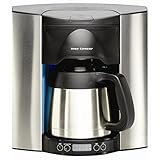
- Built-In and connected to water supply; NEVER ADD WATER AGAIN!
- Finish: Stainless steel
- Adjustable cup selector
Best for: Compact no-fuss daily brewing.
A 10-cup capacity in a 7.5″D x 12″W x 13″H cabinet-friendly body makes this Brew Express a practical fit for homes that want built-in brewing without losing much space. The stainless steel finish pairs with a hard-wired, self-filling system, so daily coffee starts from the grounds instead of from water pitchers or tank refills.
Built-in and connected to the water supply, the unit is intended to stay supplied automatically, which removes the need to pour water before every batch. The adjustable cup selector helps match output to the size of the serving you want, so the 10-cup brew system does not force one fixed batch size. Its fully programmable base lets the machine handle the brewing sequence once grounds are added, and the attachment to a refrigerator or under-sink supply line makes installation more permanent. Hard-wired power support keeps the system integrated into the kitchen, and the stainless steel color helps it blend with other appliances in a home setup where space and consistency matter.
Pros
- 10-cup capacity handles family batches or a few larger mugs at once.
- Self-filling water feed removes routine manual refilling.
- Adjustable cup selector supports different serving sizes.
- 7.5″D x 12″W x 13″H footprint suits tighter built-in spaces.
Cons
- It must connect to a water supply and hard-wired power, so installation is less simple than a countertop unit.
This Brew Express makes sense for a home that wants dependable, automated brewing in a compact built-in format. It suits buyers who value a fixed installation and want to keep the coffee routine centered on grounds in, coffee out.
| Specification | Details |
|---|---|
| Brand | Brew Express |
| Capacity | 10 cups |
| Color | Stainless Steel |
| Product Dimensions | 7.5″D x 12″W x 13″H |
| Special Feature | Programmable, self-filling water feed |
| Water Supply | Built-In and connected to water supply |
| Power Connection | Hard wired to home’s power supply |
| Cup Selector | Adjustable |
I see this as the easier fit for someone who wants a straightforward plumbed coffee maker more than a feature-heavy beverage center. It will please buyers who mainly want automatic filling, a good batch size, and a compact built-in profile that keeps the morning routine simple and predictable.
Quick Comparison Table of Top Plumbed Coffee Makers for Home
| Product Name | Type | Water Supply | Capacity | Best For | Check Price |
|---|---|---|---|---|---|
| Built-in Coffee Machine Stainless Steel, Plumbed | Drip machine | Plumbed | 1 Lb beans | Home kitchens | Check Price |
| 10 CUP BUILT-IN-THE-WALL – SELF FILLING | Built-in wall | Self-filling | 10 cups | Small spaces | Check Price |
How to Choose the Right Plumbed Coffee Maker?
Water line compatibility
Check that the machine connects to a standard 1/4-inch household water line with a shutoff valve, and confirm the inlet sits where your kitchen plumbing can reach it without sharp bends or stretched hose runs. A good setup includes a food-safe braided line, a serviceable inlet filter, and routing that stays clear of heat and moving doors. Poor fits use short, rigid hoses or awkward rear-only connections that force the unit into an inconvenient spot.
Choose a plumbed coffee maker with flexible hose routing and a removable filter kit for homes that want a clean install and steady water quality.
| Connection type | Best for |
|---|---|
| Standard inlet with braided hose | Most homes with a nearby sink cabinet |
| Long flexible hose | Kitchens with off-center plumbing access |
| Built-in filtration support | Hard-water homes and better-tasting coffee |
Brewing capacity and carafe style
Match brew capacity to the way your household drinks coffee. Single-serve systems fit one or two daily drinkers who want fresh cups with minimal waste, while thermal carafe models suit families or shared mornings because they keep coffee hot without a warming plate. Glass carafes work best for people who finish a pot quickly and want easy visibility, but they lose heat faster.
Look for at least 10 to 14 cups for group use, a strong refill cycle for back-to-back brewing, and a carafe shape that pours cleanly without drips. Choose single-serve for solo drinkers, thermal for households that sip over time, and glass for fast-paced mornings that clear the pot quickly.
| Style | Best for |
|---|---|
| Single-serve | One person, tight routines, low waste |
| Thermal carafe | Families and long sipping windows |
| Glass carafe | Quick consumption and easy level viewing |
Temperature and brewing control
Choose a machine with precise brew-strength control, adjustable temperature ranges, and repeatable results from one cycle to the next. Good models keep water hot enough for full extraction without scorching the grounds, and they hold that temperature through the brew. Preinfusion or bloom settings improve flavor by wetting the grounds evenly before the main flow starts.
Weak models brew at inconsistent temperatures, skip saturation, or use a fixed cycle that leaves light, flat coffee. Pick a programmable brewer with strength control and preinfusion for households that want fuller flavor and the same cup every morning.
| Control feature | Best for |
|---|---|
| Adjustable strength | Homes with mixed taste preferences |
| Preinfusion/bloom | Richer flavor from fresh grounds |
| Stable heating system | Consistent extraction every brew |
Cleaning and maintenance needs
Focus on maintenance first, because a plumbed brewer that is hard to clean loses value quickly. Look for removable drip trays, lift-out brew baskets, a reservoir or water path you can reach without disassembly, and dishwasher-safe parts where possible. Descaling alerts and rinse cycles matter because they cut mineral buildup and keep the water path clean.
Check how often the filter needs replacement and whether the machine uses standard cartridges instead of unusual sizes. Choose a model with simple access panels and clear service reminders for busy homes that want low-effort upkeep and fewer interruptions.
- Removable brew basket and drip tray
- Easy-access water path or reservoir
- Descaling alert and rinse cycle
- Standard, easy-to-find replacement filters
Size, design, and counter fit
Measure the full footprint, not just the base, because plumbed machines need room for hose bends, lid opening, and cup clearance under cabinets. A low-profile unit fits under tight uppers, while taller models suit open counters with more vertical space. Control placement matters too: front buttons and a forward-facing spout make daily use easier than side controls or cramped pour angles.
Finish matters in a home kitchen, so pick stainless steel, matte black, or a matching trim that blends with appliances. Choose the smallest footprint that still allows easy filling, clean pouring, and cabinet clearance for a tidy home setup.
| Fit factor | Best for |
|---|---|
| Compact low-profile body | Small kitchens and tight cabinet space |
| Front controls and open pour access | Daily use with less awkward reaching |
| Matching metal or matte finish | Homes that want a seamless look |
Which Should You Choose?
- If you want the widest drink menu for a busy household, choose a plumbed-in machine with multiple beverage options and customizable cup sizes.
- If you never want to refill a tank and prefer a permanent kitchen setup, choose a built-in model that connects directly to your water supply.
- If you like tailoring each cup to different drinkers, choose a system with adjustable coffee strength and saved preset drinks.
- If counter clutter matters less than a seamless look, choose a built-in stainless steel unit sized for wall installation.
Quick Best Plumbed Coffee Maker For Home Buying Checklist
- Confirm water hookup: Make sure the machine can connect cleanly to your home’s plumbing layout.
- Match capacity to use: Choose a brew size that fits your household’s daily coffee needs.
- Check brewing controls: Look for strength, temperature, and scheduling options that suit your routine.
- Evaluate maintenance ease: Prefer removable parts, descaling reminders, and simple filter access.
- Measure available space: Verify the coffee maker fits under cabinets and leaves room for refilling or service.
- Review build quality: Favor durable materials and a stable design for long-term home use.
How a Plumbed Coffee Maker Connects to Your Water Line
A plumbed coffee maker draws water directly from a supply line, so it does not need a refillable reservoir for every brew cycle. In most home setups, a small inlet hose runs from the machine to a cold-water source, often under the sink or behind cabinetry. Once connected, the brewer can automatically pull the amount of water it needs for each batch, which helps keep routines simple and consistent.
Many models also include a built-in filtration stage or a separate filter kit to improve taste and reduce scale. Because the machine depends on steady water pressure, proper connection and leak-free fittings matter as much as the brewing features themselves.
Plumbed vs. Reservoir Coffee Makers for Home Use
Plumbed and reservoir-style coffee makers serve the same basic purpose, but they fit different habits. A reservoir model is easier to move and can be placed almost anywhere near an outlet, while a plumbed unit is better when you want a fixed spot and fewer daily refills. The trade-off is convenience versus flexibility: plumbed machines usually demand more planning at installation, but they reduce manual upkeep during regular use.
Reservoir brewers are often simpler to set up, yet they can feel less seamless in busy households. The right option often depends on whether the kitchen already has access to water lines and whether the machine will stay in one place long term.
| Type | Best for | Trade-off |
|---|---|---|
| Plumbed | Fixed home coffee station | Needs water-line access |
| Reservoir | Flexible placement | Requires frequent refilling |
| Dual-setup | Households wanting options | Often larger and more complex |
Installation Considerations Before Mounting a Home Coffee Station
Installing a plumbed coffee maker is not only about placing it on the counter. You need enough clearance for the lid, water line, and any service access panels, plus a nearby outlet that can handle the machine safely. The water connection should be routed so it does not kink, rub against sharp edges, or interfere with cabinet doors.
It also helps to think about drainage, especially if the machine includes a rinse cycle or a removable drip tray that you will empty often. For homes with limited counter depth, measuring the brewer with its hoses attached can prevent awkward placement.
A stable, level surface is important too, because uneven setup can affect both brewing consistency and leak control.
Cleaning and Descaling a Direct-Water Coffee System
Even a plumbed coffee maker needs regular care because filtered water can still leave mineral deposits and coffee oils behind. The brew basket, carafe, spray head, and drip tray should be cleaned often so residue does not affect flavor or clog small openings. Descaling removes buildup inside the heating path and helps the machine maintain temperature and flow.
If the model has a water filter, replacing it on schedule can also improve performance and taste. It is smart to check the tubing and inlet connection for moisture during routine cleaning, since slow drips may go unnoticed at first.
Consistent maintenance usually extends the life of the machine and keeps each pot tasting cleaner.
- Wipe external surfaces after each use.
- Rinse removable parts before oils dry on them.
- Run a descaling cycle when flow slows or flavor changes.
- Inspect hoses and fittings for dampness or buildup.
Compatibility Checks for Water Pressure, Filters, and Cabinet Space
Not every home is equally suited to every plumbed coffee maker, so compatibility checks can prevent frustration after delivery. Water pressure should fall within the brewer’s supported range; too little pressure may cause slow filling, while too much can stress fittings. Some machines work best with a dedicated filter system, especially in homes with hard water or sediment.
Cabinet height, counter depth, and access to the shutoff valve also matter because the brewer and hoses need room to sit without strain. If you plan to place the unit beneath overhead cabinets, measure the clearance with the lid open, not just the machine’s closed height.
Matching the brewer to the home’s physical layout is just as important as matching its brewing style.
| Compatibility factor | Why it matters |
|---|---|
| Water pressure | Affects filling speed and internal wear |
| Filtration | Improves taste and reduces scale |
| Cabinet clearance | Needed for lid access and servicing |
| Shutoff access | Makes maintenance and leak response easier |
Frequently Asked Questions (FAQs)
What Is A Plumbed Coffee Maker For Home Use?
A plumbed coffee maker for home use is a machine that connects directly to your water line, so it fills automatically instead of requiring manual pouring. This setup is ideal for frequent brewing because it keeps the reservoir ready and reduces daily refilling chores.
Why Choose The Best Plumbed Coffee Maker For Home Over A Standard Model?
The best plumbed coffee maker for home saves time because it draws water automatically and supports repeated brewing without manual refills. That convenience is especially useful in busy households, where consistent access to fresh water can make morning routines faster and easier.
What Size Plumbed Coffee Maker Works Best For A Family Kitchen?
The best plumbed coffee maker for home should match the number of people who drink coffee each day and the amount brewed at once. A larger carafe or higher-capacity model helps households that make multiple cups in the morning or entertain guests often.
How Important Is Water Filtration In A Plumbed Coffee Maker?
Water filtration is very important in the best plumbed coffee maker for home because it can improve flavor and reduce mineral buildup inside the machine. A built-in or compatible filter also helps protect internal parts, which can support more consistent brewing over time.
What Features Help A Plumbed Coffee Maker Brew Better Coffee?
The best plumbed coffee maker for home often includes temperature control, brew-strength settings, and even saturation features for better extraction. These details matter because steady heat and controlled water flow help produce a richer, more balanced cup with less bitterness.
How Do You Maintain A Plumbed Coffee Maker At Home?
The best plumbed coffee maker for home is easier to maintain when it has removable parts, descaling alerts, and accessible filters. Regular cleaning and mineral removal keep water flow steady, prevent buildup, and help the machine maintain good performance over time.
What Should You Check Before Installing A Plumbed Coffee Maker?
Before installing the best plumbed coffee maker for home, check water-line access, counter clearance, and space for tubing or filters. It also helps to confirm that the unit fits under cabinets and that the plumbing connection can be reached safely and neatly.
Final Suggestions
Choosing the best plumbed coffee maker for home can simplify your routine with automatic water supply, consistent brewing, and less daily upkeep. It is a practical upgrade for households that value convenience, flavor, and dependable performance. With the right fit for your space and brewing habits, you can enjoy easier mornings and better coffee every day.